Plant Pest & Disease Guides
116 in-depth guides for identifying and treating common houseplant and garden problems.
Indoor & Houseplant Pests
Bugs you'll find on houseplants, in potting soil, and around your windowsills.
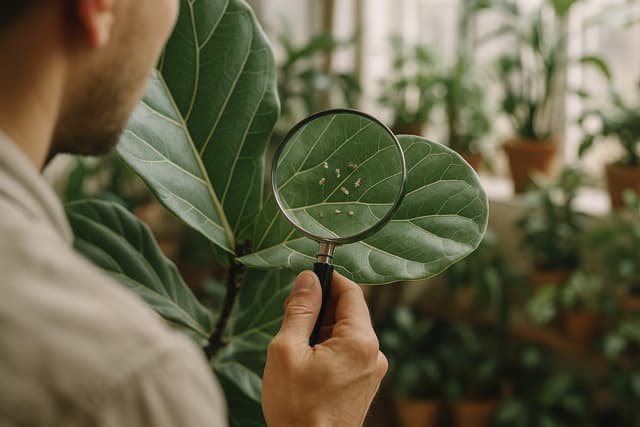
Houseplant Pests: Visual ID Guide to Every Bug on Your Indoor Plants
Found bugs on your houseplant? Match them to one of 8 common pests in under 30 seconds using our visual ID chart, then follow the treatment link for your specific pest.
14 min read · Updated 2026-06-12
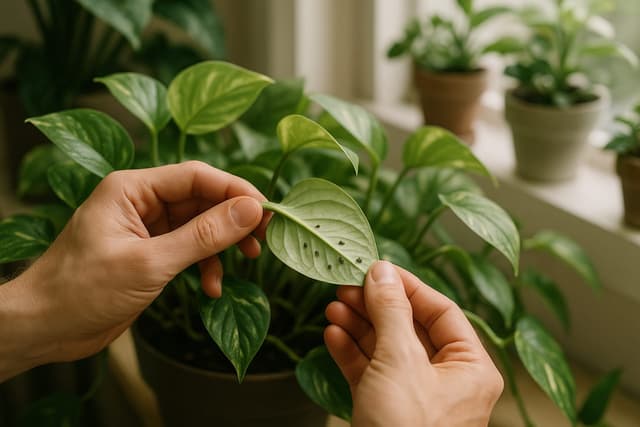
Plant Bugs: Identify Any Bug on Your Plant in 30 Seconds
Identify any bug on your plant in 30 seconds using color, location, and damage clues, then get the exact treatment for each of the common houseplant pests.
15 min read · Updated 2026-08-11
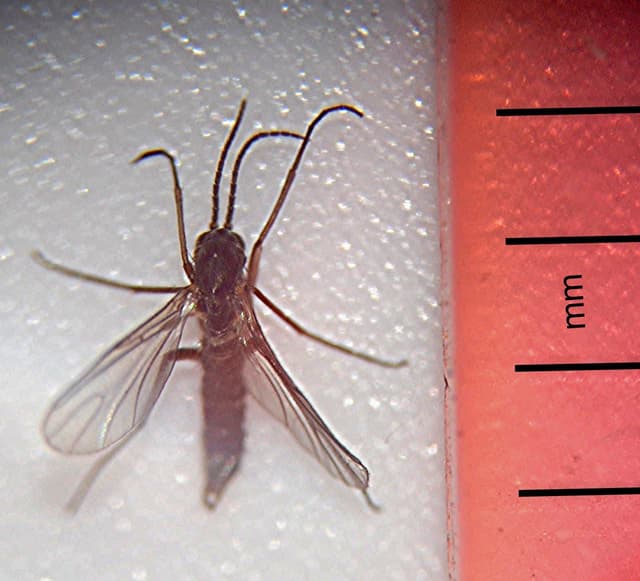
Fungus Gnats: How to Identify & Eliminate Them for Good
Learn how to identify fungus gnats, understand why they infest your houseplants, and eliminate them permanently with proven treatment methods.
10 min read · Updated 2026-06-11
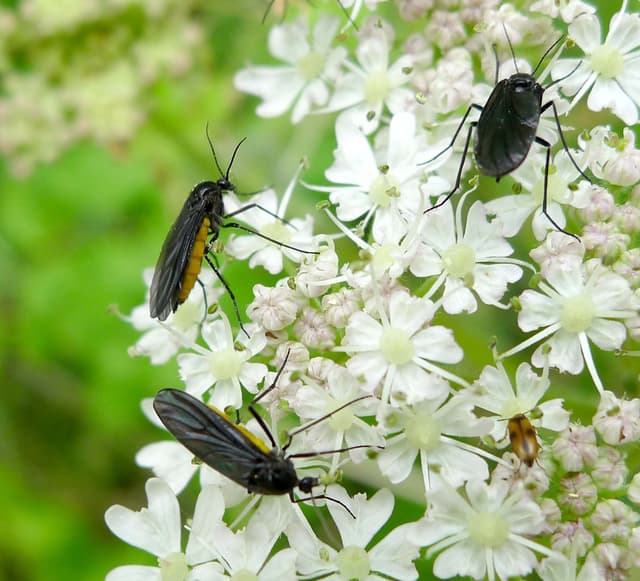
How to Get Rid of Gnats in Plants Fast: 7 Proven Methods
Seven proven, step-by-step methods to get rid of gnats in your plants fast, from a hydrogen peroxide soil drench to beneficial nematodes.
11 min read · Updated 2026-08-11
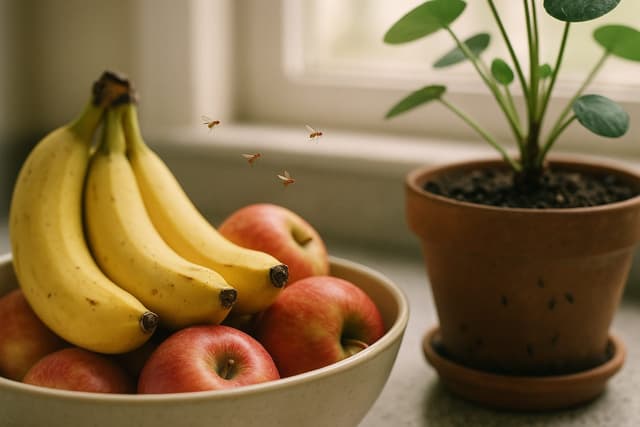
Gnats vs Fruit Flies: How to Tell the Difference in 10 Seconds
The fastest way to tell gnats from fruit flies: check the eyes. Red eyes = fruit flies. Dark eyes = fungus gnats. Different bugs, different treatments. Here's how to fix both.
12 min read · Updated 2026-06-04
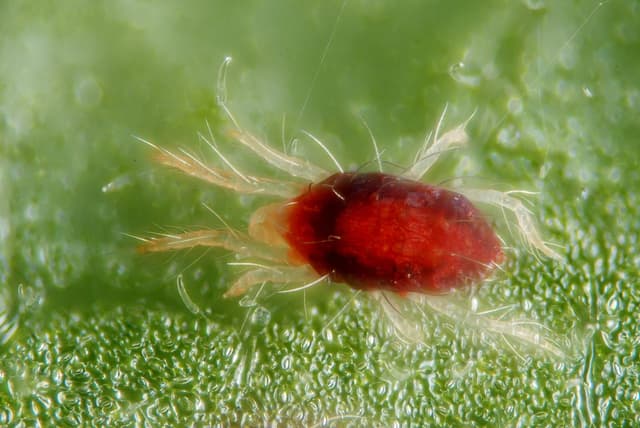
Spider Mites: Identification, Treatment & Prevention Guide
Learn how to spot spider mites early, treat infestations with proven methods, and prevent them from coming back to your houseplants.
9 min read · Updated 2026-09-28
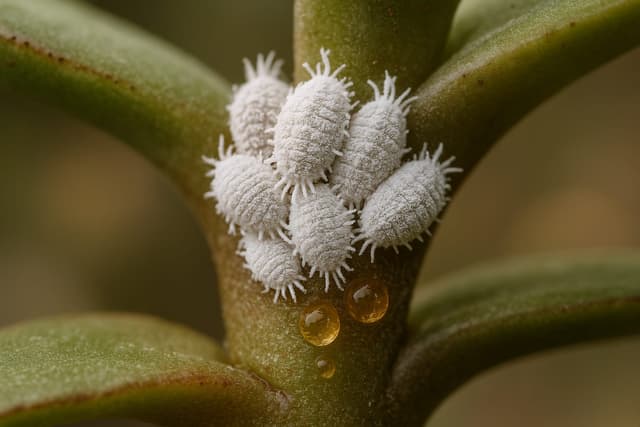
Mealy Bugs on Plants: How to Identify & Kill Them Fast
White cotton-like mealy bugs on your plant? Dab them with 70% rubbing alcohol for small cases, or spray insecticidal soap every 7 days for 6–8 weeks to clear them.
13 min read · Updated 2026-08-11
Scale Insects on Houseplants: How to Identify and Get Rid of Them
Those brown bumps that don't move are scale insects. The one thing that decides your whole treatment: whether they're soft scale or armored scale. Here's how to tell — and win.
9 min read · Updated 2026-08-07
How to Get Rid of Thrips on Houseplants (4-Week Plan)
Thrips are the hardest houseplant pest to kill — most hide in soil and inside leaves. Here's the 4-week rotation that actually breaks the cycle.
10 min read · Updated 2026-10-19
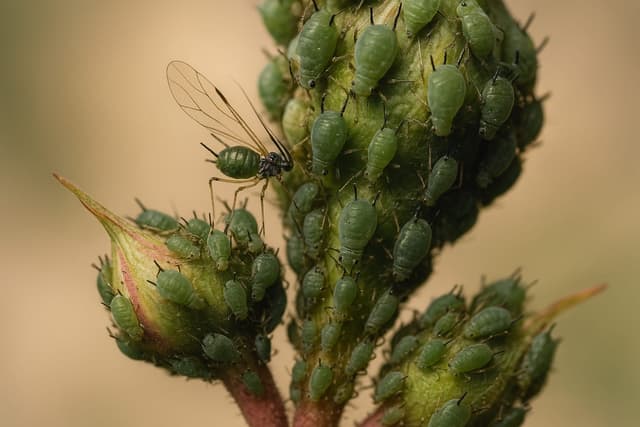
Aphids on Plants: How to Kill Them Fast (and Stop the Ants)
Aphids breed a new generation every 10 days without mating. Here's how to ID them, the 3 fastest treatments, and why ants signal a hidden aphid problem.
11 min read · Updated 2026-08-06
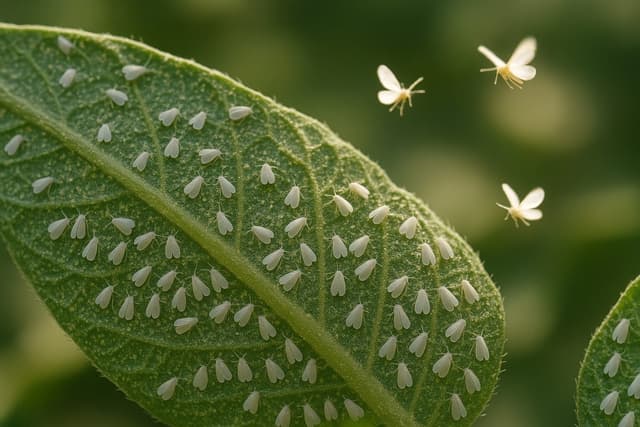
Whiteflies: The Shake Test, Damage Chain & 3-Week Treatment Protocol
Whiteflies cause more damage than you see. Learn the shake test for instant identification, understand the honeydew-to-sooty-mold damage chain, and follow a week-by-week treatment plan to eliminate them.
11 min read · Updated 2026-05-20
Ants on Your Plants? The Real Problem Is Usually Aphids
Ants on plants almost never eat the plant — they're farming aphids, mealybugs, or scale for honeydew. Here's how to find the hidden pest and make the ants leave.
9 min read · Updated 2026-09-02
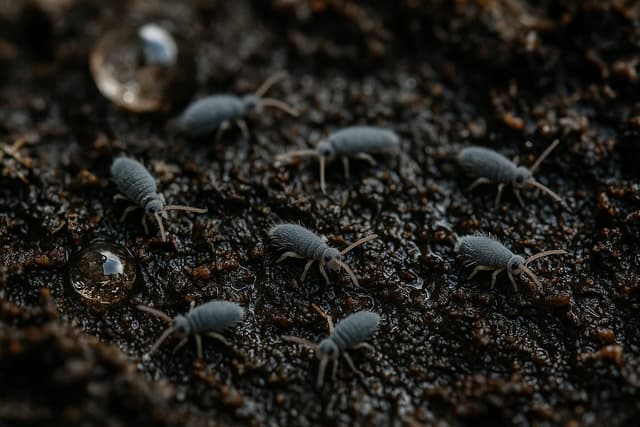
Springtails: The Tiny Jumping Bugs in Your Soil (They're Not the Problem — Your Watering Is)
Springtails are tiny jumping bugs in houseplant soil that signal overwatering, not a pest infestation. Learn the jump test to ID them instantly, why they're actually beneficial, and how fixing your watering eliminates them without pesticides.
11 min read · Updated 2026-05-22
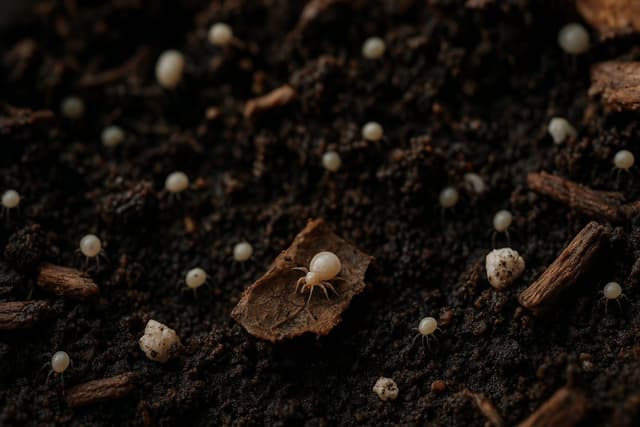
Soil Mites in Houseplants: The 4-Type ID Guide (Most Are Helping Your Plant, Not Hurting It)
Those tiny dots crawling in your potting soil are almost certainly beneficial decomposers. Here's how to identify the 4 types of soil mites, the one rare type that actually harms roots, and why killing them usually makes your soil worse.
10 min read · Updated 2026-05-27
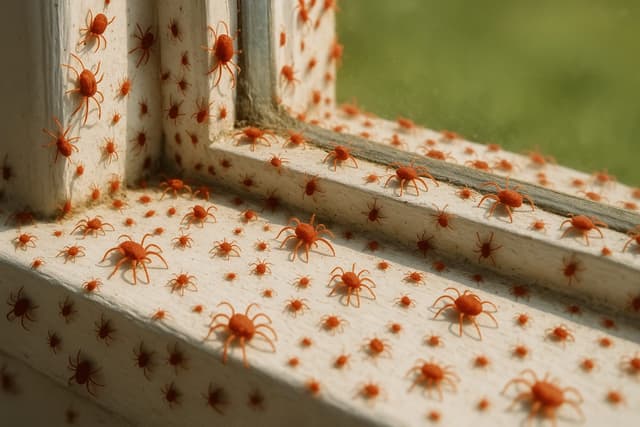
Clover Mites: The Harmless Red Bugs That Stain When Crushed
Clover mites are the tiny red bugs swarming windowsills in spring. Harmless to you and plants — but they stain when crushed. Here's how to stop them.
11 min read · Updated 2026-08-04
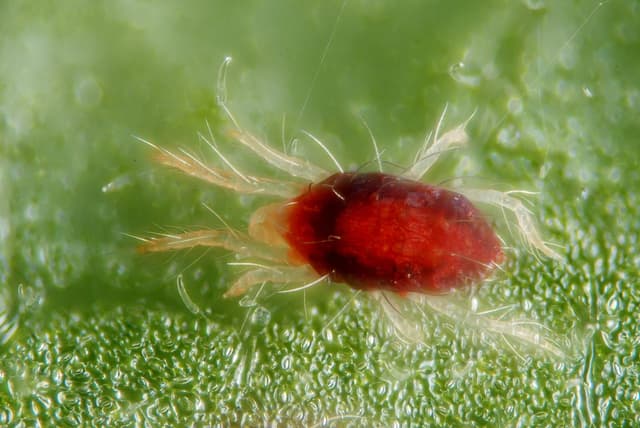
Tiny Red Bugs: Clover Mites, Spider Mites & How to ID Them
Identify tiny red bugs on your plants, windowsills, or patio. Learn the differences between clover mites, spider mites, chiggers, and red velvet mites — plus treatment steps for each.
12 min read · Updated 2026-08-04
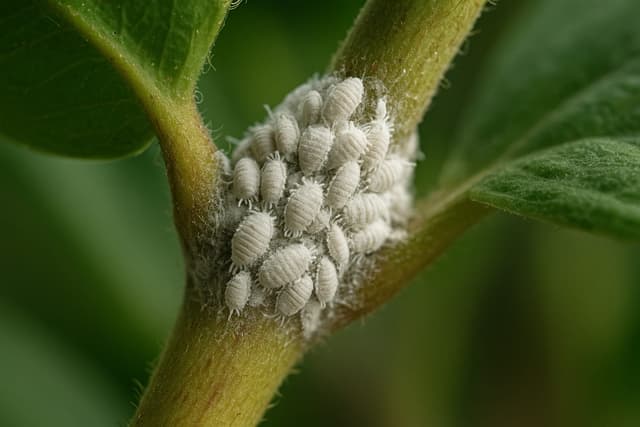
Tiny White Bugs on Plants: Identify & Kill All 5 Types
Those tiny white bugs are probably mealybugs — but could be whiteflies, root aphids, woolly aphids, or springtails. How to tell them apart and treat all 5.
11 min read · Updated 2026-08-18
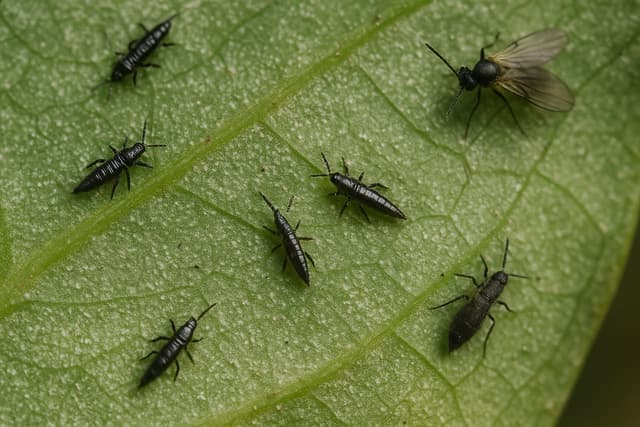
Tiny Black Bugs on Plants: Gnats, Thrips & How to Kill Them
Identify your tiny black bugs — fungus gnats, thrips, black aphids, or shore flies — and get the exact fix for each. Plus the 10-second gnat test.
12 min read · Updated 2026-10-19
Tiny Orange Bugs on Plants: What They Are (5 Culprits)
Tiny orange bugs? Where you found them tells you what they are — windowsill vs soil vs new leaves. A 2-minute location-based ID for the 5 common species.
8 min read · Updated 2026-09-04
Tiny Green Bugs on Plants Are Almost Always Aphids
Tiny green bugs on your plants? 95% of the time they're green aphids. Here's how to confirm it, the beneficial look-alike to spare, and how to clear them.
8 min read · Updated 2026-09-04
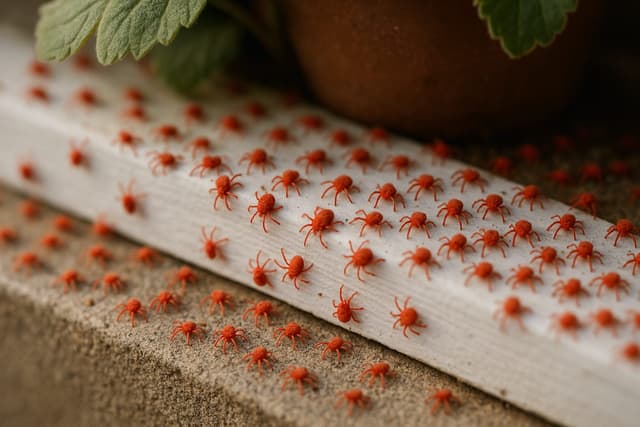
Tiny Red Spiders: Clover Mites vs Spider Mites vs Red Velvet Mites (ID Guide)
Identify the tiny red spiders in your home or on your plants. Three types look nearly identical but only one damages plants. Location-based identification with treatment for each type.
11 min read · Updated 2026-05-16
Garden & Outdoor Pests
Vegetable garden, lawn, and landscape pests — what they damage and how to stop them.
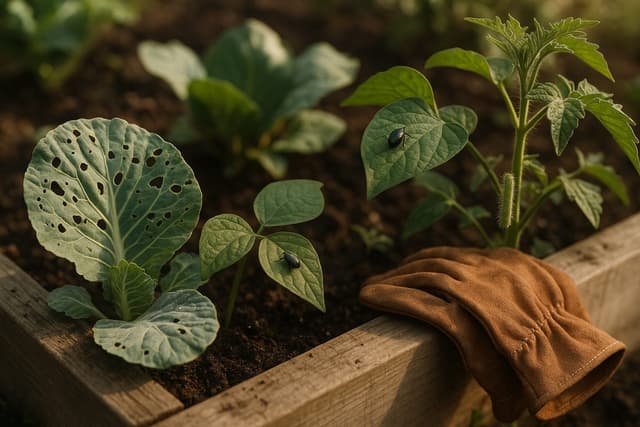
Garden Pest Identification: 25+ Bugs by the Damage They Do
Garden pest identification, fast: match the damage — holes, wilting, skeletonized or browned leaves, silk webs — to one of 25+ common garden pests.
15 min read · Updated 2026-08-18
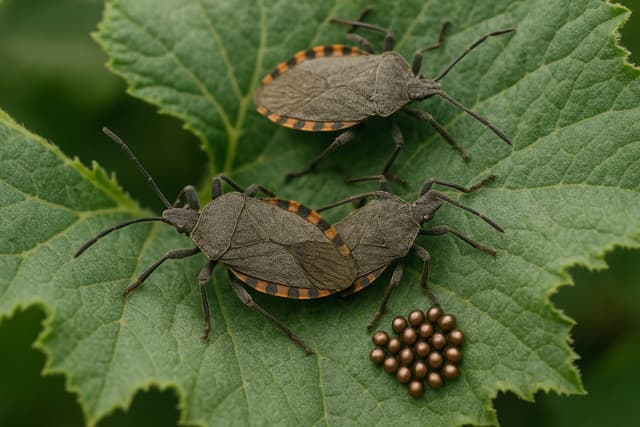
How to Get Rid of Squash Bugs: Season-Long Battle Plan
Get rid of squash bugs fast — hand-pick adults, scrape the bronze eggs, use row covers. Plus a full-season timeline and the most resistant varieties.
14 min read · Updated 2026-10-05
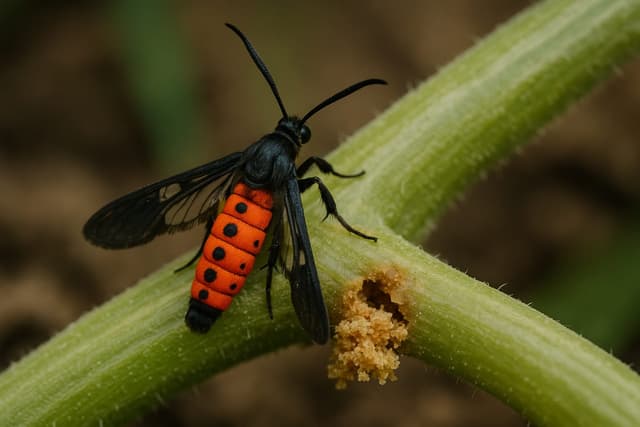
Squash Vine Borer: Save a Wilted Plant (Surgical Rescue)
Squash plant wilted overnight? A vine borer's inside the stem. Here's the surgical rescue (70% success) plus how to prevent borers with row covers.
11 min read · Updated 2026-08-25
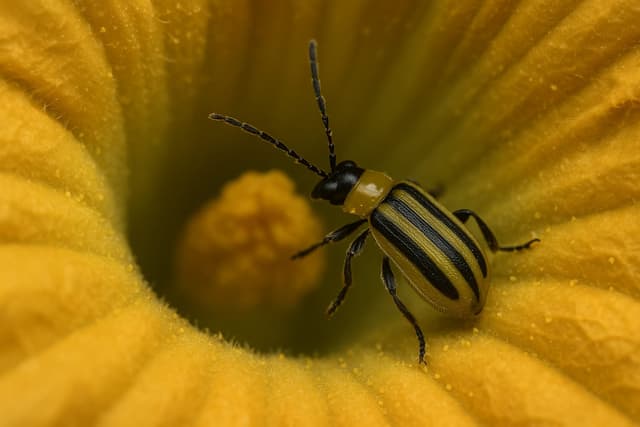
Cucumber Beetle: Spotted vs Striped ID + Deadly Wilt
Cucumber beetles spread bacterial wilt — it kills cucurbits in 3-5 days with no cure. ID spotted vs striped, use the 'ooze test,' and stop them fast.
13 min read · Updated 2026-08-25
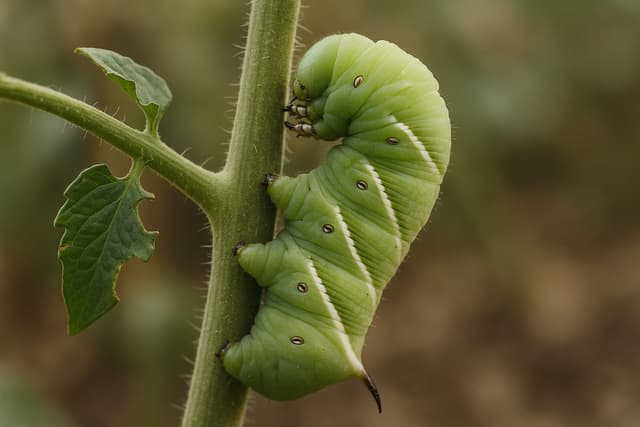
Tomato Hornworm ID: Kill It — Unless It Has White Cocoons
4-inch green caterpillars that strip a tomato plant in days. But if yours has white cocoons on its back, leave it — those are beneficial wasps killing it for you.
12 min read · Updated 2026-08-11
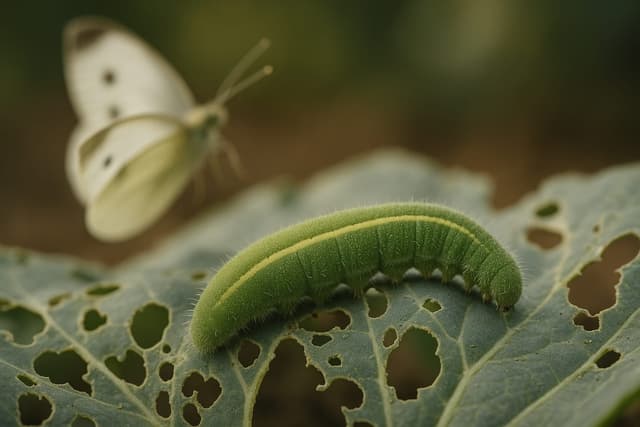
Cabbage Worm vs Cabbage Looper vs Diamondback Moth: 3-Way ID + Organic Treatment
If white butterflies are fluttering around your brassicas, their larvae are already eating your plants. Here's how to tell cabbage worms from cabbage loopers and diamondback moth larvae in 10 seconds — and the one organic spray that kills all three.
11 min read · Updated 2026-06-12
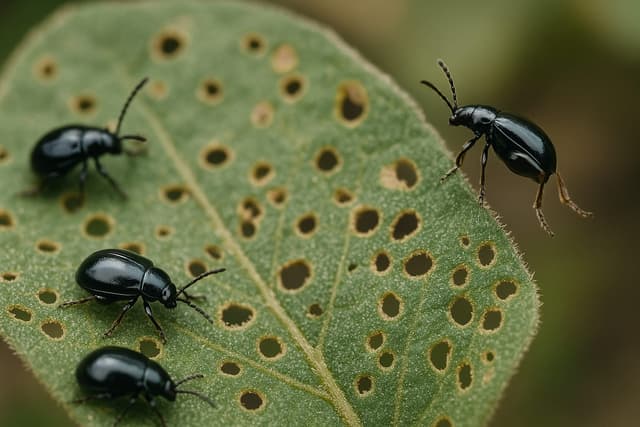
Flea Beetle: The Jumping Test, Crop-by-Crop Species Guide, and Why Seedlings Die in 48 Hours
Flea beetles are tiny black or striped beetles that jump like fleas when disturbed — and they can kill vegetable seedlings in 2-3 days. Different species target different crops. Here's the crop-specific ID guide, organic treatments ranked, and the delayed planting trick most people miss.
12 min read · Updated 2026-06-11
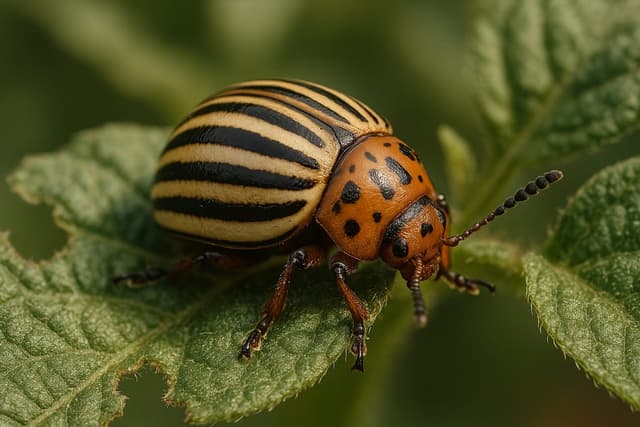
Potato Bug Pictures: 3 Insects, 1 Confusing Name (ID Guide)
"Potato bug" is 3 different insects: Jerusalem cricket, pill bug (roly-poly), or Colorado potato beetle. See what each looks like and which is the real pest.
14 min read · Updated 2026-08-11
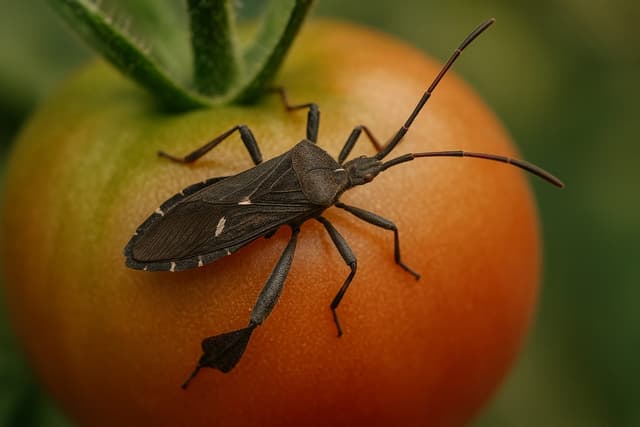
Leaf Footed Bug vs Assassin Bug: How to Tell Them Apart (And Not Kill the Wrong One)
Leaf footed bugs are 3/4-inch brown garden pests with flattened hind legs. They look almost identical to assassin bugs, which are beneficial predators. Check the hind legs: leaf-shaped plate = pest, no plate = beneficial. Here's the full 5-second ID guide.
12 min read · Updated 2026-06-04
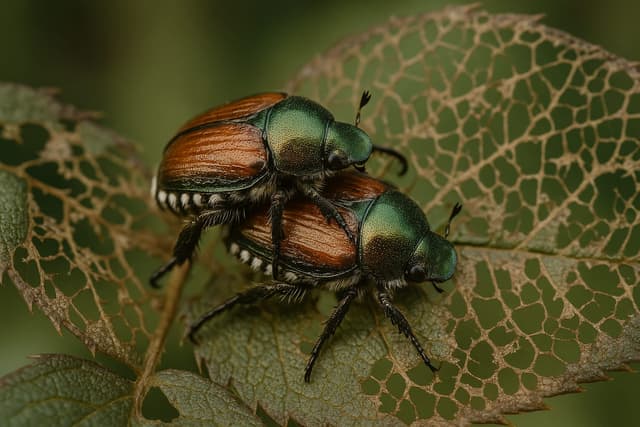
Japanese Beetles: Why Traps Backfire & a Week-by-Week Control Calendar
Japanese beetle traps attract 5x more beetles than they catch. Here's the university-backed proof, a dual lifecycle strategy for adult beetles AND lawn grubs, and a month-by-month action plan from May through September.
12 min read · Updated 2026-10-19
Lace Bugs: How to Spot Them and Save Your Azaleas
Lace bugs bleach azalea and rhododendron leaves from the underside. Here's how to tell them from spider mites and stop them before the damage spreads.
10 min read · Updated 2026-09-02
Harlequin Bug: The Fastest Way to Save Your Brassicas
Harlequin bugs drain cabbage and kale until it wilts. The mustard trap crop is the organic method extensions bury — here it leads, plus a full kill plan.
9 min read · Updated 2026-09-04
Colorado Potato Beetle: Organic Control That Works
Colorado potato beetles resist most sprays, so hand-picking and Bt tenebrionis beat chemicals in a home garden. ID the striped beetle and its red larvae, then stop the defoliation.
9 min read · Updated 2026-09-25
Sawfly Larvae: The Caterpillar Look-Alike Bt Won't Kill
Sawfly larvae look like caterpillars but Bt won't kill them. Count the prolegs to ID yours, then use the treatments that actually work on roses, pines, and more.
8 min read · Updated 2026-09-25
Vine Weevil: Why Your Potted Plant Collapsed (and How to Stop It)
Vine weevil grubs eat roots and kill container plants before you notice. Here's the two-stage pest, the pot-tip test, and which nematode to use in fall.
10 min read · Updated 2026-09-02
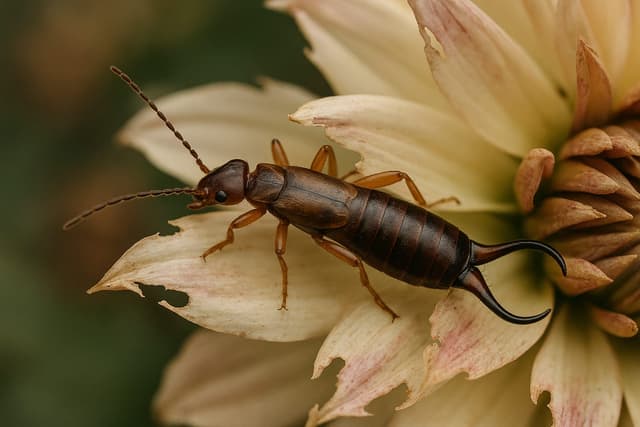
Earwig Pictures: What They Look Like & How to Get Rid of Them
See what earwigs (pincher bugs) look like, how to tell their ragged nighttime damage from slugs, and how to trap them overnight with a simple soy-sauce-and-oil trap.
12 min read · Updated 2026-09-20
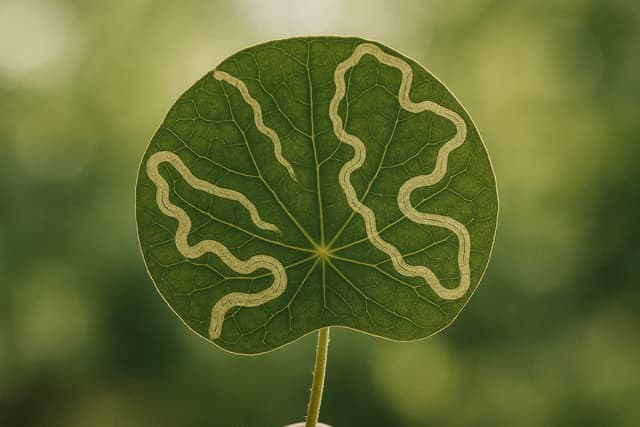
Leaf Miners: Those Squiggly White Lines on Your Leaves (ID + Treatment)
Squiggly white trails or tan blotches on your plant leaves? That's leaf miner damage. Here's which plants need treatment (most don't), the one method that actually works for edible greens, and why contact insecticides are a waste of money.
10 min read · Updated 2026-06-12
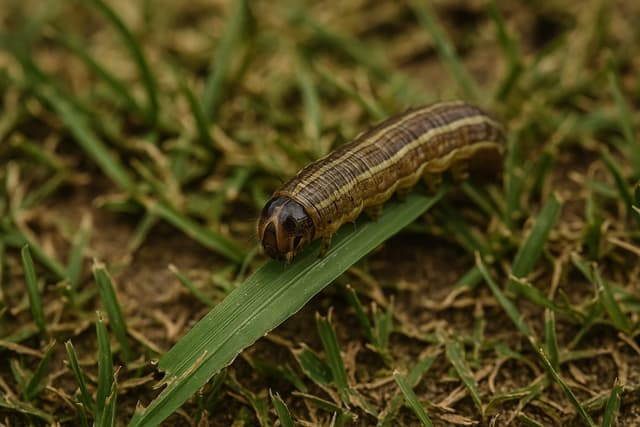
Armyworms Destroyed My Lawn Overnight — Here's the Rescue Plan
Armyworms can eat an entire lawn in 1-3 nights. Use the soapy water flush test to confirm them, treat with Bt or spinosad at dusk, and follow this grass-type recovery timeline to know if your lawn will come back.
12 min read · Updated 2026-06-03
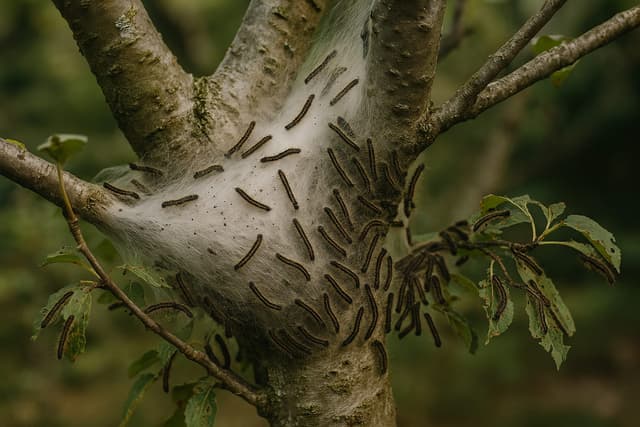
Tent Caterpillar vs. Bagworm vs. Fall Webworm: ID Guide + Removal
Those silky webs in your tree — are they tent caterpillars, bagworms, or fall webworms? Here's how to tell in 10 seconds, whether they'll kill your tree, and the one thing you should never do (burn them).
10 min read · Updated 2026-06-12
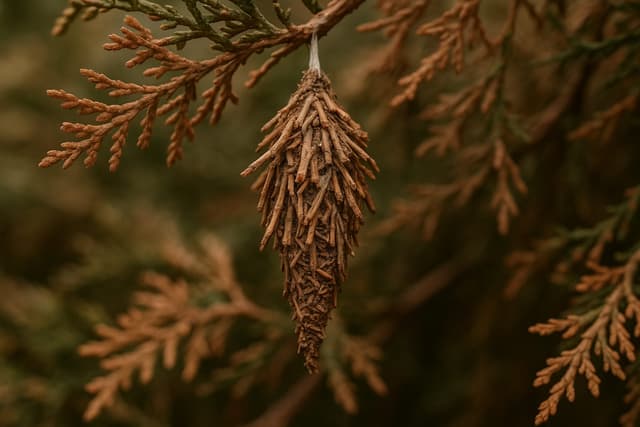
Evergreen Bagworm: Identify Them and Save Your Evergreens
Bagworms kill arborvitae, juniper, and spruce in a season — evergreens never regrow stripped needles. How to ID them and stop them, month by month.
11 min read · Updated 2026-09-01
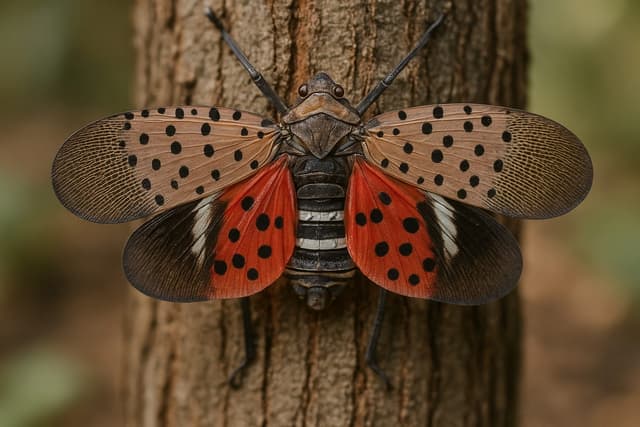
Spotted Lanternfly: How to ID, Kill & Report Them (2026 State Guide)
The spotted lanternfly has spread to 17+ states as of 2026. Here's how to identify them in seconds, the most effective removal methods ranked, and exactly where to report sightings in your state.
13 min read · Updated 2026-06-05
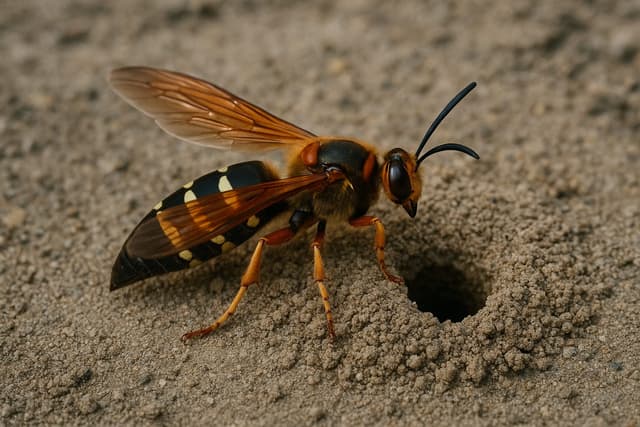
Cicada Killer Wasp: Not a Murder Hornet (ID Guide + Yard Management)
That 2-inch wasp digging holes in your lawn is a cicada killer — not a murder hornet. Here's how to tell the difference in 5 seconds, whether you should worry, and how to manage burrows without pesticides.
11 min read · Updated 2026-06-03
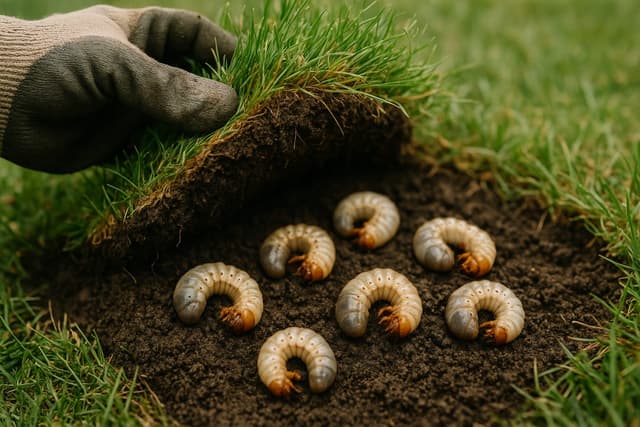
Lawn Grubs: The Underground Reason Your Grass Is Dying (ID + Treatment)
Those brown lawn patches that peel up like carpet? Probably grubs — the larval stage of Japanese beetles and June bugs. Here's the square-foot test to confirm, treatment options by timing, and the beetle-to-grub lifecycle connection most guides miss.
12 min read · Updated 2026-06-05
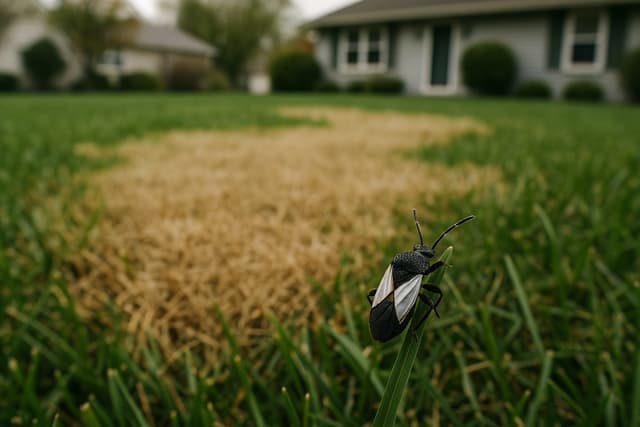
Chinch Bugs vs. Drought: How to Tell What's Actually Killing Your Lawn
Those brown lawn patches that appeared in the heat — are they drought or chinch bugs? Use the tin can test to find out in 10 minutes. If it's chinch bugs, here's the treatment plan by grass type.
11 min read · Updated 2026-06-10
Treatments & Methods
What each treatment actually kills, correct dilution rates, and when to use which.
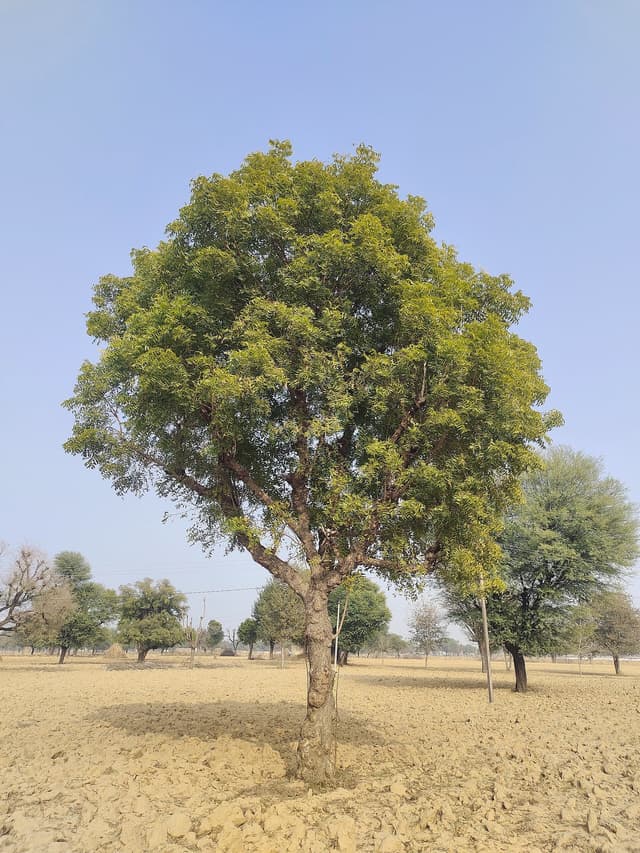
Neem Oil for Plants: Complete Guide to Using It Effectively
Everything you need to know about using neem oil on houseplants: what it treats, how to mix and apply it, correct frequency, and important precautions.
8 min read · Updated 2026-06-12
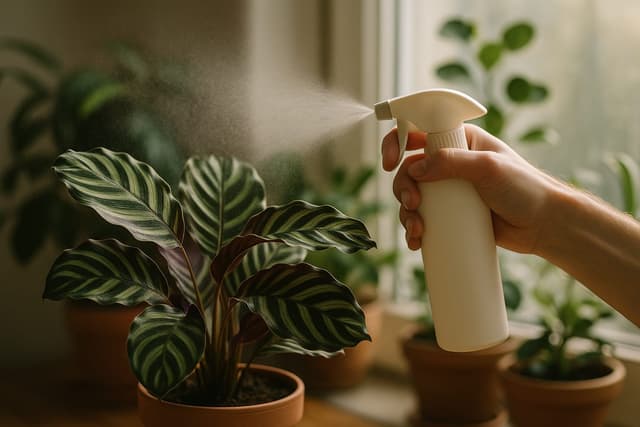
Insecticidal Soap: What It Actually Kills (Including Spider Mites), DIY Recipe & Why Dawn Is Wrong
Insecticidal soap kills aphids, mealybugs, spider mites, and whiteflies on contact — but does nothing to beetles or caterpillars. Includes a spider mite treatment protocol, the correct DIY recipe, pest-by-pest effectiveness matrix, and why dish soap damages plants.
11 min read · Updated 2026-06-12
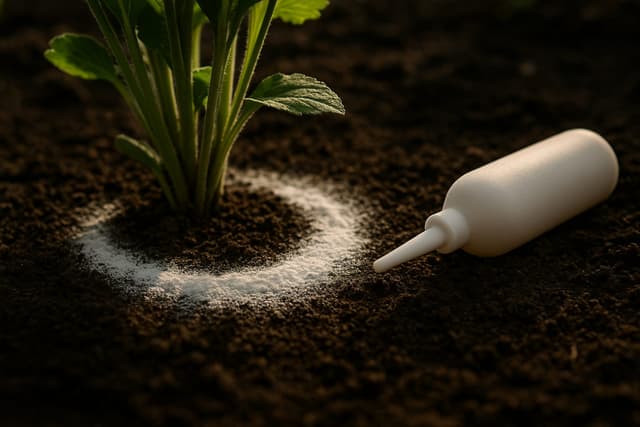
Diatomaceous Earth for Plants: Which Pests It Kills (And Which It Doesn't)
Diatomaceous earth kills ants, earwigs, slugs, and other crawling pests on contact — but it's useless against fungus gnats, spider mites, and mealybugs. This pest-by-pest effectiveness guide shows exactly when DE works and when you need a different treatment.
11 min read · Updated 2026-06-06
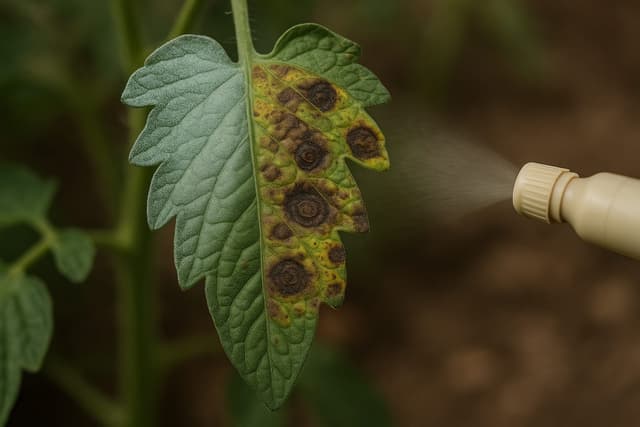
Copper Fungicide: Plant-by-Plant Dosage Chart + Safety Rules
Copper fungicide prevents mildew, blight, and leaf spot — but it burns stressed plants and builds up in soil. Crop-by-crop dosage chart and safety rules.
12 min read · Updated 2026-09-01
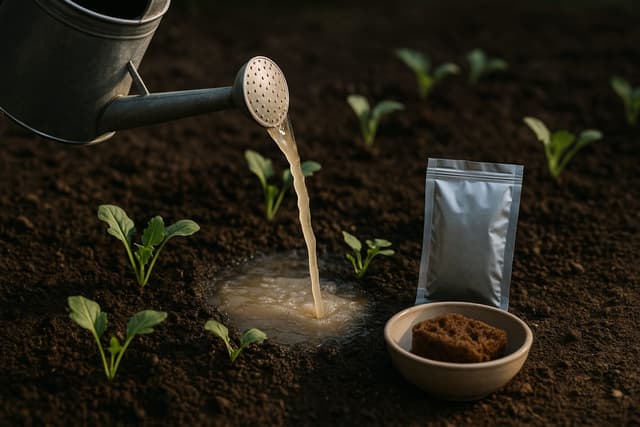
Beneficial Nematodes: Which Species Kills Your Specific Pest (Buying Guide by Pest Type)
Beneficial nematodes kill 200+ soil pests in 24-48 hours — but buying the wrong species wastes your money. This pest-matched buying guide tells you exactly which nematode species to buy for grubs, fungus gnats, vine borers, and more, plus a USDA zone application calendar.
12 min read · Updated 2026-05-29
Milky Spore for Grubs: Does It Actually Work? (Honest Guide)
Milky spore promises 10+ years of Japanese beetle grub control from one application — but university research says it often fails in northern lawns. Here's the honest breakdown.
9 min read · Updated 2026-10-19
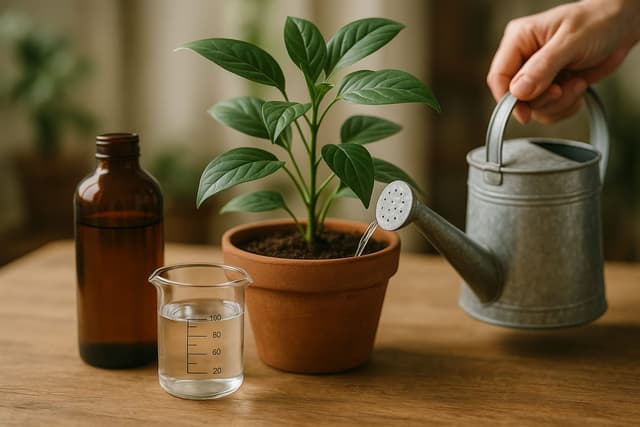
Hydrogen Peroxide for Fungus Gnats: The Exact Ratio & Why It Fails for Some People
Mix 1 part 3% hydrogen peroxide with 4 parts water and drench the soil — it kills fungus gnat larvae on contact. But one treatment won't work. Here's the full protocol, the right concentration for every H2O2 strength, and why Reddit says 'it made it worse.'
10 min read · Updated 2026-05-28
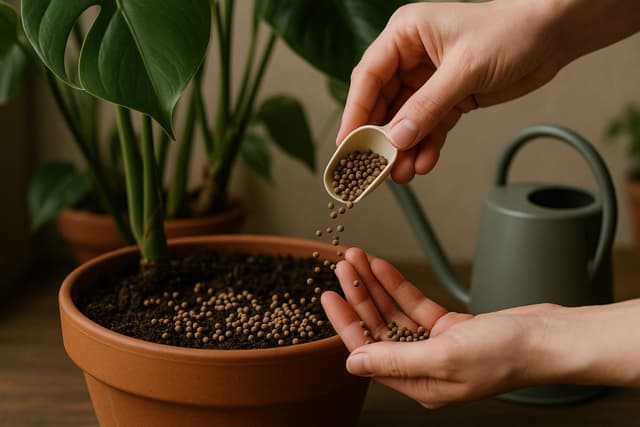
Mosquito Bits for Fungus Gnats: Dosage + 24-Hour Kill
Mosquito Bits kill fungus gnat larvae within 24 hours using Bti. Get the exact tea-soak dosage, Bits vs Dunks, and a timeline to clear gnats fast.
10 min read · Updated 2026-08-25
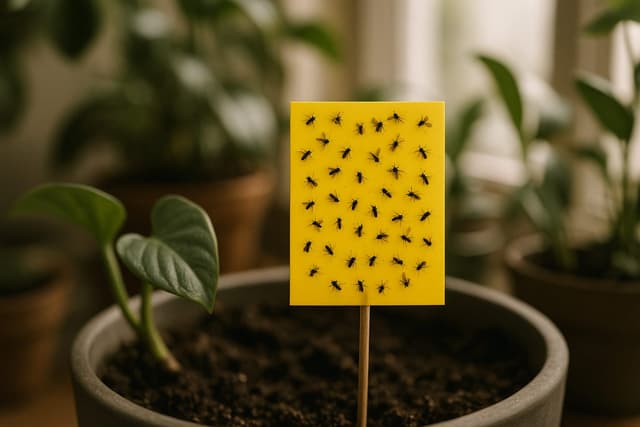
Yellow Sticky Traps for Gnats: Placement & Best Picks
Yellow sticky traps catch fungus gnats — if placed right: flat at soil level, not upright. See the best packs and why traps alone won't end it.
11 min read · Updated 2026-09-10
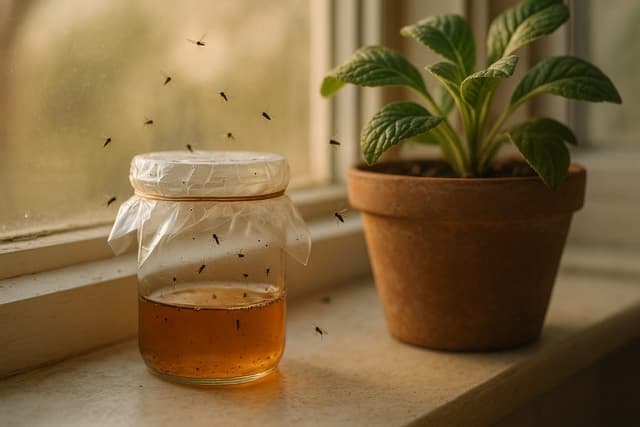
Apple Cider Vinegar Gnat Trap: The Recipe That Works in Hours
Mix 2 tbsp apple cider vinegar, 1 tbsp sugar, and 6 drops dish soap in a jar — it traps gnats within hours. Here's the exact recipe and when it won't work.
12 min read · Updated 2026-08-04
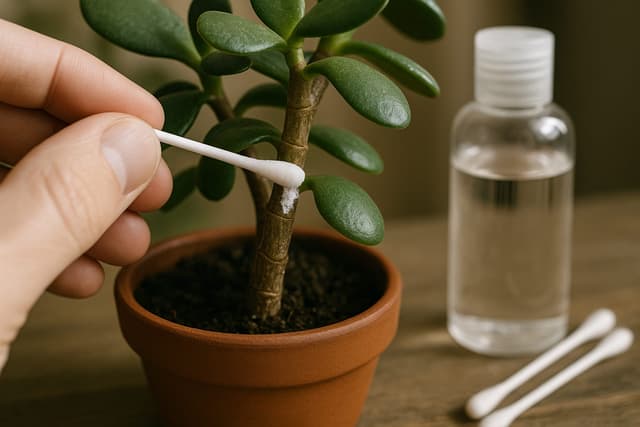
Kill Mealybugs With Rubbing Alcohol (on Contact, No Burn)
70% isopropyl alcohol kills mealybugs on contact by dissolving their waxy shell. Get the exact dilution and 4-week protocol that clears an infestation.
10 min read · Updated 2026-09-10
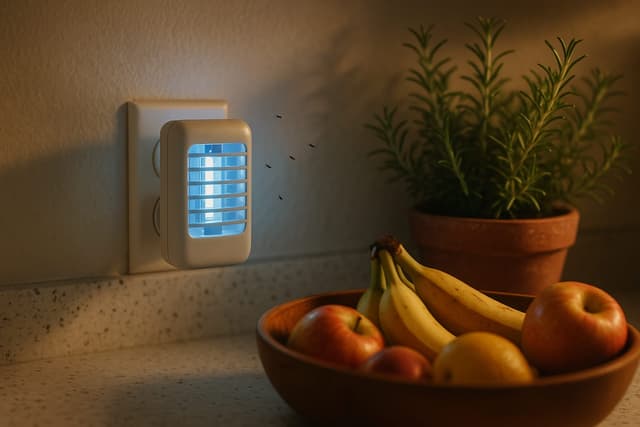
Best Indoor Fly Traps for Plant Owners (2026): What Actually Works
Fungus gnats from your houseplants? Fruit flies in the kitchen? The best indoor fly trap depends entirely on which pest you have. Here's what works for each one, from $6 sticky traps to $50 UV light traps — and why traps alone won't solve the problem.
13 min read · Updated 2026-05-16
Homemade Fly Trap: 5 DIY Builds for Fruit & House Flies
The best homemade fly trap depends on the fly: an ACV bowl for fruit flies, a soda-bottle funnel for house flies — plus the two flies no trap can fix.
10 min read · Updated 2026-09-21
Symptoms & Diseases
Start here when you can see the damage but haven't found anything causing it.
Plant Diseases: How to Identify and Treat the Most Common Ones
A working field guide to sick plants: how to tell fungal from bacterial from viral, the symptom-to-disease shortcuts that actually narrow it down, and which treatments earn their place.
12 min read · Updated 2026-08-12
Why Is My Plant Dying? Start With the Alive-or-Dead Check
Most 'dying' plants are salvageable or just dormant. Do the 30-second alive-or-dead check first, then use the symptom router to find the exact cause and fix.
9 min read · Updated 2026-10-07
Wilting Plant? The Soil Check That Tells Dry From Wet
A wilting plant is usually too dry OR too wet — and the fixes are opposite. Touch the soil first: here's the 60-second dry-vs-wet check and what to do next.
8 min read · Updated 2026-10-21
White Mold on Plant Soil: Harmless, but a Wet-Soil Warning
That white fuzz on your plant's soil is almost always a harmless mold — but it's a sign the soil stays too wet. Here's how to ID it and stop it coming back.
8 min read · Updated 2026-10-21
Root-Bound Plant: The 4-Sign Check and How to Fix It
Roots circling out the drainage holes and water running straight through? Here's the 4-sign root-bound check, the look-alikes to rule out, and the repot fix.
8 min read · Updated 2026-10-14
Transplant Shock: Shock vs. Damage and the Recovery Timeline
Repotted and now it's wilting? Tell transplant shock from real root damage, follow the day-3 to week-4 recovery timeline, and why doing less is the cure.
8 min read · Updated 2026-10-14
Leaf Spot Disease: Fungal vs. Bacterial (ID Chart + Treatment)
"Leaf spot" covers dozens of fungal and bacterial infections — and the two need different treatment. Here's how to tell them apart, identify the common types, and treat each correctly.
9 min read · Updated 2026-09-18
Black Spots on Plant Leaves: Fungus, Bacteria, or Bugs?
Black spots on leaves are fungal, bacterial, or pests — and each needs a different fix. Use the spot-shape chart to ID yours, then treat the right cause.
8 min read · Updated 2026-09-23
Powdery Mildew Treatment: What Works, Skip the Baking Soda
Skip the baking soda — it's the weakest fix. What works: 1 tbsp potassium bicarbonate per gallon of water, sprayed weekly, plus the ranked alternatives.
10 min read · Updated 2026-09-01
Tomato Blight: How to Identify, Treat, and Stop Early & Late Blight
Early blight and late blight are different diseases with different clocks. Here's the flowchart to tell them apart, the save-or-pull call by how much foliage is gone, and the varieties that shrug both off.
11 min read · Updated 2026-08-12
Anthracnose: How to Identify and Treat It on Every Kind of Plant
Dark, sunken lesions with pink spore ooze — on tomatoes, cucumbers, beans, and shade trees. A plant-by-plant treatment guide, the leaf-spots it's mistaken for, and when to spray versus pull.
11 min read · Updated 2026-08-14
Downy Mildew: Why It's Not Powdery Mildew — and Why That Changes the Treatment
Fuzzy gray growth on leaf undersides with yellow blotches on top. It's a water mold, not a true fungus, which is why powdery-mildew treatments fail on it. Here's how to tell them apart and treat each crop.
10 min read · Updated 2026-08-14
Blossom End Rot: It's a Watering Problem, Not a Calcium Problem
The dark sunken patch on the bottom of your tomatoes isn't a disease and usually isn't a calcium deficiency. Here's the real cause, why calcium sprays and Epsom salt don't fix it, and what actually does.
9 min read · Updated 2026-08-14
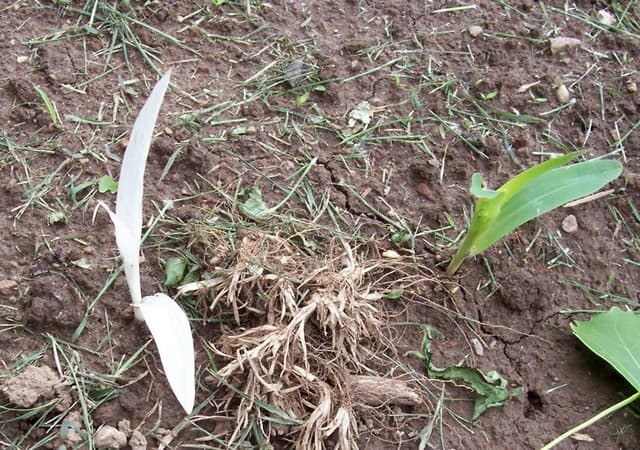
Yellow Leaves on Plants: Every Cause & How to Fix It
A comprehensive guide to diagnosing why your plant's leaves are turning yellow, with a decision tree and targeted fixes for every common cause.
11 min read · Updated 2026-08-06
Plant Leaves Turning Brown? Read the Location and the Texture
Where the leaf is browning and whether it's crispy or mushy tells you the cause. Crispy tips mean too little; soft brown patches mean too much. Here's how to read it.
9 min read · Updated 2026-10-09
Pothos Yellow Leaves: 8 Causes and the Fix for Each
Pothos leaves turning yellow? Mushy stems mean overwatering, crispy edges mean thirst, one bottom leaf is just age. Here's the exact cause and fix for each.
9 min read · Updated 2026-08-19
Peace Lily Yellow Leaves: 6 Causes and How to Fix Each
Peace lily leaves turning yellow or brown at the tips? Overwatering, old age, and tap-water fluoride each need a different fix. Here's how to tell them apart.
9 min read · Updated 2026-08-19
Why Is My Peace Lily Drooping? 7 Causes and Quick Fixes
A drooping peace lily is usually just thirsty — water it and it perks up in hours. But if it's drooping in wet soil, that's root rot. Here's how to tell.
8 min read · Updated 2026-10-15
Monstera Yellow Leaves: 7 Causes and the Fix for Each
Monstera leaves turning yellow? A mushy stem base means overwatering, crispy edges mean thirst, one old bottom leaf is just aging. Here's the exact cause and fix.
9 min read · Updated 2026-08-26
Snake Plant Yellow Leaves: Causes, Fixes and When to Worry
Snake plant turning yellow? It's overwatering almost every time. Here's how to tell overwatering from root rot, cold, or normal aging — and how to save it.
8 min read · Updated 2026-08-28
Spider Plant Yellow Leaves: Causes and How to Fix It
Yellow leaves on a spider plant usually mean overwatering, but light, tap water, and old age also cause it. Use the base-check to ID yours and fix the real cause.
8 min read · Updated 2026-09-25
Spider Plant Leaves Curling: Crispy vs. Limp Tells You Why
Spider plant leaves curling? Crispy blades mean thirst or dry air; limp blades on wet soil mean root rot; a tight speckled curl means spider mites. Here's each fix.
8 min read · Updated 2026-09-30
Philodendron Yellow Leaves: Old vs. New Leaf Points to the Fix
Yellow philodendron leaves? Lowest leaves on wet soil mean overwatering; pale new growth means light or feeding. Use the location-and-soil chart to find your cause.
8 min read · Updated 2026-09-30
Christmas Cactus Drooping? Check Mushy vs. Firm First
A limp, drooping Christmas cactus is either rotting or thirsty — opposite fixes. Squeeze the base: mushy on wet soil means rot, firm on dry soil means thirst.
8 min read · Updated 2026-09-30
Why Is My Aloe Vera Turning Brown? (Mushy vs. Crispy)
Aloe turning brown is either rot or sun and thirst — and the fixes are opposite. The texture tells you which: mushy means overwatering, crispy means sun or underwatering.
8 min read · Updated 2026-09-23
Aloe Vera Dying? Check the Base Before You Toss It
A dying aloe almost always rots from the base up, not the leaves. Here's the base-squeeze test — and how to behead and re-root the firm green top when the base is gone.
8 min read · Updated 2026-10-02
Dieffenbachia Yellow Leaves: Cold Snap or Overwatering?
Dieffenbachia (dumb cane) yellows from two causes that look alike — overwatering and cold-draft shock. Here's how to tell them apart, plus the dumb-cane safety note.
7 min read · Updated 2026-10-02
Lucky Bamboo Yellow Leaves: Is It the Leaf or the Stalk?
Lucky bamboo yellow leaves on a firm green stalk are usually a quick water-quality or light fix. A yellow mushy stalk is rot. Here's the leaf-vs-stalk call.
8 min read · Updated 2026-10-16
Anthurium Yellow Leaves: Usually Overwatering, Not Thirst
Yellow anthurium leaves almost always mean overwatering, not underwatering — anthuriums are epiphytes that rot in dense, wet soil. Here's how to read the pattern.
8 min read · Updated 2026-10-16
Why Is My Peace Lily Dying? (Save-vs-Toss Triage)
A dying peace lily is almost always a watering problem, not a lost cause. Do the 30-second root check to decide if it's savable — then how to revive it.
8 min read · Updated 2026-09-23
Spider Plant Brown Tips: The Tap-Water Cause and the Fix
Brown tips on a spider plant are almost always tap-water fluoride and chlorine, not humidity. Here's how to tell, the water fix that actually works, and how to trim them.
8 min read · Updated 2026-09-09
Peace Lily Brown Tips: The Water-Quality Cause Everyone Misses
Brown tips on a peace lily are usually fluoride and chlorine in tap water — not underwatering. Here's the mechanism, the water fix, and how to tell tips from yellowing leaves.
8 min read · Updated 2026-09-09
ZZ Plant Yellow Leaves: The Rhizome-Rot Cause and How to Save It
Yellow leaves on a ZZ plant almost always mean overwatering — and the rot is often already in the rhizome. Here's the firm-vs-mushy check that decides save vs. restart.
8 min read · Updated 2026-09-09
Fiddle Leaf Fig Brown Spots: 5 Causes and How to Fix Each
Brown spots on your fiddle leaf fig? Press one — mushy and dark means root rot, dry and crispy means thirst or sun, tan with a yellow halo means bacterial. Here's the fix.
10 min read · Updated 2026-08-26
White Spots on Plant Leaves: 6 Causes and How to Fix Each
White spots on your plant leaves? Powdery coating wipes off (mildew), cottony tufts don't (mealybugs), crusty specks won't budge (hard water). Here's how to tell.
9 min read · Updated 2026-08-26
Plant Leaves Curling? 7 Causes and the Fix for Each
Which way are the leaves curling? Up and crispy means thirst or heat; down and soft means overwatering; twisted new growth means pests. Here's the exact cause and fix.
9 min read · Updated 2026-10-07
Why Are My Monstera Leaves Curling? (And How to Fix It)
Monstera leaves curling? Dry soil means thirst or low humidity; wet soil means root rot. Check the soil first — here's the exact cause and fix, plus why new leaves come in curled.
8 min read · Updated 2026-09-16
Monstera Root Rot: How to Save It (the Node Is Your Insurance)
Even a monstera with no roots left is usually savable from a single firm node. Unpot it, read the roots, and if they're gone, restart from a cutting. Here's the full rescue.
8 min read · Updated 2026-10-09
Pothos Leaves Curling? Check the Soil Before You Do Anything
Pothos curl inward when thirsty — it's an early warning, usually fixable in a day. But curling on wet soil means rot. Here's the curl-and-soil read and the fix for each.
8 min read · Updated 2026-10-09
Why Are My Snake Plant Leaves Curling? (Causes and Fixes)
Curling snake plant leaves usually mean thirst — not overwatering. Check the base firmness first. Here's the contrarian diagnosis, the base test, and the fix for each cause.
8 min read · Updated 2026-09-16
Snake Plant Root Rot: How to Save It (Rhizome Check First)
A rotting snake plant looks thirsty but is drowning. Do the rhizome check to decide if it's savable, then the step-by-step salvage — and why you must stop watering.
8 min read · Updated 2026-10-07
Snake Plant Drooping or Falling Over: What the Base Tells You
A drooping snake plant is a turgor or support problem — press the base first. Mushy means rot, firm-and-leaning means light, firm-and-splaying means it's top-heavy.
7 min read · Updated 2026-10-07
Christmas Cactus Root Rot: Save It or Restart From Segments
A mushy, collapsing Christmas cactus has root rot. Here's the save-or-toss root check, the step-by-step rescue, and how to restart it from healthy segments.
8 min read · Updated 2026-10-14
Bird of Paradise Leaves Curling: Causes and the Fix
Curling bird of paradise leaves usually mean thirst, low humidity, or heat stress — not pests. Here's the curl-context test, the fix, and why a new spear leaf comes in rolled.
8 min read · Updated 2026-09-16
Why Are My Prayer Plant Leaves Curling? (Normal vs. Distress)
Prayer plants curl and fold up every night on purpose — that's normal. All-day tight curl with crispy edges is distress, usually dry air or tap-water minerals. Here's how to tell which.
8 min read · Updated 2026-09-18
How to Fix an Overwatered Plant (Root Rot Rescue)
Overwatered your plant? Fix it fast: unpot, cut the brown mushy roots, repot in dry, fast-draining mix, and make the save-or-restart call that decides everything.
11 min read · Updated 2026-10-07
Orchid Yellow Leaves: What Each Pattern Means & How to Fix It
Why orchid leaves turn yellow — normal aging vs. overwatering, sunburn, temperature stress, and disease — and how to tell which one you have from the pattern.
10 min read · Updated 2026-08-01
Orchid Root Rot: How to Identify, Treat & Repot a Rotting Orchid
How to tell healthy orchid roots from rotted ones, the step-by-step rescue repot that saves most plants, and how to recover an orchid with almost no roots left.
11 min read · Updated 2026-08-01
How to Revive a Dying Orchid: The 60-Second Triage
Most "dying" orchids are either rotting (fixable) or just resting (fine). A fast crown-roots-leaves triage tells you which, and exactly what to do next.
10 min read · Updated 2026-08-05
Orchid Leaves Curling or Wrinkled: Causes & Fixes
Curling and wrinkling on orchid leaves is a water-transport symptom with two opposite causes — dead roots or dry roots. How to tell which, plus the humidity truth.
9 min read · Updated 2026-08-05
Orchid Leaves Falling Off: When It's Normal & When to Act
Whether dropped orchid leaves are harmless aging or an emergency depends entirely on how the leaf left. Sort by the pattern — slow yellow, sudden green, or all at once.
9 min read · Updated 2026-08-05
Money Tree Plant Problems: The Complete Troubleshooting Guide
Money tree looking sick? Almost every problem traces back to overwatering, light, or dry air. Diagnose yellowing, drooping, curling, leaf drop, and pests here.
10 min read · Updated 2026-10-15
Money Tree Yellow Leaves: 7 Causes and How to Fix Each
Money tree leaves turning yellow? Overwatering is the usual culprit — a soft trunk confirms it. Low light, drafts, and dry winter air do it too. Here's how to tell.
9 min read · Updated 2026-10-15
Money Tree Root Rot: The Rescue Repot & Braid Surgery That Save It
Soft spots on your money tree's trunk mean rot is already inside. The rescue: unpot, cut to clean tissue, and — if one braided strand is rotting — remove it to save the rest.
9 min read · Updated 2026-10-15
Money Tree Dying? The 2-Minute Triage That Tells You Which Problem You Have
A dying money tree is usually one of four things: rot, thirst, shock from a move, or cold. The trunk squeeze and a scratch test sort them in two minutes.
9 min read · Updated 2026-10-15
Money Tree Drooping? Check the Soil Before You Water
A drooping money tree comes from both overwatering and underwatering — so check the soil first. Here's how to tell which, and how to get the leaves standing again.
8 min read · Updated 2026-10-15
Money Tree Leaves Curling: Causes and How to Uncurl Them
Money tree leaves curling inward or at the edges? Dry soil and low humidity are the usual causes — but spider mites and cold do it too. Here's the tell for each.
8 min read · Updated 2026-10-15
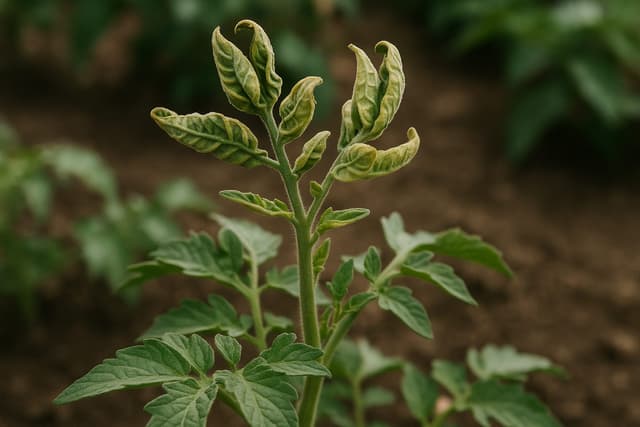
Tomato Leaves Curling? 5 Causes Ranked by How Worried You Should Be
Most tomato leaf curl is harmless heat stress — your plant is fine. Here's a visual diagnosis guide to tell the difference between heat roll, overwatering, herbicide drift, pest damage, and the one cause that means pull the plant immediately (TYLCV virus).
11 min read · Updated 2026-06-12