Why Are My Monstera Leaves Curling? (And How to Fix It)
Monstera leaves curling? Dry soil means thirst or low humidity; wet soil means root rot. Check the soil first — here's the exact cause and fix, plus why new leaves come in curled.
8 min read · Updated 2026-09-16
By PlantFix Editorial Team · Sources: University Extension Programs, USDA, EPA
Why Your Monstera Is Curling (Quick Answer)
A curling Monstera is almost always telling you about water — and the soil tells you which direction the problem runs. If the soil is dry and the leaves are curling inward like a taco, the plant is thirsty or the air is too dry: that's the most common cause indoors, and the leaves usually relax within a day of a proper soak. If the soil is wet and staying wet, and the leaves are curling and yellowing or drooping, the roots are the problem, not the watering can — that's root rot, and watering more makes it worse.
So before anything else, stick a finger two inches into the soil. Bone dry and pulling from the pot edge means underwatering. Soggy days after you last watered means stop and check the roots. One more thing that panics people needlessly: a brand-new Monstera leaf always emerges as a tightly rolled cigar and unfurls over several days — that's normal, not curling. If you're not sure what you're looking at, our plant diagnosis tool reads a photo and narrows it down in seconds.
Quick Diagnosis: Check the Soil, Then Match the Curl
Monstera curling splits cleanly by soil moisture, so start there. Lift the pot and feel the soil, then match what you see to the row below.
| What you see | Most likely cause | First move |
|---|---|---|
| Inward taco curl, soil dry, pot light | Underwatering | Deep soak; leaves relax in hours to a day |
| Edges rolling under, crispy tips, dry air | Low humidity | Run a humidifier; group plants |
| Curling + yellowing/drooping, soil stays wet | Root rot | Stop watering; check the roots |
| Crispy curled edges, white crust on soil | Fertilizer / mineral salt burn | Flush the pot; ease off feeding |
| New leaf comes in tightly rolled | Normal unfurling (or very dry air) | Usually nothing — raise humidity if it stalls |
| Distorted, puckered new growth only | Thrips | Flip leaves; inspect the growing tip |
The reason the soil check works is physical: when a Monstera loses water faster than its roots can resupply, the leaf cells lose turgor (internal pressure) and the leaf rolls to shrink the surface it exposes to the air, slowing moisture loss. Rehydrate it and the pressure — and the flat leaf — comes back. That's also why the wet-soil version is so easy to get backwards.
The Common Cause: Thirst and Dry Air (Dry Soil)
Most curling Monsteras indoors are simply underwatered, under-humidified, or both. Monstera deliciosa likes its top two to three inches of soil to dry out and then a thorough drink — not frequent little sips that never reach the deeper roots. When it goes too long between waterings, the newest and largest leaves curl first because they lose the most moisture.
The fix is a real soak, not a splash: water slowly until it runs from the drainage hole, let it drain, and empty the saucer. If the mix has gone hydrophobic and water runs straight through without wetting it, bottom-water instead — set the pot in a tray of water for 20 to 30 minutes so it wicks up evenly. A properly rehydrated Monstera usually relaxes its curl within hours to a day.
Humidity is the other half. Monstera does best around 50 to 70% humidity, and when the heat comes on in winter and indoor air drops below 40%, the leaf edges roll under and crisp. A small room humidifier is far more effective than misting, which raises humidity for a few minutes and then it's gone. Group your tropicals together and keep the plant clear of heat vents and radiators, which dry the nearest leaves fastest.
"Is My New Leaf Supposed to Be Curled?"
Yes — and this trips up almost every new Monstera owner. Every Monstera leaf emerges as a tightly furled cigar or spear and slowly unrolls over several days into the flat, fenestrated paddle. A single rolled new leaf at the growing tip is healthy new growth, not a curling problem, and there's nothing to fix.
The one time a new leaf needs help is when it stalls — starts to open, then stops and stays partly stuck or crispy at the edges. That's almost always very dry air: the emerging leaf dries out before it can finish unfurling. Bump up the humidity around the plant (a humidifier or a temporary clear cover) and keep the soil evenly moist while that leaf opens. Don't force a stuck leaf apart by hand — you'll tear it. If old, fully-opened leaves are the ones curling, skip this section; that's a water or root issue, covered above and below.
When Curling Means Root Rot (Wet Soil)
This is the version people misread. A Monstera with curling, drooping, yellowing leaves sitting in soil that stays wet for days is usually overwatered, and the instinct to water a sad-looking plant digs the hole deeper. Waterlogged soil pushes the oxygen out, the fine roots suffocate and rot, and rotten roots can't move water even while they're sitting in it. The University of Maryland Extension notes that root rot causes plants to wilt "even when adequate moisture is present in the potting media" — which is exactly why a droopy, wet-soil Monstera gets watered again and pushed further into rot.
Check the stem base and smell the soil. Firm base, earthy smell: probably just needs to dry out — hold off watering and let the top few inches dry. Soft, mushy, or sour-smelling base: unpot it, rinse the roots, cut away everything brown and mushy with sterilized scissors, and repot into a chunky aroid mix (bark, perlite, a little coir) in a pot with a drainage hole. Our full root rot rescue guide walks the save-vs-restart call, and Monstera propagates so readily that a badly rotted one is often a strong candidate for the cut-and-restart route. If the whole plant is yellowing rather than curling, start with our Monstera yellow leaves guide instead.
The Other Causes: Salt Burn, Heat, and Thrips
Once you've ruled water in or out, three culprits remain:
- Fertilizer and mineral salt burn. If you feed heavily and see crispy, curling leaf margins with a white crust on the soil surface, that's salt buildup drawing moisture back out of the roots. Flush the pot with plain water several times to leach the salts, then cut back to a diluted feed during the growing season only.
- Heat and harsh sun. Monstera scorches in direct afternoon sun through a hot window and curls to reduce the light and heat hitting the leaf. Bright indirect light is the target; pull it a few feet back from the glass or filter with a sheer curtain.
- Thrips. If the old leaves are flat but the newest growth comes in twisted and puckered with silvery streaks and tiny black specks, that's thrips — Monstera's large, tender unfurling leaves are a favorite target. Treat the pest; the already-distorted leaf won't straighten, but new growth comes in normal once they're gone.
Will Curled Monstera Leaves Uncurl?
It depends on the cause. Curl from a quick, reversible stress — a thirsty plant or a temporary humidity dip — relaxes once you fix it, often within hours to a day for underwatering. Those leaves recover on their own; there's nothing to cut.
Curl from root rot, salt burn, or thrips damage is different: that tissue is damaged and the leaf usually stays curled or distorted permanently, even after you correct the cause. The plant just puts out normal new leaves going forward. You can trim a badly distorted or crispy leaf for looks, but there's no rush — a leaf that's still mostly green is still feeding the plant. Fix the underlying cause and judge your success by the next leaf, not the damaged one. For the bigger picture across every houseplant symptom, our plant leaves curling guide covers the cross-plant curl-direction differential, and the yellow leaves guide handles discoloration. You'll find the moisture meters and humidifiers we actually recommend on our plant care gear page.
Recommended Products
We earn a commission if you buy through these links, at no extra cost to you. We recommend based on what works, not what pays. How this works.
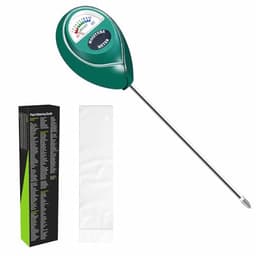
A probe that reads moisture down at the root zone so you can tell a thirsty curl from a root-rot curl without guessing — the two look similar but the fix is opposite. Water only when it reads dry in the lower half of the pot.
$10-$18 · Best for Telling thirst from rot on a curling Monstera
Check price on Amazon →
The most reliable fix for edge-curling and stalled new leaves on Monstera in dry winter air. Holds ambient humidity in the 50%+ range the plant prefers — far better than misting, which fades in minutes.
$25-$45 · Best for Edge-curl and stuck new leaves in dry indoor air
Check price on Amazon →Treatment information on PlantFix is educational. When using any pesticide — including organic options like neem oil or insecticidal soap — read and follow the entire product label; the label is the law. For persistent or high-stakes problems, your local university extension service offers free, region-specific advice. Read about how we source and verify treatment guidance in our Editorial Standards.
FAQ
Will curled Monstera leaves uncurl?▼
If the cause is thirst or low humidity, yes — the leaves usually relax within hours to a day after a thorough soak or a humidity boost, because you've restored the internal pressure that keeps them flat. If the curl comes from root rot, salt burn, or thrips damage, that leaf stays curled permanently, but the plant will grow normal new leaves once you fix the cause. Focus on the next leaf, not the damaged one.
Is my Monstera curling from too much or too little water?▼
Check the soil. Dry soil and a light pot with inward, taco-shaped curl means too little water — soak it thoroughly and it should relax within a day. Soil that stays wet for days with curling that's paired with yellowing or drooping means too much water and likely root rot — stop watering and check the roots for soft, mushy, brown tissue. The soil moisture is the tiebreaker.
Why is my new Monstera leaf curled and not opening?▼
A new Monstera leaf always emerges as a tightly rolled cigar and unfurls over several days — a single rolled leaf at the growing tip is normal, not a problem. If it starts to open and then stalls or crisps at the edges, the air is too dry: the leaf is drying out before it can finish. Raise the humidity around the plant and keep the soil evenly moist while it opens, and never pull a stuck leaf apart by hand.
Related
- Plant Leaves Curling? 7 Causes and the Fix for Each →
- Monstera Yellow Leaves: 7 Causes and the Fix for Each →
- Yellow Leaves on Plants: Every Cause & How to Fix It →
- How to Fix an Overwatered Plant (Root Rot Rescue) →
- Thrips on Houseplants: How to Identify and Finally Get Rid of Them →
- Spider Mites: Identification, Treatment & Prevention Guide →
- White Spots on Plant Leaves: 6 Causes and How to Fix Each →
Plants Commonly Affected
Not sure what's wrong?
Use the diagnosis tool →Get seasonal plant care reminders and pest alerts.