Squash Vine Borer: Save a Wilted Plant (Surgical Rescue)
Squash plant wilted overnight? A vine borer's inside the stem. Here's the surgical rescue (70% success) plus how to prevent borers with row covers.
11 min read · Updated 2026-08-25
By PlantFix Editorial Team · Sources: University Extension Programs, USDA, EPA
How to Save a Plant from Squash Vine Borers (Quick Answer)
If your squash or zucchini plant wilted suddenly and you see a small hole at the base of the stem with orange sawdust-like material (frass), a squash vine borer larva is inside. You can save the plant with stem surgery: slit the stem lengthwise with a clean razor blade starting at the entry hole, find and remove the white caterpillar, then bury the wounded stem section in moist soil. The stem re-roots at buried nodes. Success rate is roughly 70% if you catch it within a few days of the first wilt.
This is NOT the same pest as squash bugs — vine borers are inside the stem (you can't see them), while squash bugs are on the leaves and stems (visible). Confusing the two means applying the wrong treatment. Use the diagnosis tool if you're not sure which you have.
Squash Vine Borer Identification: The Adult Moth, the Larva & the Damage Signs
The squash vine borer (Melittia cucurbitae) has three forms you might encounter, and only one of them looks like what you'd expect a garden pest to look like.
The adult moth: This is the form most people never connect to their dead squash plants. The squash vine borer moth looks like a wasp, not a moth — bright orange-red abdomen, black wings, and it flies during the daytime. Most moths are nocturnal and drab-colored; this one is colorful and active in broad daylight. If you see a wasp-like insect hovering around the base of your squash stems in June, that's the adult laying eggs.
The eggs: Tiny (1mm), flat, oval, reddish-brown. The female deposits them singly at the base of squash stems, usually within the first 6 inches above soil level. Finding eggs before they hatch is the best-case scenario — scrape them off with your fingernail. Check the base of your squash stems daily starting in early June.
The larva: This is what's killing your plant. A white or cream-colored caterpillar with a brown head, up to 1 inch long. It hatches from the egg, immediately bores into the stem, and feeds on the inside tissue for 4-6 weeks. You'll never see it unless you split the stem open.
Damage signs (in order of appearance):
- Frass at the stem base: Orange or yellow sawdust-like material oozing from a small hole at the base of the stem. This is the larva's excrement being pushed out of the tunnel. If you see this, there's a borer inside RIGHT NOW.
- Wilting during midday heat: The plant wilts in afternoon sun but recovers at night. This happens because the larva has partially blocked water transport in the stem but hasn't severed it completely yet. This is the stage where surgical rescue works best.
- Permanent wilt: The plant wilts and doesn't recover overnight. The larva has destroyed enough stem tissue that water can't reach the leaves. Surgical rescue is less likely to succeed at this stage, but still worth trying.
- Stem collapse: The hollow, tunneled stem collapses and the vine above it dies. At this point, the plant is lost.
The Surgical Rescue: Step-by-Step Vine Borer Removal
This technique sounds dramatic, but it's standard practice among experienced squash growers. Bonnie Plants, Clemson Extension, and multiple garden educators recommend it. I've personally saved plants this way — it works about 70% of the time when done within a few days of the first wilt.
What you need:
- A clean, sharp razor blade or craft knife (sterilize with rubbing alcohol)
- Tweezers or a toothpick
- Moist soil or compost to mound over the wound
- Water
Step 1: Find the entry point. Look for the hole with orange frass at the stem base. The borer entered here and tunneled upward (away from the roots).
Step 2: Slit the stem. Starting at the entry hole, make a shallow lengthwise cut up the stem. Go slowly — you're cutting through the outer stem wall to expose the tunnel inside. Cut UPWARD, away from the roots, to avoid damaging the root connection.
Step 3: Find the larva. Open the slit gently. You'll see the tunnel — a hollow, discolored channel through the stem interior. The white caterpillar is in there. There may be more than one — check the entire tunnel length. Use tweezers to remove each larva, or crush them inside the stem with a toothpick.
Step 4: Bury the wound. Gently close the stem and mound moist soil or compost over the entire wounded section. Squash vines have the ability to send out new roots from buried nodes — by covering the damaged section, you're giving the plant a way to re-establish water transport around the damaged area.
Step 5: Water and support. Water the mounded area thoroughly. Keep the soil around the buried section consistently moist for the next week. If the plant had started wilting, it should begin recovering within 24-48 hours if the surgery was successful.
Alternative: Bt injection method. Instead of slitting the stem, you can inject Bt (Bacillus thuringiensis var. kurstaki) directly into the stem near the entry hole using a small syringe or dropper. Squeeze a few milliliters of diluted Bt solution into the tunnel, then pinch the hole shut and mound soil over it. The larva ingests the Bt as it feeds and dies within 48 hours. This is less invasive than cutting but takes longer to work.
When NOT to attempt surgery:
- The stem has already collapsed and gone mushy
- The wilt has persisted for more than 5-7 days
- Multiple borers have tunneled through the majority of the stem
- In these cases, remove the plant, inspect the stem to find and kill all larvae, and replant with a resistant variety if your season is long enough.
Vine Borer vs. Squash Bug: The Confusion That Kills Gardens
This is the most common and consequential pest mix-up in vegetable gardening. Squash vine borers and squash bugs attack the same plants but in completely different ways — and the treatments don't overlap.
Squash vine borer:
- Larva is INSIDE the stem — you can't see it
- Causes sudden, dramatic wilt (looks like the plant died overnight)
- Entry sign: orange frass at stem base
- Adult is a colorful, wasp-like moth that flies by day
- Treatment: stem surgery, Bt injection, prevention with row covers
Squash bug (Anasa tristis):
- Adults and nymphs are ON the outside of leaves and stems — visible
- Causes gradual yellowing and browning of leaves (not sudden wilt)
- Eggs are bronze/copper-colored clusters on leaf undersides
- Adult is a flat, shield-shaped brown bug about 5/8 inch long
- Treatment: hand-pick, crush egg clusters, insecticidal soap, neem oil
The critical diagnostic: Did the plant wilt suddenly? Check the stem base for a hole and orange frass. If yes → vine borer. Is the plant yellowing gradually with visible bugs on the leaves? → Squash bug.
Many gardeners have both pests simultaneously, especially on summer squash and zucchini. If you're fighting both, see our squash bug guide for the leaf/stem pest treatment, and use this guide for the internal stem borer.
Prevention: Stop Vine Borers Before They Get Inside
Once a borer is inside the stem, your options are surgery (invasive) or losing the plant. Prevention is dramatically easier and more effective than treatment.
1. Row covers from planting until flowering (most effective)
Cover squash plants with lightweight floating row cover or fine insect netting immediately at planting. This physically prevents the adult moth from reaching stems to lay eggs. Remove the row cover when plants begin flowering so pollinators can access the blooms — by this time in many regions, the primary vine borer flight has peaked. In areas with multiple generations, you may need to hand-pollinate and keep covers on longer.
2. Aluminum foil stem wraps
Wrap a 4-inch strip of aluminum foil around the base of each squash stem when plants have 2-3 true leaves. Extend the foil slightly below the soil surface. The foil barrier prevents the moth from laying eggs on the most vulnerable section of stem. Simple, free, and surprisingly effective for such a low-tech solution.
3. Succession planting (the late-season strategy)
Vine borer moths have one primary flight in most northern regions (June-July). Plant a second succession crop of squash in early-to-mid July, after peak moth flight. The late crop often escapes borer damage entirely and produces fruit into fall. In southern regions with two borer generations, time the second planting between flights.
4. Daily egg scouting
Starting in early June, check the base of every squash stem daily. Look for tiny reddish-brown, flat eggs. Scrape them off with your fingernail before they hatch (eggs hatch in 7-10 days). This is tedious but effective for small gardens — 5 minutes a day can prevent the entire problem.
5. Crop rotation
Don't plant squash family crops (cucurbits) in the same bed two years running. Vine borer pupae overwinter in the soil where the previous year's squash grew. Rotating to a different bed forces emerging adults to fly further to find host plants, reducing the local population over time.
6. Bury extra vine nodes
As squash vines grow, periodically mound soil over leaf nodes along the vine. The plant roots at each buried node, creating backup water pathways. If a borer attacks the main stem, the secondary root points can keep vine sections alive beyond the damage zone. Think of it as building redundancy into the plant's plumbing.
Borer-Proof Squash Varieties (C. moschata Is the Answer)
Not all squash species are equally vulnerable. This is the single most important piece of information for gardeners who've lost plants to vine borers year after year: switch to C. moschata varieties.
Squash falls into three main species:
- C. pepo (zucchini, yellow squash, acorn squash, most pumpkins) — HIGHLY susceptible. Soft, hollow stems that borers tunnel through easily.
- C. maxima (Hubbard, buttercup, kabocha) — Moderately susceptible.
- C. moschata (butternut, Tromboncino, cheese pumpkins) — RESISTANT to near-immune. Dense, solid stems that borers can't bore into.
This isn't folklore — it's stem anatomy. C. moschata varieties have dense, fibrous, solid stems compared to the hollow, succulent stems of C. pepo. The borer larva physically can't tunnel through the hard tissue.
Best borer-resistant varieties:
Butternut squash (all cultivars): The most widely available C. moschata variety. Dense stems, productive, stores for months. If you're losing zucchini to borers every year, butternut is the straightforward swap for winter squash.
Tromboncino (a.k.a. zucchetta): This Italian heirloom is C. moschata and tastes like zucchini when harvested young. It grows as a vigorous vine (give it a trellis), and the solid stems make it effectively borer-proof. Clemson Extension specifically recommends Tromboncino for gardens with chronic vine borer problems. This is the closest you'll get to a borer-proof summer squash substitute.
Long Island Cheese pumpkin: C. moschata pumpkin with a flat, ribbed shape. Great for pies and cooking. Naturally borer-resistant.
Seminole pumpkin: A C. moschata landrace variety from Florida with exceptional pest resistance and vigor. It roots aggressively at nodes, giving it extra resilience even if some stem damage occurs.
Korean zucchini (Aehobak): C. moschata varieties that produce summer squash-style fruit. Solid stems provide borer resistance while giving you the zucchini-like harvest you want. Increasingly available from specialty seed catalogs.
If you keep growing C. pepo (traditional zucchini, yellow squash, pumpkins), accept that vine borers are part of the deal and use the prevention methods above. If you're tired of the fight, switch to C. moschata and the problem largely disappears.
Recommended Products
We earn a commission if you buy through these links, at no extra cost to you. We recommend based on what works, not what pays. How this works.
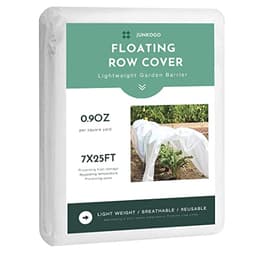
Lightweight fabric barrier that lets in light, water, and air while excluding vine borer moths and other flying pests. Cover squash plants at planting and remove when flowering begins for pollination. The most effective prevention method when used consistently.
$15-$30 · Best for Physical exclusion of vine borer moths — the most effective single prevention method
Check price on Amazon →Biological caterpillar control that can be injected into squash stems near borer entry holes. The larva ingests Bt as it feeds and dies within 48 hours. Also works as a spray for cabbage worms and other caterpillar pests. Organic and non-toxic to beneficial insects.
$12-$18 · Best for Non-surgical vine borer rescue — inject into the stem tunnel instead of cutting
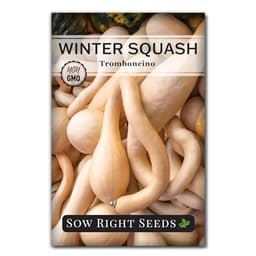
Italian heirloom C. moschata variety with borer-proof solid stems that tastes like zucchini when harvested young. Vigorous vine — give it a trellis or fence. The practical solution for gardeners tired of fighting vine borers every summer. One plant produces abundantly.
$4-$8 · Best for Eliminating the vine borer problem entirely by growing a resistant squash variety
Check price on Amazon →Treatment information on PlantFix is educational. When using any pesticide — including organic options like neem oil or insecticidal soap — read and follow the entire product label; the label is the law. For persistent or high-stakes problems, your local university extension service offers free, region-specific advice. Read about how we source and verify treatment guidance in our Editorial Standards.
FAQ
Can you save a plant with vine borers?▼
Yes, in about 70% of cases when caught early. Slit the stem lengthwise with a clean razor blade to find and remove the white caterpillar inside, then bury the wounded stem section in moist soil. The stem re-roots at buried nodes and restores water transport. This works best within a few days of the first wilt — if the stem has collapsed completely, the plant is likely too far gone.
When do squash vine borers lay eggs?▼
Adult moths emerge in June in most regions and lay eggs for 4-6 weeks through mid-July. In the South, there can be a second generation in August-September. The moths are active during the day (unusual for moths) and lay tiny reddish-brown eggs singly at the base of squash stems. Check stems daily starting in early June and scrape off any eggs you find.
Do vine borers attack cucumbers?▼
Squash vine borers strongly prefer squash and pumpkin (Cucurbita species). Cucumbers (Cucumis sativus) are rarely affected — they're a different genus despite being in the same cucurbit family. Melons are occasionally attacked but much less commonly than squash. If your cucumber vines are wilting, the problem is more likely bacterial wilt from cucumber beetles or drought stress.
What does vine borer damage look like?▼
The telltale sign is orange or yellow sawdust-like material (frass) oozing from a small hole at the base of the squash stem. The plant wilts suddenly — often fine one evening and wilted the next morning. If you slit the stem open at the frass location, you'll find a white caterpillar with a brown head tunneling inside. The frass and sudden wilt together are definitive — no other squash pest causes this combination.
Are butternut squash resistant to vine borers?▼
Yes. All butternut squash varieties belong to the species C. moschata, which has dense, solid stems that vine borer larvae can't tunnel through. This is the most practical solution for gardeners who lose plants to borers every year — switch from zucchini (C. pepo, highly susceptible) to butternut or another C. moschata variety like Tromboncino for a borer-proof garden.
Related
- Squash Bugs: The Week-by-Week Battle Plan to Save Your Garden →
- Cabbage Worm vs Cabbage Looper vs Diamondback Moth: 3-Way ID + Organic Treatment →
- Cucumber Beetle: Spotted vs Striped ID + Deadly Wilt →
- Tomato Hornworm ID: Kill It — Unless It Has White Cocoons →
- Insecticidal Soap: What It Actually Kills (Including Spider Mites), DIY Recipe & Why Dawn Is Wrong →
- Plant Bugs: Identify Any Bug on Your Plant in 30 Seconds →
- Neem Oil for Plants: Complete Guide to Using It Effectively →
- Garden Pest Identification: 25+ Bugs by the Damage They Do →
Not sure what's wrong?
Use the diagnosis tool →Get seasonal plant care reminders and pest alerts.