Leaf Footed Bug vs Assassin Bug: How to Tell Them Apart (And Not Kill the Wrong One)
12 min read · Updated 2026-06-04
big brown bug with leaf-shaped legs on my tomatoes
Leaf-footed bug — probably.
Check it's not an assassin bug before you squish.
- Damage
- Spotted fruit
- Spreads?
- Across the bed
- Kills plant?
- No
Do this in the next 5 minutes
Look at the hind legs before killing anything
Leaf-footed bugs have flat, leaf-shaped flares on their back legs and a white zigzag across the wings — they're the fruit-spotters. Assassin bugs have plain legs and a thick curved beak, and they're on your side, eating the actual pests. Ten seconds of looking prevents the classic mistake.
What kills them
- Likely at home
Hand-picking into soapy water
Before 9am while they're cold and slow. Knock clusters straight into a bucket of soapy water — a tablespoon of dish soap per gallon does it.
- Likely at home
Removing egg strands
Golden-brown rope-like rows of eggs along stems and leaf midribs, easily rolled off between finger and thumb into the same soapy bucket.
- $15–30
Over young plants before fruit sets, sealed at the edges. What can't reach the tomatoes can't spot them.
- $20–35
A fine clay film that makes fruit unrecognizable and irritating to them, without poisoning anything. Rinses off at harvest.
Confirm before you treat
- Flattened leaf-like flares on the hind legs — the namesake
- A narrow white zigzag band across the folded wings
- Orange-red spidery nymphs clustered on fruit in summer
Failure point · Late summer
Spraying the armored adults
Adults shrug off most sprays that are safe to use on food crops — the vulnerable stage is the orange nymph cluster, which soap or neem handles easily. Time any spraying to the nymphs, and rely on morning hand-picking for the grown-ups.
These are nymphs. Adults are larger and grey-brown, with the flattened leaf-shaped hind legs the name comes from.
By PlantFix Editorial Team · Sources: University Extension Programs, USDA, EPA
Leaf Footed Bug vs Assassin Bug: 5-Second ID
If you found a large brown bug in your garden and need to know whether to kill it or leave it alone, check the hind legs. Leaf footed bugs have a flat, leaf-shaped plate on their hind legs — no other common garden bug has this. Assassin bugs never have this feature at any life stage. That one detail is the fastest way to tell them apart.
Leaf footed bugs are pests — they pierce tomatoes, squash, citrus, and pecans with needle-like mouthparts and suck out juices, leaving dimpled or scarred spots. Assassin bugs are beneficial predators that eat leaf footed bugs, aphids, caterpillars, and other garden pests. Killing an assassin bug removes free pest control from your garden. Every year, gardeners make this mistake.
Other quick differences: leaf footed bug nymphs cluster in groups on stems and fruit. Assassin bug nymphs are solitary hunters — if you see a single reddish nymph prowling by itself, it's probably an assassin bug. Leave it alone. Still not sure? Work through our diagnosis tool for instant confirmation.
Identification Guide: Adults, Nymphs, and Eggs
Adults are 18-21mm (roughly 3/4 inch) long with narrow, brown bodies. The easiest ID feature is the hind legs — look for a wide, flattened, leaf-like plate on the lower leg (tibia). No other common garden bug has this feature. They fly well and produce a strong, unpleasant odor when handled or crushed, similar to stink bugs.
There are several species across North America. The eastern leaf footed bug (Leptoglossus phyllopus) has a straight white or yellowish bar across its back and is the most common in the Southeast. The western leaf footed bug (Leptoglossus zonatus) has two yellow spots just behind the head and dominates in California. The giant leaf footed bug (Acanthocephala declivis) is a bruiser at 28-34mm (over an inch) — it's noticeably larger with a broadly expanding pronotum that makes it look like it's wearing shoulder pads. Despite its intimidating size, the giant is actually less of a crop pest than the smaller species.
Nymphs go through five stages over 25-30 days. Early instars are bright reddish-orange with dark legs — they're sometimes mistaken for assassin bug nymphs or beneficial insects. As they mature, they darken toward brown and gray. The leaf-shaped leg expansion doesn't appear until the final (5th) instar, which makes young nymphs harder to identify. One helpful clue: leaf footed bug nymphs cluster together on host plants. Assassin bug nymphs are solitary hunters.
Eggs are golden-brown, roughly cylindrical, about 1.8mm long, and laid in a single row or chain along stems or leaf midribs — they look like a tiny chain of barrels end-to-end. A single overwintering female can lay over 200 eggs during a two-month spring period. Eggs hatch in 5-7 days.
Leaf Footed Bug vs Assassin Bug: Don't Kill the Wrong One
This is the most expensive mistake gardeners make with these bugs. Assassin bugs (family Reduviidae) are predators that actively hunt and eat leaf footed bugs, aphids, caterpillars, and other garden pests. Killing them removes free pest control from your garden.
The fastest way to tell them apart: check the beak. Leaf footed bugs have a thin, 4-segmented rostrum (beak) designed for piercing plant tissue. Assassin bugs have a thick, curved, 3-segmented beak built for stabbing prey. If you can see the bug's underside, the assassin bug's beak looks like a short, curved dagger. The leaf footed bug's beak is thinner and straighter.
Body shape helps too. Assassin bugs tend to be more robust and stocky. Leaf footed bugs are more elongated and narrow. And the namesake feature: adult leaf footed bugs have those distinctive leaf-like leg expansions. Assassin bugs never do, at any life stage.
Nymphs are where the confusion gets dangerous. Both can be reddish-orange when young. The key: leaf footed bug nymphs cluster in groups on stems and fruit. Assassin bug nymphs are solitary — if you see a single reddish nymph prowling around by itself, it's probably hunting, not feeding. Leave it alone.
Eggs differ too. Leaf footed bug eggs are golden-brown and arranged in straight chains along stems. Assassin bug eggs are barrel-shaped, grouped together, and often have distinctive white cone-shaped tops. If you're still unsure, take a photo and use our plant diagnosis tool — it's exactly this kind of confusion that the tool was built for.
What Damage Do Leaf Footed Bugs Actually Cause?
Leaf footed bugs feed by inserting their piercing-sucking mouthparts into fruit, injecting digestive saliva, and extracting plant juices. The saliva causes tissue breakdown at the feeding site, which creates visible damage as the fruit develops.
Tomatoes get the most noticeable damage. You'll see yellow, hardened spots at puncture sites. Cut one open and the tissue below the skin looks corky, spongy, and whitish. Small or immature tomatoes can abort entirely from a single feeding session. On nearly-ripe fruit, the cosmetic damage is often minor — annoying but edible.
Citrus damage is sneakier. Large fruit often shows no external rind damage at all, but inside, the juice sacs at the puncture site are desiccated and dry. Young citrus fruit develops sunken, discolored areas and may drop prematurely. Secondary rot pathogens enter through the puncture wounds — a preventive copper fungicide spray on citrus with active feeding damage can reduce these secondary infections.
Pecan growers have it worst. Before the shell hardens, a single feeding puncture causes "black pit" — the ovary wall gets pierced, and the nut aborts within 3-4 days, dropping off the tree. After shell hardening, feeding creates "kernel spot" — black marks on the kernel that make the nut bitter and unmarketable. According to Oklahoma State University, populations peak during September-to-shuck-split, which is exactly when damage potential is highest.
They also feed on squash, beans, peppers, eggplant, okra, watermelon, peaches, plums, pomegranates, and almonds. In squash and cucurbits, they suck sap from stems and tender fruit, causing yellowing and desiccation — though squash bugs (Anasa tristis) are a much bigger problem on those crops. Other common vegetable garden pests include tomato hornworms, cucumber beetles, cabbage worms, flea beetles, and armyworms (caterpillars that can destroy lawns overnight). If your tomato plants are also showing curling leaves, that's usually stress-related and separate from feeding damage. If you're seeing a much larger wasp-like insect (1.5-2 inches) digging burrows near your garden, that's likely a cicada killer wasp — intimidating but essentially harmless to people.
Lifecycle and Timing: When to Watch for Them
Understanding the lifecycle is the key to effective control, because timing matters more than product choice.
Adults overwinter in aggregations — woodpiles, barns, under peeling bark, tree cracks, palm fronds, even inside buildings. They survive from September/October through March/April. Populations are highest after mild winters because more adults survive to reproduce. A hard freeze is free pest control.
Spring emergence happens when temperatures warm up, typically March-April in southern states, April-May further north. Adults fly to host plants, mate, and females begin laying eggs. A single overwintering female produces over 200 eggs across a two-month laying period.
Eggs hatch in 5-7 days. Nymphs develop through five instars over 25-30 days. By late June, all life stages are present simultaneously — overwintering adults are still alive alongside first-generation offspring that are already becoming adults themselves.
In warmer regions, 2-3 generations can develop during spring and summer. Populations build progressively, typically peaking mid-August through harvest. By fall, all individuals develop to adulthood and seek overwintering sites.
The control window: target nymphs, not adults. This is the single most important timing decision. Nymphs (especially first and second instars) are soft-bodied and highly vulnerable to insecticidal soap, neem oil, and other treatments. Adults are armored, fast-flying, and resistant to most contact insecticides. Texas A&M AgriLife IPM specialist Molly Keck emphasizes catching them before adulthood as the critical strategy.
How to Get Rid of Leaf Footed Bugs
Start with the least aggressive option that matches your infestation size. Most home gardeners can manage leaf footed bugs with the first two methods alone.
Hand-picking is the most effective single method. Leaf footed bugs are sluggish in early morning when temperatures are cool — pick them off and drop them into a bucket of soapy water. Check under leaves, on fruit, and along stems. Texas A&M's 2025 recommendation includes the rubbing alcohol tray method: pour rubbing alcohol into a baking sheet, hold it under nymph clusters, and flick or shake the plant to knock bugs into the tray. Quick and effective.
Neem oil works well against soft-bodied nymphs. Mix according to label directions (typically 2-4 tablespoons per gallon of water with a drop of dish soap as emulsifier). Spray directly on nymphs — neem requires contact to work. It acts as both a contact killer and a growth disruptor. Apply early morning or evening to avoid leaf burn. Reapply every 7-10 days. Neem is much less effective on hard-shelled adults.
Insecticidal soap is another solid option for nymphs. Direct contact required — spray undersides of leaves where nymphs congregate. Minimal impact on beneficial insects once dry.
Row covers and netting over vegetable beds physically exclude adults from reaching plants. Install at planting time. This is the best prevention method for gardens with recurring problems.
Trap crops are a clever organic strategy. Sunflowers are highly attractive to leaf footed bugs. Plant them 15-20 feet from your main garden to draw bugs away from your tomatoes and squash. Monitor the trap crop and hand-pick the concentrated bugs.
Fall cleanup removes overwintering sites. Clear garden debris, move woodpiles away from the garden, remove dead plant material, and clean under peeling bark on nearby trees. According to UC IPM, populations crash after hard winters — you can help that along by eliminating sheltered overwintering habitat.
Chemical options (last resort): Permethrin and bifenthrin are the most effective pyrethroids for home garden use. Bifenthrin is less likely to trigger secondary pest outbreaks (spider mites, aphids). Apply in early morning when insects are sluggish and bees aren't active. Target nymphs — adults resist most insecticides. Reapply every 7-10 days during heavy infestations.
Biological control matters too. The native egg parasitoid wasp Gryon pennsylvanicum can significantly reduce populations if you avoid broad-spectrum insecticides that kill it. Tachinid flies (Trichopoda pennipes) parasitize large nymphs and adults. And of course, assassin bugs prey on leaf footed bugs — another reason not to kill them.
Do Leaf Footed Bugs Bite People?
The short answer: they're plant feeders, not blood feeders, and they don't seek out humans to bite.
The nuanced answer: they have piercing mouthparts, and anecdotal reports exist of defensive pokes when bugs are handled or accidentally stepped on barefoot. If one does pierce your skin, it causes a brief sharp or burning pain, localized redness, and a red mark that may take a few weeks to fade. It's uncomfortable but medically insignificant — they're not venomous.
Important distinction: don't confuse leaf footed bugs with kissing bugs (Triatoma species). Kissing bugs are blood-feeding insects that can transmit Chagas disease. They're flatter, have distinctly banded edges on the abdomen, and lack the leaf-like hind leg expansions. If you're finding bugs that bite you at night, that's not a leaf footed bug — see a pest control professional.
Recommended Products
We earn a commission if you buy through these links, at no extra cost to you. We recommend based on what works, not what pays. How this works.
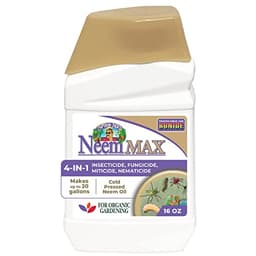
Effective contact killer and growth disruptor for soft-bodied nymphs. Mix 2-4 tablespoons per gallon of water with a drop of dish soap. Apply to nymph clusters on leaf undersides and stems. Less effective on hard-shelled adults. OMRI-listed for organic gardens.
$10-$18 · Best for Treating leaf footed bug nymphs before they reach adulthood
Check price on Amazon →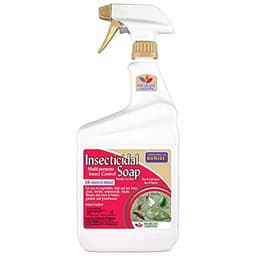
Kills soft-bodied insects on contact by disrupting cell membranes. Spray directly on nymphs — must make contact to work. Safe for vegetables up to day of harvest. Minimal impact on beneficial insects once the spray dries.
$8-$14 · Best for Quick knockdown of nymph clusters on edible crops
Check price on Amazon →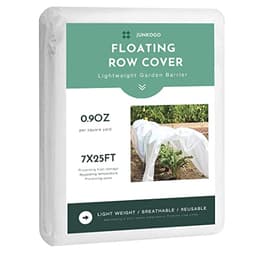
Spun-bond polypropylene fabric that physically excludes adult leaf footed bugs from reaching plants. Transmits 85%+ of light and allows rain through. Install at planting and remove when plants need pollination. The most reliable prevention method for gardens with recurring infestations.
$15-$30 · Best for Preventing leaf footed bug infestations before they start
Check price on Amazon →Treatment information on PlantFix is educational. When using any pesticide — including organic options like neem oil or insecticidal soap — read and follow the entire product label; the label is the law. For persistent or high-stakes problems, your local university extension service offers free, region-specific advice. Read about how we source and verify treatment guidance in our Editorial Standards.
FAQ
What does a leaf footed bug look like?▼
Leaf footed bugs are 3/4 to 1 inch long, dark brown, with a distinctive flattened, leaf-like expansion on their hind legs. The eastern species (Leptoglossus phyllopus) has a white bar across its back. Nymphs are bright reddish-orange when young and darken as they mature. The leaf-shaped leg expansion only appears at the final nymph stage.
Are leaf footed bugs harmful to plants?▼
Yes. They pierce fruit and vegetables with sucking mouthparts, causing dimpled spots on tomatoes, internal brown spots on pecans, and premature fruit drop on citrus. Small or immature fruit can abort entirely from feeding damage. A few bugs cause cosmetic damage; a colony can ruin a significant portion of your harvest.
What is the difference between a leaf footed bug and an assassin bug?▼
Leaf footed bugs eat plants; assassin bugs are beneficial predators that eat pests. Fastest ID: leaf footed bugs have leaf-shaped hind leg expansions (assassin bugs never do), a thinner 4-segmented beak (assassin bugs have a thick, curved 3-segmented beak), and nymphs that cluster in groups (assassin bug nymphs are solitary hunters).
Do leaf footed bugs bite humans?▼
Rarely. They're plant feeders, not blood feeders. An accidental defensive poke from their piercing mouthparts can cause brief pain and a red mark, but it's not venomous or medically significant. Don't confuse them with kissing bugs (Triatoma), which are actual blood feeders that can transmit Chagas disease.
How do I get rid of leaf footed bugs on tomatoes?▼
Hand-pick in early morning when they're sluggish — drop into soapy water. Spray nymphs with neem oil or insecticidal soap (direct contact needed). Use row covers as a barrier. Plant sunflowers as a trap crop 15-20 feet from your garden. Clean up fall debris to eliminate overwintering sites. Target nymphs, not adults — adults resist most insecticides.
What attracts leaf footed bugs?▼
They're attracted to ripening fruit and seed pods. Tomatoes, squash, citrus, pecans, pomegranates, beans, and peppers are prime targets. Adults overwinter in sheltered spots — woodpiles, tree bark, garden debris — and fly to host plants when temperatures warm in spring. Reducing overwintering habitat near your garden reduces spring populations.
Related
- Plant Bugs: Identify Any Bug on Your Plant in 30 Seconds →
- Neem Oil for Plants: Complete Guide to Using It Effectively →
- Potato Bug Pictures: 3 Insects, 1 Confusing Name (ID Guide) →
- Tiny Red Bugs: Clover Mites, Spider Mites & How to ID Them →
- Squash Bugs: The Week-by-Week Battle Plan to Save Your Garden →
- Tomato Hornworm ID: Kill It — Unless It Has White Cocoons →
- Cucumber Beetle: Spotted vs Striped ID + Deadly Wilt →
- Cabbage Worm vs Cabbage Looper vs Diamondback Moth: 3-Way ID + Organic Treatment →
- Flea Beetle: The Jumping Test, Crop-by-Crop Species Guide, and Why Seedlings Die in 48 Hours →
- Insecticidal Soap: What It Actually Kills (Including Spider Mites), DIY Recipe & Why Dawn Is Wrong →
- Earwig Pictures: What They Look Like & How to Get Rid of Them →
- Cicada Killer Wasp: Not a Murder Hornet (ID Guide + Yard Management) →
- Garden Pest Identification: 25+ Bugs by the Damage They Do →
Not sure what's wrong?
Use the diagnosis tool →Get seasonal plant care reminders and pest alerts.