Gnats vs Fruit Flies: How to Tell the Difference in 10 Seconds
12 min read · Updated 2026-06-04
gnats or fruit flies — which do I have?
Check the eyes and the hangout.
Ten seconds to tell, and the treatments are opposites.
- Tell apart in
- 10 seconds
- Red eyes?
- Fruit fly
- On the soil?
- Fungus gnat
Do this in the next 5 minutes
Watch where they land
Fruit flies orbit fruit, the sink and the bin, and have stout tan bodies with red eyes. Fungus gnats rise off houseplant soil when you water, and are slender, dark and mosquito-like. Thirty seconds of watching settles it.
What kills them
- Likely at home
The vinegar-jar test
An ACV trap overnight is also a diagnostic: it fills with fruit flies and mostly ignores fungus gnats. What's in the jar tells you what you have.
- Likely at home
For fruit flies: remove the food
Ripe fruit to the fridge, bin emptied, drains flushed with boiling water or an enzyme cleaner. No fermenting food, no fruit flies — usually within a week.
- Likely at home
For fungus gnats: dry the soil
Let the top inch dry between waterings and the breeding stops. Pair with a peroxide drench (1:4 with water) for the larvae already there.
- $8–15
The fungus gnat endgame if drying alone doesn't finish it — a soil bacterium that kills the larvae specifically.
Confirm before you treat
- Red eyes, rounded tan body, drawn to fruit = fruit fly
- Dark, slender, dangly legs, rises from potting soil = fungus gnat
- Kitchen infestation = almost always fruit flies; plant shelf = gnats
Failure point · Day 3
Treating the wrong fly
Fruit fly treatment is sanitation; fungus gnat treatment is soil. Do the wrong one and you'll make zero progress while the real population doubles. Ten seconds of ID first saves two weeks of wasted effort.
Allocca, Mariateresa & Zola, Sheri & Bellosta, Paola (CC BY 3.0)
By PlantFix Editorial Team · Sources: University Extension Programs, USDA, EPA
How to Tell Gnats from Fruit Flies
Check the eyes. Fruit flies have large, distinctive red or dark-red eyes that are visible without magnification. Fungus gnats have tiny dark eyes you can barely see. That single detail is the most reliable way to tell them apart in under 10 seconds — and getting it right matters, because the treatments are completely different.
Fruit flies are round, tan, and hover near ripe fruit, trash cans, and drains. Fungus gnats are slender, dark gray to black, and hover near your houseplant's soil. Using fruit fly solutions (vinegar traps) on fungus gnats won't do anything useful because you're targeting the wrong breeding site. And using gnat solutions (soil drenches) for a fruit fly problem means you're treating plants that aren't the source.
About 60% of people I see asking for help online have the wrong identification — they're treating gnats like fruit flies or vice versa, wondering why nothing works. This guide gives you the definitive ID test, a product-by-product treatment matrix, and covers the third option most people forget: drain flies.
The 10-Second Eye Test
Get within a few inches of the bug (or trap one against a window) and look at its eyes. This works without a magnifying glass.
Big, obvious, red or reddish-brown eyes → fruit fly. The eyes of Drosophila melanogaster are proportionally enormous compared to its head and have a distinctive brick-red color. You can spot them from 6 inches away. Once you've seen them, you won't confuse them again.
Small, dark, barely visible eyes → fungus gnat. Their eyes are tiny and black, almost hidden against their dark head. Even up close, the eyes don't stand out.
If the eyes are dark BUT the bug has fuzzy, moth-like wings and rests in a tent shape → drain fly. Not a gnat, not a fruit fly. Different pest entirely.
Still not sure? Here are two backup tests:
The location test: where does it hover? Fungus gnats stay close to plant soil. Fruit flies orbit the fruit bowl, trash can, recycling bin, or sink. If you're standing between your plants and your kitchen, the direction they fly tells you what they are.
The trap test: set up two traps side by side overnight. A small cup of apple cider vinegar with a drop of dish soap catches fruit flies. A yellow sticky card at soil level catches fungus gnats. Check both the next morning — the trap with more catches confirms your pest. This also tells you if you've got both, which happens more often than people expect.
Side-by-Side: Every Difference That Matters
Here's everything you need to compare fungus gnats and fruit flies at a glance.
Size: both are roughly 1/8 inch (2-3mm). Size alone won't help you distinguish them.
Body color: fungus gnats are dark gray to black. Fruit flies are tan, yellowish-brown, or light brown with a darker rear end.
Body shape: fungus gnats are slender and elongated with long, dangling legs — they look like miniature mosquitoes. Fruit flies are round and stocky — like shrunken house flies.
Eyes: fungus gnats have tiny, dark eyes. Fruit flies have large, bright red eyes.
Wings: fungus gnats have long, clear wings proportional to their body. Fruit flies have shorter, broader wings.
Flight pattern: fungus gnats are weak, erratic fliers that zigzag close to soil surfaces and often run across surfaces rather than fly when disturbed. Fruit flies are stronger, more deliberate fliers that hover and zip away quickly when you swat at them.
Breeding site: fungus gnats lay eggs in moist potting soil rich in organic matter. Fruit flies lay eggs on fermenting or overripe produce, in drain sludge, and on any moist organic material that's decomposing.
Plant damage: fungus gnat larvae feed on plant roots in the soil — they can damage seedlings and young plants. Fruit flies do not damage plants in any way.
Lifecycle: fungus gnats complete a generation in about 3-4 weeks. Fruit flies are faster at 8-10 days from egg to adult.
Key treatment: fungus gnats need soil management — BTI drenches, drying soil, yellow sticky traps. Fruit flies need sanitation — remove food sources, vinegar traps, clean drains.
Fungus Gnats: The Plant Pest
Fungus gnats (families Sciaridae and Mycetophilidae) are the small dark flies hovering around your houseplant's soil. The adults are annoying but harmless — they don't bite, don't eat leaves, and live only about a week. The problem is underground: each female lays 100-200 eggs on the soil surface, and the larvae that hatch feed on fungi, organic matter, and plant roots in the top 2-3 inches of moist potting mix.
For established plants, mild infestations are mostly a nuisance. But for seedlings, cuttings, and young plants, root-feeding larvae can cause real damage — stunted growth, wilting, and sometimes death. And because the lifecycle runs about 3 weeks from egg to adult, a small problem becomes a large one fast.
The root cause is almost always overwatering. UC Davis IPM calls allowing soil to dry between waterings the single most effective control measure. If your potting soil stays consistently wet on the surface, you're running a gnat nursery.
The gold standard treatment is BTI (Bacillus thuringiensis israelensis), sold as Mosquito Bits. This naturally occurring soil bacterium produces proteins toxic specifically to gnat and mosquito larvae — harmless to plants, pets, and everything else. Soak 4 tablespoons in a gallon of water for 30 minutes, strain, and use the treated water every time you water for 4 weeks. Combine with yellow sticky traps at soil level to catch adults. Add a hydrogen peroxide soil drench (1 part 3% H2O2 to 4 parts water) for extra larval kill on the first treatment.
Our full guide to getting rid of gnats walks through the complete treatment and prevention protocol.
Fruit Flies: The Kitchen Pest
Fruit flies (Drosophila melanogaster and related species) have nothing to do with your houseplants. They breed in fermenting organic material — overripe bananas, rotting tomatoes, open wine bottles, damp mops, compost bins, and the sludge inside kitchen drains. If the flies are congregating around your kitchen counter and fruit bowl rather than your plant pots, these are your culprit.
Fruit flies are extraordinarily efficient reproducers. A single female can lay up to 500 eggs, and the entire lifecycle from egg to adult takes only 8-10 days in warm conditions. This is why a fruit fly problem seems to appear overnight — you leave bananas on the counter for a few days, and suddenly the kitchen is swarming.
The fix is sanitation first, traps second. Remove or refrigerate all ripening fruit. Take out trash and recycling more frequently — any container with food residue is a potential breeding site. Clean kitchen drains with boiling water followed by an enzyme-based drain cleaner. Wipe down counters where fruit juice or beer may have spilled.
For trapping, the classic apple cider vinegar trap works remarkably well. Pour about half an inch of ACV into a small jar, add one drop of dish soap (it breaks the surface tension so flies sink instead of walking on the surface), and set it near the problem area. You'll catch dozens within 24 hours. Replace the vinegar every 2-3 days.
Fruit flies should clear out within 5-7 days once you remove the food source. If they persist, you probably have a hidden source — check behind the toaster, under the fridge, in the recycling bin, or in floor drains you don't use often. A forgotten potato in a pantry bin is a classic culprit.
Drain Flies: The Third Option Everyone Forgets
There's a third small fly that gets confused with both gnats and fruit flies, and I'd estimate about 15% of people searching "gnats vs fruit flies" actually have this one instead.
Drain flies (family Psychodidae) are small (2-5mm), fuzzy, moth-like flies with broad wings held in a tent or roof shape over their body. They rest on walls near sinks and showers, and when they fly, they have a slow, fluttering, moth-like flight pattern that's distinctly different from the quick darting of fruit flies or the weak zigzagging of fungus gnats.
Drain flies breed in the organic biofilm — that slimy buildup of decomposing matter — that accumulates inside drain pipes, especially in drains that aren't used frequently. Bathroom floor drains, shower drains, utility sinks, and seldom-used sinks are prime breeding sites. They don't breed in potting soil and they don't breed in fruit.
The diagnostic test is simple: lay a piece of clear tape over a suspected drain opening overnight with a small gap for airflow. If drain flies are breeding in there, you'll find adults stuck to the tape by morning.
Treatment is straightforward. Pour boiling water down the drain, then apply an enzyme-based drain cleaner (InVade Bio Drain is a popular one) to break down the organic biofilm where eggs and larvae live. Scrub the inside of the drain opening with a stiff brush if accessible. Repeat daily for a week. The flies stop appearing once their breeding site is eliminated. No need to treat your plants or clean your kitchen — drain flies are a plumbing problem, not a pest problem.
What Works on What (The Product Matrix)
This is the part every other guide on this topic leaves out. Not every product works on every fly, and using the wrong one wastes time and money. Here's the definitive breakdown.
Yellow sticky traps: effective on fungus gnats (yes), fruit flies (somewhat — they prefer yellow but ACV traps work better), drain flies (no). Place at soil level for gnats.
Apple cider vinegar trap: effective on fruit flies (yes — the gold standard), fungus gnats (minimally — some adults land on it but it won't control the population), drain flies (no). Set near kitchen, not near plants.
Mosquito Bits (BTI): effective on fungus gnats (yes — kills larvae in soil), fruit flies (no — larvae aren't in soil), drain flies (no). Use as a soil drench with every watering for 4 weeks.
Hydrogen peroxide soil drench: effective on fungus gnats (yes — kills larvae on contact), fruit flies (no), drain flies (no). Mix 1 part 3% H2O2 to 4 parts water.
Enzyme drain cleaner: effective on drain flies (yes — dissolves the biofilm they breed in), fruit flies (somewhat — can help if they're breeding in drains), fungus gnats (no). Apply directly to drain pipes.
Neem oil soil drench: effective on fungus gnats (somewhat — more effective against other soil pests), fruit flies (no), drain flies (no). Better used for spider mites and mealybugs.
Removing overripe fruit: effective on fruit flies (yes — eliminates the breeding source), fungus gnats (no), drain flies (no). This is step one for any fruit fly problem.
Letting soil dry between waterings: effective on fungus gnats (yes — the single most effective prevention and treatment), fruit flies (no), drain flies (no).
The pattern is clear: gnat solutions target the soil, fruit fly solutions target the kitchen, and drain fly solutions target the plumbing. There's almost no overlap. Misidentify the pest and you'll treat the wrong breeding site entirely.
What If You Have Both?
It happens more often than you'd expect, especially in kitchens that also have houseplants. You've got a fruit bowl on the counter and a pothos in the window, and both fruit flies and fungus gnats are thriving in their respective habitats. People assume it's one or the other, try a single treatment, wonder why the problem only half-resolves, and get frustrated.
The tell: set up both trap types simultaneously. An ACV trap on the counter and a yellow sticky card at soil level. If both traps are catching flies within 24-48 hours, you've confirmed a dual infestation.
Treat both breeding sites at the same time. For the gnats: let soil dry between waterings, start BTI drenches, set yellow sticky traps at soil level. For the fruit flies: remove or refrigerate all ripening fruit, clean drains, take out trash daily, set ACV traps in the kitchen.
Timeline expectations are different for each. Fruit flies resolve faster — once you eliminate the food source, the short 8-10 day lifecycle means the population crashes within a week or two. Fungus gnats take longer because their lifecycle is 3-4 weeks and eggs in the soil survive most initial treatments. Plan for 4 full weeks of BTI-treated watering to fully break the gnat cycle.
One thing that helps both: improved air circulation. A gentle fan in the room makes it harder for both species to fly and settle on surfaces. It also helps soil surfaces dry faster, which discourages fungus gnat egg-laying.
Still unsure what you're dealing with? Our diagnosis tool can help — a few questions about size, color, and location will narrow it down.
Recommended Products
We earn a commission if you buy through these links, at no extra cost to you. We recommend based on what works, not what pays. How this works.
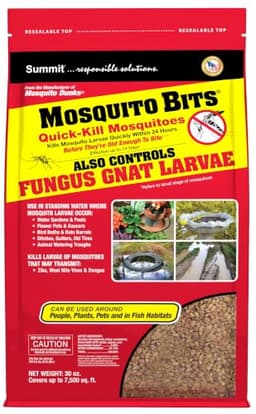
Granules containing Bacillus thuringiensis israelensis that specifically kill fungus gnat larvae in soil. Soak in water for 30 minutes, strain, and drench soil with every watering. Harmless to plants, pets, and humans. The single most effective treatment for fungus gnats. Does NOT work on fruit flies.
$8-$15 · Best for Eliminating fungus gnat larvae in potting soil
Check price on Amazon →
Bright yellow adhesive cards that attract and capture adult fungus gnats. Place at soil level using included stakes. Non-toxic and odorless. Also useful as a diagnostic tool — if this trap catches more than the ACV trap, you have gnats, not fruit flies.
$6-$12 · Best for Catching and monitoring adult fungus gnats
Check price on Amazon →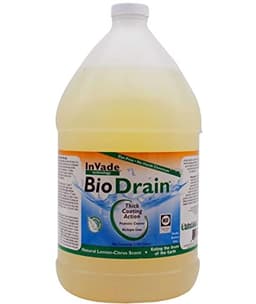
Enzyme-based gel that breaks down the organic biofilm inside drain pipes where drain flies breed. Apply directly into drains nightly for 5-7 days. Also helps with fruit flies that breed in drain sludge. Safer than chemical drain cleaners and more effective at eliminating fly breeding sites.
$12-$20 · Best for Eliminating drain flies and drain-breeding fruit flies
Check price on Amazon →Treatment information on PlantFix is educational. When using any pesticide — including organic options like neem oil or insecticidal soap — read and follow the entire product label; the label is the law. For persistent or high-stakes problems, your local university extension service offers free, region-specific advice. Read about how we source and verify treatment guidance in our Editorial Standards.
FAQ
How can I tell if I have gnats or fruit flies?▼
The fastest method is the eye test: fruit flies have large, bright red eyes visible without magnification. Fungus gnats have tiny, dark eyes that blend into their black heads. Body shape helps too — fruit flies are round and tan like tiny house flies, while gnats are slender and dark like miniature mosquitoes. Location confirms it: gnats hover near plant soil, fruit flies hover near fruit and trash.
Do gnats come from plants?▼
Fungus gnats breed in moist potting soil, so yes — your houseplants are the source. The larvae feed on fungi and organic matter in the top 2-3 inches of wet soil. Fruit flies, on the other hand, don't come from plants at all. They breed in fermenting fruit, vegetables, and drain sludge. If the flies are near your plants and soil, they're gnats. If they're in the kitchen near food, they're fruit flies.
Will vinegar traps catch fungus gnats?▼
Not effectively. Apple cider vinegar traps are designed for fruit flies, which are attracted to the fermentation smell. Fungus gnats aren't drawn to vinegar in any reliable way. For fungus gnats, use yellow sticky traps placed at soil level — the bright yellow color is what attracts them. And treat the source with BTI (Mosquito Bits) soil drenches, which kill the larvae where they actually live.
Can fruit flies live in plant soil?▼
No. Fruit flies (Drosophila melanogaster) require fermenting organic matter to breed — overripe fruit, vegetable scraps, spilled juice, drain sludge. They don't lay eggs in potting soil and their larvae can't survive there. If you see flies in your plant's soil, those are fungus gnats, not fruit flies. The confusion is understandable because both are small flies found indoors, but they're different species with different needs.
Why are there small flies in my house with no plants and no fruit?▼
You likely have drain flies. Check bathroom and kitchen drains — especially ones you don't use frequently. Drain flies breed in the organic biofilm inside pipes. Place clear tape over a drain opening overnight; if flies are stuck to it the next morning, you've found the source. Clean the drain with boiling water and an enzyme-based cleaner for a week. Another possibility is a hidden food source — check behind appliances, under the fridge, in recycling bins, or in a forgotten pantry bag of potatoes.
How long does it take to get rid of fungus gnats vs fruit flies?▼
Fruit flies resolve faster — typically within 5-7 days once you remove the food source (ripe fruit, open containers, drain buildup). Their lifecycle is only 8-10 days. Fungus gnats take 3-4 weeks with consistent treatment because their lifecycle is longer and eggs survive in the soil through initial treatments. Use BTI-treated water with every watering for a full month for complete control.
Related
- Fungus Gnats: How to Identify & Eliminate Them for Good →
- How to Get Rid of Gnats in Plants Fast: 7 Proven Methods →
- Tiny Black Bugs on Plants: Identify & Get Rid of Gnats, Thrips & More →
- Plant Bugs: Identify Any Bug on Your Plant in 30 Seconds →
- Neem Oil for Plants: Complete Guide to Using It Effectively →
- Apple Cider Vinegar Gnat Trap: The Recipe That Works in Hours →
- Homemade Fly Trap: 5 DIY Builds, Ranked by What They Actually Catch →
- Yellow Sticky Traps for Gnats: Placement & Best Picks →
- Best Indoor Fly Traps for Plant Owners (2026): What Actually Works →
- Hydrogen Peroxide for Fungus Gnats: The Exact Ratio & Why It Fails for Some People →
- Mosquito Bits for Fungus Gnats: Dosage + 24-Hour Kill →
- Houseplant Pests: Visual ID Guide to Every Bug on Your Indoor Plants →
Not sure what's wrong?
Use the diagnosis tool →Get seasonal plant care reminders and pest alerts.