Tiny White Bugs on Plants: Identify & Kill All 5 Types
Those tiny white bugs are probably mealybugs — but could be whiteflies, root aphids, woolly aphids, or springtails. How to tell them apart and treat all 5.
11 min read · Updated 2026-08-18
By PlantFix Editorial Team · Sources: University Extension Programs, USDA, EPA
What Are Those Tiny White Bugs?
Those tiny white bugs on your houseplant are most likely mealybugs — small, oval insects covered in a white waxy coating that makes them look like tiny cotton balls. They cluster at leaf joints, along stems, and on leaf undersides. If the white bugs fly when you touch the plant, you've got whiteflies instead. And if the white specks are jumping around in the soil rather than sitting on leaves, those are springtails — completely harmless.
Mealybugs are the most common white bug on indoor plants by a wide margin. I see them in roughly 7 out of 10 "what's this white thing on my plant?" questions on Reddit and plant forums. They're treatable, but you need to act before they multiply. A female mealybug can lay 300-600 eggs in a single cottony egg sac, and the tiny crawlers spread to every crevice of the plant within days.
This guide covers all five types of tiny white bugs you might find on houseplants, how to tell them apart at a glance, and the treatment protocol that actually works for each one.
Identification: 5 Types of Tiny White Bugs on Plants
Start with one question: does it fly?
If it flies when you touch the plant — those are whiteflies. Tiny, moth-like, and always on the undersides of leaves. They scatter in a visible cloud when disturbed. Case closed.
If it doesn't fly, look at where it is and what it's doing.
Cottony clusters at leaf joints and stems — Mealybugs. They look like small puffs of cotton wedged into the crevices of your plant. They barely move, and many people don't realize they're insects at all until they wipe one off and see the soft, oval body underneath the waxy coating. Size: about 1/8 to 1/4 inch.
Translucent white dots in the soil or on roots — Root aphids. You won't see these unless you disturb the soil or unpot the plant. They look like tiny, pale, pear-shaped specks clustered around roots. They produce a white waxy powder that's often confused with mold.
White fuzzy coating on stems — Woolly aphids. Less common on houseplants than mealybugs, but similar in appearance. The key difference: woolly aphids are usually found on woody stems and are more elongated. Mealybugs are rounder and prefer leaf joints.
Tiny white jumping bugs in the soil — Springtails. When you water or poke the soil, these 1-2mm bugs hop into the air using a spring-loaded appendage called a furcula. That jumping is their defining feature — no harmful white bug on houseplants jumps like this. Springtails feed on decaying organic matter, not your plant. They're completely harmless.
Still unsure? Work through our diagnosis tool. It usually nails the identification in seconds.
Mealybugs: The Cottony Clusters
Mealybugs are the white bug you really don't want to ignore. These soft-bodied scale insects (family Pseudococcidae) suck sap from your plant through needle-like mouthparts, draining nutrients and producing copious amounts of sticky honeydew that coats leaves and attracts black sooty mold. If you also see ants trailing to the plant, they're farming these mealybugs for that honeydew — our ants on plants guide explains the connection.
According to the University of California IPM Program, female mealybugs lay 300-600 eggs in cottony egg sacs over a 1-2 week period. The hatched crawlers — tiny, flat, and barely visible — spread across the plant and into every crevice before settling down, beginning to feed, and producing their own waxy coating. A single generation takes about 30 days, and populations explode in warm indoor conditions.
Mealybugs favor certain plants. Succulents, orchids, citrus, jade plants, fiddle leaf figs, and hoyas are frequent targets. They're attracted to plants overfertilized with nitrogen, which produces the soft, sap-rich growth they prefer.
The signs are distinctive: white cottony masses at leaf joints, along stems, and in crevices. Leaves become sticky from honeydew. You may notice ants tending the mealybugs — ants actually "farm" them for the honeydew, protecting them from predators in exchange. In severe infestations, leaves yellow and drop.
Here's what most guides miss: there are also root mealybugs (Rhizoecus spp.) that live entirely below the soil surface, feeding on roots. If your plant is declining with no visible pests above ground, unpot it and check the roots for white waxy clusters. Root mealybugs are especially common on African violets, succulents, and cacti. Treatment requires a systemic insecticide or complete soil replacement with a root wash. For the complete treatment protocol covering all mealybug types and life stages, see our dedicated mealybugs treatment guide.
Whiteflies: The Flying White Specks
Whiteflies are the easiest white bug to identify because they fly. They often co-occur with spider mites, which are even tinier and create webbing on leaf undersides. Disturb a leaf and a cloud of tiny, white, moth-like insects erupts from the underside — that reaction is unmistakable. Despite the name, they're not actually flies. They're more closely related to aphids and scale insects.
Adults are about 1/16 inch long with powdery white wings and yellowish bodies. They congregate on leaf undersides, where they lay tiny pale eggs in circular patterns. The immature stages (nymphs) are flat, oval, and translucent — stuck to the leaf surface like miniature scale insects. They don't move once settled, which is why people sometimes notice the flying adults but completely miss the far more numerous nymphs doing the actual damage.
Whiteflies are less common on houseplants than mealybugs but much more common in greenhouses, sunrooms, and warm enclosed spaces. Plants frequently affected include poinsettias, hibiscus, fuchsia, and herbs like basil. If you bought a plant from a greenhouse and noticed white flies within a few days, it almost certainly came infested.
The damage pattern mirrors aphids: yellowing leaves, honeydew, sooty mold, and eventual leaf drop. Costa Farms notes that whiteflies can transmit some plant viruses, though this is more of a concern for outdoor crops than houseplants.
Treatment is straightforward but demands persistence. Yellow sticky traps catch adults. Insecticidal soap kills all stages on contact. Neem oil provides residual control. The challenge is their rapid reproduction — a complete lifecycle takes only 25-30 days in warm conditions, so treat every 5-7 days for at least 3-4 weeks to break the cycle completely. For the complete treatment protocol, see our dedicated whiteflies guide.
Root Aphids: The Hidden Ones
Root aphids are the sneakiest white bug on this list because they hide where you can't see them. They live in the soil feeding on root hairs and fine roots, producing a whitish waxy powder that looks like fine soil mold. Most people never know they're there until the plant starts declining for no apparent reason.
Signs of root aphids: unexplained wilting despite correct watering, stunted growth, yellowing leaves, and a general failure to thrive that you can't diagnose from looking at the foliage. If you unpot the plant and see small (1-2mm), pale, pear-shaped insects clustered on roots — or a whitish waxy coating on the root ball — you've found the problem.
Root aphids get confused with root mealybugs frequently, and the treatment is similar either way. The key distinction is shape: root aphids are pear-shaped like regular aphids, while root mealybugs are more oval with a flatter body and longer waxy filaments.
They spread through contaminated soil, which is another reason to quarantine new plants and use fresh potting mix when repotting. Some species produce winged adults during certain life stages that can colonize new pots, though these aerial forms are rare indoors.
Treatment requires getting product into the root zone: a neem oil soil drench (1-2 tablespoons neem oil + 1 teaspoon castile soap per gallon), systemic granules (imidacloprid), or for severe cases, completely bare-rooting the plant — washing all old soil off the roots, soaking them in a diluted neem solution for 10 minutes, and repotting in fresh sterile mix. A hydrogen peroxide drench (1 part 3% H2O2 to 4 parts water) can also help kill aphids on contact in the root zone.
Springtails: The Ones You Don't Need to Worry About
I'm including springtails here because they're the number one false alarm when people search "tiny white bugs on plants." If the white specks in your soil jump when you water or disturb the surface — those are springtails, and you can relax.
Springtails (order Collembola) are tiny arthropods, typically 1-2mm long, with a fork-like appendage called a furcula tucked under their body. When they feel threatened, they release it like a loaded spring, launching themselves several inches into the air. That jumping is their namesake and their most reliable identifying feature. No harmful plant pest jumps like this.
According to Iowa State University Extension, springtails "do not bite, do not damage household furnishings, and are essentially harmless." They feed on fungi, algae, and decaying organic matter in the soil. They're actually beneficial decomposers that help break down organic material and cycle nutrients.
You'll see more of them when your soil stays consistently moist, because that's the environment they prefer. The fix is simple: reduce watering frequency so the top inch of soil dries between waterings. You don't need insecticides, neem oil, or any treatment — just water less frequently. If their numbers bother you, letting the soil dry out completely for a few days will dramatically reduce the population.
The important takeaway: if your white bugs jump, stop worrying. They're springtails. They aren't eating your plant. Trying to eliminate them with pesticides is unnecessary waste of product and effort.
If the white specks in your soil aren't jumping, they may be soil mites — tiny round arachnids that are also mostly harmless. Soil mites feed on decomposing organic matter and fungi, just like springtails, and typically don't require treatment.
How to Get Rid of Tiny White Bugs (Step-by-Step)
This treatment protocol works for mealybugs, whiteflies, and root aphids — the three white bugs that actually damage your plants. Don't treat springtails; just water less.
Step 1 — Isolate the plant. Move it away from all other plants immediately. Mealybug crawlers can walk to neighboring pots, and whitefly adults will fly to any plant in the room.
Step 2 — Manual removal. For mealybugs: dip a cotton swab in 70% isopropyl alcohol and dab each visible mealybug directly. The alcohol dissolves their waxy coating and kills them on contact. Work through every leaf joint, stem crevice, and leaf underside. This is tedious on large plants but incredibly effective for catching an infestation early. For whiteflies: shake the plant gently over paper to dislodge adults, then trap them with yellow sticky cards.
Step 3 — Soap spray. Mix 1 tablespoon of insecticidal soap per quart of water. Spray every surface of the plant, paying special attention to leaf undersides, leaf joints, and stems. The soap must contact the bugs directly — it kills by dissolving their protective coating on contact.
Step 4 — Neem oil follow-up. Seven days after the soap treatment, apply neem oil spray (1-2 tablespoons cold-pressed neem oil + 1 teaspoon castile soap per gallon of warm water). Neem disrupts the insects' feeding, molting, and reproduction. It also has a residual repellent effect that lasts days after application.
Step 5 — Repeat. Continue alternating soap and neem treatments every 7 days for at least 3-4 weeks. Eggs and deeply hidden crawlers survive early treatments. You need to catch each new generation as it emerges to fully break the cycle.
Step 6 — Soil treatment (if root pests suspected). For root aphids or root mealybugs, apply a neem oil soil drench or imidacloprid systemic granules to reach the root zone where surface sprays can't.
Step 7 — Monitor for a full month after treatment. Mealybugs are notorious for reappearing from a single overlooked egg sac hidden in a leaf sheath.
Prevention: Keeping White Bugs Off Your Plants
For a broader comparison of pest treatment methods, see our insecticidal soap guide and neem oil guide — both are effective against all white bug species listed above. The most effective prevention against white bugs is the same trio that works for all houseplant pests: quarantine, inspection, and proper care.
Quarantine every new plant for two weeks minimum before placing it with your collection. Check leaf undersides, stem joints, and the soil surface every few days during quarantine. Mealybugs are one of the most common pests carried home from nurseries — they hide in leaf sheaths and crevices where a quick visual check misses them entirely.
Avoid overfertilizing with nitrogen. Heavy nitrogen produces the soft, lush growth that mealybugs and aphids find irresistible. Follow the recommended schedule for each plant species and use balanced formulas rather than high-nitrogen ones.
Clean your plants regularly. Wiping leaves with a damp cloth every 2-3 weeks removes eggs and early-stage crawlers before they establish colonies. Pay attention to leaf undersides and stem joints where pests hide.
Don't reuse old soil without sterilizing it. Root aphids and root mealybugs can persist in contaminated potting mix. When repotting, always use fresh soil. If you reuse pots, wash them with a 10% bleach solution and rinse thoroughly.
If you've had recurring mealybug problems on susceptible plants — succulents, orchids, hoyas — consider a preventative neem oil application every 4-6 weeks. A light spray deters mealybugs from establishing without stressing the plant.
For whiteflies, keep humidity moderate (40-60%) and avoid crowding plants in warm, stagnant-air locations. Good air circulation discourages whitefly colonies from settling in.
Recommended Products
We earn a commission if you buy through these links, at no extra cost to you. We recommend based on what works, not what pays. How this works.
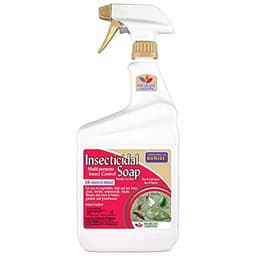
Potassium salts of fatty acids that kill mealybugs, whiteflies, and aphids on contact by dissolving their protective coating. Must contact the pest directly. No toxic residue. Safe for indoor use. Reapply every 5-7 days for 3-4 weeks.
$8-$14 · Best for First-line spray treatment for mealybugs and whiteflies
Check price on Amazon →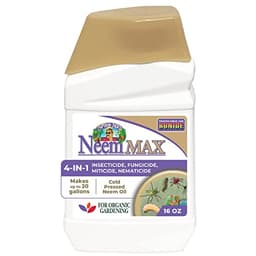
Pure neem oil with azadirachtin that disrupts insect feeding, molting, and reproduction. Mix with water and castile soap. Effective against all white bugs plus provides residual repellent effect that lasts several days after application. Also works on fungal diseases.
$10-$18 · Best for Follow-up treatment with longer-lasting protection
Check price on Amazon →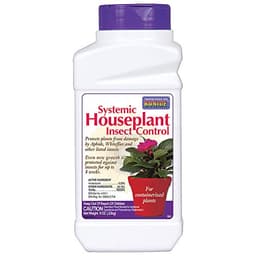
Imidacloprid-based granules mixed into the soil and absorbed by roots. Kills mealybugs, aphids, whiteflies, and other sap-feeding insects from the inside out for up to 8 weeks. Reaches root mealybugs and root aphids that surface sprays miss. Not for edible plants.
$7-$14 · Best for Severe or recurring infestations, especially root-dwelling pests
Check price on Amazon →Treatment information on PlantFix is educational. When using any pesticide — including organic options like neem oil or insecticidal soap — read and follow the entire product label; the label is the law. For persistent or high-stakes problems, your local university extension service offers free, region-specific advice. Read about how we source and verify treatment guidance in our Editorial Standards.
FAQ
Are tiny white bugs on plants dangerous?▼
Mealybugs and whiteflies are harmful to plants — they suck sap, cause yellowing and leaf drop, and can eventually kill a plant if left untreated. Root aphids damage roots and cause unexplained decline. Springtails and woolly aphids (on houseplants) are generally harmless or very minor. None of these white bugs bite humans or pets.
What are the tiny white cottony things on my plant?▼
Those cottony white masses are mealybugs or mealybug egg sacs. Mealybugs coat themselves in a white waxy substance for protection, making them look like tiny cotton puffs. Each cottony mass can contain hundreds of eggs. Wipe them off with a cotton swab dipped in rubbing alcohol, then follow up with insecticidal soap or neem oil sprayed on the entire plant every 7 days for 3-4 weeks.
How did my plant get white bugs?▼
The most common source is a new plant brought home from a nursery or garden center without being quarantined first. Mealybugs hide in leaf sheaths, stem crevices, and even in the soil, making them easy to miss during a quick visual inspection. They can also arrive on contaminated potting soil, used pots, or gardening tools. Always quarantine new plants for at least two weeks before placing them with your collection.
Can white bugs on plants spread to other plants?▼
Yes. Mealybug crawlers (the newly hatched young) are tiny and mobile — they walk between pots and can spread to any plant they can reach. Whitefly adults fly from plant to plant freely. This is why isolating an infested plant immediately is the most important first step. Treat all plants in the affected area, not just the one where you first noticed the bugs.
What home remedies kill white bugs on plants?▼
Rubbing alcohol (70% isopropyl) on a cotton swab is the most effective home remedy for mealybugs — dab each bug directly. For broader coverage, mix 1 tablespoon of pure castile soap (not dish detergent) per quart of water and spray all plant surfaces. Neem oil mixed with soap and water is another effective option. Avoid dish soap like Dawn as an emulsifier — it contains degreasers that can strip the waxy coating from leaves and cause more damage than the bugs.
Related
- Plant Bugs: Identify Any Bug on Your Plant in 30 Seconds →
- Tiny Red Bugs: Clover Mites, Spider Mites & How to ID Them →
- Tiny Black Bugs on Plants: Gnats, Thrips & How to Kill Them →
- Tiny Orange Bugs on Plants: What They Are (5 Culprits) →
- Tiny Green Bugs on Plants Are Almost Always Aphids →
- Neem Oil for Plants: Complete Guide to Using It Effectively →
- Mealy Bugs on Plants: How to Identify & Kill Them Fast →
- Tiny Red Spiders: Clover Mites vs Spider Mites vs Red Velvet Mites (ID Guide) →
- Gnats vs Fruit Flies: How to Tell the Difference in 10 Seconds →
- Whiteflies: The Shake Test, Damage Chain & 3-Week Treatment Protocol →
- Aphids on Plants: How to Kill Them Fast (and Stop the Ants) →
- Springtails: The Tiny Jumping Bugs in Your Soil (They're Not the Problem — Your Watering Is) →
- Soil Mites in Houseplants: The 4-Type ID Guide (Most Are Helping Your Plant, Not Hurting It) →
- Houseplant Pests: Visual ID Guide to Every Bug on Your Indoor Plants →
Not sure what's wrong?
Use the diagnosis tool →Get seasonal plant care reminders and pest alerts.