Fungus Gnats: How to Identify & Eliminate Them for Good
10 min read · Updated 2026-06-11
little flies around my plant soil
Fungus gnats.
Annoying, not dangerous.
- Treat for
- 3–4 wks
- Spreads?
- To other pots
- Kills plant?
- Almost never
Do this in the next 5 minutes
Stop watering on a schedule
Let the top inch of soil dry out completely before you water again. The larvae need constantly moist soil — drying the surface kills them and stops females laying more eggs.
What kills them
- Likely at home
Hydrogen peroxide, 3%
One part peroxide to four parts water, poured through the soil. It fizzes on contact and kills larvae and eggs without harming roots.
- $6–12
Laid flat at soil level, not hung above the plant. Catches the adults and breaks the breeding cycle.
- $8–15
Soak in water for 30 minutes, then water the plant with it. A soil bacterium that targets gnat larvae specifically — safe around pets and children.
Confirm before you treat
- Tiny dark flies that rise up when you water
- They hop about near the soil rather than circling your face
- Worst in the pots you water most often
Failure point · Week 2
Treating only one pot
Larvae are in every pot you overwater, not just the one you noticed. Treat the whole room at the same time or the untreated pots will re-seed the clean ones within a fortnight.
Johann Wilhelm Meigen, 1790 — Europäischen Zweiflügeligen Insekten, Tafel XXIV
By PlantFix Editorial Team · Sources: University Extension Programs, USDA, EPA
How to Get Rid of Fungus Gnats (Quick Answer)
Fungus gnats are tiny dark flies (1/8 inch) that hover around houseplant soil. Their larvae live in moist topsoil and feed on roots. To eliminate them: let the top inch of soil dry between waterings, drench soil with 1 part 3% hydrogen peroxide to 4 parts water, place yellow sticky traps at soil level, and apply BTI (Mosquito Bits) as a soil soak. This multi-pronged approach breaks the 3-week lifecycle. Most infestations resolve in 3–4 weeks with consistent treatment.
If you're not sure whether you have fungus gnats or fruit flies, our 10-second eye test tells you instantly — the treatments are completely different.
What Are Fungus Gnats?
Fungus gnats are small, dark-bodied flies belonging to the families Sciaridae and Mycetophilidae. Adults are roughly 1/8 inch long with slender bodies, long legs, and translucent wings. They look similar to tiny mosquitoes and are often spotted hovering around the soil surface of houseplants or flying toward windows and light sources.
While the adult flies are mostly a nuisance, the real damage is done by the larvae. Fungus gnat larvae are translucent, worm-like creatures about 1/4 inch long with distinctive shiny black heads. They live in the top two to three inches of moist potting soil, where they feed on fungi, algae, decaying organic matter, and, when populations grow large, plant roots.
A single adult female can lay up to 200 eggs in the soil surface, and the entire lifecycle from egg to adult takes only about three weeks in warm indoor conditions. This rapid reproduction means a small problem can explode into a major infestation surprisingly quickly if left unchecked.
How to Identify a Fungus Gnat Infestation
The most obvious sign of fungus gnats is small flies buzzing around your plants, especially when you water or disturb the soil. They tend to fly in short, erratic patterns close to the soil surface rather than around the foliage.
To confirm a larval infestation, look at the top layer of soil. You may be able to see the tiny, translucent larvae wriggling near the surface, particularly in very moist soil. Another reliable test is to place a raw potato slice on the soil surface overnight. Fungus gnat larvae are attracted to the starch and will congregate on the underside of the potato within 24 hours, making them easy to spot.
Yellow sticky traps placed at soil level are another excellent diagnostic tool. If you catch more than a few small dark flies on these traps within a day or two, you have an active infestation. Look carefully at the trapped insects: fungus gnats have long antennae and a Y-shaped vein pattern on their wings, which distinguishes them from fruit flies and other small flies. If you're not sure which you have, our gnats vs. fruit flies guide has a 10-second eye test that works every time.
Plant symptoms of a severe infestation include wilting despite adequate moisture, sudden yellowing of lower leaves, stunted growth, and loss of vigor. Seedlings and young plants are particularly vulnerable because their root systems are small enough for larvae to cause significant damage.
Why Do You Have Fungus Gnats?
The single biggest factor that attracts and sustains fungus gnats is consistently moist soil. Overwatering your plants creates the damp, organic-rich environment that fungus gnat larvae need to survive and thrive. If you water on a fixed schedule rather than checking whether the soil has dried out, you are very likely providing ideal breeding conditions.
Potting mixes that are rich in organic matter, particularly those containing peat moss, compost, or bark, are more attractive to egg-laying females because the decomposing material supports the fungi and algae that larvae feed on. Bags of potting soil stored in warm, damp conditions may even come pre-infested with eggs or larvae. The same damp, organic-rich soil that feeds gnat larvae also grows white mold on the soil surface — if you're seeing both, they share one cause: soil that never dries out.
Poor drainage also plays a role. Pots without drainage holes, saucers that collect standing water, and dense or compacted soil all hold moisture longer than necessary. Indoor conditions with low air circulation further slow evaporation from the soil surface.
Finally, bringing new plants indoors without quarantining them first is one of the most common ways fungus gnats enter a home. A single infested plant from a nursery can introduce the problem to every other plant in the room within weeks.
How to Get Rid of Fungus Gnats
Effective fungus gnat control requires a multi-pronged approach that targets both the adult flies and the soil-dwelling larvae. Start by letting the top inch or two of soil dry out completely between waterings. This alone will kill many larvae and make the soil inhospitable for egg-laying.
For the larvae, hydrogen peroxide is one of the most effective and accessible treatments. Mix one part 3% hydrogen peroxide with four parts water and use this solution to water your plants thoroughly. The peroxide fizzes on contact with the soil, killing larvae and eggs on contact without harming plant roots. Repeat with every watering for two to three weeks.
BTI (Bacillus thuringiensis subspecies israelensis) is a naturally occurring soil bacterium that specifically targets fungus gnat and mosquito larvae. Products like Mosquito Bits can be soaked in water and used to irrigate plants, or sprinkled directly on the soil surface. BTI is non-toxic to plants, pets, and humans, and it is one of the most reliable long-term solutions.
Yellow sticky traps should be placed at soil level and near the base of affected plants to catch adult flies and break the reproductive cycle. Replace them every few days as they become covered.
For severe infestations, a neem oil soil drench can disrupt gnat feeding and reproduction. Applying a half-inch layer of coarse sand, perlite, or decorative gravel on top of the soil creates a physical barrier that prevents females from laying eggs in the moist soil below. Beneficial nematodes (Steinernema feltiae) can also be applied as a soil drench to hunt and kill larvae biologically.
If you're also noticing small flies near fruit or kitchen scraps, an apple cider vinegar trap can help determine whether you have fruit flies, fungus gnats, or both — the treatments are different. For a comparison of all indoor fly trap options including electric and sticky traps, see our buyer's guide. For a comprehensive treatment plan, see our full guide on how to get rid of gnats.
Preventing Future Infestations
Prevention is far easier than treatment. The most important habit to develop is proper watering technique. Always check the soil moisture before watering by inserting your finger an inch or two into the soil. If it still feels damp, wait another day or two. Most houseplants prefer to dry out slightly between waterings, and maintaining this cycle makes the soil environment hostile to fungus gnats.
Use well-draining potting mixes and always choose pots with drainage holes. Adding perlite or coarse sand to your potting mix improves drainage and reduces the amount of moisture retained near the soil surface. Avoid leaving standing water in saucers for more than 30 minutes after watering.
Quarantine every new plant you bring home for at least two weeks before placing it near your other plants. During this period, monitor for any signs of gnats or other pests. This simple practice prevents the vast majority of pest introductions. For a visual ID chart of all common houseplant pests — from mealybugs to spider mites — check what you're quarantining against.
Store unused potting soil in sealed containers rather than leaving bags open in warm, humid areas. Consider microwaving small batches of potting soil for 90 seconds or baking it at 180 degrees Fahrenheit for 30 minutes to sterilize it before use.
Maintaining good air circulation around your plants with a gentle fan can also discourage gnats from settling and help the soil surface dry out faster between waterings.
Are Fungus Gnats Harmful to Plants?
For mature, healthy plants, a minor fungus gnat infestation is more of an annoyance than a serious threat. The adults do not bite, sting, or directly damage foliage. A handful of larvae feeding on decaying matter in the soil typically will not harm an established root system.
However, heavy infestations are a different story. When larval populations grow large, they exhaust the available decaying organic matter and begin feeding on living root tissue. This root damage impairs the plant's ability to absorb water and nutrients, leading to symptoms that mimic overwatering or underwatering: wilting, yellowing leaves, and stunted growth.
Seedlings, cuttings, and young plants are at the greatest risk because their root systems are small and delicate. A fungus gnat infestation can kill seedlings outright by consuming the majority of their root mass. Propagation trays and seed-starting setups, which are kept consistently moist, are particularly vulnerable.
Beyond direct root damage, the wounds created by larval feeding can serve as entry points for soil-borne pathogens like Pythium and Fusarium, which cause root rot and other fungal diseases. So even a moderate infestation can indirectly lead to more serious health problems for your plants.
Recommended Products
We earn a commission if you buy through these links, at no extra cost to you. We recommend based on what works, not what pays. How this works.
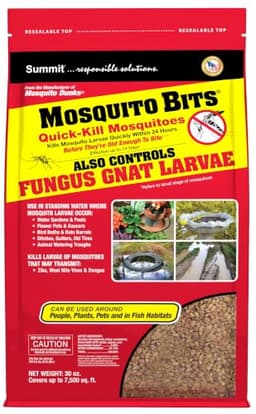
Granules containing Bacillus thuringiensis israelensis that specifically kill fungus gnat and mosquito larvae. Soak in water for 30 minutes, then use the water to drench soil. Safe for pets and children.
$8-$15 · Best for Killing larvae in the soil without chemicals
Check price on Amazon →
Bright yellow adhesive traps that attract and capture adult fungus gnats. Place them horizontally at soil level or insert the stakes directly into pots. Non-toxic and odorless.
$6-$12 · Best for Trapping adult gnats and monitoring infestation levels
Check price on Amazon →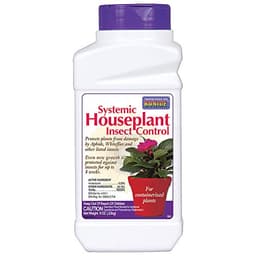
Imidacloprid-based granules that are mixed into the soil and taken up by plant roots. Provides up to eight weeks of protection against fungus gnats, aphids, and other pests. Not suitable for edible plants.
$7-$14 · Best for Long-term prevention and severe infestations on ornamental plants
Check price on Amazon →Treatment information on PlantFix is educational. When using any pesticide — including organic options like neem oil or insecticidal soap — read and follow the entire product label; the label is the law. For persistent or high-stakes problems, your local university extension service offers free, region-specific advice. Read about how we source and verify treatment guidance in our Editorial Standards.
FAQ
How long does it take to get rid of fungus gnats?▼
With consistent treatment targeting both adults and larvae, you can break the lifecycle in about three to four weeks. The key is persistence: because eggs, larvae, pupae, and adults are all present simultaneously, you need to continue treatment through at least one full lifecycle. Use a combination of yellow sticky traps for adults and hydrogen peroxide or BTI drenches for larvae, and do not stop treatment just because the adults disappear.
Can fungus gnats infest a plant with dry soil?▼
Fungus gnats strongly prefer moist soil and will not lay eggs in dry conditions. If your soil is consistently dry on the surface, it is very unlikely to sustain a fungus gnat population. This is precisely why allowing the top layer of soil to dry between waterings is the single most effective prevention and treatment strategy.
Are fungus gnats the same as fruit flies?▼
No, they are different insects. Fungus gnats are dark-bodied with long legs and antennae, and they hover around soil. Fruit flies are tan or brownish with red eyes, and they are attracted to ripe or rotting fruit, vinegar, and fermented foods. If the flies are congregating around your kitchen rather than your plants, you likely have fruit flies. The treatments are also different: fungus gnat control focuses on soil, while fruit fly control focuses on removing food sources.
Will repotting my plant get rid of fungus gnats?▼
Repotting into fresh, sterile soil can help, but only if you also gently remove as much of the old soil from the roots as possible. If you simply place the root ball with its infested soil into a new pot, you will transfer the larvae with it. Combine repotting with a hydrogen peroxide root rinse for best results, and make sure the new potting mix is well-draining.
Related
- Apple Cider Vinegar Gnat Trap: The Recipe That Works in Hours →
- Beneficial Nematodes: Which Species Kills Your Specific Pest (Buying Guide by Pest Type) →
- How to Get Rid of Gnats in Plants Fast: 7 Proven Methods →
- Gnats vs Fruit Flies: How to Tell the Difference in 10 Seconds →
- Houseplant Pests: Visual ID Guide to Every Bug on Your Indoor Plants →
- Hydrogen Peroxide for Fungus Gnats: The Exact Ratio & Why It Fails for Some People →
- Best Indoor Fly Traps for Plant Owners (2026): What Actually Works →
- Mosquito Bits for Fungus Gnats: Dosage + 24-Hour Kill →
- Neem Oil for Plants: Complete Guide to Using It Effectively →
- Plant Bugs: Identify Any Bug on Your Plant in 30 Seconds →
- Soil Mites in Houseplants: The 4-Type ID Guide (Most Are Helping Your Plant, Not Hurting It) →
- Springtails: The Tiny Jumping Bugs in Your Soil (They're Not the Problem — Your Watering Is) →
- Tiny Black Bugs on Plants: Gnats, Thrips & How to Kill Them →
- Tiny White Bugs on Plants: Identify & Kill All 5 Types →
- Yellow Sticky Traps for Gnats: Placement & Best Picks →
Plants Commonly Affected
Not sure what's wrong?
Use the diagnosis tool →Get seasonal plant care reminders and pest alerts.