Neem Oil for Plants: Complete Guide to Using It Effectively
Everything you need to know about using neem oil on houseplants: what it treats, how to mix and apply it, correct frequency, and important precautions.
8 min read · Updated 2026-06-12
By PlantFix Editorial Team · Sources: University Extension Programs, USDA, EPA
How to Use Neem Oil on Plants (Quick Guide)
Mix 1-2 tablespoons of cold-pressed neem oil with 1 teaspoon of liquid castile soap in a gallon of warm water. Spray every plant surface — especially leaf undersides — in the evening (neem can burn leaves in direct sunlight). Repeat every 7 days for 3 weeks. Neem oil treats spider mites, aphids, mealybugs, whiteflies, thrips, scale insects, and fungus gnats, plus underside feeders like lace bugs when you coat the leaf backs where they live. It also prevents powdery mildew, black spot, and other fungal diseases.
Neem works by disrupting insect feeding and reproduction rather than killing on contact, so results take a few days. Always use cold-pressed neem oil (not clarified hydrophobic neem extract) — the active compound azadirachtin is what makes it effective, and clarified versions have this removed.
What Is Neem Oil?
Neem oil is a naturally derived pesticide extracted from the seeds of the neem tree (Azadirachta indica), a tropical evergreen native to the Indian subcontinent. It has been used for centuries in traditional agriculture and medicine. The oil is cold-pressed from the seeds and contains a complex mixture of active compounds, the most important of which is azadirachtin.
Azadirachtin works as an insect growth regulator, disrupting the hormonal systems that insects need to feed, molt, and reproduce. Unlike synthetic pesticides that kill on contact through nerve toxins, neem oil works more gradually by making it difficult for pests to eat and grow, and by suppressing their ability to lay viable eggs. This means you will not see instant results, but the effects are thorough and long-lasting.
Neem oil also has fungicidal properties, making it effective against powdery mildew, black spot, rust, and other common fungal diseases on plants. It works by preventing fungal spores from germinating and penetrating leaf tissue. This dual action against both insects and fungal diseases makes neem oil one of the most versatile natural plant care products available.
What Pests and Diseases Does Neem Oil Treat?
Neem oil is effective against a wide range of soft-bodied insects and mites. It works particularly well against aphids, spider mites, whiteflies, mealybugs, scale insects (in their crawler stage), thrips, and fungus gnats. Neem also deters leaf miners — the larvae that tunnel inside leaves, leaving distinctive serpentine trails — by disrupting adult fly egg-laying behavior and making leaves less hospitable to newly hatched larvae. It is less effective against hard-shelled beetles and fast-moving insects that do not spend extended time on treated foliage. Outdoors, neem oil is also used against spotted lanternfly nymphs and other invasive sap-feeders.
For fungal diseases, neem oil can prevent and treat powdery mildew, black spot, rust, leaf spot, anthracnose, and botrytis (gray mold). It works best as a preventative measure or when applied at the very first signs of fungal infection. Once a fungal disease is well-established, neem oil alone may not be sufficient — copper fungicide is more effective for advanced infections.
Neem oil also has some repellent properties. The strong, garlicky odor and bitter taste deter many chewing insects from feeding on treated leaves. While this effect is temporary and diminishes as the oil breaks down in sunlight, regular applications can keep pest pressure low throughout the growing season.
It is important to understand that neem oil does not discriminate between pest insects and beneficial insects when wet. However, because it works through ingestion and hormonal disruption rather than contact killing, it is generally less harmful to beneficial insects like ladybugs and lacewings than synthetic pesticides, especially once the spray has dried.
How to Mix Neem Oil Spray
The most common and effective way to use neem oil is as a foliar spray. To mix it properly, you will need cold-pressed neem oil (not clarified or hydrophobic neem extract, which has had the azadirachtin removed), a mild liquid soap or dedicated emulsifier, and warm water.
The standard ratio is 1 to 2 tablespoons of neem oil per gallon of water, with 1 teaspoon of mild liquid castile soap (such as Dr. Bronner's) as an emulsifier. The soap is essential because oil and water do not mix on their own. Without it, the oil will float on top and you will get uneven, ineffective coverage.
Start by mixing the neem oil with the soap in a small amount of warm (not hot) water, stirring thoroughly until you have a milky, uniform mixture. Then add this concentrate to the remaining water in a spray bottle or pump sprayer. Shake vigorously before each use, as the mixture will naturally separate over time.
Always mix only what you need for immediate use. Neem oil breaks down quickly once mixed with water, and a solution left sitting for more than eight hours will lose most of its effectiveness. Fresh batches produce the best results.
For a stronger treatment targeting heavy infestations, you can increase the concentration to 2 tablespoons per gallon. For sensitive plants or routine prevention, 1 tablespoon per gallon is usually sufficient.
How to Apply Neem Oil to Plants
Timing and technique matter when applying neem oil. The best time to spray is in the early morning or evening, when temperatures are cooler and the sun is not directly hitting the leaves. Neem oil can cause leaf burn (phytotoxicity) if applied in direct sunlight or high heat, because the oil concentrates the sun's rays on the leaf surface.
Spray the entire plant thoroughly, making sure to coat both the tops and undersides of leaves, stems, and the soil surface. Most pests, especially spider mites and mealybugs, hide on the undersides of leaves, so missing these areas dramatically reduces effectiveness. The goal is to achieve a fine, even coating that covers every surface without heavy dripping.
For pest treatment, apply neem oil every 7 days for at least three consecutive weeks. This covers multiple pest lifecycles and catches newly hatched individuals that were eggs during the previous application. For fungal disease treatment, apply every 7 to 14 days. For prevention, a monthly application is usually sufficient.
After spraying, allow the plant to dry in a well-ventilated area out of direct sunlight. Do not water from overhead for at least 24 hours after application, as this will wash away the oil before it has time to work.
For soil-dwelling pests like fungus gnat larvae, you can also use neem oil as a soil drench. Mix the spray solution and pour it directly onto the soil, saturating the top few inches where larvae live.
Precautions and Common Mistakes
While neem oil is generally safe for most houseplants, some species are sensitive to it. Plants with delicate, thin, or hairy leaves are more prone to phytotoxicity. Test any new plant by spraying a single leaf and waiting 48 hours to check for damage before treating the whole plant. Known sensitive plants include some ferns, calatheas, and certain succulents.
Never apply neem oil to plants that are stressed from drought, extreme heat, or recent repotting. Stressed plants are more vulnerable to oil damage. Water the plant well a day before treatment so the foliage is turgid and healthy.
Avoid using neem oil on edible plants within a day or two of harvest. While it is considered safe for organic gardening and breaks down quickly, the taste and smell are unpleasant on food.
Do not use dish detergent (like Dawn) as your emulsifier, even though this advice is commonly repeated online. Dish detergents contain degreasers and additives that can strip the waxy coating from leaves, causing more damage than the pests themselves. Use pure castile soap or a horticultural soap specifically designed for plant use.
Store neem oil in a cool, dark place. It solidifies at temperatures below about 65 degrees Fahrenheit, which is normal. Simply place the bottle in warm water for a few minutes to reliquefy it before mixing. Neem oil that has been stored properly remains effective for one to two years.
Alternatives to Neem Oil
If neem oil is not available or if your plants are sensitive to it, several alternatives can provide similar pest and disease control. Insecticidal soap, made from potassium salts of fatty acids, kills soft-bodied insects on contact by disrupting their cell membranes. It is effective against aphids, mealybugs, whiteflies, and spider mites, though it has no residual activity and must contact the pest directly. For mealybugs specifically, rubbing alcohol on a cotton swab is often faster and more precise than a neem spray — the alcohol dissolves the waxy coating that protects mealybugs and kills them on contact.
Horticultural oil (also sold as dormant oil or summer oil) works by smothering insects and their eggs. It is derived from highly refined petroleum or plant oils and is safe for most plants when used according to label directions. Like neem oil, it should not be applied in direct sunlight or extreme heat.
For fungal diseases specifically, a baking soda spray (1 tablespoon baking soda plus 1 teaspoon liquid soap per gallon of water) can help prevent powdery mildew and other surface fungi. Copper fungicides provide stronger control for established fungal infections but should be used sparingly as copper can accumulate in soil over time.
Rosemary oil and peppermint oil sprays can deter some pests but are generally less effective than neem for active infestations. Diatomaceous earth can be sprinkled on the soil surface to kill crawling insects but does not work when wet. Pyrethrin-based sprays, derived from chrysanthemum flowers, provide fast knockdown of insects but break down rapidly in sunlight.
Recommended Products
We earn a commission if you buy through these links, at no extra cost to you. We recommend based on what works, not what pays. How this works.
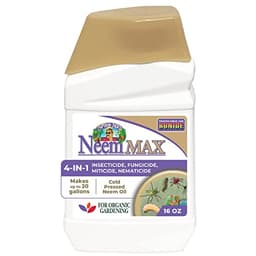
Pure, cold-pressed neem oil with the full spectrum of active compounds including azadirachtin. Must be mixed with water and an emulsifier before use. Choose cold-pressed over clarified for maximum pest control efficacy.
$10-$18 · Best for Gardeners who want maximum control and prefer to mix their own spray
Check price on Amazon →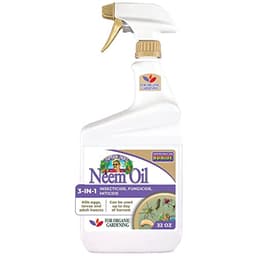
Pre-mixed neem oil spray in a convenient trigger bottle. Already emulsified and diluted to the correct concentration. Shake well before each use. Slightly less potent than fresh-mixed concentrate but far more convenient.
$8-$15 · Best for Beginners or anyone who wants the simplicity of a grab-and-spray solution
Check price on Amazon →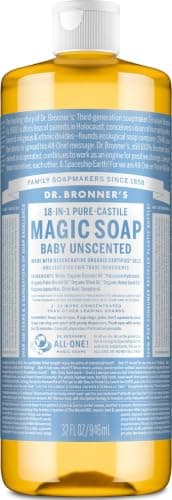
Gentle, plant-based soap made from olive and coconut oils with no synthetic detergents, fragrances, or degreasers. Use as an emulsifier when mixing neem oil sprays. The unscented version avoids introducing unnecessary chemicals to your plants.
$5-$12 · Best for The essential emulsifier for homemade neem oil sprays
Check price on Amazon →Treatment information on PlantFix is educational. When using any pesticide — including organic options like neem oil or insecticidal soap — read and follow the entire product label; the label is the law. For persistent or high-stakes problems, your local university extension service offers free, region-specific advice. Read about how we source and verify treatment guidance in our Editorial Standards.
FAQ
Can I use neem oil on all houseplants?▼
Most houseplants tolerate neem oil well, but some are sensitive. Thin-leaved plants, certain ferns, calatheas, and some succulents can develop leaf burn. Always test on a single leaf first and wait 48 hours. If you see browning, wilting, or discoloration on the test leaf, use an alternative treatment for that plant.
How often should I apply neem oil?▼
For active pest infestations, apply weekly for three to four weeks. For fungal diseases, every 7 to 14 days until symptoms resolve. For prevention, once a month is usually sufficient. Always allow the previous application to dry fully before reapplying, and never apply more frequently than every 5 days.
Does neem oil smell bad?▼
Neem oil has a strong, distinctive odor often described as garlicky or sulfurous. The smell is noticeable during and immediately after application but fades within a day or two as the oil dries and breaks down. If the smell bothers you, add a few drops of peppermint essential oil to your spray mixture to partially mask it. Applying in a well-ventilated area also helps.
Is neem oil safe for pets?▼
Neem oil is generally considered low-toxicity for mammals. The EPA classifies it as safe for residential use. However, ingesting large amounts can cause stomach upset in cats and dogs. Keep pets away from freshly treated plants until the spray has dried completely, and do not allow pets to chew on treated leaves. If you have cats that frequently nibble on your plants, consider using the soil drench method instead of a foliar spray.
Related
- Spider Mites: Identification, Treatment & Prevention Guide →
- Fungus Gnats: How to Identify & Eliminate Them for Good →
- Tiny Red Bugs: Clover Mites, Spider Mites & How to ID Them →
- Plant Bugs: Identify Any Bug on Your Plant in 30 Seconds →
- Tiny White Bugs on Plants: Identify & Kill All 5 Types →
- Tiny Black Bugs on Plants: Gnats, Thrips & How to Kill Them →
- Mealy Bugs on Plants: How to Identify & Kill Them Fast →
- Tiny Red Spiders: Clover Mites vs Spider Mites vs Red Velvet Mites (ID Guide) →
- Tomato Hornworm ID: Kill It — Unless It Has White Cocoons →
- Cucumber Beetle: Spotted vs Striped ID + Deadly Wilt →
- Whiteflies: The Shake Test, Damage Chain & 3-Week Treatment Protocol →
- Aphids on Plants: How to Kill Them Fast (and Stop the Ants) →
- Copper Fungicide: Plant-by-Plant Dosage Chart + Safety Rules →
- Houseplant Pests: Visual ID Guide to Every Bug on Your Indoor Plants →
- Kill Mealybugs With Rubbing Alcohol (on Contact, No Burn) →
- Leaf Miners: Those Squiggly White Lines on Your Leaves (ID + Treatment) →
Plants Commonly Affected
Not sure what's wrong?
Use the diagnosis tool →Get seasonal plant care reminders and pest alerts.