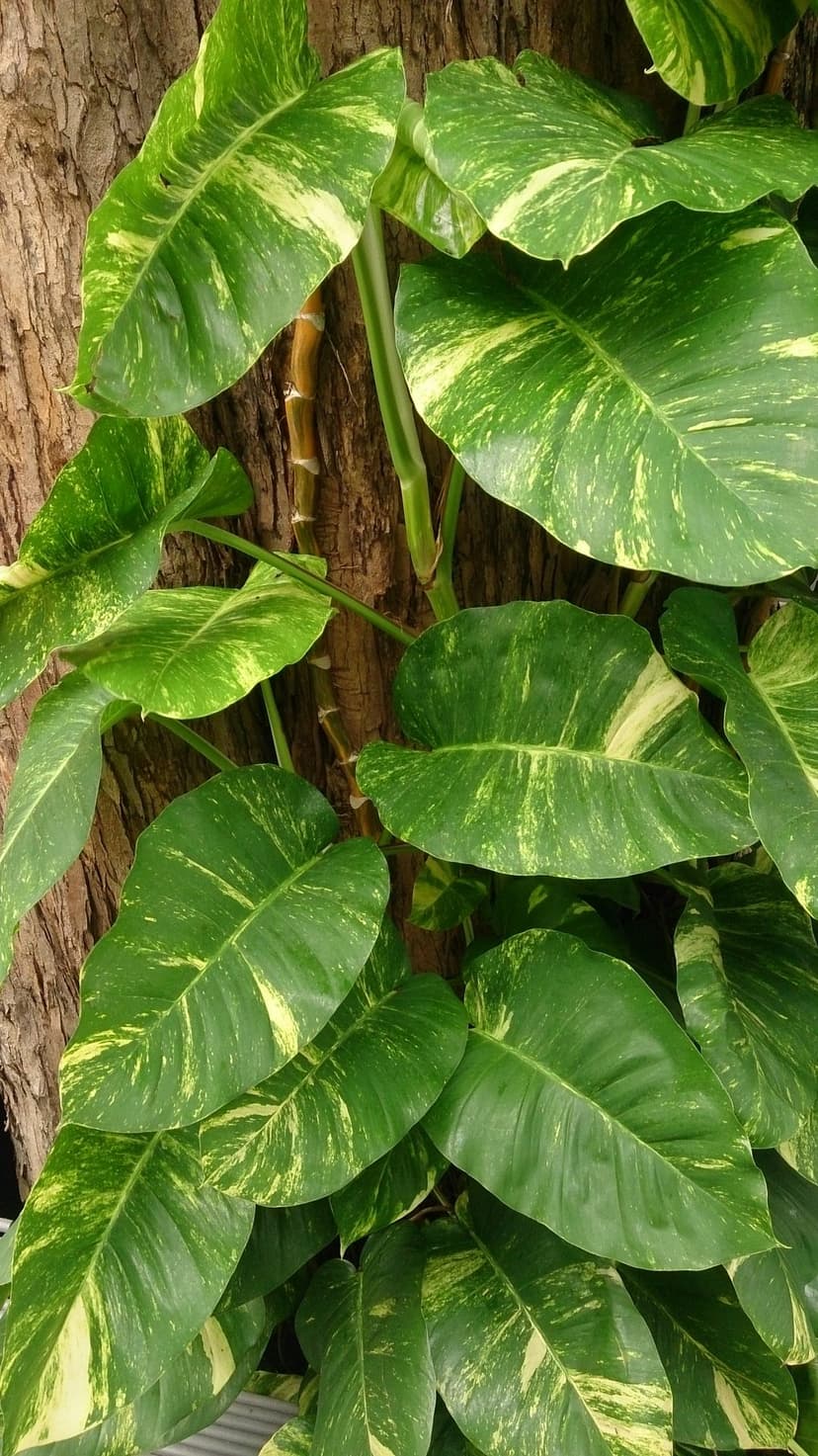
Pothos
Epipremnum aureum
Also: Devil's Ivy, Golden Pothos, Money Plant
Pothos is one of the most forgiving houseplants, making it an ideal choice for beginners. Its trailing vines with heart-shaped leaves look beautiful in hanging baskets or climbing a moss pole. It also ranks highly for air purification and adapts to a wide range of indoor conditions.
By PlantFix Editorial Team · Sources: University Extension Programs, USDA
Care Summary
LightLow to bright indirect light. Tolerates low light but grows faster and maintains better variegation in medium to bright indirect light. Avoid direct sunlight, which scorches the leaves.
WaterWater when the top 1-2 inches of soil are dry. Pothos prefers to dry out slightly between waterings. In winter, reduce watering frequency. Drooping leaves are a reliable signal that the plant needs water.
HumidityAdapts to normal household humidity (40-60%). Benefits from occasional misting or a pebble tray in very dry environments, but it is not required.
Temperature65-85°F (18-29°C). Avoid temperatures below 50°F (10°C) and cold drafts near windows or exterior doors.
SoilWell-draining potting mix. A standard indoor potting soil with added perlite works well. Pothos is not picky about soil as long as it drains freely.
ToxicityToxic to cats and dogs. Contains calcium oxalate crystals that cause oral irritation, drooling, and vomiting if ingested.
Tips
- – Pothos cuttings root easily in water — snip below a node and place in a jar for 2-3 weeks.
- – Wipe leaves with a damp cloth monthly to remove dust and help the plant photosynthesize efficiently.
- – If your pothos is drooping but the soil is moist, check for root rot rather than watering more.
- – Rotate the pot a quarter turn each week to promote even growth on all sides.
Common Problems
Yellowing leaves
Causes
- – Overwatering and root rot — the most common cause in pothos
- – Natural aging of older leaves near the base of the vine
- – Prolonged exposure to very low light reducing chlorophyll production
Solutions
- – Check the soil moisture before watering — let the top 1-2 inches dry out completely between waterings
- – Inspect roots for brown, mushy signs of rot and trim affected roots with sterile scissors
- – Move to brighter indirect light if the plant has been in a dark corner for months
Brown, crispy leaf tips
Causes
- – Low humidity, especially during winter with indoor heating
- – Underwatering or inconsistent watering schedule
- – Salt buildup from fertilizer or hard tap water
Solutions
- – Increase humidity with a pebble tray or humidifier near the plant
- – Water thoroughly until it drains from the bottom, ensuring even soil moisture
- – Flush the soil with distilled water every few months to remove mineral buildup
Leaves curling or cupping
Causes
- – Underwatering — pothos cup their leaves inward to conserve moisture when the soil goes too dry, the most common cause
- – Heat from a nearby vent or harsh direct sun speeding water loss
- – Overwatering and root rot when the soil stays wet and the stems go soft
Solutions
- – Check the soil first: dry and light means a thorough soak, and the curl usually relaxes within a day
- – Move the plant off heat vents and out of direct afternoon sun into bright indirect light
- – If the soil stays wet and stems feel soft, stop watering and check the roots for rot instead
Loss of leaf variegation (leaves turning solid green)
Causes
- – Insufficient light — the plant produces more chlorophyll to compensate, overriding variegation
- – Over-fertilizing, which encourages rapid green growth at the expense of variegation
Solutions
- – Move the plant to a spot with brighter indirect light — variegation often returns within weeks
- – Prune back fully green vines to encourage new variegated growth from nodes
Leggy, sparse growth with long gaps between leaves
Causes
- – Too little light causing the plant to stretch toward the nearest light source
- – Lack of pruning, allowing energy to go to vine length rather than fullness
Solutions
- – Relocate to a brighter spot with consistent indirect light
- – Prune long vines back to a node — this encourages branching and bushier growth
- – Propagate the cuttings in water and plant them back in the pot for a fuller appearance
Mealybugs or scale on stems
Causes
- – Insects brought in on new plants that were not quarantined
- – Stressed plants in low-light or overwatered conditions are more susceptible
Solutions
- – Wipe visible insects off with a cotton swab dipped in rubbing alcohol
- – Spray the entire plant with neem oil solution (2 tsp neem oil + 1 tsp dish soap per quart of water) weekly for 3-4 weeks
- – Isolate the affected plant immediately to prevent spread to other houseplants
Treatment Guides
Spot something wrong with your Pothos? These guides cover the most common houseplant issues with step-by-step treatment plans.
Or use the diagnosis tool →More Plants
Get seasonal plant care reminders and pest alerts.