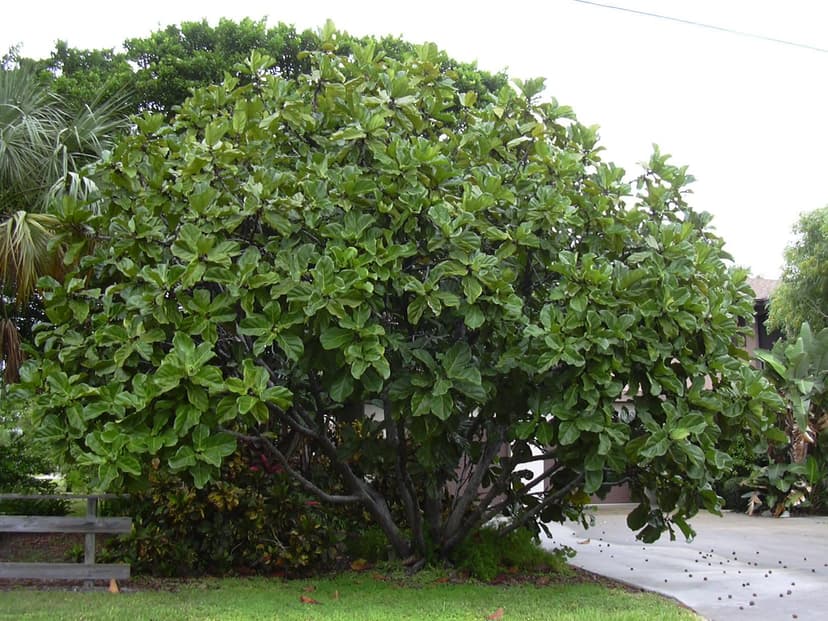
Fiddle Leaf Fig
Ficus lyrata
Also: FLF, Banjo Fig, Ficus Lyrata
The fiddle leaf fig is the statement houseplant of interior design, known for its large, violin-shaped leaves and tall, tree-like form. While stunning, it has a reputation for being finicky — it dislikes being moved, is particular about watering, and drops leaves in protest at environmental changes. Success with a fiddle leaf fig comes from finding the right spot and maintaining a consistent care routine.
By PlantFix Editorial Team · Sources: University Extension Programs, USDA
Care Summary
Tips
- – Pick a bright spot and commit to it — fiddle leaf figs hate being moved and will drop leaves in protest.
- – Water on a consistent schedule rather than guessing, and use a moisture meter until you learn the rhythm.
- – Rotate a quarter turn weekly to prevent the plant from leaning toward the light source.
- – Notch the trunk (a small cut above a node) to encourage branching if you want a bushier tree shape.
Common Problems
Brown spots on leaves
Causes
- – Root rot from overwatering — spots are dark brown, start near the base of the leaf, and spread outward
- – Bacterial infection — spots are lighter brown with yellowish margins and may appear anywhere on the leaf
- – Sunburn from direct, unfiltered sunlight — spots appear as dry, bleached patches on the sun-facing side
Solutions
- – For root rot: unpot, remove all brown mushy roots, let roots air-dry briefly, repot in fresh dry mix, and withhold water for a week
- – For bacterial spots: remove affected leaves immediately, improve air circulation, and avoid getting leaves wet
- – For sunburn: add a sheer curtain or move the plant 2-3 feet back from the window
Dropping leaves suddenly
Causes
- – Environmental shock from being moved to a new location, repotted, or exposed to a draft
- – Underwatering — the soil pulled away from the pot edges and the roots dried out
- – Temperature fluctuations from drafts, heating vents, or seasonal changes
Solutions
- – Find a bright spot and leave the plant there — fiddle leaf figs need time to acclimate and resent being moved
- – Establish a consistent watering routine (many growers water on the same day each week)
- – Keep away from doors, vents, and windows that create temperature swings
New leaves are small, stunted, or deformed
Causes
- – Insufficient light — the plant lacks energy to produce full-sized leaves
- – Root-bound plant that has exhausted the nutrients and space in its pot
- – Pest stress from spider mites or mealybugs draining nutrients
Solutions
- – Ensure 6+ hours of bright indirect light; supplement with a grow light if natural light is limited
- – Repot into a container 2 inches larger in diameter with fresh soil during spring
- – Inspect undersides of leaves for spider mite webbing or white cottony mealybug clusters
Leaves turning yellow and dropping from the bottom up
Causes
- – Overwatering causing root suffocation and early-stage root rot
- – Underwatering — chronic drought forces the plant to sacrifice older lower leaves
- – Nutrient deficiency, particularly nitrogen, after months without fertilizer
Solutions
- – Use a moisture meter — water only when the top 2 inches read dry
- – If underwatered, resume a consistent schedule and be patient — new growth takes time
- – Feed with a gentle liquid fertilizer (3-1-2 NPK) monthly during the growing season
White cottony clusters or fine webbing on leaves
Causes
- – Mealybugs (white cottony masses at leaf joints) or spider mites (fine webbing on undersides)
- – Dry indoor air and dusty leaves create ideal conditions for spider mites
- – Stress from overwatering or low light makes the plant more vulnerable to pests
Solutions
- – For mealybugs: dab each cluster with a cotton swab soaked in rubbing alcohol, then spray with neem oil
- – For spider mites: rinse leaves thoroughly in the shower, then apply neem oil weekly for 3-4 weeks
- – Increase humidity and clean leaves regularly to prevent spider mite recurrence
Treatment Guides
Spot something wrong with your Fiddle Leaf Fig? These guides cover the most common houseplant issues with step-by-step treatment plans.
Or use the diagnosis tool →More Plants
Get seasonal plant care reminders and pest alerts.