Yellow Leaves on Plants: Every Cause & How to Fix It
A comprehensive guide to diagnosing why your plant's leaves are turning yellow, with a decision tree and targeted fixes for every common cause.
11 min read · Updated 2026-08-06
By PlantFix Editorial Team · Sources: University Extension Programs, USDA, EPA
Why Are My Plant's Leaves Turning Yellow?
The most common reason houseplant leaves turn yellow is overwatering — when soil stays too wet, roots suffocate and can't deliver nutrients, causing lower leaves to yellow and feel mushy. Other frequent causes include underwatering (dry, crispy yellow leaves), insufficient light, nutrient deficiencies (especially nitrogen and iron), and natural aging of older leaves.
Here's a quick diagnostic: check the soil. If it's soggy, you're overwatering. If it's bone dry, you're underwatering. If the soil moisture is fine, look at which leaves are yellowing — bottom leaves suggest natural aging or nitrogen deficiency, while yellowing between green veins points to iron or magnesium deficiency. Pests like spider mites and aphids can also cause yellowing by draining nutrients from leaves.
Work through the causes below in order — they're ranked by how frequently each one is responsible. For a faster diagnosis, work through our guided symptom checker.
Overwatering: The Most Common Cause
Overwatering is far and away the number one reason houseplant leaves turn yellow. When the soil is constantly saturated, the roots cannot access oxygen and begin to suffocate. This condition, called root hypoxia, impairs the roots' ability to absorb water and nutrients, leading to symptoms that ironically look like underwatering.
Yellow leaves caused by overwatering typically appear first on the lower and older leaves of the plant. The yellowing is usually uniform across the entire leaf rather than blotchy or patchy. The leaves often feel soft, limp, and mushy rather than dry and crispy. You may also notice the stems becoming soft or the soil smelling musty or sour, which indicates the beginnings of root rot.
To fix overwatering, first let the soil dry out completely. Remove the plant from any saucer of standing water. For severe cases, unpot the plant and inspect the roots: healthy roots are white or tan and firm, while rotting roots are brown, black, mushy, and may have a foul odor. Trim away all dead roots with sterilized scissors, allow the root ball to air-dry for several hours, then repot in fresh, well-draining soil.
Going forward, always check the soil moisture before watering by inserting your finger an inch or two deep. If the soil still feels moist, wait. Most houseplants prefer to dry out at least partially between waterings. Consider switching to a pot with better drainage or a chunkier potting mix that retains less water.
Underwatering: The Other Extreme
While less common than overwatering as a cause of yellow leaves, chronic underwatering can also cause yellowing, particularly if the plant goes through repeated cycles of severe drought stress. The mechanism is different: without adequate water, the plant cannot transport nutrients from the soil to the leaves, and it sacrifices older, lower leaves to conserve resources for new growth.
Yellow leaves from underwatering tend to feel dry, crispy, and papery rather than soft and mushy. The leaf edges and tips often brown and curl before or alongside the yellowing. The soil will be visibly dry and may have pulled away from the sides of the pot. The whole plant may droop or wilt, and the pot will feel noticeably light when lifted.
The fix is straightforward: water the plant thoroughly until water drains from the bottom of the pot. If the soil has become hydrophobic (repelling water rather than absorbing it), bottom watering is the best approach. Place the pot in a basin of water and let it soak for 20 to 30 minutes until the soil is uniformly moist. You may need to do this a few times before the soil regains its ability to absorb water evenly from the top.
Establish a more consistent watering routine going forward. While you should always check the soil before watering rather than following a fixed schedule, setting a reminder to check every few days can help prevent forgetting about your plants entirely. Grouping plants with similar water needs together also makes care more manageable.
Light Issues: Too Much or Too Little
Insufficient light is a common and often overlooked cause of yellow leaves. Plants need light for photosynthesis, and when light levels are too low, they cannot produce enough chlorophyll (the green pigment) to maintain healthy leaf color. Leaves gradually fade from deep green to pale green to yellow, often starting with the lower leaves that are furthest from the light source.
Plants receiving too little light will also exhibit leggy, stretched growth as they reach toward the nearest light source. Internodes (the spaces between leaves on the stem) become elongated, and new leaves may emerge smaller than normal. If you notice these signs alongside yellowing, moving the plant closer to a window or supplementing with a grow light is the solution.
Too much direct sunlight can also cause yellowing, though the pattern is different. Sun-scorched leaves develop yellow or bleached patches on the sides facing the light source, often with crispy brown edges or spots. This is common when a plant that was grown in shade is suddenly moved into direct sun, or when afternoon sun hits a plant through a west-facing window.
The fix for light-related yellowing is to adjust the plant's position. Most popular houseplants thrive in bright, indirect light, which means near a window but not in the direct path of sunlight. East-facing windows provide gentle morning light. South and west-facing windows may need sheer curtains to diffuse intense afternoon rays. If your home has limited natural light, a full-spectrum LED grow light placed 12 to 18 inches from the plant for 10 to 14 hours per day can make a dramatic difference.
Nutrient Deficiency
If your watering and light conditions are appropriate but leaves are still yellowing, a nutrient deficiency may be the cause. The most common deficiency in houseplants is nitrogen, which is the nutrient plants need in the largest quantity for producing chlorophyll and supporting leafy growth.
Nitrogen deficiency causes older, lower leaves to turn uniformly pale green to yellow because the plant redirects this mobile nutrient from old leaves to support new growth at the top. The yellowing typically starts at the leaf tips and progresses inward. Unlike overwatering, the leaves usually remain firm and dry rather than soft and mushy.
Iron deficiency causes a distinctive pattern called interveinal chlorosis, where the leaf tissue between the veins turns yellow while the veins themselves remain green. This creates a striking contrast pattern and typically affects younger, newer leaves first because iron is relatively immobile in the plant.
Magnesium deficiency also causes interveinal chlorosis but affects older leaves first. Potassium deficiency causes yellowing and browning at the leaf margins, progressing inward.
The solution for nutrient deficiencies is to begin a regular fertilizing schedule. Most houseplants benefit from a balanced, water-soluble fertilizer (such as a 10-10-10 or 20-20-20 formula) applied at half the label-recommended strength every two to four weeks during the growing season (spring through early fall). Reduce or stop fertilizing in winter when growth slows. If you have not repotted in over a year, fresh potting mix will also replenish depleted nutrients.
Natural Aging and Leaf Shedding
Not all yellow leaves indicate a problem. As plants grow and produce new foliage, they naturally shed their oldest leaves. This is a normal part of the plant's lifecycle, and the older leaves at the base of the plant will gradually turn yellow and drop off as the plant redirects energy to newer growth.
You can distinguish natural leaf shedding from a problem by looking at the pattern and pace. If only one or two of the oldest, lowest leaves are yellowing at a time while the rest of the plant looks healthy and is actively producing new growth, this is almost certainly natural aging. There is nothing to fix and nothing to worry about.
However, if multiple leaves are yellowing simultaneously, if the yellowing is rapid rather than gradual, or if newer leaves near the top of the plant are affected, something else is going on. Similarly, if the rate of leaf loss exceeds the rate of new growth over time, the plant is declining rather than naturally cycling its foliage.
Some plants are more prone to noticeable leaf shedding than others. Plants with a rosette growth pattern (like dracaenas — including lucky bamboo — and corn plants) regularly shed lower leaves as the trunk elongates. Plants that produce leaves along trailing vines (like pothos and philodendrons) will naturally lose the oldest leaves closest to the base over time. Deciduous plants like ficus trees may drop leaves seasonally or in response to environmental changes like being moved to a new location.
Pests That Cause Yellow Leaves
Several common houseplant pests can cause leaves to turn yellow by feeding on plant sap or damaging leaf tissue. If you have ruled out watering, light, and nutrient issues, inspect your plant carefully for pests.
Spider mites create tiny yellow or white stippling dots on leaves that can merge into larger areas of yellowing. Check the undersides of leaves for fine webbing and tiny moving specks. Spider mites thrive in dry conditions and often attack during winter when indoor humidity drops.
Aphids cluster on new growth, buds, and the undersides of young leaves, sucking sap and causing the affected leaves to curl, distort, and turn yellow. They also excrete a sticky substance called honeydew that can attract sooty mold.
Mealybugs appear as white, cottony masses at leaf joints, along stems, and on the undersides of leaves. Heavy infestations drain the plant of nutrients, causing widespread yellowing and leaf drop. Scale insects look like small brown bumps on stems and leaves and cause similar damage.
Thrips are tiny, slender insects that feed by scraping the leaf surface and sucking up the released cell contents. Thrip damage appears as silvery or bronze streaks and patches on leaves, which can be accompanied by yellowing.
For all pest-related yellowing, the first step is to identify the specific pest and then treat with the appropriate method. Our guides on spider mites, aphids, and neem oil cover treatment methods in detail. Insecticidal soap is effective against most sap-sucking pests including aphids, mealybugs, spider mites, and whiteflies. On tomato plants specifically, pest feeding can also cause leaf curling alongside yellowing — if you're seeing both symptoms on tomatoes, check our tomato leaf curl diagnosis guide. Early detection through regular inspection is the best defense.
Temperature Stress
Most popular houseplants are tropical in origin and prefer temperatures between 60 and 80 degrees Fahrenheit. Exposure to temperatures outside this range, particularly cold drafts and sudden temperature swings, can cause leaves to turn yellow and drop.
Cold damage typically shows as yellowing that begins at the leaf edges and progresses inward, sometimes accompanied by a water-soaked or dark appearance. Plants placed near drafty windows, exterior doors, or air conditioning vents during winter are particularly vulnerable. Even a few hours of exposure to temperatures below 50 degrees Fahrenheit can cause noticeable damage to tropical plants.
Heat stress, while less common indoors, can occur when plants are placed near heating vents, radiators, fireplaces, or in direct afternoon sun through west-facing windows. Heat-stressed leaves may yellow, wilt, or develop scorched patches.
Sudden temperature changes are often more damaging than consistently slightly warm or cool conditions. A plant that experiences a 20-degree temperature drop overnight (such as near a window during a winter cold snap) may respond by dropping multiple leaves within days.
The fix is to move the plant to a location with more stable, moderate temperatures. Keep plants away from drafts, vents, and radiators. During winter, pull plants back from cold windows or place a layer of insulation (like bubble wrap) between the pot and the cold glass. A minimum-maximum thermometer placed near your plants can help you identify problematic temperature swings.
Decision Tree: Where Are the Yellow Leaves?
The location of yellow leaves on your plant is a powerful diagnostic clue. Use this decision tree to narrow down the most likely cause.
If the yellow leaves are at the bottom of the plant (oldest leaves): This is the most common scenario. If only one or two leaves are affected and the plant is otherwise healthy, this is likely natural aging. If multiple lower leaves are yellowing quickly, overwatering is the most probable cause. Check the soil moisture. If the soil is dry, consider nitrogen deficiency.
If the yellow leaves are at the top of the plant (newest leaves): Iron or manganese deficiency is the most likely cause, especially if the veins remain green while the tissue between them turns yellow (interveinal chlorosis). Very alkaline soil can lock out iron even when it is present, so consider checking your soil pH. If the new leaves are yellow and deformed or curled, check for aphids or thrips, which target new growth.
If the yellow leaves are randomly scattered throughout the plant: This pattern often indicates root problems, including root rot from overwatering, root-bound conditions, or pest damage to the root system. Unpot the plant and inspect the roots. Random yellowing combined with a sudden change in environment (new location, recent repotting, seasonal shift) may indicate transplant shock or acclimatization stress.
If all leaves are turning pale green to yellow uniformly: This usually indicates insufficient light. The plant is not producing enough chlorophyll across all of its foliage. Move it to a brighter location or add supplemental lighting.
If only leaves on one side are yellow: The most likely cause is directional light or temperature exposure. Leaves facing a cold window, a hot radiator, or receiving intense direct sun on one side can yellow while the rest of the plant looks fine.
Recommended Products
We earn a commission if you buy through these links, at no extra cost to you. We recommend based on what works, not what pays. How this works.
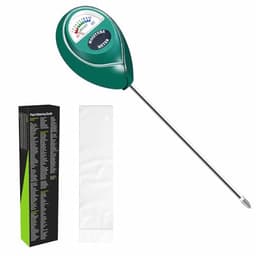
Simple probe-style meter that measures moisture levels deep in the pot where your finger cannot reach. Insert into the soil and get an instant reading on a scale from dry to wet. No batteries required. Helps prevent both overwatering and underwatering.
$6-$12 · Best for Eliminating watering guesswork, especially for large or deep pots
Check price on Amazon →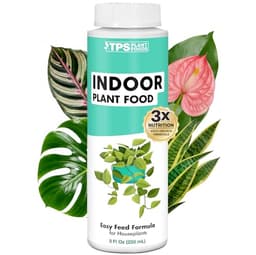
Water-soluble fertilizer with equal parts nitrogen, phosphorus, and potassium plus essential micronutrients including iron and magnesium. Dilute in water and apply every 2-4 weeks during the growing season. Corrects most common nutrient deficiencies.
$8-$15 · Best for Correcting nutrient deficiencies and maintaining ongoing plant health
Check price on Amazon →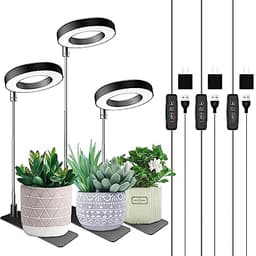
Adjustable clip-on or standing LED grow light that provides the full spectrum of light plants need for photosynthesis. Timer function allows automatic 10-14 hour light cycles. Low energy consumption and minimal heat output make it safe for indoor use near plants.
$15-$35 · Best for Supplementing natural light in dark rooms or during winter months
Check price on Amazon →Treatment information on PlantFix is educational. When using any pesticide — including organic options like neem oil or insecticidal soap — read and follow the entire product label; the label is the law. For persistent or high-stakes problems, your local university extension service offers free, region-specific advice. Read about how we source and verify treatment guidance in our Editorial Standards.
FAQ
Should I remove yellow leaves from my plant?▼
Yes, it is generally best to remove fully yellow leaves. Once a leaf has turned completely yellow, it will not turn green again because the chlorophyll has been broken down. The plant is reabsorbing remaining nutrients from the leaf before dropping it. You can speed this process along by gently pulling the leaf (it should come off easily if it is truly spent) or snipping it with clean scissors. Removing dead or dying foliage also improves air circulation and reduces the risk of fungal problems. If fungal disease is causing the yellowing — look for brown or black spots with yellow halos — a <a href="/guides/copper-fungicide">copper fungicide</a> can stop it from spreading to healthy leaves.
Can yellow leaves turn green again?▼
Partially yellow leaves can sometimes recover if the underlying cause is corrected quickly. A leaf that is just beginning to pale or has yellow tips may regain its color once watering, light, or nutrient issues are resolved. However, a leaf that has turned fully yellow has lost its chlorophyll and will not recover. Focus your energy on preventing additional leaves from yellowing rather than trying to save already-yellow ones.
Why are my plant's leaves turning yellow and falling off?▼
Yellow leaves that drop rapidly suggest the plant is under significant stress. The most common causes of rapid yellowing and leaf drop are overwatering leading to root rot, sudden environmental changes like a move or temperature shift, or a severe pest infestation. Check the soil moisture, inspect the roots, look for pests, and consider whether anything changed recently in the plant's environment. Address the root cause to stop further leaf loss.
Why are only the bottom leaves turning yellow?▼
Lower leaves yellowing is either natural aging (if only one or two leaves at a time and the plant is otherwise thriving) or a sign that the plant is redirecting nutrients upward due to nitrogen deficiency or overwatering. Check your soil moisture first. If the soil is consistently wet, let it dry out. If your watering is fine, try feeding the plant with a balanced liquid fertilizer at half strength.
Related
- Pothos Yellow Leaves: 8 Causes and the Fix for Each →
- Peace Lily Yellow Leaves: 6 Causes and How to Fix Each →
- Why Is My Peace Lily Dying? (Save-vs-Toss Triage) →
- Why Is My Peace Lily Drooping? 7 Causes and Quick Fixes →
- Monstera Yellow Leaves: 7 Causes and the Fix for Each →
- Snake Plant Yellow Leaves: Causes, Fixes and When to Worry →
- Why Is My Aloe Vera Turning Brown? (Mushy vs. Crispy) →
- Plant Leaves Turning Brown? Read the Location and the Texture →
- Spider Plant Yellow Leaves: Causes and How to Fix It →
- Spider Plant Brown Tips: The Tap-Water Cause and the Fix →
- Peace Lily Brown Tips: The Water-Quality Cause Everyone Misses →
- ZZ Plant Yellow Leaves: The Rhizome-Rot Cause and How to Save It →
- Money Tree Yellow Leaves: 7 Causes and How to Fix Each →
- Lucky Bamboo Yellow Leaves: Is It the Leaf or the Stalk? →
- Anthurium Yellow Leaves: Usually Overwatering, Not Thirst →
- Plant Leaves Curling? 7 Causes and the Fix for Each →
- Why Are My Prayer Plant Leaves Curling? (Normal vs. Distress) →
- Fiddle Leaf Fig Brown Spots: 5 Causes and How to Fix Each →
- White Spots on Plant Leaves: 6 Causes and How to Fix Each →
- How to Fix an Overwatered Plant (Root Rot Rescue) →
- Aphids on Plants: How to Kill Them Fast (and Stop the Ants) →
- Fungus Gnats: How to Identify & Eliminate Them for Good →
- Leaf Footed Bug vs Assassin Bug: How to Tell Them Apart (And Not Kill the Wrong One) →
- How to Revive a Dying Orchid: The 60-Second Triage →
- Plant Bugs: Identify Any Bug on Your Plant in 30 Seconds →
- Spider Mites: Identification, Treatment & Prevention Guide →
- How to Get Rid of Squash Bugs: Season-Long Battle Plan →
- Tiny Red Bugs: Clover Mites, Spider Mites & How to ID Them →
- Tiny White Bugs on Plants: Identify & Kill All 5 Types →
- Tomato Leaves Curling? 5 Causes Ranked by How Worried You Should Be →
- Whiteflies: The Shake Test, Damage Chain & 3-Week Treatment Protocol →
Plants Commonly Affected
Not sure what's wrong?
Use the diagnosis tool →Get seasonal plant care reminders and pest alerts.