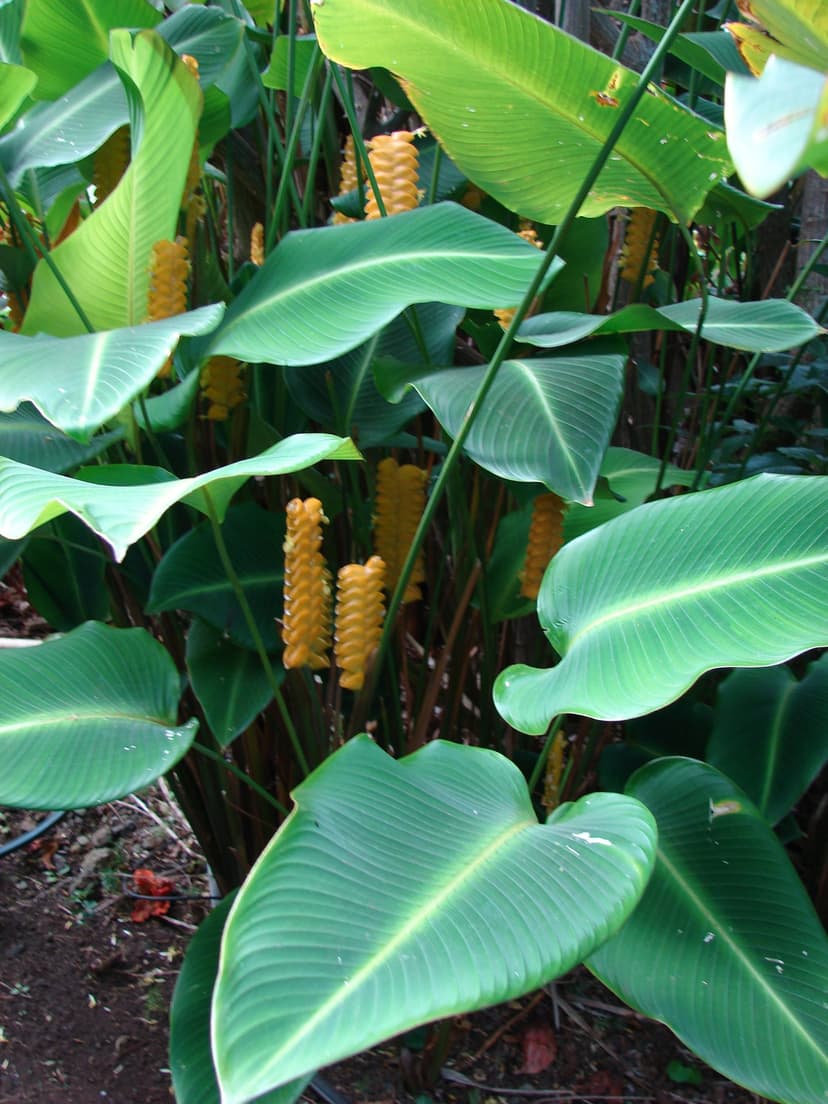
Calathea
Calathea spp. (Goeppertia spp.)
Also: Prayer Plant, Cathedral Plant, Rattlesnake Plant, Peacock Plant
Calatheas are beloved for their strikingly patterned foliage — from the pinstriped Calathea ornata to the wavy-edged Calathea lancifolia. They fold their leaves upward at night in a prayer-like motion (nyctinasty), revealing colorful purple or maroon undersides. While their beauty is unmatched, calatheas are demanding plants that require consistent humidity, careful watering, and protection from drafts.
By PlantFix Editorial Team · Sources: University Extension Programs, USDA
Care Summary
Tips
- – Invest in a humidifier — it is the single most impactful thing you can do for a calathea.
- – Never use unfiltered tap water. Calatheas are among the most chemically sensitive houseplants.
- – Calatheas fold their leaves up at night — if yours stops doing this, it may be stressed.
- – Keep away from all drafts, including air conditioning vents, which cause rapid leaf curling.
Common Problems
Brown, crispy leaf edges
Causes
- – Low humidity — the single most common calathea problem; they need 60%+ humidity consistently
- – Tap water chemicals (fluoride, chlorine, dissolved minerals) burning the leaf margins
- – Underwatering or inconsistent soil moisture
Solutions
- – Run a humidifier near the plant and aim for 60-70% humidity — pebble trays alone are usually insufficient for calatheas
- – Switch to distilled, filtered, or rainwater immediately — this is non-negotiable for calatheas
- – Water consistently when the top half-inch of soil feels dry; never let the soil dry out completely
Leaves curling inward
Causes
- – Underwatering or dehydration — the plant curls its leaves to reduce moisture loss
- – Low humidity compounding the dehydration effect
- – Cold drafts or sudden temperature drops causing stress
Solutions
- – Water thoroughly with room-temperature filtered water and increase ambient humidity
- – Move away from air conditioning vents, exterior doors, and drafty windows
- – Group with other plants to create a humidity microclimate
Fading or losing leaf patterns
Causes
- – Too much direct sunlight bleaching the intricate leaf patterns
- – Too little light causing the plant to produce plainer leaves to maximize photosynthesis
Solutions
- – Place in medium indirect light — a north or east-facing window is ideal for calatheas
- – Use a sheer curtain to diffuse light from south or west windows
- – Avoid both extremes — calatheas need the Goldilocks zone of consistent, gentle light
Spider mites (tiny specks and fine webbing on leaf undersides)
Causes
- – Dry indoor air — spider mites thrive in low-humidity environments, exactly the conditions calatheas struggle in
- – Dusty leaves providing hiding spots for mites
- – Stressed plants from underwatering or low humidity are more susceptible
Solutions
- – Wipe leaves (including undersides) with a damp cloth weekly to remove mites and eggs
- – Shower the plant thoroughly and apply neem oil or insecticidal soap — repeat weekly for 3-4 weeks
- – Raising humidity to 60%+ both helps the calathea and discourages spider mites simultaneously
Yellowing leaves with mushy stems
Causes
- – Overwatering — while calatheas like moist soil, waterlogged conditions cause rapid root rot
- – Poor drainage trapping excess water around the roots
- – Cold temperatures slowing water uptake and keeping soil wet longer
Solutions
- – Reduce watering slightly — soil should be moist, not saturated; check before watering each time
- – Ensure the pot has drainage holes and use a well-aerated soil mix with perlite and bark
- – Remove affected yellow leaves at the base and check roots for rot
Treatment Guides
Spot something wrong with your Calathea? These guides cover the most common houseplant issues with step-by-step treatment plans.
Or use the diagnosis tool →More Plants
Get seasonal plant care reminders and pest alerts.