Rayanne Lehman, Pennsylvania Department of Agriculture, B… (CC BY 3.0 us)
Tiny Red Bugs: Clover Mites, Spider Mites & How to ID Them
Identify tiny red bugs on your plants, windowsills, or patio. Learn the differences between clover mites, spider mites, chiggers, and red velvet mites — plus treatment steps for each.
12 min read · Updated 2026-08-04
By PlantFix Editorial Team · Sources: University Extension Programs, USDA, EPA
What Are Those Tiny Red Bugs?
Those tiny red bugs you're seeing are almost certainly one of four things: clover mites, spider mites, chiggers, or red velvet mites. The most common culprit depends entirely on where you found them. If they're crawling across your windowsill, patio, or the sunny side of your house, they're clover mites — harmless plant-feeders that show up by the thousands every spring. If they're on your houseplant leaves, especially underneath them, you're likely dealing with spider mites, and those need immediate attention before they destroy the plant.
I've seen more panicked posts on r/plantclinic about "tiny red dots" than almost any other pest question. People spot these nearly invisible specks, crush one on a white surface, see a red smear, and immediately assume the worst. Most of the time it's nothing to worry about. But spider mites are the exception — and catching them early is the difference between a quick fix and losing a plant.
This guide covers all four types, how to tell them apart in under 30 seconds, and exactly what to do about each one.
Identification: Which Red Bug Do You Have?
The fastest way to identify your tiny red bug is to answer three questions: Where did you find it? Is there webbing? Does it bite?
Clover mites are the most common tiny red bug people encounter. They measure about 0.75mm — roughly the size of a pinhead — and have a distinctive pair of extra-long front legs that stick out forward like antennae. You'll find them swarming on concrete, windowsills, siding, and the sunny side of buildings, especially in spring when temperatures are between 45°F and 80°F. They feed on grass, clover, and outdoor plants. They don't bite, don't damage houseplants, and don't infest your home — they just wander inside through cracks and die within a few days from dehydration. The dead giveaway: crush one on a white surface and it leaves a bright red-orange streak.
Spider mites are smaller than clover mites — around 0.4mm, barely visible without magnification. You'll find them on houseplant leaves, particularly the undersides. The telltale sign is fine, silky webbing between leaves and stems, plus tiny yellow or white stippling dots on leaf surfaces where cells have been drained. Spider mites are serious plant pests that reproduce explosively in warm, dry conditions. A female lays up to 200 eggs, and a new generation hatches every 1-2 weeks. They don't bite humans.
Chiggers (harvest mites) are bright orange-red larvae found outdoors in tall grass, brush, and woodland edges. You'll never find chiggers on houseplants or windowsills — they're exclusively outdoor pests that latch onto skin and inject digestive enzymes, causing intensely itchy red welts around ankles, waistbands, and anywhere clothing fits tightly. They're smaller than clover mites at about 0.15mm and almost impossible to see individually. If you're getting bitten and seeing red, it's chiggers.
Red velvet mites are the giants of the tiny red bug world at 2-4mm — large enough to see clearly without squinting. They're bright red with a distinctive fuzzy, velvety texture. You'll spot them on soil, mulch, or pavement after spring rains. They're actually beneficial predators that eat pest insects and their eggs. Leave them alone — they're helping your garden.
The 30-Second Identification Test
Still not sure? Run through this quick decision tree.
Step 1: Where are the bugs? If they're on your windowsill, patio, exterior walls, or concrete — they're clover mites. If they're on your houseplant leaves (especially undersides) — they're spider mites. If you found them in soil or mulch after rain — they're red velvet mites. If you're getting itchy bites after being outdoors in tall grass — those were chiggers.
Step 2: Check for webbing. Hold the plant leaf up to a light source and look at the undersides and where leaves meet stems. See fine, silky threads? That's spider mites, confirmed. Clover mites and red velvet mites don't make webbing.
Step 3: Do the white paper test. Hold a white sheet of paper under a suspicious leaf and tap or shake the leaf gently. Spider mites will fall onto the paper as tiny moving specks. Under a phone camera zoomed in, you can count eight legs and an oval body.
Step 4: Do the crush test. Gently press one of the bugs on a white paper towel. Clover mites leave a distinctive bright red-orange stain. Spider mites leave a greenish or brownish streak depending on what they've been feeding on.
If the bug reads more orange than red, cross-check our tiny orange bugs guide; if it's green, see tiny green bugs. Still unsure? Work through our diagnosis tool — a few questions about size, color, and location narrow it to the most likely pest.
Clover Mites: The Harmless Invaders
Clover mites (Bryobia praetiosa) are by far the most common tiny red bug people find in and around their homes. According to Purdue University Extension, they're true mites related to ticks and spiders, with eight legs and oval reddish-brown bodies. Their front pair of legs is roughly twice the length of the others, which is their most reliable identifying feature.
They peak in early spring (late March through May) and again in fall (September through November) when temperatures hover between 45°F and 80°F. During summer heat above 80°F, they go dormant. You'll typically see them on the south-facing or west-facing sides of buildings where the sun hits first, and they'll enter homes through tiny cracks around windows, doors, and foundation gaps.
Here's what matters: clover mites don't bite humans, don't damage your house, don't breed indoors, and don't infest houseplants. They feed exclusively on outdoor vegetation — grasses, clover, dandelions, and ornamental plants. Once they wander inside, they die within 2-3 days from dehydration. The only real damage they cause is a red stain on walls, curtains, or carpet if you crush them.
To get rid of clover mites indoors, vacuum them up — don't squish them. The vacuum prevents staining and removes them effectively. They'll stop coming inside on their own once temperatures rise above 80°F or drop below freezing.
For prevention, the University of Missouri Extension recommends creating an 18-24 inch gravel or bare soil barrier between your lawn and your foundation. Clover mites travel across grass to reach buildings, so removing that grass bridge cuts off their path. Avoid over-fertilizing your lawn near the foundation — lush, well-fed grass is exactly what attracts them. Plants that repel clover mites include marigolds, salvia, petunias, chrysanthemums, and barberry shrubs — consider planting these in your foundation beds. For detailed treatment steps and seasonal prevention, see our full guide to clover mites.
Spider Mites: The Ones You Need to Worry About
If the tiny red bugs are on your houseplant leaves, you almost certainly have spider mites (family Tetranychidae), and you need to act fast. Our detailed spider mites guide covers the full lifecycle and advanced treatment protocols. The two-spotted spider mite (Tetranychus urticae) is the most common species on indoor plants, and despite its name, it's often red or reddish-brown, especially in cooler conditions or when populations are dense.
Spider mites are the most destructive houseplant pest relative to their size. They feed by puncturing individual plant cells with needle-like mouthparts and draining the contents. Each feeding site becomes a tiny yellow or white dot (stippling). A few mites cause barely noticeable damage, but populations double every 5-7 days in warm, dry indoor air. Within three weeks, a handful of mites becomes thousands, and your plant goes from slightly speckled to seriously damaged with yellowing, bronzing, and leaf drop.
Here's my recommended treatment protocol, based on what actually works:
Day 1: Isolate the plant immediately. Take it to a sink or shower and blast every surface — tops and bottoms of leaves, stems, leaf joints — with a strong stream of lukewarm water. This physically removes 70-80% of mites and their webbing. Let the plant drain.
Day 2: Apply insecticidal soap spray. Cover every surface, paying special attention to leaf undersides. The soap dissolves the mites' protective coating on contact. You must hit them directly — insecticidal soap has no residual effect once it dries.
Day 7: Apply neem oil spray (1-2 tablespoons cold-pressed neem oil + 1 teaspoon castile soap per gallon of warm water). Neem disrupts mite feeding and reproduction through its active compound azadirachtin. Apply in the evening to avoid leaf burn.
Day 14: Repeat neem oil application. By now, any eggs that survived the initial treatment have hatched, and this application catches the new generation.
Day 21: Inspect carefully. If you still see stippling or new webbing, repeat the neem treatment. If the plant looks clean, continue monitoring weekly for another month.
The most common mistake I see people make is treating once, seeing improvement, and stopping. Spider mite eggs are resistant to most treatments, so you must continue through at least two full reproductive cycles (about 3 weeks) to break the population.
Critical prevention tip: spider mites thrive in dry air. Keep humidity above 50% around susceptible plants, especially during winter when heating systems parch indoor air. A $10 hygrometer next to your plants is the best early warning system you can buy.
Chiggers: Outdoor Biters (Not a Plant Problem)
Chiggers (Trombiculidae family) are the larval stage of harvest mites. They're bright orange-red, incredibly small (0.15mm — you'd need a magnifying glass), and found exclusively outdoors in tall grass, brush, berry patches, and wooded areas. If you're reading this because you found tiny red bugs on your houseplants, it's not chiggers.
But since "tiny red bugs that bite" is a common search, here's what you need to know. Chiggers don't actually burrow into skin, despite the popular myth. They attach to skin at pores or hair follicles, inject digestive enzymes that break down skin cells, and feed on the liquefied tissue. The intense itching and red welts start 3-6 hours after exposure and can last up to two weeks. Bites cluster around ankles, behind knees, waistbands, and underwear lines — anywhere clothing is snug against skin.
To treat chigger bites, wash the area with soap and hot water as soon as possible to remove any attached mites. Apply calamine lotion, hydrocortisone cream, or an antihistamine like Benadryl for the itching. Avoid scratching — broken skin can lead to secondary infections.
To avoid chiggers outdoors: wear long pants tucked into socks, apply DEET-based insect repellent to shoes and lower legs, and shower immediately after spending time in tall grass or brush. Chiggers peak in late spring through early fall, coinciding with warm, humid weather.
Red Velvet Mites: The Beneficial Ones
Red velvet mites (family Trombidiidae) are the gentle giants of the tiny red bug world. At 2-4mm long, they're actually visible to the naked eye — much larger than clover mites or spider mites. Their most distinctive feature is a fuzzy, velvety texture that makes them look like tiny red cotton balls with legs. You'll typically see them crawling across soil, mulch, or pavement after warm spring rains.
Here's the thing most articles won't tell you: red velvet mites are actively beneficial. They're predators that feed on pest insect eggs, small arthropods, and other mites — including the harmful ones. According to Ohio State University Extension, their presence is actually a sign of a healthy garden ecosystem. They don't bite humans, don't damage plants, and don't enter homes in any meaningful numbers.
If you find red velvet mites in your garden or on your patio, do absolutely nothing. Resist the urge to spray them. They're one of nature's pest control agents, and killing them removes a free defense against actual pests. Think of them as the ladybugs of the mite world — a welcome sight in any garden.
Concrete Mites: Spring Patio Swarms
There's a fifth category worth mentioning: concrete mites (sometimes called sidewalk mites). These are actually a catch-all term that usually refers to clover mites or predatory mites in the genus Balaustium that swarm on sun-warmed concrete, pavers, and stone surfaces in spring.
Ohio State University's BYGL newsletter describes them as fast-moving bright red mites that appear in massive numbers on patios, retaining walls, and outdoor furniture during late April through early June. They peak on warm sunny days and virtually disappear by midsummer.
Like clover mites, concrete mites are harmless — no biting, no plant damage, no structural damage. They're feeding on pollen, algae, and tiny invertebrates on the concrete surface. A strong blast from a garden hose is the most effective removal method if their numbers bother you. They'll leave on their own as temperatures climb through summer.
If you're seeing masses of tiny red bugs specifically on your patio or driveway in spring, this is almost certainly what you're dealing with. No treatment needed — just patience.
When to Actually Worry (and When to Relax)
Let me save you some anxiety. Out of all the tiny red bugs covered in this guide, exactly one is a real problem for your houseplants: spider mites. Everything else — clover mites, red velvet mites, concrete mites — is either harmless or beneficial.
Here's your worry-or-relax cheat sheet:
Relax if: The bugs are on your windowsill, concrete, or exterior walls. They're clover mites or concrete mites. They'll die indoors within days. Vacuum them up if they bother you.
Relax if: The bugs are large enough to see details clearly (2mm+), fuzzy-looking, and on soil or pavement after rain. That's a red velvet mite. It's helping your garden.
Worry if: You see fine webbing on your plant, tiny specks moving on leaf undersides, and yellow stippling dots on leaves. That's spider mites. Isolate the plant, start treatment today.
Worry if: You're getting itchy bites after being outdoors in tall grass. That's chiggers. Treat the bites, not the yard.
The key rule: if the red bugs are on your plant and there's webbing, take action. If they're anywhere else and there's no webbing, you're fine. If the bugs are white and cottony rather than red, you may have mealybugs instead — a different pest requiring different treatment. When in doubt, our diagnosis tool can help you narrow down what you’re dealing with.
Prevention: Keeping Red Bugs Away from Plants and Home
For spider mites on houseplants, prevention is about humidity and vigilance. These mites thrive when indoor air drops below 40% relative humidity — which happens in most heated homes from November through March. A room humidifier near your plant collection is the single best investment you can make. Failing that, group your plants together (they create their own humid microclimate), place pots on pebble trays filled with water, and wipe leaves with a damp cloth every 2 weeks to remove dust and early mite colonies.
Inspect new plants before bringing them home. Nurseries and garden centers are ground zero for spider mites. Check leaf undersides with your phone's camera zoomed in. Quarantine every new plant for 2 weeks before introducing it to your collection.
For clover mites, the 18-24 inch gravel barrier along your foundation is the most effective prevention. Keep grass trimmed short near the house and avoid over-fertilizing foundation plantings. Seal cracks around windows and door frames with caulk. A line of diatomaceous earth along windowsills and foundation cracks provides a non-toxic physical barrier that kills clover mites through desiccation. If you've had recurring spring invasions, a perimeter spray with bifenthrin or permethrin in early March (before mites become active) can provide season-long protection — but this is rarely necessary for most homes.
For chiggers, keep grass mowed short, clear brush from areas where you spend time outdoors, and apply DEET repellent to shoes and lower legs before hiking or gardening in tall vegetation.
Recommended Products
We earn a commission if you buy through these links, at no extra cost to you. We recommend based on what works, not what pays. How this works.
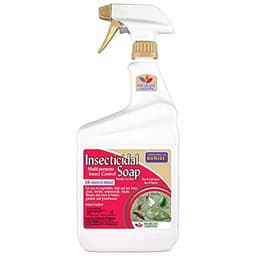
Potassium salts of fatty acids that kill spider mites on contact by dissolving their protective coating. Must contact the mites directly to work, so thorough coverage of leaf undersides is essential. Safe for indoor use with no toxic residue. Reapply every 5-7 days for 3 weeks.
$8-$14 · Best for First-line treatment for spider mite infestations on houseplants
Check price on Amazon →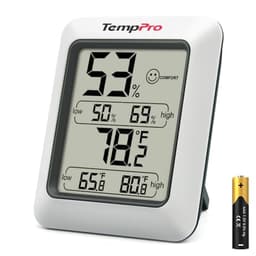
Monitors humidity and temperature near your plants with min/max memory. Spider mites thrive below 40% humidity, so keeping levels above 50% is the single best prevention. Place it at plant level for accurate readings. No batteries required for most probe-style models.
$8-$15 · Best for Preventing spider mite outbreaks by monitoring dry air conditions
Check price on Amazon →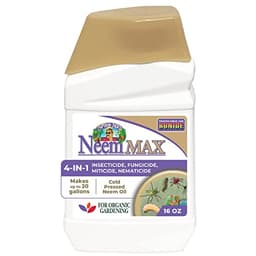
Pure neem oil with active azadirachtin that disrupts spider mite feeding and reproduction. Mix 1-2 tablespoons with 1 teaspoon castile soap per gallon of warm water. Apply to all leaf surfaces every 7 days for 3 weeks. Also effective against aphids, mealybugs, and scale.
$10-$18 · Best for Ongoing spider mite treatment with residual repellent effect
Check price on Amazon →Treatment information on PlantFix is educational. When using any pesticide — including organic options like neem oil or insecticidal soap — read and follow the entire product label; the label is the law. For persistent or high-stakes problems, your local university extension service offers free, region-specific advice. Read about how we source and verify treatment guidance in our Editorial Standards.
FAQ
Are tiny red bugs harmful to humans?▼
Most tiny red bugs are completely harmless. Clover mites, concrete mites, and red velvet mites don't bite and pose no health risk. The exception is chiggers, which are tiny outdoor mites that cause itchy bites — but chiggers are found in tall grass, not in homes or on houseplants. Spider mites can't bite humans either. The only real concern with clover mites is the red stain they leave if you crush them on fabric or walls.
Why are tiny red bugs all over my windowsill?▼
Those are clover mites. They're attracted to the warmth of sun-facing surfaces and enter homes through tiny cracks around windows. They peak in spring (March-May) when temperatures are between 45°F and 80°F. They don't bite, breed indoors, or damage anything — they'll die within 2-3 days from dehydration. Vacuum them up rather than squishing them to avoid red stains. To prevent them, seal window cracks and create an 18-24 inch gravel barrier between your lawn and foundation.
Do tiny red bugs bite?▼
Clover mites, spider mites, red velvet mites, and concrete mites do not bite humans. If you're being bitten by tiny red bugs outdoors, those are likely chiggers (harvest mite larvae), which attach to skin and cause intensely itchy welts. Chiggers are found in tall grass and wooded areas, not indoors or on houseplants. If you have bites, wash with hot soapy water and apply hydrocortisone cream for relief.
How do I tell the difference between clover mites and spider mites?▼
Location is the easiest way: clover mites are found on windowsills, exterior walls, and concrete — they don't infest houseplants. Spider mites are found on plant leaves, especially undersides. Spider mites also produce fine silky webbing between leaves; clover mites don't make webbing. Size-wise, clover mites (0.75mm) are slightly larger than spider mites (0.4mm). The crush test helps too: clover mites leave a bright red streak, while spider mites leave a greenish-brown mark.
Will tiny red bugs damage my houseplants?▼
Only spider mites damage houseplants. They feed by puncturing plant cells and draining the contents, causing yellow stippling, leaf yellowing, and eventual leaf drop. Clover mites feed on outdoor grasses and clover — not houseplants. Red velvet mites are predators that eat pest insects and are actually beneficial. If you see red bugs on your houseplant with webbing present, treat immediately with insecticidal soap or neem oil to prevent spreading.
Related
- Clover Mites: The Harmless Red Bugs That Stain When Crushed →
- Garden Pest Identification: 25+ Bugs by the Damage They Do →
- Houseplant Pests: Visual ID Guide to Every Bug on Your Indoor Plants →
- Neem Oil for Plants: Complete Guide to Using It Effectively →
- Plant Bugs: Identify Any Bug on Your Plant in 30 Seconds →
- Potato Bug Pictures: 3 Insects, 1 Confusing Name (ID Guide) →
- Soil Mites in Houseplants: The 4-Type ID Guide (Most Are Helping Your Plant, Not Hurting It) →
- Spider Mites: Identification, Treatment & Prevention Guide →
- Tiny Red Spiders: Clover Mites vs Spider Mites vs Red Velvet Mites (ID Guide) →
- Tiny White Bugs on Plants: Identify & Kill All 5 Types →
- Tiny Orange Bugs on Plants: What They Are (5 Culprits) →
- Tiny Green Bugs on Plants Are Almost Always Aphids →
- Yellow Leaves on Plants: Every Cause & How to Fix It →
Not sure what's wrong?
Use the diagnosis tool →Get seasonal plant care reminders and pest alerts.