Mealy Bugs on Plants: How to Identify & Kill Them Fast
13 min read · Updated 2026-08-11
white fuzzy stuff on my plant
Mealybugs.
Your plant recovers.
- Treat for
- 6–8 wks
- Spreads?
- Yes, fast
- Kills plant?
- Rarely
Do this in the next 5 minutes
Separate the plant from your others
Do this before anything else. They crawl between pots that touch, so one plant becomes five while you're still reading about it.
What kills them
- Likely at home
Rubbing alcohol, 70%
On a cotton bud, dabbed directly onto each white spot. Alcohol dissolves the waterproof wax coating, which is why plain water does nothing. They turn from white to translucent tan when it works.
- Likely at home
Dish soap and water
One teaspoon per litre, sprayed until the leaves drip. Coverage matters far more than strength — get into every leaf joint.
- $8–14
One tablespoon per quart, every 7 days. More reliable than dish soap and gentler on the plant over a long course.
- $12–18
Rotate this in around day 14. It works by a different mechanism, which stops survivors adapting to the soap.
Confirm before you treat
- Cottony and raised — not flat or shiny
- Tucked where the leaf meets the stem
- Leaves a waxy smear when you wipe it
Failure point · Day 14
Stopping when it looks clean
The eggs are sealed inside wax where sprays can't reach, and they hatch from day seven onward. The plant looking clean at two weeks is exactly when people stop — and exactly why it comes back.
By PlantFix Editorial Team · Sources: University Extension Programs, USDA, EPA
What Are Mealybugs and How to Kill Them
Mealybugs are small, soft-bodied insects covered in a white waxy coating that makes them look like tiny cotton puffs. They're 1/8 to 1/4 inch long, feed on plant sap, and cluster at leaf joints, along stems, and on leaf undersides. For small infestations (fewer than a dozen visible bugs), dab each one directly with a cotton swab dipped in 70% rubbing alcohol — it dissolves their waxy coating and kills them on contact. For larger infestations, spray the entire plant with insecticidal soap every 7 days for 6-8 weeks.
The reason mealybugs keep coming back is their lifecycle. A single female lays 100-600 eggs in a cottony sac, and those eggs hatch over 6-14 days into tiny crawlers that scatter across the plant before you see them. One treatment kills the adults you can see, but eggs survive. Then the next generation appears 2-3 weeks later and you're back to square one. The only way to fully eliminate mealybugs is sustained treatment over 6-8 weeks — long enough to catch every generation as it hatches.
If you're not sure whether the white things on your plant are mealybugs, work through our diagnosis tool — it will confirm the ID in a few questions.
How to Identify Mealybugs (And What They're Not)
Mealybugs look like small white cottony masses wedged into the crevices of your plant — leaf axils, stem joints, where leaves attach to the main stem, and leaf undersides. Many people don't realize they're insects at all until they wipe one off and see the soft, oval, segmented body underneath the waxy coating. According to the University of Maryland Extension, they range from 1/16 to 1/4 inch depending on species and maturity.
The most common species on houseplants is the citrus mealybug (Planococcus citri), followed by the longtailed mealybug (Pseudococcus longispinus) — identifiable by its two long waxy tail filaments that can be as long as its body. Both species produce honeydew, a sticky sugary excretion that coats leaves and surfaces below the infestation. If your plant's leaves feel tacky and you didn't spray anything, check the stems and leaf joints above for mealybugs.
Black sooty mold often develops on honeydew deposits, turning leaves dark. You may also notice ants crawling on an infested plant — ants "farm" mealybugs for their honeydew, protecting them from predators in exchange. If you see ants on your houseplant and no obvious food source, check for mealybugs.
What mealybugs aren't: woolly aphids look similar but are more elongated and typically found on woody stems. Whiteflies also produce honeydew and cluster on leaf undersides, but they have visible wings and scatter into the air when disturbed — mealybugs don't fly. Scale insects are brown, hard-shelled, and look like bumps rather than cotton — their close cousins, but treated differently. Powdery mildew is a white fungal coating on leaf surfaces — it doesn't form discrete cottony masses at joints.
A detail most guides miss: check outside the pot too. The University of New Hampshire Extension notes that mealybugs can nest on the outside of pots, under pot rims, near drainage holes, and even under saucers. I've seen people treat a plant repeatedly, miss the colony under the pot lip, and wonder why the mealybugs keep returning.
The Mealybug Lifecycle: Why One Treatment Never Works
Understanding the mealybug lifecycle explains why most people fail to get rid of them. It's not that the treatments don't work — it's that people stop treating too soon.
Female mealybugs lay 100-600 eggs in cottony egg sacs over a 1-2 week period. According to NC State Extension, eggs are protected inside these waxy sacs where contact sprays can't reach them. The eggs hatch in 6-14 days, releasing tiny yellowish-pink crawlers — the only mobile stage. Crawlers are barely visible to the naked eye and spread rapidly across the plant, wedging into every crevice before settling down to feed.
Once settled, crawlers begin producing their own white waxy coating and transition through several nymph stages over 4-8 weeks before reaching adulthood. Adults are the cottony white bugs you notice. The total lifecycle from egg to egg-laying adult takes 30-60 days depending on temperature, with faster development in warm conditions.
Here's the critical problem: at any given time, your plant has eggs, crawlers, nymphs, AND adults simultaneously. A spray treatment on Day 1 might kill every visible adult and nymph, but eggs inside their waxy sacs survive. Those eggs hatch on Day 7-14, and the new crawlers settle and grow into the next round of visible mealybugs by Day 21-30. If you stopped treating after the first spray because the plant "looked clean," you just let a fresh generation establish itself.
The UC Davis IPM Program notes that the waxy coating on adult mealybugs reduces pesticide penetration by 60-80%. Water-based sprays literally bead up and roll off their bodies. This is why rubbing alcohol — which dissolves the wax — is so effective for direct spot treatment, and why systemic insecticides that work from inside the plant are the most reliable option for severe infestations.
Bottom line: plan for 6-8 weeks of consistent treatment, minimum. Most failures happen at the 2-week mark when people see improvement and stop.
5 Treatment Methods Ranked by Infestation Severity
Match the treatment intensity to how bad your infestation is. Overreacting wastes product and effort. Under-reacting lets the problem grow.
Mild (fewer than a dozen visible mealybugs) — Rubbing alcohol spot treatment. Dip a cotton swab in 70% isopropyl alcohol and dab each visible mealybug directly. The alcohol dissolves their waxy protective coating and kills them on contact. Work through every leaf joint, stem crevice, and leaf underside. Check again in 3 days and spot-treat any you missed. Continue weekly inspections for 6 weeks. This is tedious on large plants but remarkably effective when caught early. The University of New Hampshire Extension recommends this as the first-line treatment for houseplant mealybugs.
Moderate (dozens of visible mealybugs on multiple leaves) — Insecticidal soap spray. Mix 1 tablespoon insecticidal soap per quart of water, or use a ready-to-use spray. Coat every surface of the plant — tops and bottoms of leaves, all stems, leaf joints, and around the pot rim. The soap kills on contact by dissolving the waxy coating. Reapply every 7 days for 6-8 weeks. No residual effect once dry, so thorough coverage matters.
Moderate-severe (widespread, honeydew visible, sooty mold) — Neem oil drench and spray. Apply neem oil spray (1-2 tablespoons cold-pressed neem oil + 1 teaspoon castile soap per gallon of warm water) to all foliage. Additionally, drench the soil with the same solution to reach any root mealybugs. Neem's active ingredient azadirachtin disrupts mealybug feeding, molting, and reproduction — a different mode of action from soap. Alternate between soap and neem weekly for best results.
Severe or recurring — Systemic insecticide granules. Products containing imidacloprid (like Bonide Systemic Houseplant Insect Control) are mixed into the soil and absorbed by plant roots. When mealybugs feed on the sap, they ingest the insecticide and die. Systemics reach bugs that surface sprays can't — hidden crawlers in leaf sheaths, root mealybugs underground, and any insect feeding on any part of the plant. Protection lasts 6-8 weeks. Not safe for edible plants.
Biological control (large collections or greenhouses) — The mealybug destroyer (Cryptolaemus montrouzieri) is a predatory ladybug whose larvae look like large mealybugs — a brilliant disguise. Both adults and larvae eat mealybugs voraciously. This is primarily for greenhouse or large indoor collection settings where buying beneficial insects makes economic sense.
The 8-Week Treatment Timeline
This is the timeline I recommend for moderate to severe infestations. It accounts for overlapping generations, egg hatching schedules, and the need to rotate treatment methods to prevent resistance.
Day 1 — Isolate the plant away from all other plants immediately. Mealybug crawlers can walk between touching pots, and some produce fine waxy threads that catch air currents. Do a thorough manual removal: use rubbing alcohol on a cotton swab for every visible mealybug. Check under leaves, in leaf sheaths, at stem joints, under the pot rim, and near drainage holes. Then spray the entire plant with insecticidal soap.
Days 3-5 — Check for survivors you missed. Spot-treat with alcohol. Pay attention to deep crevices where mealybugs retreat — the point where leaves wrap around the stem is a favorite hiding spot.
Day 7 — Second insecticidal soap spray. Be thorough. Some eggs from the original infestation are hatching now, releasing crawlers that are vulnerable to soap treatment.
Day 14 — Switch to neem oil spray. The mode-of-action rotation prevents any surviving mealybugs from developing tolerance. Neem disrupts their feeding and reproduction through azadirachtin, a completely different mechanism than soap.
Day 21 — Back to insecticidal soap. This catches the second wave of crawlers from eggs that were laid around Day 1-7 by adults you might have missed.
Day 28 — Neem oil again. By this point, you should be seeing dramatic improvement. If mealybugs are still appearing in numbers, consider adding systemic granules to the soil for internal protection.
Days 35-42 — Continue monitoring. Apply treatment if ANY mealybugs are spotted. A single overlooked female can lay 600 eggs and restart the cycle.
Day 56 — If the plant has been clean for two consecutive weeks with no new mealybugs appearing, the infestation is likely broken. Continue weekly inspections for another month as a precaution.
The most common failure point is Day 14-21, when the plant looks clean and people stop treating. Those invisible eggs are still hatching. Stay the course.
Which Plants Get Mealybugs Most
Certain plants attract mealybugs more than others, and knowing which ones are vulnerable helps you prioritize inspection and prevention.
Succulents top the list. Jade plants, echeveria, haworthia, and sedums are mealybug magnets. Their thick, fleshy leaves store sap-rich tissue that mealybugs love, and the tight rosette formations create perfect hiding spots where sprays can't penetrate. I see more mealybug questions about succulents than any other plant type on Reddit's r/plantclinic.
Orchids are another high-risk group, particularly phalaenopsis. Mealybugs hide in the crown, at the base of leaves where they meet the stem, and between the tightly packed leaf sheaths. They're maddeningly difficult to reach with sprays in an orchid's structure. The American Orchid Society recommends isopropyl alcohol as the primary treatment specifically because of these access challenges.
Fiddle leaf figs attract mealybugs to their large leaf joints and the thick central stem. Check where each leaf petiole meets the trunk.
Citrus plants — including indoor meyer lemons and calamondin oranges — are so commonly affected that the most common houseplant mealybug species is literally named the "citrus mealybug."
Hoyas, with their waxy leaves and tangled vine growth, provide endless crevices for mealybugs to colonize.
African violets are susceptible to root mealybugs specifically, which hide in the soil and feed on roots beneath the soil surface.
Why these plants? Mealybugs are attracted to soft, nitrogen-rich growth. Plants that have been heavily fertilized — especially with high-nitrogen formulas — produce exactly the tender, sap-filled tissue mealybugs prefer. Overfertilizing is a genuine risk factor. Use balanced fertilizers at half strength rather than pushing vigorous growth.
Root Mealybugs: The Infestation You Can't See
There's a whole category of mealybugs that most plant owners never think about because they live entirely below the soil surface. Root mealybugs (Rhizoecus species) feed on plant roots, producing the same white waxy coating you'd see on above-ground mealybugs — but you can't see it unless you unpot the plant.
Signs of root mealybugs: your plant is declining — wilting, yellowing, stunted growth — despite correct watering and light, and there are no visible pests on the foliage. You might notice a white waxy residue inside the pot or around drainage holes, which people often mistake for mineral deposits or mold.
To check, carefully unpot the plant and inspect the root ball. Look for small (1-2mm) white, oval insects clustered on roots, and a white waxy or powdery coating on the root surface. Root mealybugs are especially common on African violets, succulents, cacti, and anything that's been in the same pot for a long time without repotting.
Treatment requires reaching the root zone where surface sprays can't go. Your options:
Option 1 — Bare-root wash. Remove all soil from the roots under running water. Soak the bare roots in a diluted neem oil solution (same ratio as a foliar spray) for 10-15 minutes. Repot in completely fresh, sterile potting mix in a clean pot. This is the most thorough approach.
Option 2 — Systemic granules. Mix imidacloprid-based granules into the top inch of soil. The plant absorbs the insecticide through its roots, and any insect feeding on any part of the plant — including root-feeders — dies. This works without disturbing the roots but takes 2-3 weeks to reach full effectiveness.
Option 3 — Neem oil soil drench. Water the plant with a neem oil solution that penetrates the root zone. Less thorough than bare-rooting but less stressful on the plant. Repeat every 2 weeks for 6-8 weeks.
Prevention: use fresh potting mix when repotting (never reuse old soil), wash pots with a 10% bleach solution before reuse, and quarantine new plants for at least 2 weeks before adding them to your collection.
How to Keep Mealybugs Off Your Plants
Prevention is dramatically easier than treatment. These habits will keep mealybugs out of your collection.
Quarantine every new plant for two weeks minimum. This is the number one way mealybugs enter homes. They hide in leaf sheaths, stem crevices, under pot rims, and in the soil — places a quick visual check at the nursery won't reveal. During quarantine, inspect leaf joints and stem bases every few days. If anything appears after two weeks, treat it before introducing the plant to your collection.
Don't overfertilize. Heavy nitrogen feeding produces the soft, lush growth that mealybugs find irresistible. Use balanced NPK formulas at half the recommended strength. Strong, compact growth is less attractive to sap-feeding insects than fast, leggy growth pushed by excess nitrogen.
Clean your plants. Wiping leaves with a damp cloth every 2-3 weeks physically removes eggs and early-stage crawlers before they establish visible colonies. Pay special attention to leaf undersides and the crevices where leaves meet stems — these are the spots mealybugs colonize first.
Don't reuse old soil. Root mealybugs and their eggs can persist in contaminated potting mix. When repotting, always use fresh mix. If you reuse pots, wash them with a 10% bleach solution, rinse thoroughly, and let them dry completely.
Improve air circulation. Mealybugs prefer still, warm, humid conditions. A gentle fan aimed near your plants discourages settlement and helps keep the microenvironment less favorable.
For a visual ID chart covering all 8 common indoor plant pests — not just mealybugs — see our houseplant pests identification guide. For high-risk plants — succulents, orchids, hoyas, citrus — consider a preventative neem oil spray every 4-6 weeks, or dust pot rims with diatomaceous earth to create a physical barrier against crawlers. A light application deters mealybugs from settling without stressing the plant. This is particularly worthwhile if you've had mealybug problems before, since they tend to recur in collections where conditions favor them.
Inspect regularly. A quick weekly check of leaf axils and stem joints catches infestations at the "3 mealybugs and a cotton swab" stage instead of the "the whole plant is sticky and the leaves are dropping" stage.
Recommended Products
We earn a commission if you buy through these links, at no extra cost to you. We recommend based on what works, not what pays. How this works.
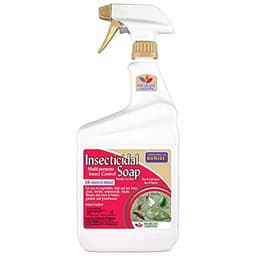
Potassium salts of fatty acids that kill mealybugs on contact by dissolving their waxy protective coating. Must contact the pest directly to work, so thorough coverage of leaf undersides, stem joints, and crevices is essential. No residual effect once dry. Reapply every 7 days for 6-8 weeks.
$8-$14 · Best for Moderate mealybug infestations — the primary spray treatment
Check price on Amazon →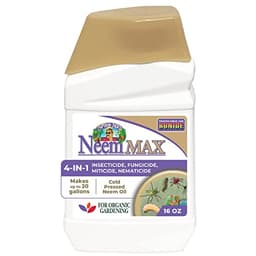
Pure neem oil with azadirachtin that disrupts mealybug feeding, molting, and reproduction. Use as both a foliar spray and soil drench to reach above-ground and root mealybugs. Different mode of action from soap — alternate between the two weekly to prevent tolerance. Also effective for preventive applications on high-risk plants.
$10-$18 · Best for Follow-up treatment and root mealybug control via soil drench
Check price on Amazon →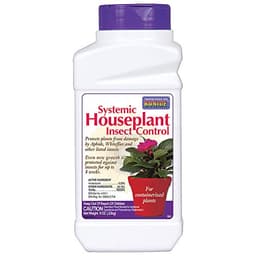
Imidacloprid-based granules absorbed by plant roots and distributed through all plant tissue. Kills any insect that feeds on the plant for up to 8 weeks — including hidden crawlers in leaf sheaths and root mealybugs that surface sprays miss. The most effective option for severe or recurring infestations. Not safe for edible plants.
$7-$14 · Best for Severe infestations and root mealybugs unreachable by contact sprays
Check price on Amazon →Treatment information on PlantFix is educational. When using any pesticide — including organic options like neem oil or insecticidal soap — read and follow the entire product label; the label is the law. For persistent or high-stakes problems, your local university extension service offers free, region-specific advice. Read about how we source and verify treatment guidance in our Editorial Standards.
FAQ
Can mealybugs spread to other plants?▼
Yes. Newly hatched mealybug crawlers are tiny and mobile — they walk between pots that are touching, crawl across shelves, and some species produce fine waxy threads that can carry them on air currents. Isolate any infested plant immediately and move it at least several feet from other plants. Inspect all plants in the same area and treat anything suspicious.
Do mealybugs live in soil?▼
Yes — root mealybugs (Rhizoecus species) live entirely below the soil surface, feeding on roots. They produce white waxy coatings similar to above-ground mealybugs. If your plant is declining with no visible pests on the foliage, unpot it and check the roots for white waxy clusters. Root mealybugs are especially common on succulents, cacti, and African violets. Treatment requires systemic granules, a neem oil soil drench, or a complete bare-root wash and repot.
Are mealybugs harmful to humans or pets?▼
No. Mealybugs can't bite, sting, or transmit diseases. They feed exclusively on plant sap. The sticky honeydew they produce can be messy on surfaces but isn't toxic. Treatment products like rubbing alcohol, insecticidal soap, and neem oil are generally safe when used as directed, though keep systemic insecticides containing imidacloprid away from pets and children and never use them on edible plants.
How long does it take to get rid of mealybugs?▼
Plan for 6-8 weeks of consistent treatment. A single female can lay 100-600 eggs that hatch over 6-14 days, and eggs survive most contact sprays. You need to continue treating through at least two full lifecycle generations (30-60 days each) to catch every wave of newly hatched crawlers. The most common failure is stopping at the 2-week mark when visible adults disappear — eggs are still hatching for another month.
Will mealybugs kill my plant?▼
Severe infestations can kill small or weakened plants by draining sap faster than the plant can replace it. Most established houseplants will survive mealybugs if treated within the first few weeks, though they may lose some leaves and look rough during recovery. The bigger risk is the plant's weakened state making it vulnerable to secondary infections like root rot or fungal disease. Root mealybugs are more dangerous because the damage happens underground where you can't see it until the plant is already in decline.
Related
- Houseplant Pests: Visual ID Guide to Every Bug on Your Indoor Plants →
- Neem Oil for Plants: Complete Guide to Using It Effectively →
- Plant Bugs: Identify Any Bug on Your Plant in 30 Seconds →
- Kill Mealybugs With Rubbing Alcohol (on Contact, No Burn) →
- Spider Mites: Identification, Treatment & Prevention Guide →
- Thrips on Houseplants: How to Identify and Finally Get Rid of Them →
- Scale Insects on Houseplants: How to Identify and Get Rid of Them →
- Tiny Black Bugs on Plants: Identify & Get Rid of Gnats, Thrips & More →
- Tiny Red Bugs: Clover Mites, Spider Mites & How to ID Them →
- Tiny White Bugs on Plants: Identify & Kill All 5 Types →
- Yellow Leaves on Plants: Every Cause & How to Fix It →
Plants Commonly Affected
Not sure what's wrong?
Use the diagnosis tool →Get seasonal plant care reminders and pest alerts.