Cabbage Worm vs Cabbage Looper vs Diamondback Moth: 3-Way ID + Organic Treatment
If white butterflies are fluttering around your brassicas, their larvae are already eating your plants. Here's how to tell cabbage worms from cabbage loopers and diamondback moth larvae in 10 seconds — and the one organic spray that kills all three.
11 min read · Updated 2026-06-12
By PlantFix Editorial Team · Sources: University Extension Programs, USDA, EPA
How to Get Rid of Cabbage Worms (30-Second Answer)
Cabbage worms are velvety green caterpillars that chew ragged holes in cabbage, broccoli, kale, cauliflower, and Brussels sprouts. If you see white butterflies with black wing spots circling your garden, they're laying eggs on your brassicas right now.
Spray Bt (Bacillus thuringiensis var. kurstaki) on all brassica leaves, including undersides, in the late afternoon. Bt is an organic bacterium that specifically kills caterpillars — nothing else. The caterpillar eats a treated leaf, stops feeding within hours, and dies within 2-3 days. It won't harm bees, ladybugs, birds, pets, or you. Reapply every 7 days and after rain.
For prevention, cover plants with lightweight floating row covers at planting time. This physically blocks butterflies from reaching leaves to lay eggs. It's the single most reliable method — no spraying needed.
If you're hand-picking, check leaf undersides for tiny white bullet-shaped eggs and squish them before they hatch. One female butterfly lays 200-300 eggs over her 2-3 week lifespan.
3-Way ID: Cabbage Worm vs Cabbage Looper vs Diamondback Moth Larvae
Three different caterpillar species attack brassicas, and most gardeners lump them all together as "cabbage worms." The treatment (Bt) is identical for all three, but knowing which you have tells you where to look and how severe the problem might get.
Imported Cabbageworm (Pieris rapae)
The most common one. Velvety green caterpillar, up to 1.25 inches long, with a faint yellow stripe down each side. Moves slowly and smoothly — no inchworm motion. Has legs along its entire body (4 pairs of prolegs on segments 3-6). The adult is that unmistakable white butterfly with 1-2 black spots on each wing that every gardener recognizes. Feeds on outer leaves first, then works inward toward the head.
Cabbage Looper (Trichoplusia ni)
Slightly thinner and lighter green than the cabbageworm. Key tell: it arches its back when it moves, like an inchworm, because it has only 2 pairs of prolegs (on segments 5-6) instead of 4. Pale green with faint white stripes along the sides and back, smooth skin with a few scattered bristles. The adult is a mottled gray-brown moth with a distinctive silvery figure-8 mark on each wing. More destructive than the cabbageworm — eats twice as much foliage per larva according to University of Kentucky Entomology.
Diamondback Moth Larvae (Plutella xylostella)
The smallest of the three — only 1/3 inch long at maturity. Pale yellowish-green, tapered at both ends, with a black head. The giveaway behavior: when disturbed, they wriggle violently and drop off the leaf on a silk thread, dangling in mid-air. Young larvae actually mine inside leaves before emerging to feed on the surface. Adults are tiny gray moths with a diamond-shaped pattern visible when wings are folded. Least damaging of the three individually, but they develop pesticide resistance faster than any other brassica pest.
Quick 10-second ID: Does it arch its back when moving? Looper. Does it wriggle and drop on a silk thread? Diamondback. Slow, smooth, velvety? Cabbageworm. All three are treated the same way — Bt spray.
The White Butterfly Connection: Every Gardener Sees These
The small white butterfly (Pieris rapae) is probably the most recognizable garden pest in North America. About 2 inches across, white wings, 1-2 black dots per wing. If you have brassicas in the garden, you've watched them circle your plants — and each one was scouting for egg-laying sites.
Females lay small, pale yellow, bullet-shaped eggs singly on leaf undersides — not in clusters like many moth species. Each egg is about the size of a pinhead and stands upright on the leaf surface. A single female lays 200-300 eggs over her 2-3 week adult life, and there are 2-3 generations per year in most of the US (more in southern states).
Eggs hatch in 4-8 days depending on temperature. The emerging caterpillar immediately starts feeding on the leaf where it hatched. By the time you notice holes in your brassica leaves, the caterpillar has been feeding for 3-5 days and may already be half-grown.
This is why row covers work so well — they intercept the butterfly before she can lay eggs. If you can block egg-laying, you eliminate the problem entirely without any spraying. The butterfly-caterpillar connection also explains the timing: peak cabbage worm damage corresponds to peak butterfly flight, which starts in late spring (April-May) and continues through early fall (September-October) in most regions.
The cabbage looper and diamondback moth are nocturnal — their adults fly at night, so you won't see them the way you see the white butterflies. But if you're finding caterpillars that aren't cabbageworms (check the ID section above), these moths are visiting your garden after dark.
Damage Assessment: When to Treat and When to Ignore
Not all caterpillar damage requires treatment. Brassica plants are tough — a healthy cabbage or kale plant can tolerate significant leaf damage without yield loss. The question is how much damage your specific crop can handle.
Crops where cosmetic damage matters: Heading cabbage, broccoli florets, and cauliflower heads. Caterpillars that bore into the head contaminate the part you eat. For these, treat at the first sign of caterpillars — don't wait for damage to accumulate.
Crops where leaf damage is mostly cosmetic: Kale, collard greens, Brussels sprouts (before sprout formation), and brassica cover crops. These can tolerate 30-40% leaf area loss before yields drop. A few holes in kale leaves doesn't affect flavor or nutrition — just cut out the eaten parts.
According to the University of Kentucky Entomology department, the economic threshold for cabbage worms in heading crops is relatively low: treat when you find more than 1 caterpillar per plant in pre-heading cabbage, or any caterpillars near forming heads. For non-heading crops like kale, the threshold is higher — you can tolerate 3-5 caterpillars per plant before treatment becomes necessary.
Damage patterns help with diagnosis: Cabbageworms make large, irregular holes from the leaf edge inward. Loopers eat from the center of the leaf, leaving a "windowpane" effect where they've consumed the lower leaf tissue but left the upper epidermis intact. Diamondback larvae make small, round holes scattered across the leaf surface.
The worst damage happens in late summer (August-September) when multiple generations overlap and caterpillar populations peak. If you've been seeing white butterflies since May, by August you're dealing with the third or fourth generation.
Bt Spray: The Gold Standard Organic Treatment (Application Guide)
Bt (Bacillus thuringiensis var. kurstaki, or Btk) is the most effective organic treatment for all three caterpillar species. It's a naturally occurring soil bacterium that produces a protein crystal toxic specifically to caterpillar larvae. When a caterpillar eats Bt-treated foliage, the protein dissolves in its alkaline gut and destroys the gut lining. The caterpillar stops feeding within hours and dies within 2-3 days.
Bt is completely harmless to humans, pets, birds, bees, beneficial insects, and earthworms. The protein only activates in the highly alkaline gut of caterpillars (pH 9-11) — mammalian stomachs are far too acidic (pH 1-3) for it to work. It's OMRI-listed for organic use and approved for use up to the day of harvest. Bt is equally effective against tree caterpillar pests like bagworms and armyworms — timing early when caterpillars are small is the key to success with all of them.
That gut-specific action cuts both ways: if a "caterpillar" doesn't die after Bt, it may not be a caterpillar at all. Sawfly larvae look nearly identical but are wasp relatives, and Bt does nothing to them — our sawfly guide covers the prolegs test that tells them apart.
Mixing: Dilute 1 tablespoon of Bt concentrate per gallon of water. Add 1 teaspoon of pure liquid soap (like Castile — see our insecticidal soap guide for why Dawn won't work) as a spreader-sticker.
Timing matters: Spray in late afternoon or early evening. UV sunlight degrades Bt rapidly — a morning application can lose 50% of its potency by noon. Evening application gives the product maximum time to work before UV exposure.
Coverage: Spray all leaf surfaces until dripping, with special attention to leaf undersides where young caterpillars feed first. Bt must be eaten — it has no contact-kill activity. If the caterpillar doesn't eat a treated leaf surface, it survives.
Frequency: Every 7 days during active caterpillar season. Reapply after any rainfall greater than 0.5 inches — rain washes Bt off leaves. During peak season (July-September), weekly applications are non-negotiable.
Size matters: Bt works dramatically better on small caterpillars (under 1/2 inch). Large caterpillars are more resistant — they've built up enough body mass that a single dose may not kill them. Start spraying early in the season when caterpillars are newly hatched, not after they're already 1 inch long and actively defoliating your plants.
Prevention Methods Ranked by Effectiveness
1. Floating row covers (most effective, most reliable)
Cover brassica beds with lightweight spun-bond fabric immediately after planting seeds or transplants. The fabric blocks butterflies and moths from accessing leaves to lay eggs. It transmits 85%+ sunlight and allows rain through. Secure edges with soil, boards, or landscape pins — any gap and the butterflies will find it.
Brassicas don't need bee pollination (you're harvesting leaves and heads, not fruit), so covers can stay on all season if needed. This is the one method that eliminates the problem entirely. University extension programs consistently rank row covers as the #1 prevention strategy.
2. Hand-picking and egg crushing
Check leaf undersides every 2-3 days during butterfly season. The tiny white/yellow eggs are easy to spot once you know what to look for. Crush eggs before they hatch. Hand-pick any caterpillars you find and drop them in soapy water. Tedious for large plantings but highly effective for a backyard garden with 5-10 plants.
3. Companion planting
Dill, chamomile, and yarrow attract parasitic wasps (Cotesia glomerata) that lay eggs inside cabbage worms — similar to the braconid wasps that parasitize tomato hornworms. Plant these herbs adjacent to your brassica beds. Nasturtiums work as a trap crop — white butterflies preferentially lay eggs on nasturtiums, pulling them away from your cabbage. Thyme and rosemary may repel the butterflies with their strong scent.
Companion planting alone won't prevent an infestation, but it reduces egg-laying pressure and builds populations of natural enemies that help control the caterpillars biologically.
4. Fall cleanup
Cabbage worm pupae overwinter in garden debris and soil. Remove brassica crop residue after harvest, compost it, and cultivate the soil surface in late fall to expose pupae to cold and predators. This reduces the spring population that emerges the following year.
Which Crops Are at Risk (and Which Brassicas They Prefer)
Cabbage worms attack essentially all brassica family members, but they have strong preferences. In my experience and confirmed by university research, here's the hierarchy from most to least targeted:
Most targeted: Cabbage (especially green cabbage — red/purple varieties are less attractive), broccoli, cauliflower, Brussels sprouts. These heading crops are both preferred targets AND the most economically damaging because caterpillars bore into the harvestable head.
Moderately targeted: Kale, collard greens, kohlrabi, turnip greens, bok choy, napa cabbage. Heavy caterpillar damage but the plants tolerate leaf loss better since you're harvesting outer leaves, not a central head.
Less targeted (but still susceptible): Radishes, arugula, mustard greens, watercress, horseradish. Caterpillars will feed on these if brassica options are limited, but they're rarely the first choice. Mustard's real value is against a different brassica pest: harlequin bugs strongly prefer it, so a mustard strip works as a trap crop that pulls those orange-and-black shield bugs off your cabbage.
Timing by crop: Spring-planted broccoli and cabbage face the first generation of caterpillars (April-June). Fall plantings face heavier pressure from the third generation (August-October) when populations are highest. If you can only protect one planting, protect the fall crop — that's when damage is worst.
A trick that works: interplant red and green varieties. Butterflies preferentially lay eggs on green brassica leaves over red/purple ones. Red cabbage, red Russian kale, and purple kohlrabi receive noticeably fewer eggs than their green counterparts in the same bed.
Beyond Bt: Other Organic Treatments
Spinosad
Derived from a soil bacterium (Saccharopolyspora spinosa). Kills caterpillars through both ingestion and contact. More persistent than Bt — remains active on leaves for up to a week even in sunlight. The downside: spinosad is toxic to bees for 3 hours after application. Only spray after bees are done foraging for the day (evening). OMRI-listed for organic use. Good backup when Bt alone isn't keeping up.
Disrupts caterpillar feeding and development. Works more slowly than Bt — caterpillars continue feeding for several days before the growth-disrupting effects kill them. Less effective than Bt for active infestations. Better as a deterrent spray to reduce egg-laying.
NOT effective against caterpillars. Their thick cuticle blocks the fatty acid penetration that kills soft-bodied insects. Don't waste your time spraying soap on cabbage worms.
Diatomaceous earth (DE)
Minimally effective on caterpillars. DE works by scratching the waxy coating on insect exoskeletons, causing dehydration. Caterpillars have relatively thick, moist skin that resists DE damage. Some gardeners dust it on leaves as a deterrent, but it washes off in rain and offers inconsistent control at best.
Parasitic wasps (biological control)
The wasp Cotesia glomerata is a natural enemy of imported cabbageworms. Females lay eggs inside the caterpillar, and the wasp larvae consume it from the inside — exactly like the braconid wasps that parasitize hornworms. You can encourage these wasps by planting small-flowered herbs (dill, fennel, yarrow, sweet alyssum) near your brassica beds. Don't buy and release parasitic wasps — they establish naturally if you provide habitat and stop spraying broad-spectrum insecticides.
Recommended Products
We earn a commission if you buy through these links, at no extra cost to you. We recommend based on what works, not what pays. How this works.
Organic biological insecticide that specifically kills caterpillars — cabbage worms, loopers, and diamondback moth larvae all included. Spray on leaves in late afternoon. Caterpillars eat treated foliage, stop feeding within hours, die within 2-3 days. Harmless to bees, birds, and humans. OMRI-listed.
$10-$18 · Best for Primary treatment — the gold standard for caterpillar control in organic gardens
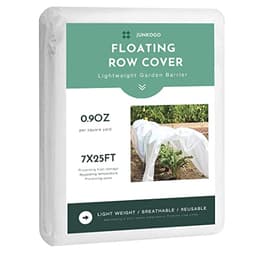
Spun-bond polypropylene fabric that blocks butterflies and moths from laying eggs on your plants. Transmits 85%+ light, allows rain and air through. Brassicas don't need bee pollination, so covers can stay on all season. The most reliable prevention method.
$15-$30 · Best for Prevention — eliminates the problem before it starts. Best for heading crops (cabbage, broccoli, cauliflower)
Check price on Amazon →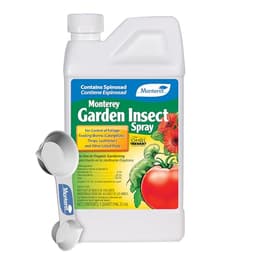
Derived from naturally occurring soil bacteria. Kills caterpillars through both contact and ingestion. More persistent than Bt on leaves. Apply in evening only — toxic to bees for 3 hours after application. OMRI-listed. Good backup if Bt alone isn't sufficient during peak season.
$12-$20 · Best for Heavy infestations where weekly Bt isn't keeping up — stronger persistence in sunlight than Bt
Check price on Amazon →Treatment information on PlantFix is educational. When using any pesticide — including organic options like neem oil or insecticidal soap — read and follow the entire product label; the label is the law. For persistent or high-stakes problems, your local university extension service offers free, region-specific advice. Read about how we source and verify treatment guidance in our Editorial Standards.
FAQ
What kills cabbage worms instantly?▼
Hand-picking is the only instant kill — drop caterpillars into a bucket of soapy water. Bt spray stops feeding within hours but takes 2-3 days for the caterpillar to die. Spinosad kills faster through contact but still takes several hours. For immediate relief, hand-pick visible caterpillars and spray Bt to catch the ones you miss.
Are cabbage worms harmful to humans?▼
No. Cabbage worms are not toxic, venomous, or dangerous to humans. If you accidentally eat one in your salad greens, it's harmless (and extra protein). The real concern is the damage to your crops, not any health risk to you.
Do cabbage worms turn into butterflies?▼
Yes — the imported cabbageworm (the most common species) is the larva of the cabbage white butterfly (Pieris rapae), the small white butterfly with black wing spots you see in every garden. Cabbage loopers become gray-brown moths, and diamondback larvae become small gray moths — both fly at night.
Will vinegar kill cabbage worms?▼
Vinegar can kill caterpillars on direct contact, but it also damages plant tissue — the acetic acid burns leaves. It's not an effective garden treatment. Use Bt spray instead: it kills caterpillars specifically and is completely safe for plants, bees, and humans. Bt is also cheaper and easier to apply than vinegar solutions.
How do I prevent white butterflies from laying eggs?▼
Floating row covers are the most reliable method — they physically block butterflies from reaching your brassica plants. Install at planting time and secure edges completely. Other strategies: companion plant with nasturtiums (trap crop) and herbs like dill and thyme. Plant red/purple brassica varieties that butterflies find less attractive than green ones.
When is cabbage worm season?▼
Cabbage worm season runs from late spring through early fall — roughly April to October in most of the US. There are 2-3 generations per year, with the heaviest damage in late summer (August-September) when multiple generations overlap. Start monitoring as soon as you see white butterflies in the garden, which typically appears when daytime temperatures consistently reach 60-65°F.
Related
- Tomato Hornworm ID: Kill It — Unless It Has White Cocoons →
- Harlequin Bug: The Fastest Way to Save Your Brassicas →
- Insecticidal Soap: What It Actually Kills (Including Spider Mites), DIY Recipe & Why Dawn Is Wrong →
- Neem Oil for Plants: Complete Guide to Using It Effectively →
- Squash Bugs: The Week-by-Week Battle Plan to Save Your Garden →
- Cucumber Beetle: Spotted vs Striped ID + Deadly Wilt →
- Flea Beetle: The Jumping Test, Crop-by-Crop Species Guide, and Why Seedlings Die in 48 Hours →
- Plant Bugs: Identify Any Bug on Your Plant in 30 Seconds →
- Earwig Pictures: What They Look Like & How to Get Rid of Them →
- Squash Vine Borer: Save a Wilted Plant (Surgical Rescue) →
- Garden Pest Identification: 25+ Bugs by the Damage They Do →
- Tent Caterpillar vs. Bagworm vs. Fall Webworm: ID Guide + Removal →
Not sure what's wrong?
Use the diagnosis tool →Get seasonal plant care reminders and pest alerts.