Cucumber Beetle: Spotted vs Striped ID + Deadly Wilt
Cucumber beetles spread bacterial wilt — it kills cucurbits in 3-5 days with no cure. ID spotted vs striped, use the 'ooze test,' and stop them fast.
13 min read · Updated 2026-08-25
By PlantFix Editorial Team · Sources: University Extension Programs, USDA, EPA
Why Cucumber Beetles Are More Dangerous Than You Think
Cucumber beetles are small (1/4 inch), yellow-and-black beetles that feed on cucumbers, squash, melons, and other cucurbits. The feeding damage — holes in leaves and scarring on fruit — is annoying but usually survivable. What makes cucumber beetles genuinely dangerous is what they carry inside them: the bacterium Erwinia tracheiphila, which causes bacterial wilt.
Bacterial wilt kills plants in 3-5 days. A single vine wilts on a hot afternoon, then the entire plant collapses and dies. There's no treatment once a plant is infected — zero, none. You pull it out and throw it away. The only defense is preventing the beetles from feeding on your plants in the first place.
Best protection strategy: cover transplants with row covers immediately at planting (before beetles arrive). Keep covers on for the first 3-4 weeks. When you remove them for pollination, switch to kaolin clay spray (Surround WP) as a physical deterrent. For monitoring, use yellow sticky traps near plants — cucumber beetles are attracted to the same yellow wavelengths as fungus gnats.
Spotted vs Striped Cucumber Beetle: 5-Second ID
Two species attack home gardens and they look different enough to tell apart at a glance.
Striped cucumber beetle (Acalymma vittatum): Yellow body with three black stripes running head-to-tail. Black head. About 1/4 inch long. This is the more common species in home gardens and the primary bacterial wilt vector. Overwinters as an adult in leaf litter near last year's garden.
Spotted cucumber beetle (Diabrotica undecimpunctata): Yellow-green body with 12 black spots (yes, twelve — despite the species name meaning "eleven punctures"). About 1/4 inch long. The southern cousin of the northern corn rootworm — the larval stage feeds on corn roots in agricultural fields, but the adult feeds on cucurbit foliage.
Both species transmit bacterial wilt. Both cause similar feeding damage. Treatment is identical for both.
Don't confuse them with: Colorado potato beetles are twice as large (1/2 inch), more orange than yellow, and feed on potatoes and eggplant. Ladybugs are rounder, dome-shaped, and beneficial — don't kill them. Leaf footed bugs are much larger with leaf-shaped hind legs. If you're unsure what you're looking at, work through our plant diagnosis tool.
Bacterial Wilt: The Real Reason Cucumber Beetles Kill Gardens
Bacterial wilt is what transforms cucumber beetles from a nuisance into a garden killer. Most gardening guides bury this information under generic "feeding damage" sections, but wilt is the main threat and it deserves top billing.
How it spreads: Overwintering adult striped cucumber beetles carry Erwinia tracheiphila in their gut. When they feed on a cucurbit leaf in spring, the bacteria enter through the feeding wound. The bacteria colonize the plant's xylem (water transport tubes), multiply rapidly, and physically clog the vessels. The plant can no longer move water from roots to leaves.
Symptoms progress fast: Day 1 — a single vine or leaf wilts on a hot afternoon but recovers overnight. Day 2-3 — multiple vines wilt and stop recovering. Day 4-5 — leaves yellow, turn brown at edges, become papery. Day 5-7 — plant collapses and dies. The entire progression from first symptom to plant death can happen in under a week.
The "ooze test" (diagnostic): Cut a wilting stem near the base. Touch the two cut surfaces together and slowly pull them apart. If you see thin, sticky strings of bacterial ooze stretching between the cut ends — like stringy mozzarella — that confirms bacterial wilt. No other cucurbit disease produces this ooze.
No cure exists. Once bacterial wilt infects a plant, it's done. Pull infected plants immediately and dispose of them — do NOT compost them, as the bacteria can persist. According to University of Minnesota Extension, infected plant material should be burned (where permitted) or bagged and sent to landfill.
Crop vulnerability ranking: Cucumbers are the most susceptible — even a few beetle feeding events can transmit enough bacteria to kill the plant. Cantaloupe and other melons are moderately susceptible. Summer squash shows some tolerance. Winter squash and watermelon show moderate resistance to wilt, though they still suffer feeding damage.
Week-by-Week Treatment Timeline: From Transplant to Harvest
This is the schedule that keeps cucumber beetles from killing your cucurbits. The key insight: protection matters most in the first 4 weeks, when plants are young, vulnerable, and beetle populations are actively colonizing.
Week 0 (transplant day): Install floating row covers immediately after transplanting — not tomorrow, today. Seal edges with soil, rocks, or landscape staples. Beetles can find gaps. Place 2-3 yellow sticky traps outside the row covers to monitor beetle arrival.
Weeks 1-3 (under cover): Plants grow protected under row covers. Check sticky traps weekly — if you're catching beetles, the timing is right and the covers are saving your crop. Water through the fabric or lift edges briefly to irrigate.
Week 3-4 (cover removal): When flowers appear, remove row covers for pollination. This is the vulnerable transition. Immediately apply kaolin clay spray (Surround WP) — mix 3 cups per gallon of water with 1 tablespoon liquid soap. Spray all plant surfaces until they're uniformly white-coated. Kaolin creates a physical film that irritates beetles and deters feeding and egg-laying. According to Penn State Extension, kaolin clay is one of the most effective organic deterrents for cucumber beetles.
Weeks 4-8 (active management): Reapply kaolin clay after every rain. Scout daily for beetles — the threshold is 1 beetle per plant on average (UConn IPM guidelines). Hand-pick beetles into soapy water in early morning when they're sluggish. Watch for wilt symptoms daily — if a vine wilts, do the ooze test immediately.
Week 8+ (reduced pressure): Beetle pressure drops as summer progresses. Established plants tolerate feeding damage better. Continue monitoring but reduce frequency. Focus shifts to harvest.
Organic Treatment Methods That Actually Work
1. Row covers (most effective)
Lightweight floating fabric (like Agribon AG-19) that excludes all flying insects. This is the single best defense — beetles can't feed on plants they can't reach, and bacterial wilt can't be transmitted without beetle feeding. Install at transplant. Seal every edge. Remove when flowers open for pollination.
2. Kaolin clay spray (Surround WP)
A white clay that coats plant surfaces, creating a physical barrier beetles find irritating. It interferes with feeding, egg-laying, and movement. Mix 3 cups kaolin clay per gallon of water with 1 tablespoon castile soap. Spray until all surfaces are white. Reapply after rain. Safe for pollinators, washes off at harvest. Used by organic farms across the Mid-Atlantic region as a standard practice.
3. Yellow sticky traps
Cucumber beetles are strongly attracted to yellow. Place traps at canopy height near plants. Most effective as a monitoring tool to gauge beetle pressure and time other treatments. Replace every 7-14 days.
4. Trap crops — the Blue Hubbard strategy
This is a technique from university research that works surprisingly well in home gardens. Plant Blue Hubbard squash around the perimeter of your cucurbit garden. Blue Hubbard contains high concentrations of cucurbitacin — a compound that's irresistible to cucumber beetles. According to UConn Extension research, beetles preferentially colonize Blue Hubbard over other cucurbits by a wide margin. Monitor the Blue Hubbard plants closely and remove beetles by hand or spot-treat with an approved insecticide, keeping the trap plants as beetle magnets away from your main crop.
5. Spinosad spray
Organic-approved insecticide derived from soil bacteria. Apply in evening to minimize bee exposure. Effective for 1-2 weeks per application. Use as a backup when beetle pressure exceeds what kaolin clay can handle.
6. Delayed planting
Cucumber beetles have a spring emergence peak. Waiting 2-3 weeks past your normal transplant date can avoid the worst of it. The tradeoff: shorter growing season. Most effective when combined with row covers on the late transplants.
Prevention: Stop Beetles Before They Start
Crop rotation is essential. Don't plant cucurbits in the same spot two years in a row. Overwintering striped cucumber beetles emerge near where they fed the previous season and search locally for host plants first. Rotating your cucurbit bed at least 30 feet from last year's location makes it harder for beetles to find your plants.
Fall cleanup matters. Remove all cucurbit vines, fruit, and debris after harvest. Beetles shelter in crop residue over winter. Till the soil in late fall to disturb overwintering adults.
Variety selection can help. Some cucumber varieties show moderate wilt resistance — 'County Fair 83,' 'Saladin,' and some burpless types have been bred with some tolerance. No variety is immune, but resistant cultivars survive longer under beetle pressure, giving you more time to manage the pest.
Beneficial nematodes (Heterorhabditis bacteriophora) applied to the soil target cucumber beetle larvae and pupae in their underground stage. Apply in late spring when soil temperatures reach 60°F. The nematodes actively seek out beetle larvae and infect them with lethal bacteria. This reduces the next generation's adult population.
Plants stressed by beetle feeding are also more vulnerable to fungal diseases like downy mildew and powdery mildew — a preventive copper fungicide application on damaged plants helps protect recovering foliage.
Companion planting with strong-scented herbs (tansy, catnip, radish interplanted with cucumbers) may reduce beetle colonization. Radish is a particularly interesting companion — it attracts flea beetles away from cucurbits and some growers report it deters cucumber beetles, though university research on this is mixed. Other nocturnal garden pests like earwigs also target young cucurbit seedlings — similar trap and barrier techniques work for both.
How Much Damage Can Your Crop Handle?
Not all cucurbits are equally vulnerable, and understanding your crop's tolerance level prevents both panic and complacency.
Cucumbers: Most susceptible to both feeding and bacterial wilt. Even moderate beetle feeding (5-10 beetles per plant) can introduce enough bacteria to kill the plant. Seedlings can die from feeding damage alone — 4 or more beetles on a seedling is an emergency. Protect cucumbers the most aggressively.
Cantaloupe and muskmelons: Susceptible to bacterial wilt but slightly more tolerant than cucumbers. Moderate feeding damage is survivable on established plants. The same row cover + kaolin clay protocol applies.
Summer squash and zucchini: Moderate feeding tolerance. Some bacterial wilt resistance, especially in newer varieties. However, they're also attacked by squash bugs and squash vine borers — a triple threat. Monitor for both pests.
Winter squash and pumpkins: Best wilt resistance among cucurbits. Can tolerate significant beetle feeding on established plants (up to 25% defoliation without yield impact). Late-season beetle feeding on pumpkin rinds is cosmetic damage — scarring on the surface that doesn't affect the flesh.
Watermelon: Shows moderate bacterial wilt resistance. Watermelon varieties bred for commercial production often have the best tolerance. Feeding damage is mostly cosmetic on established vines.
The general rule: protect seedlings of all species aggressively (first 3-4 weeks), then scale protection based on crop sensitivity. Cucumbers get the row covers and kaolin clay all season. Winter squash might only need protection until established.
Recommended Products
We earn a commission if you buy through these links, at no extra cost to you. We recommend based on what works, not what pays. How this works.
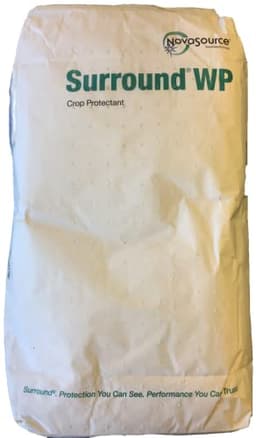
Creates a white physical barrier on plant surfaces that deters cucumber beetle feeding and egg-laying. Mix 3 cups per gallon of water with 1 tablespoon soap. Reapply after rain. Safe for bees and beneficial insects. Washes off produce at harvest. Used by organic farms throughout the Mid-Atlantic.
$20-$35 (makes many gallons) · Best for Primary beetle deterrent after row cover removal — proven organic farm standard
Check price on Amazon →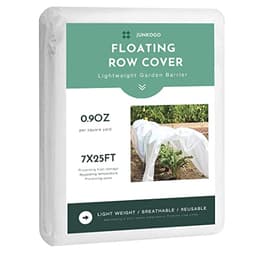
Spun-bond polypropylene that excludes cucumber beetles completely. Install at transplant day, keep on for 3-4 weeks. Transmits 85%+ light and allows rain through. Remove when flowers appear for pollination. The most reliable way to prevent bacterial wilt.
$15-$30 · Best for Seedling protection — prevents beetle access during the most vulnerable period
Check price on Amazon →
Cucumber beetles are strongly attracted to yellow. Place traps at canopy height to monitor beetle arrival and population levels. Helps time row cover removal and kaolin clay applications. Also catches other garden pests.
$6-$12 for 20-pack · Best for Monitoring beetle pressure — early warning system for your treatment timing
Check price on Amazon →Treatment information on PlantFix is educational. When using any pesticide — including organic options like neem oil or insecticidal soap — read and follow the entire product label; the label is the law. For persistent or high-stakes problems, your local university extension service offers free, region-specific advice. Read about how we source and verify treatment guidance in our Editorial Standards.
FAQ
Do cucumber beetles bite humans?▼
Cucumber beetles don't intentionally bite humans, though they have chewing mouthparts and may nip if handled. The bite feels like a mild pinch and doesn't cause any significant reaction. They're not a human health concern — the danger is exclusively to cucurbit crops through feeding damage and bacterial wilt transmission.
What diseases do cucumber beetles carry?▼
Cucumber beetles are the primary vector for bacterial wilt (Erwinia tracheiphila), which kills cucurbit plants in 3-7 days with no cure. They can also transmit cucumber mosaic virus and squash mosaic virus, though these are less common. Bacterial wilt is by far the biggest threat — it's why early-season beetle management is so critical.
How do you test for bacterial wilt?▼
Cut a wilting stem near the base. Press the two cut ends together for 10 seconds, then slowly pull them apart. If you see thin, sticky strings of ooze stretching between the cut surfaces — like stringy mozzarella cheese — that's bacterial ooze and confirms bacterial wilt. No other cucurbit disease produces this distinctive ooze.
Can you save a plant with bacterial wilt?▼
No. There is no treatment for bacterial wilt once a plant is infected. The bacteria clog the water transport system and the plant cannot recover. Remove infected plants immediately and dispose of them — do not compost them, as bacteria can persist in plant material. Focus on protecting remaining uninfected plants with row covers and kaolin clay.
What's the difference between a cucumber beetle and a potato beetle?▼
Colorado potato beetles are larger (1/2 inch vs 1/4 inch), more orange than yellow, and have ten alternating black and yellow stripes (not three stripes or twelve spots). They feed on potatoes, eggplant, and tomatoes — not cucurbits. Cucumber beetles are smaller, yellower, and exclusively attack cucurbits. The two rarely appear on the same plants.
When do cucumber beetles come out?▼
Overwintering adult striped cucumber beetles emerge in late spring when soil temperatures reach about 55-60°F — typically May in most of the US. They immediately seek out cucurbit plants to feed and lay eggs. Peak beetle activity is usually May through July, with a smaller second generation in late summer. Spotted cucumber beetles emerge slightly later and are more common in southern states.
Related
- Aphids on Plants: How to Kill Them Fast (and Stop the Ants) →
- Beneficial Nematodes: Which Species Kills Your Specific Pest (Buying Guide by Pest Type) →
- Cabbage Worm vs Cabbage Looper vs Diamondback Moth: 3-Way ID + Organic Treatment →
- Cicada Killer Wasp: Not a Murder Hornet (ID Guide + Yard Management) →
- Copper Fungicide: Plant-by-Plant Dosage Chart + Safety Rules →
- Earwig Pictures: What They Look Like & How to Get Rid of Them →
- Flea Beetle: The Jumping Test, Crop-by-Crop Species Guide, and Why Seedlings Die in 48 Hours →
- Garden Pest Identification: 25+ Bugs by the Damage They Do →
- Insecticidal Soap: What It Actually Kills (Including Spider Mites), DIY Recipe & Why Dawn Is Wrong →
- Japanese Beetles: Why Traps Backfire & a Week-by-Week Control Calendar →
- Leaf Footed Bug vs Assassin Bug: How to Tell Them Apart (And Not Kill the Wrong One) →
- Neem Oil for Plants: Complete Guide to Using It Effectively →
- Plant Bugs: Identify Any Bug on Your Plant in 30 Seconds →
- Potato Bug Pictures: 3 Insects, 1 Confusing Name (ID Guide) →
- Squash Bugs: The Week-by-Week Battle Plan to Save Your Garden →
- Squash Vine Borer: Save a Wilted Plant (Surgical Rescue) →
- Tomato Hornworm ID: Kill It — Unless It Has White Cocoons →
- Yellow Sticky Traps for Gnats: Placement & Best Picks →
Not sure what's wrong?
Use the diagnosis tool →Get seasonal plant care reminders and pest alerts.