Earwig Pictures: What They Look Like & How to Get Rid of Them
See what earwigs (pincher bugs) look like, how to tell their ragged nighttime damage from slugs, and how to trap them overnight with a simple soy-sauce-and-oil trap.
12 min read · Updated 2026-09-20
By PlantFix Editorial Team · Sources: University Extension Programs, USDA, EPA
How to Get Rid of Earwigs (Quick Answer)
Set oil traps tonight: fill a shallow container with equal parts soy sauce and vegetable oil, bury it to soil level near damaged plants, and check it in the morning. Earwigs are nocturnal, and this trap routinely catches dozens in a single night. For houseplants, remove the plant from its saucer, shake it gently over a sheet, and let the soil dry completely — earwigs need moisture to survive indoors. For garden beds, clear mulch and debris within 12 inches of plant bases and dust diatomaceous earth around seedlings.
Before you declare war, though, read the section below on earwigs as beneficial predators. They eat aphids, mites, and insect eggs — and in many gardens, the pest control they provide outweighs the leaf damage they cause. Not sure what's eating your plants? Try the diagnosis tool.
What Are Earwigs? (Yes, "Pincher Bug" Is the Same Thing)
If someone tells you they have "pincher bugs" in their garden, they're talking about earwigs. The two names describe the same insect — Forficula auricularia, the European earwig, which is by far the most common species in North American gardens and homes.
Earwigs are 5/8 to 1 inch long, dark reddish-brown, with a flattened body and a pair of curved pincers (cerci) at the rear. Males have curved, caliper-shaped pincers; females have straighter, narrower ones. They use these pincers for defense and mating displays — not for biting humans. Despite looking intimidating, the pinch from an earwig is weak and rarely breaks skin.
They have short, leathery forewings and membranous hindwings folded underneath, but they rarely fly. Six legs, thread-like antennae about half the body length, and that distinctive rear pincer make them easy to identify.
Earwigs are strictly nocturnal. During the day, they hide in tight, moist crevices — under mulch, rocks, boards, pot saucers, bark, and leaf litter. This is why you find plant damage in the morning but never catch the culprit. Go out with a flashlight at 10 PM and you'll find them actively feeding on leaves and petals.
Do Earwigs Really Crawl in Your Ears? (Debunked)
No. This is one of the oldest insect myths in Western culture, dating back centuries — the name "earwig" itself comes from the Old English "ēarwicga" (ear creature). But there is zero scientific evidence that earwigs seek out human ears. A 2021 review published in the Journal of Otolaryngology (PMC 8172003) examined documented cases of insects found in ears and found that cockroaches, moths, and flies were the most common culprits — not earwigs.
Earwigs prefer cool, moist environments rich in decaying organic matter. A warm, dry ear canal with no food source holds no attraction for them. Could one wander in by accident while you sleep on the ground? Theoretically, the same way any small insect could. But earwigs don't target ears, don't lay eggs in ears, and absolutely don't burrow into brains. The myth persists because the name reinforces it — nothing more.
If this myth is the reason you're reading this article, you can relax. Focus instead on whether earwigs are actually causing problems in your garden, because that's where they matter.
Earwig Damage vs. Slug Damage: How to Tell the Difference
This is the question that trips up most gardeners, because earwig and slug damage look almost identical at first glance. Both pests feed at night, both leave irregular holes in leaves and petals, and both prefer tender new growth. Here's the definitive way to tell them apart:
Check for slime trails. Slugs leave visible silvery slime trails on and around the plant. Earwigs leave nothing. If you see chewed leaves with no slime anywhere — on the leaves, on the soil, on the pot — it's almost certainly earwigs. According to UMass Extension, the absence of slime is the single most reliable diagnostic clue for earwig damage.
Damage pattern differences:
- Earwig damage: Irregular holes in leaves, ragged leaf edges, chewed flower petals. Earwigs eat the soft tissue between leaf veins, leaving a skeletonized appearance in severe cases. They strongly prefer petals over leaves — if your dahlia blooms look shredded but the leaves are mostly fine, suspect earwigs.
- Slug damage: Large, irregular holes usually starting from leaf edges. Slugs tend to eat everything including veins, creating smooth-edged holes rather than ragged ones.
The flashlight test: Go out at 10 PM with a flashlight. Earwigs scatter when light hits them — you'll see them running across the soil surface. Slugs move slowly and are easy to spot gliding on their slime layer.
The newspaper trap test: Roll up a damp newspaper and leave it by the affected plants overnight. In the morning, unroll it. Earwigs cluster inside the folds for daytime shelter. No earwigs? It's probably slugs.
Plants earwigs damage most: dahlias (petals especially), marigolds, zinnias, lettuce, strawberries, seedlings of all types, hostas, and clematis. If your plant leaves are turning yellow without visible holes, earwigs aren't your problem — check for overwatering or nutrient issues instead.
The Part Nobody Tells You: Earwigs Eat Aphids
Here's the twist that makes earwig management more nuanced than "kill them all." Earwigs are omnivores, and a significant portion of their diet consists of other insects — including aphids, mite eggs, insect larvae, and small caterpillars. UC IPM notes that earwigs can be beneficial in trees and gardens when they're feeding on aphids.
In my experience, a moderate earwig population in an established garden does more good than harm. They're essentially free pest control — patrolling at night and eating soft-bodied insects that would otherwise damage your plants. The decaying organic matter they consume also gets recycled back into the soil as nutrients.
So when should you actually intervene?
Take action when:
- Seedlings are being killed — young plants can't survive heavy feeding
- Dahlia, marigold, or zinnia petals are being destroyed (this is cosmetic but frustrating)
- You're finding 10+ earwigs per trap night consistently
- Lettuce, strawberries, or other edible crops are being damaged
Leave them alone when:
- Damage is limited to a few holes on mature plant leaves
- You also have aphid problems (earwigs are helping)
- They're in trees or shrubs (they're almost certainly eating more pests than they're causing damage)
- You find the occasional earwig indoors — it wandered in and isn't breeding there
This IPM (integrated pest management) approach means you're not eliminating a beneficial predator unnecessarily. Target your trapping efforts around vulnerable seedlings and flowers, and let earwigs do their job elsewhere in the garden.
Why Earwigs Are in Your House (They're Not Breeding There)
Finding earwigs indoors is alarming but rarely means you have an infestation. Unlike cockroaches or ants, earwigs do not establish breeding colonies inside homes. They're visitors, not residents — similar to clover mites, which are another common seasonal invader that wanders indoors through cracks but cannot survive or reproduce inside.
Earwigs enter homes by following moisture. They move toward damp conditions and squeeze through small openings: gaps under doors, cracks in foundations, spaces around pipes, dryer vents, and window frames. Once inside, they gravitate toward bathrooms, laundry rooms, basements, and kitchens — wherever moisture is highest.
The most common entry routes:
- Potted plants brought indoors: Earwigs hide in pot saucers and drainage holes. When you move a plant inside for winter, the earwigs come along. This is the #1 way earwigs enter homes with houseplants.
- Foundation contact: Mulch, leaf litter, or woodpiles stacked against the house create a highway from earwig habitat straight to your foundation cracks.
- Door and window gaps: Earwigs are thin enough to slide under standard door sweeps. Worn weatherstripping is an open invitation.
- Hitchhiking: Laundry left on a clothesline, firewood, grocery bags left on the ground, and outdoor furniture can all carry earwigs inside.
To stop them, fix the moisture first: repair leaky faucets, run a dehumidifier in the basement, ensure proper drainage away from the foundation. Then remove the bridge: clear mulch and debris at least 12 inches from the foundation. Finally, seal the gaps: replace worn door sweeps and weatherstripping, caulk foundation cracks, and screen vents.
If earwigs are specifically coming in via houseplant pots, remove the saucer, check the drainage hole, and let the soil dry out thoroughly. Earwigs won't stay where it's dry.
7 Ways to Get Rid of Earwigs (Ranked by Effectiveness)
1. Soy sauce + oil trap (best for gardens)
This is the single most effective DIY earwig control method, and it's absurdly simple. Mix equal parts soy sauce and vegetable oil in a shallow container (a tuna can works perfectly). Bury the container so the rim is at soil level, and cover it loosely with a plant saucer or inverted pot to keep rain out. The soy sauce attracts earwigs; the oil traps and drowns them. Set traps in the evening, empty them in the morning. Gardeners report catching dozens — sometimes hundreds — in a single night. Place traps every 3-4 feet along affected rows for best coverage.
2. Rolled newspaper traps (best for monitoring)
Dampen a section of newspaper, roll it loosely, and secure it with a rubber band. Place it near damaged plants before dusk. Earwigs crawl inside seeking dark, moist shelter. In the morning, shake the newspaper into a bucket of soapy water. This method doubles as monitoring — if you're catching 2-3 earwigs per trap, your population is low and probably beneficial. If you're catching 20+, it's time for more aggressive measures.
3. Diatomaceous earth barrier (best for perimeters)
Dust food-grade diatomaceous earth (DE) around the base of seedlings, along garden bed edges, and around foundation entry points. DE scratches through the earwig's waxy exoskeleton, causing dehydration and death. The major limitation: DE only works when dry. Rain, irrigation, or heavy dew renders it useless until it dries again. Reapply after watering or rainfall. Best used as a ring around individual plants rather than broadcast across the whole bed.
4. Remove daytime shelter (best for long-term reduction)
Earwigs need tight, moist hiding spots during the day. Remove or reduce: mulch within 12 inches of plant stems, boards or pavers sitting on soil, dense ground cover right against the foundation, fallen fruit, and leaf litter. This doesn't kill earwigs, but it forces them to relocate. If there's nowhere to hide near your garden, they'll move to areas where shelter is available.
5. Fix moisture problems (house entry prevention)
Repair dripping faucets, ensure downspouts direct water away from the foundation, improve drainage around the house, and reduce humidity in basements and crawl spaces. Earwigs follow moisture gradients — if your home is drier than the outdoors, they have less reason to enter.
6. Dish soap spray (immediate knockdown)
Mix 2 tablespoons of liquid dish soap in a spray bottle of warm water. Spray directly on earwigs you encounter — the soap breaks down their waxy coating and kills them within minutes. This is a spot treatment, not a prevention strategy. It won't stop more earwigs from arriving, but it handles the ones you see right now.
7. Perimeter insecticide (last resort)
If natural methods fail and earwig populations are genuinely damaging crops, apply an outdoor perimeter insecticide containing bifenthrin or permethrin around the foundation and garden bed edges. Apply in the evening when earwigs are active. This is the nuclear option — it also kills beneficial insects, so use it only when the damage threshold justifies the tradeoff. Follow label directions exactly and keep away from edible crops within the specified buffer distance.
Earwigs on Houseplants: The Hitchhiker Problem
Earwigs don't infest houseplants the way mealybugs or fungus gnats do. They don't breed in potting soil or feed continuously on indoor plants. What happens instead is simpler: earwigs hide in pot saucers, drainage holes, and the gap between pot and tray, then occasionally climb up to nibble on leaves and petals at night.
This typically happens when:
- You bring outdoor potted plants inside for winter
- You leave plant pots sitting directly on garden soil outdoors
- Your patio plants have saucers that collect water (creating earwig habitat at the base)
To deal with earwigs on houseplants:
- Take the plant outside and shake it firmly over a light-colored sheet. Pick off any earwigs that fall.
- Remove the saucer, turn it over, and check underneath. Check the drainage holes.
- Let the soil dry out completely — earwigs abandon dry environments.
- Repot if necessary. If earwigs have been living in the bottom of a large pot for a while, the soil around the drainage holes may have eggs. Repot into fresh, dry potting mix.
- Going forward, elevate pots on pot feet or a wire stand so the base isn't in contact with wet surfaces.
If you're finding earwigs inside but don't have houseplants near entry points, they're coming in through structural gaps — see the house entry prevention section above.
Earwig Life Cycle and Seasonal Timing
Understanding when earwigs are active helps you time your prevention and treatment efforts.
Fall (September-November): Mating season. Male and female earwigs pair up and dig shallow nests in the soil, usually 2-3 inches deep. After mating, the male leaves or is driven out.
Winter (December-February): Females overwinter in their soil nests with their eggs. Here's something unusual about earwigs: the female guards her eggs and young — she cleans the eggs to prevent mold and protects nymphs from predators. This maternal care is rare among non-social insects.
Spring (March-May): Eggs hatch. Nymphs look like miniature adults (no larval stage — earwigs have incomplete metamorphosis). The mother stays with the nymphs until their second molt, then they disperse. This is when earwig populations suddenly appear in gardens — the spring dispersal of nymphs looking for food.
Summer (June-August): Peak feeding and activity. Earwigs are most numerous and most active during warm, humid summer nights. This is when garden damage is highest and when trapping is most effective. Populations peak in June-July in most regions.
Management timing: Start trapping in late April/early May when nymphs first disperse. The goal is to reduce populations before they reach peak summer numbers. Trapping in June and July handles the current generation. Removing leaf litter and mulch in fall disrupts nesting sites and reduces next year's population.
Recommended Products
We earn a commission if you buy through these links, at no extra cost to you. We recommend based on what works, not what pays. How this works.

Fine fossilized powder that scratches through earwig exoskeletons, causing dehydration. Dust around plant bases, garden bed edges, and foundation perimeters. Only works when dry — reapply after rain or irrigation. Safe for pets and humans.
$8-$15 · Best for Perimeter barriers around seedlings and foundation entry points
Check price on Amazon →Standard soy sauce mixed with vegetable oil in a shallow container creates the most effective DIY earwig trap. The soy sauce attracts earwigs; the oil layer traps and drowns them. Set traps at dusk, empty each morning. Cost: pennies per trap.
$3-$5 · Best for Overnight trapping — the most effective single method for garden earwigs
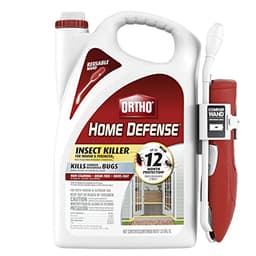
Bifenthrin-based perimeter insecticide for foundation and garden edge treatment. Apply in evening along baseboards, foundation edges, and entry points. Provides residual control for several weeks. Last resort when natural methods aren't enough.
$12-$18 · Best for Home perimeter treatment when earwig entry is persistent despite sealing gaps
Check price on Amazon →Treatment information on PlantFix is educational. When using any pesticide — including organic options like neem oil or insecticidal soap — read and follow the entire product label; the label is the law. For persistent or high-stakes problems, your local university extension service offers free, region-specific advice. Read about how we source and verify treatment guidance in our Editorial Standards.
FAQ
Do earwigs really crawl in your ears?▼
No. Despite the name, earwigs show no preference for human ears. A 2021 medical review found that cockroaches, moths, and flies are the most common insects found in ears — not earwigs. The myth comes from an Old English superstition, not observed behavior. Earwigs prefer cool, moist environments with decaying organic matter, which an ear canal doesn't provide.
Are earwigs dangerous to humans?▼
Earwigs are harmless to humans. Their pincers can deliver a very mild pinch if you pick one up, but they rarely break skin and carry no venom. They don't bite, don't sting, don't transmit diseases, and don't infest human living spaces. They're a garden pest and occasional household visitor, nothing more.
Do earwigs fly?▼
Technically yes, but practically no. Earwigs have membranous hindwings folded beneath short, leathery forewings, but they rarely use them. Most earwig movement is by crawling. You're far more likely to see them scuttling along the ground at night than in the air. Some tropical species fly more readily, but the European earwig common in North American gardens almost never flies.
What attracts earwigs to my house?▼
Moisture. Earwigs follow moisture gradients and squeeze through cracks in foundations, gaps under doors, and spaces around pipes. Mulch or debris piled against the foundation creates a bridge from their outdoor habitat directly to your home. Potted plants brought indoors also carry earwigs in the saucers and drainage holes. Fix leaks, improve drainage, and clear debris from the foundation perimeter to reduce indoor earwig encounters.
Will earwigs eat my houseplants?▼
They can nibble on houseplant leaves and petals at night, but they don't infest houseplants the way fungus gnats or mealybugs do. Earwigs enter pots as hitchhikers seeking shelter, not because they're targeting the plant. Let the soil dry out completely, check pot saucers and drainage holes, and shake out any hiding earwigs. They'll leave or die once the moisture is gone.
Are pincher bugs and earwigs the same thing?▼
Yes, they're the same insect. "Pincher bug" is the common name used in many regions for earwigs, named after the curved pincers (cerci) at the tail end. The scientific name is Forficula auricularia (European earwig). Whether you call them pincher bugs, pincer bugs, or earwigs, the identification and treatment methods are identical.
Related
- Plant Bugs: Identify Any Bug on Your Plant in 30 Seconds →
- Insecticidal Soap: What It Actually Kills (Including Spider Mites), DIY Recipe & Why Dawn Is Wrong →
- Flea Beetle: The Jumping Test, Crop-by-Crop Species Guide, and Why Seedlings Die in 48 Hours →
- Tiny Black Bugs on Plants: Identify & Get Rid of Gnats, Thrips & More →
- Aphids on Plants: How to Kill Them Fast (and Stop the Ants) →
- Leaf Footed Bug vs Assassin Bug: How to Tell Them Apart (And Not Kill the Wrong One) →
- Squash Bugs: The Week-by-Week Battle Plan to Save Your Garden →
- Neem Oil for Plants: Complete Guide to Using It Effectively →
- Clover Mites: The Harmless Red Bugs That Stain When Crushed →
- Diatomaceous Earth for Plants: Which Pests It Kills (And Which It Doesn't) →
- Beneficial Nematodes: Which Species Kills Your Specific Pest (Buying Guide by Pest Type) →
- Garden Pest Identification: 25+ Bugs by the Damage They Do →
- Chinch Bugs vs. Drought: How to Tell What's Actually Killing Your Lawn →
Not sure what's wrong?
Use the diagnosis tool →Get seasonal plant care reminders and pest alerts.