Whiteflies: The Shake Test, Damage Chain & 3-Week Treatment Protocol
11 min read · Updated 2026-05-20
tiny white flies on my plant
Whiteflies.
Treatable — give it three weeks.
- Treat for
- 3 wks
- Spreads?
- Very fast
- Kills plant?
- Can weaken badly
Do this in the next 5 minutes
Isolate it, then prune the worst leaves
A leaf covered in nymphs is hundreds of future adults — removing it beats spraying it. Bag the prunings and put them outside rather than in the kitchen bin.
What kills them
- Likely at home
A strong water spray
At the leaf undersides, to dislodge nymphs and wash off the sticky honeydew.
- Likely at home
Dish soap and water
One teaspoon per litre. It only kills what it touches, so the undersides are the whole job.
- $6–12
At canopy height within a foot of the plant, not above it. Also your progress meter — a falling catch count means it's working.
- $8–14
Weekly for three weeks. Eggs are resistant, so each round catches the nymphs that hatched since the last.
Confirm before you treat
- A cloud of tiny white flies rises when you shake the plant
- Flat, pale, scale-like nymphs on the leaf undersides
- Sticky honeydew, sometimes with black mould growing on it
Failure point · Week 2
Spraying the tops of the leaves
Nymphs feed exclusively on the undersides, and that is the only surface the spray needs to reach. Missing them means a fresh hatch of adults every single week.
By PlantFix Editorial Team · Sources: University Extension Programs, USDA, EPA
How to Get Rid of Whiteflies (Quick Answer)
Whiteflies are tiny white flying insects that cluster under leaves and erupt in a cloud when you disturb the plant. Spray all leaf surfaces — especially undersides — with insecticidal soap every 5-7 days for 3 weeks to break their lifecycle. Hang yellow sticky traps near affected plants to catch flying adults. Remove heavily infested leaves and isolate affected plants immediately from the rest of your collection.
The hidden danger most guides skip: whiteflies secrete honeydew, which grows black sooty mold that blocks light from reaching leaves. Even after you kill the whiteflies, the sooty mold remains and continues stunting your plant until you wash it off. This same honeydew-to-sooty-mold cycle also plagues outdoor gardens where spotted lanternflies and aphids produce honeydew on a much larger scale. Read the damage chain section below — it explains why plants keep declining even after you think you've solved the problem.
The Shake Test: 2-Second Whitefly Identification
Forget complicated identification guides. Whitefly identification takes exactly two seconds:
Walk up to the plant and tap the stem or shake a branch.
If a cloud of tiny white moth-like insects rises up from the leaf undersides and flutters around before settling back, you have whiteflies. No other houseplant or garden pest does this. Fungus gnats fly up from the soil, not the leaves. Other tiny white bugs (mealybugs, woolly aphids) don't fly at all.
Once you've confirmed whiteflies with the shake test, look more closely at the leaf undersides. You'll typically find three things:
- Adults: 1-2mm long, white, moth-like wings held flat against the body. They look like tiny white moths.
- Nymphs: Flat, oval, translucent or pale green, stuck to the leaf underside like tiny scales. They don't move — they're anchored to the leaf and feeding on sap. These are the life stage that insecticidal soap targets most effectively.
- Eggs: Tiny, oval, often laid in circular patterns on the underside of new leaves. A single female lays 200-400 eggs over her lifetime.
The entire lifecycle from egg to adult takes 2.5 to 5 weeks depending on temperature. Warmer conditions = faster reproduction. This is why whitefly populations explode indoors and in greenhouses — consistent warmth means continuous breeding with no winter pause.
The Complete Damage Chain (Why Whiteflies Are Worse Than They Look)
Most whitefly guides describe two problems: sap-sucking and flying nuisance. But the real damage is a four-step chain that nobody explains clearly:
Step 1: Sap feeding. Whitefly nymphs and adults pierce leaf cells with needle-like mouthparts and extract plant sap (phloem). Each individual insect removes very little sap, but a heavy infestation of hundreds or thousands of nymphs creates meaningful nutrient drain. Symptoms: leaf yellowing, wilting, stunted growth.
Step 2: Honeydew excretion. Whiteflies can't digest all the sugars in plant sap. They excrete the excess as honeydew — a sticky, sugary liquid that drips onto lower leaves and surfaces below the plant. If your plant's lower leaves are sticky and shiny, that's honeydew. If the surface under the plant (table, windowsill, floor) is sticky, that confirms it.
Step 3: Sooty mold colonization. Sooty mold is a black fungus that grows on honeydew. It doesn't infect the plant directly — it's growing on the sugar coating, not penetrating leaf tissue. But it forms a dark, crusty layer over leaf surfaces. According to University of Maryland Extension, sooty mold grows wherever honeydew accumulates, and the only way to eliminate it is to control the insect producing the honeydew.
Step 4: Photosynthesis blockage. Sooty mold covering leaf surfaces blocks sunlight from reaching chloroplasts. UC IPM confirms that heavy sooty mold coatings interfere with photosynthesis, resulting in slowed growth, premature leaf drop, and overall plant decline.
This is why plants keep deteriorating even after you think you've controlled the whiteflies. The mold remains on the leaves until you physically wash it off with soapy water. Many gardeners miss this step and can't figure out why their plant isn't recovering.
Bonus step for garden plants: Some whitefly species transmit plant viruses — tomato yellow leaf curl virus, bean golden mosaic virus, and others. These are particularly devastating because there's no treatment once a plant is infected. This is primarily a concern for tomatoes, peppers, and beans in warm climates.
3-Week Whitefly Treatment Protocol (Week by Week)
Whitefly eggs are resistant to most treatments, and nymphs hatch continuously over 2-3 weeks. A single spray won't work — you need sustained treatment through at least one full lifecycle. Here's the protocol:
Week 1: Triage
- Isolate the affected plant immediately. Whiteflies spread to nearby plants fast.
- Prune heavily infested leaves — if a leaf is covered with nymphs, removing it eliminates hundreds of future adults. Bag the pruned leaves and dispose outside.
- Blast leaf undersides with a strong stream of water (in a shower or sink for houseplants, hose for outdoor). This dislodges nymphs and washes off honeydew.
- Spray all leaf surfaces with insecticidal soap, paying special attention to undersides where nymphs feed. Soap must contact the insect directly to work — it breaks down their waxy coating.
- Hang yellow sticky traps within 12 inches of the plant to catch adults. Position at plant canopy height, not above the plant.
Week 2: Follow-up
- Reapply insecticidal soap. New nymphs have hatched from eggs that were present during week 1 treatment. Insecticidal soap doesn't kill eggs — only mobile stages.
- Check and replace sticky traps. Count trapped adults — if numbers are declining, treatment is working.
- Wash sooty mold from affected leaves with diluted dish soap (1 tsp per quart of water) and a soft cloth. This restores photosynthesis to recovering leaves.
- Prune any remaining heavily infested leaves.
Week 3: Cleanup
- Third insecticidal soap application. This catches the last nymphs from the latest eggs.
- If whiteflies persist, escalate to neem oil spray. Neem disrupts whitefly feeding and reproduction on contact. Or use horticultural oil, which smothers nymphs under a thin oil film.
- Continue monitoring with sticky traps for 2 more weeks after the last treatment. If adult catches stay at zero for 14 days, the infestation is cleared.
Critical detail: Spray insecticidal soap in the morning or evening — never in direct sun or heat above 90°F. Soap sprays can burn leaves in hot conditions. For the same reason, don't combine insecticidal soap and neem oil in the same application.
Whiteflies on Specific Plants (Who Gets Hit Hardest)
Tomatoes and peppers (garden): The silverleaf whitefly (Bemisia tabaci) is the primary threat to tomatoes in warm climates. Beyond direct feeding damage, it transmits tomato yellow leaf curl virus (TYLCV) — a devastating disease with no cure that causes severe upward cupping, yellow leaf margins, and stunted growth. Our tomato leaf curl guide covers how to distinguish TYLCV from the four other causes of curling leaves on tomatoes, including the harmless heat stress that mimics it. If you grow tomatoes in the South or Southwest, whitefly prevention isn't optional. Reflective mulch (silver or aluminum-colored) repels whiteflies from tomato plantings and has been shown to reduce virus transmission.
Hibiscus (houseplant): Hibiscus is a whitefly magnet indoors. The broad, flat leaves provide ideal egg-laying habitat, and hibiscus sap is apparently delicious to whiteflies. Check leaf undersides weekly if you grow hibiscus indoors. Early detection — catching the first few adults — is far easier than treating a full-blown infestation.
Poinsettias (seasonal): If you buy poinsettias during the holidays, inspect the leaf undersides before you bring them home. Greenhouse-grown poinsettias frequently carry whiteflies. One infested poinsettia can spread whiteflies to every houseplant in your home within weeks.
Citrus (indoor/outdoor): Indoor citrus trees, especially Meyer lemons, are highly susceptible. The combination of warm indoor air, no natural predators, and continuous new growth makes indoor citrus an ideal whitefly host.
Greenhouse plants (any species): Enclosed, warm, humid environments with no natural predators are whitefly paradise. Greenhouse growers often use the parasitic wasp Encarsia formosa as biological control — these tiny wasps (less than 1mm, don't sting) parasitize whitefly nymphs, turning them black as the wasp larva develops inside. Each wasp can parasitize 50-100 whitefly nymphs. This biological approach has been used commercially since the 1920s and is the gold standard for greenhouse whitefly management.
Prevention: Stop Whiteflies Before They Start
Inspect before you buy. Flip over several leaves before purchasing any plant — check for tiny white adults, flat nymphs, or eggs on the undersides. Shake the plant and watch for fluttering white insects. This 10-second check prevents most whitefly introductions to your home.
Quarantine new plants. Keep new plants isolated from your collection for 2 weeks. A whitefly population can go from invisible to obvious in 10-14 days. Better to discover the problem on one isolated plant than on your entire shelf.
Yellow sticky traps as early warning. Keep a yellow sticky trap near your houseplant collection year-round. Whitefly adults are strongly attracted to yellow — you'll catch the first few adults on the trap before you notice them on your plants. This early warning lets you start treatment before populations explode.
Don't over-fertilize. Excessive nitrogen fertilization produces lush, tender new growth — exactly what whiteflies prefer for egg-laying. Feed your plants appropriately, not excessively.
Companion planting (garden): Marigolds, nasturtiums, and basil planted among vegetables can deter whiteflies. Nasturtiums specifically act as a trap crop — whiteflies prefer them over vegetables, concentrating the pests where you can manage them.
Beneficial insects (garden/greenhouse): Lacewings, ladybugs, and Encarsia formosa parasitic wasps are all effective whitefly predators. A diverse garden ecosystem with flowering herbs and minimal broad-spectrum insecticide use supports natural whitefly control.
Recommended Products
We earn a commission if you buy through these links, at no extra cost to you. We recommend based on what works, not what pays. How this works.
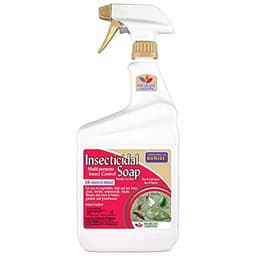
Potassium salts of fatty acids that break down whitefly exoskeletons on contact. Must be sprayed directly on insects — especially leaf undersides where nymphs feed. No residual activity, so repeat every 5-7 days. Safe for edible plants up to day of harvest.
$8-$14 · Best for Primary treatment — spray undersides of all leaves every 5-7 days for 3 weeks
Check price on Amazon →
Bright yellow adhesive traps that attract and capture adult whiteflies. Position at plant canopy height, within 12 inches of affected plants. Also catches fungus gnats and other small flies. Replace when covered or every 1-2 weeks.
$6-$12 · Best for Catching adults and monitoring population levels — doubles as early warning system
Check price on Amazon →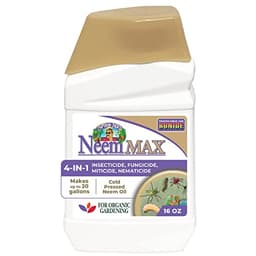
Cold-pressed neem oil disrupts whitefly feeding and reproduction. Mix 2 tablespoons per gallon of water with a few drops of dish soap as emulsifier. Spray in the evening — neem degrades in sunlight. Use as an escalation when insecticidal soap alone isn't enough.
$10-$18 · Best for Second-line treatment when insecticidal soap doesn't fully clear the infestation
Check price on Amazon →Treatment information on PlantFix is educational. When using any pesticide — including organic options like neem oil or insecticidal soap — read and follow the entire product label; the label is the law. For persistent or high-stakes problems, your local university extension service offers free, region-specific advice. Read about how we source and verify treatment guidance in our Editorial Standards.
FAQ
Are whiteflies the same as white moths?▼
No. Whiteflies are much smaller (1-2mm) and are actually more closely related to aphids and scale insects than to moths. True moths are much larger (typically 10mm+) and have different wing structure. If you see tiny white insects fluttering up from your plant leaves, those are whiteflies, not moths.
Do whiteflies live in soil?▼
No. Unlike fungus gnats, whiteflies live their entire lifecycle on the plant — primarily on leaf undersides. Adults fly between plants but always return to lay eggs on leaves. You won't find eggs, nymphs, or pupae in the soil. If you have tiny flies emerging from soil, you have fungus gnats, not whiteflies.
Can whiteflies spread to other plants?▼
Yes, rapidly. Adult whiteflies fly readily and will colonize any nearby susceptible plant. This is why isolating infested plants immediately is critical. One infested plant placed among your collection can spread whiteflies to every other plant within days. Sticky traps near your plants help catch migrating adults before they establish on new hosts.
What causes whiteflies in the first place?▼
The most common source is bringing home an infested plant from a nursery or garden center. Greenhouse-grown plants frequently carry whiteflies. Plants placed outdoors during summer can also acquire whiteflies before being brought back indoors. Once introduced, warm indoor conditions and the absence of natural predators allow populations to grow rapidly.
Do whiteflies bite humans?▼
No. Whiteflies are plant feeders with mouthparts designed to pierce plant cells and extract sap. They cannot bite human skin. They're a nuisance because they fly up in clouds when disturbed, but they pose no direct health risk to humans or pets. The concern with whiteflies is exclusively plant damage.
Related
- Aphids on Plants: How to Kill Them Fast (and Stop the Ants) →
- Houseplant Pests: Visual ID Guide to Every Bug on Your Indoor Plants →
- Insecticidal Soap: What It Actually Kills (Including Spider Mites), DIY Recipe & Why Dawn Is Wrong →
- Mealy Bugs on Plants: How to Identify & Kill Them Fast →
- Neem Oil for Plants: Complete Guide to Using It Effectively →
- Plant Bugs: Identify Any Bug on Your Plant in 30 Seconds →
- Tiny White Bugs on Plants: Identify & Kill All 5 Types →
- Tomato Leaves Curling? 5 Causes Ranked by How Worried You Should Be →
- Yellow Leaves on Plants: Every Cause & How to Fix It →
- Yellow Sticky Traps for Gnats: Placement & Best Picks →
Not sure what's wrong?
Use the diagnosis tool →Get seasonal plant care reminders and pest alerts.