Japanese Beetles: Why Traps Backfire & a Week-by-Week Control Calendar
Japanese beetle traps attract 5x more beetles than they catch. Here's the university-backed proof, a dual lifecycle strategy for adult beetles AND lawn grubs, and a month-by-month action plan from May through September.
12 min read · Updated 2026-05-22
By PlantFix Editorial Team · Sources: University Extension Programs, USDA, EPA
How to Get Rid of Japanese Beetles (Quick Answer)
Japanese beetles are metallic green and copper scarab beetles that skeletonize leaves of roses, grapes, and 300+ plant species from June through August. The fastest knockdown: hand-pick adults into a bucket of soapy water in the early morning when they're sluggish and slow to fly. For lawns, apply milky spore or beneficial nematodes in late August to kill next year's lawn grubs — this is the only way to break the cycle long-term (though milky spore only works well in warm climates — see the honest breakdown).
Do NOT buy Japanese beetle traps. University of Kentucky research shows traps attract five times more beetles than they actually catch, and the extras land on your plants. A 2026 study from the University of Montreal found the traps also kill pollinators and beneficial carrion beetles as collateral damage. More on why traps backfire below.
Not sure if you're looking at a Japanese beetle or a June bug? Identify it with the diagnosis tool.
Japanese Beetle Identification (vs. June Bugs, Rose Chafers & Green June Beetles)
Japanese beetles (Popillia japonica) are about half an inch long with a distinctive metallic green thorax and iridescent copper-bronze wing covers. That two-tone metallic coloring is the fastest field ID. But the feature entomologists use for definitive identification is a row of five white tufts of hair along each side of the abdomen, visible when you look at the beetle from behind. No other common garden beetle has these tufts.
Here's how to tell Japanese beetles apart from the bugs they're commonly confused with:
Japanese beetle vs. June bug: June bugs (genus Phyllophaga) are solid brown, 1/2 to 1 inch long, and primarily nocturnal — they're the ones crashing into your porch light. Japanese beetles are smaller, metallic green/copper, and feed during the day. Different beetle, different lifecycle, different treatment.
Japanese beetle vs. green June beetle: Green June beetles (Cotinis nitida) are bigger (3/4 to 1 inch), uniformly dull green without the copper wing covers, and tend to fly low over lawns rather than feeding on garden plants. They're often mistaken for Japanese beetles from a distance, but up close the size and color difference is obvious.
Japanese beetle vs. rose chafer: Rose chafers (Macrodactylus subspinosus) are similar in size but tan or straw-colored with long, spindly legs. They also feed on roses and grapes but are a different species requiring different management.
The grub: Japanese beetle grubs are white, C-shaped, about 3/4 inch long, and live in lawn soil. They look nearly identical to other white grub species — the definitive ID is a V-shaped pattern of bristles on the raster (the underside of the last abdominal segment). In practice, if you're in the eastern US and finding grubs under brown lawn patches, there's a strong chance they're Japanese beetles.
Why Japanese Beetle Traps Are a Trap (University Research)
This is the most counterintuitive fact in garden pest management: the traps you see at every hardware store make your Japanese beetle problem worse, not better.
Japanese beetle traps use a combination of a sex pheromone and a floral lure to attract beetles. They work — they attract beetles extremely well. The problem is they attract beetles from across your entire neighborhood and beyond. University of Kentucky research demonstrated that traps lure in roughly five times more beetles than they actually catch. The ones that don't fly into the trap land on nearby plants and start feeding.
Multiple university extension programs have confirmed this. Colorado State University Extension notes that damage to nearby plants actually increases when traps are present. University of Minnesota Extension explicitly advises homeowners not to use them. UMass Extension found a 31-40% increase in plant damage when traps were placed near susceptible plants.
A February 2026 study from the University of Montreal added another reason to skip the traps: they unintentionally capture significant numbers of pollinators and beneficial carrion beetles. So you're not just attracting more Japanese beetles to your yard — you're killing the beneficial insects that would otherwise help keep other pest populations in check.
When traps DO make sense:
- Community-wide trapping programs where every property within a radius participates (reduces the local population overall)
- Placed at the perimeter of a large property, far from plants you want to protect (50+ feet away)
- As a monitoring tool to track when adult emergence begins (hang one trap and watch for the first catches in June)
For everyone else — if you have a normal residential yard and you're trying to protect your roses and vegetable garden — traps cause more harm than good. The money is better spent on milky spore for grub control.
The Dual Lifecycle: Why You're Fighting Two Battles
Most Japanese beetle guides treat adult beetles and lawn grubs as separate problems. They're not — they're the same insect at different life stages. If you only fight the adults on your roses, you'll have the same number next year because the grubs in your lawn survived. If you only treat the grubs, you'll still get adults flying in from neighboring properties. You have to fight both.
The annual cycle:
Late June – August (adults): Adult beetles emerge from the lawn, fly to your plants, feed on foliage and flowers, and mate. Females return to the lawn in the evening to lay eggs in moist turf. A single female lays 40-60 eggs over her lifetime.
August – October (eggs & young grubs): Eggs hatch in about 2 weeks. Tiny grubs begin feeding on grass roots in the top few inches of soil. Lawns develop brown patches that peel up easily (because the roots have been eaten). See our lawn grubs guide for the square-foot test to confirm grub counts and the full treatment calendar. This is the critical treatment window for biological controls.
November – March (deep grubs): As soil temperature drops, grubs burrow 4-8 inches deep to overwinter. They're below the treatment zone and nearly impossible to reach during this period.
April – May (returning grubs): Grubs move back toward the surface as soil warms and resume feeding on grass roots. Some lawns show additional browning in spring. Chemical grub preventers (GrubEx/chlorantraniliprole) are applied now.
June (pupation): Grubs pupate in the soil and transform into adult beetles. The cycle begins again.
This is why fall is the most important treatment window. The grubs are small, near the surface, and actively feeding — making them maximally vulnerable to milky spore and nematodes. Treating the lawn in August-September reduces next summer's adult population at your property. Combine with hand-picking adults during summer, and you attack the problem from both directions.
6 Ways to Control Adult Japanese Beetles (Ranked)
1. Hand-picking into soapy water (most effective for small gardens)
Fill a wide-mouth container with water plus a squirt of dish soap. In the early morning (before 8 AM), when Japanese beetles are sluggish and their flight muscles haven't warmed up, walk your garden and flick or knock beetles into the bucket. The soap breaks the surface tension so they can't climb out. I've personally cleared 50+ beetles in 10 minutes this way on bad mornings. The key is early timing — by mid-morning they're alert and will fly away when disturbed.
2. Neem oil spray (repellent + anti-feedant)
Neem oil doesn't kill Japanese beetles directly, but it makes treated leaves taste terrible and disrupts feeding. Beetles preferentially move to untreated plants. Spray roses, grape vines, and other favorites every 7 days during beetle season. The azadirachtin in cold-pressed neem also deters egg-laying.
3. Kaolin clay barrier (Surround WP)
Surround WP is a kaolin clay product that leaves a fine white film on plant surfaces. It doesn't kill beetles, but they avoid landing on coated leaves. Particularly effective for fruit crops — grape and raspberry growers use it extensively. Downside: it makes your plants look whitish-gray, which is fine for a vegetable garden but not ideal for ornamental roses.
4. Row covers for vegetable gardens
Lightweight floating row covers physically exclude beetles from crops. Works perfectly for beans, eggplant, and peppers during peak flight (late June through July). Remove for pollination if growing squash or cucumbers. A simple, chemical-free solution for food gardens.
5. Companion planting as deterrent
Garlic, chives, rue, tansy, and catnip planted among susceptible crops provide some repellent effect. These aren't strong enough to stop a heavy infestation alone, but they reduce feeding pressure as part of an integrated approach. Garlic and chives interplanted with roses is a traditional combination.
6. Carbaryl (Sevin) — last resort
Carbaryl kills Japanese beetles on contact and provides 1-2 weeks of residual protection. It's effective but kills beneficial insects including bees, ladybugs, and parasitic wasps. Use only when damage is severe and other methods have failed. Never spray during bloom when pollinators are active. Follow label directions and pre-harvest intervals for edible crops.
Grub Control: Prevent Next Year's Infestation
Killing adults on your plants is reactive — it handles this year's problem. Killing grubs in your lawn is proactive — it reduces next year's beetle population at your property. Both matter, but grub control is where you break the cycle.
Milky spore (Paenibacillus popilliae) — the 15-year solution
Milky spore is a naturally occurring soil bacterium that specifically infects and kills Japanese beetle grubs. When a grub ingests spores while feeding on grass roots, the bacteria multiply inside the grub, killing it and releasing billions of new spores into the soil. Each dead grub amplifies the spore concentration.
Once established, milky spore provides 15-20 years of control without reapplication. That's not a marketing claim — USDA researchers have documented persistence exceeding 15 years in field trials. The tradeoff: it takes 1-3 years to build up effective spore levels in the soil, with colder climates taking longer. You won't see dramatic results the first summer.
Apply milky spore in late August through September when grubs are young and feeding near the surface. Follow package directions for the teaspoon-per-spot pattern (typically every 4 feet in a grid). Water in lightly after application.
Beneficial nematodes (Heterorhabditis bacteriophora) — faster but annual
These microscopic worms hunt and kill grubs in the soil. They enter the grub through natural openings and release bacteria that kill the host within 48 hours. Nematodes provide faster results than milky spore — often within 2-3 weeks of application.
The downside: nematodes don't persist through winter in most climates, so you need to reapply annually. Apply in late August or early September when soil temperatures are between 60-80°F and soil is moist. Apply in the evening (nematodes are killed by UV light) and water in immediately.
Dual approach for maximum impact: Apply both milky spore AND nematodes at the same time. The nematodes provide immediate knockdown this season while the milky spore establishes for long-term control. Within 2-3 years, the milky spore takes over and you can stop buying nematodes.
GrubEx / chlorantraniliprole — chemical option
Scotts GrubEx (active ingredient: chlorantraniliprole) is a preventive chemical treatment applied to lawns in May or early June, before eggs are laid. It kills young grubs after they hatch by disrupting their ability to molt. It's effective and relatively low-toxicity compared to older grub chemicals, but it does need annual reapplication and doesn't build long-term protection the way milky spore does. Choose this if you want reliable first-year results without waiting for biologicals to establish.
Plants Japanese Beetles Love (and Plants They Won't Touch)
Japanese beetles are generalists — USDA lists over 300 host plant species. But they have strong preferences. Knowing what they love and what they avoid lets you make strategic planting decisions.
Plants Japanese beetles devour:
- Roses — their absolute favorite. They eat petals, buds, and foliage.
- Grapes and grape vines — including Virginia creeper, which is in the grape family
- Linden (basswood) trees — the most heavily damaged shade tree
- Japanese maple — the irony isn't lost
- Birch trees
- Raspberry and blackberry — skeletonize the leaves
- Basil — they'll strip it to stems overnight
- Hibiscus, hollyhock, marigolds
- Corn silks — they feed on the silks, preventing pollination
- Beans and soybeans
Plants Japanese beetles generally avoid:
- Boxwood
- Holly
- Dogwood
- Red maple (unlike Japanese maple, which they love)
- Lilac
- Magnolia
- Evergreens (spruce, pine, arborvitae)
- Most herbs except basil — they leave rosemary, thyme, and sage alone
- Daffodils, poppies, begonias
One strategy that experienced rose growers use: plant zinnias and marigolds near (but not directly beside) your roses. Beetles are attracted to these sacrificial plants, which reduces pressure on the roses. Then hand-pick from the trap plants each morning. It's a targeted, chemical-free approach that works surprisingly well for small rose gardens.
Month-by-Month Japanese Beetle Calendar (May-September)
Here's the schedule that integrates both adult control and grub prevention into one timeline. This is what's missing from most guides — they cover either adult beetles OR grub treatment, but not the coordinated approach.
May:
- Apply GrubEx (chlorantraniliprole) to lawn if using the chemical prevention approach
- Inspect roses and grape vines for overwintering pest damage
- Prepare soapy water bucket and keep it by the garden entrance
- Optional: hang ONE beetle trap at the far edge of your property (50+ feet from garden) to monitor when adults first appear
Early June:
- First adults emerge — start checking plants daily
- Begin morning hand-picking routine (6-8 AM is ideal)
- Apply first neem oil spray to roses, grapes, and favorite targets
- Place row covers over vulnerable vegetable crops (beans, eggplant)
Late June – July (peak season):
- Hand-pick daily — this is the most intense period
- Reapply neem oil every 7 days
- If damage is severe, consider kaolin clay (Surround WP) on food crops
- Remove heavily damaged leaves to reduce the feeding aggregation pheromone (beetles release a scent when feeding that attracts more beetles — removing damaged foliage reduces this signal)
August (critical grub treatment window):
- Adult feeding tapers off mid-to-late August
- Late August: apply milky spore to lawn (follow the grid pattern on the package)
- Same week or next: apply beneficial nematodes to lawn in the evening, water in immediately
- Keep the lawn moist for 2 weeks after biological applications to help nematodes survive
September:
- Adult beetles are done for the year
- Grubs are feeding near the surface — your biological controls are working
- If your lawn is also showing signs of overnight blade damage (grass chewed off at the base), check for armyworms — caterpillars that eat grass blades rather than roots, peaking at the same late-summer timing as grub season
- Clean up fallen fruit and debris that harbored beetles during the season
- Take notes: which plants were hit hardest? Consider replacing the worst victims with beetle-resistant species before next spring
This dual-track approach — hand-picking and neem for adults, milky spore and nematodes for grubs — produces compounding results. Year one, you'll see moderate improvement. By year 2-3, as milky spore establishes in your lawn, the local beetle population drops significantly.
Recommended Products
We earn a commission if you buy through these links, at no extra cost to you. We recommend based on what works, not what pays. How this works.
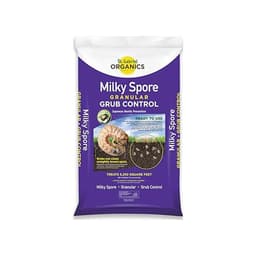
Paenibacillus popilliae spores applied in a grid pattern across your lawn. Kills Japanese beetle grubs specifically and persists in the soil for 15-20 years. Apply in late August-September when grubs are young and feeding near the surface. Takes 1-3 years to fully establish.
$30-$50 · Best for Long-term Japanese beetle control — the single best investment for lawns with recurring grub problems
Check price on Amazon →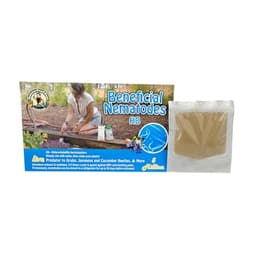
Microscopic worms that hunt and kill grubs in the soil within 48 hours. Apply in late summer, in the evening, and water in immediately — nematodes are UV-sensitive. Must be reapplied annually but provides faster results than milky spore. Pair both for maximum effect.
$20-$35 · Best for Fast grub knockdown in the first season while waiting for milky spore to establish
Check price on Amazon →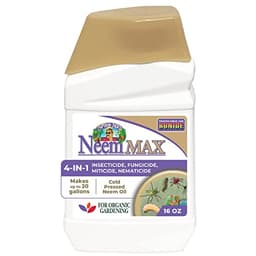
Mix with water and spray on roses, grapes, and other targets every 7 days during beetle season. Deters feeding and disrupts reproduction without killing beneficial insects. Must be cold-pressed (not clarified) to contain the active compound azadirachtin.
$10-$18 · Best for Protecting ornamental plants from adult beetles without harming pollinators
Check price on Amazon →Treatment information on PlantFix is educational. When using any pesticide — including organic options like neem oil or insecticidal soap — read and follow the entire product label; the label is the law. For persistent or high-stakes problems, your local university extension service offers free, region-specific advice. Read about how we source and verify treatment guidance in our Editorial Standards.
FAQ
Do Japanese beetle traps really work?▼
Traps attract beetles effectively — too effectively. University of Kentucky research shows they lure in about five times more beetles than they actually catch. The rest land on your plants, and studies document a 31-40% increase in feeding damage near traps. Multiple university extension programs recommend against using them in residential gardens. The money is better spent on milky spore for long-term grub control.
What is the best spray for Japanese beetles?▼
For organic gardens, neem oil is the best spray option — it deters feeding and disrupts reproduction without killing beneficial insects. Spray every 7 days during peak season (late June through July). For severe infestations where organic methods aren't enough, carbaryl (Sevin) kills on contact but also kills bees and beneficial insects, so use it only as a last resort and never during bloom.
Will Japanese beetles kill my plants?▼
Healthy, established trees and shrubs can tolerate significant Japanese beetle defoliation — even losing 50% of their leaves in a season — and recover fully the following year. The main concern is repeated heavy defoliation year after year, which weakens plants over time. Young trees, newly planted shrubs, and shallow-rooted plants are more vulnerable. Vegetable crops can suffer yield losses from defoliation, and corn silk feeding prevents pollination.
How long does Japanese beetle season last?▼
Adult Japanese beetles are active for 6-8 weeks, typically from late June through mid-August in most of the eastern US. The peak feeding period is usually a 4-week window in July. Timing varies by region — southern areas see emergence earlier (early June), northern areas later (early July). By September, adults have died and the next generation is feeding as grubs in the lawn.
Do Japanese beetles bite?▼
No. Japanese beetles are plant feeders with chewing mouthparts designed for leaf tissue. They cannot bite human skin. If you pick one up, it may pinch slightly with its legs, but this is harmless. They don't sting either. Hand-picking into soapy water is perfectly safe.
How does milky spore work?▼
Milky spore (Paenibacillus popilliae) is a soil bacterium that specifically targets Japanese beetle grubs. When a grub ingests the spores while feeding on grass roots, the bacteria multiply inside the grub and kill it. Each dead grub releases billions of new spores, building soil concentrations over time. Once established, milky spore persists for 15-20 years without reapplication. It takes 1-3 years to build up effective levels, so pair it with beneficial nematodes for faster initial results.
Related
- Insecticidal Soap: What It Actually Kills (Including Spider Mites), DIY Recipe & Why Dawn Is Wrong →
- Neem Oil for Plants: Complete Guide to Using It Effectively →
- Flea Beetle: The Jumping Test, Crop-by-Crop Species Guide, and Why Seedlings Die in 48 Hours →
- Cucumber Beetle: Spotted vs Striped ID + Deadly Wilt →
- Squash Bugs: The Week-by-Week Battle Plan to Save Your Garden →
- Earwig Pictures: What They Look Like & How to Get Rid of Them →
- Plant Bugs: Identify Any Bug on Your Plant in 30 Seconds →
- Tomato Hornworm ID: Kill It — Unless It Has White Cocoons →
- Beneficial Nematodes: Which Species Kills Your Specific Pest (Buying Guide by Pest Type) →
- Milky Spore for Grubs: Does It Actually Work? (Honest Guide) →
- Armyworms Destroyed My Lawn Overnight — Here's the Rescue Plan →
- Lawn Grubs: The Underground Reason Your Grass Is Dying (ID + Treatment) →
- Spotted Lanternfly: How to ID, Kill & Report Them (2026 State Guide) →
- Garden Pest Identification: 25+ Bugs by the Damage They Do →
Not sure what's wrong?
Use the diagnosis tool →Get seasonal plant care reminders and pest alerts.