Plant Leaves Curling? 7 Causes and the Fix for Each
Which way are the leaves curling? Up and crispy means thirst or heat; down and soft means overwatering; twisted new growth means pests. Here's the exact cause and fix.
9 min read · Updated 2026-10-07
By PlantFix Editorial Team · Sources: University Extension Programs, USDA, EPA
Why Your Plant's Leaves Are Curling (Quick Answer)
Plant leaves curl most often from a water problem, and the direction of the curl tells you which one. Leaves curling upward or inward, dry and crispy, usually mean underwatering, low humidity, or heat stress — the plant is shrinking its exposed surface to slow moisture loss. Leaves curling downward, soft and yellowing, usually mean overwatering or root rot. And when only the newest leaves come in twisted or puckered while the old leaves stay flat, that points to sucking pests — thrips, aphids, or spider mites — not watering.
Check the soil first. Bone-dry and pulling away from the pot edge means underwatering: water deeply and the curl often relaxes within hours to a day. Soggy and staying wet days after watering means you should stop, check the roots, and read our root rot rescue guide. Then flip a few leaves and check the undersides for pests. Curl caused by a quick thirst or humidity fix is reversible; curl from pest or root damage means that leaf usually won't flatten again, but new growth comes in normal once you fix the cause. Not sure what you're looking at? Our plant diagnosis tool reads a photo and narrows it down — and if the whole plant looks like it's failing rather than just a few leaves, start with the why is my plant dying alive-or-dead triage.
Quick Diagnosis: Which Way Are the Leaves Curling?
This is the fastest way to a diagnosis, and it's the step almost every other guide skips. Curl is a physical response to a specific stress, so the shape it takes is a clue. Match what you see to the row below, then jump to that section.
| Curl pattern | Most likely cause | First move |
|---|---|---|
| Up / inward like a taco, dry and crispy | Underwatering, heat, or too much sun | Water deeply; move out of direct sun |
| Edges rolling under, tips crisping brown | Low humidity or salt / fertilizer burn | Raise humidity; flush the soil |
| Downward cup, soft and yellowing | Overwatering / root rot | Stop watering; check the roots |
| Only the NEW leaves, twisted or puckered | Pests (thrips, aphids, spider mites) or root damage | Inspect leaf undersides |
| Uniform, pale, slow — whole plant | Nutrient issue or transplant shock | Check feeding and recent repotting |
The underlying mechanism for the top rows is worth understanding, because it explains why the fix works. When a plant loses water faster than its roots can replace it, the cells along the leaf lose turgor (internal pressure) and the leaf rolls to reduce the surface area exposed to the air — which slows transpiration and conserves what moisture is left. That's why a genuinely thirsty plant can uncurl within hours of a deep watering: you've restored the pressure, not grown a new leaf. One tomato exception: if it's a tomato plant with tightly rolled or fern-like distorted leaves, that's a different problem — usually leaf-curl virus or herbicide drift. See our tomato leaf curl guide for that.
Cause #1: Underwatering (Up / Inward Curl, Dry Soil)
This is the single most common reason houseplant leaves curl. The leaf rolls inward or upward — often described as a taco or canoe shape — and feels dry, sometimes crispy at the edges. Lift the pot: if it feels surprisingly light and the soil has shrunk away from the sides, the plant is thirsty.
The fix is a thorough soak, not a splash. Water slowly until it runs freely from the drainage hole, let it drain, and empty the saucer. If the soil has gone hydrophobic (water beads up and runs straight through without wetting the mix), bottom-water instead: set the pot in a tray of water for 20–30 minutes so the soil wicks moisture up evenly, then let it drain. A properly rehydrated plant usually relaxes its curl within a few hours to a day. Going forward, water by touch rather than by calendar — most houseplants want the top inch or two of soil to dry out, then a full drink, not frequent little sips that leave the deeper roots dry.
Cause #2: Low Humidity (Edges Curling, Crispy Tips)
When the air is dry, leaves lose moisture from their edges faster than the roots can resupply, and the margins curl under and brown. This hits thin-leaved tropicals hardest — Calathea, Maranta (prayer plants), ferns, and Alocasia are the drama queens here, curling and crisping whenever indoor humidity drops below about 40–50%, which happens fast in winter with the heat running.
The honest ranking of fixes matters, because the popular one barely works. Misting is the most overrated: it raises humidity for a few minutes, then it's gone, and wet leaves sitting overnight can invite fungal spots. What actually moves the needle: a small room humidifier (by far the most reliable), grouping plants together so they share transpired moisture, or a pebble tray with water under the pot. If your tap water is heavily treated, note that Calathea and Maranta are also sensitive to fluoride and chlorine — the brown crispy edges on those specifically can be water quality, so switch to distilled or collected rainwater.
Cause #3: Heat Stress and Too Much Sun (Curl + Bleaching)
Curl plus pale, bleached patches on the side facing a window is heat and light stress. Most houseplants evolved under a canopy and scorch in harsh direct sun, especially through a hot south or west window in summer. The leaf curls to reduce the surface hit by the light and to slow the water loss that intense sun and heat drive. You'll often see it paired with dry soil, because a plant baking in the sun drinks faster.
Move it a few feet back from the glass or filter the light with a sheer curtain. Keep it away from heat sources too — a radiator, a heat vent, or the top of a warm appliance will cook the nearest leaves. Already-scorched patches won't turn green again, but new growth comes in normal once the light is right. Bright indirect light is the target for nearly every common houseplant.
Cause #4: Overwatering and Root Rot (Downward Curl, Soft Leaves)
This is the one most people get backwards. A plant with downward-cupping, soft, often yellowing leaves and soil that stays wet for days is usually overwatered, not thirsty — and the reflex to water a droopy plant makes it worse. Waterlogged soil drives the oxygen out, the fine roots suffocate and rot, and a rotted root system can't take up water even while sitting in it. University of Maryland Extension notes that root rot can paradoxically produce wilting and yellowing even when the soil is wet, which is exactly why this gets misdiagnosed.
Check the stem base and the soil smell. A soft, mushy, or sour-smelling base means you're past overwatering and into rot. Stop watering, and if the base is mush, unpot the plant, rinse the roots, cut away everything brown and soft with sterilized scissors, and repot into fresh, fast-draining mix. Our full root rot rescue guide walks the save-vs-restart decision step by step. Prevention is simpler than the cure: a pot with a real drainage hole, and watering by soil dryness rather than a schedule.
Cause #5: Pests (Twisted, Puckered NEW Growth)
Here's the tell that saves you from chasing your watering can: if the old leaves look fine and flat but the newest growth comes in twisted, puckered, or distorted, you almost certainly have sucking pests, not a water problem. Tiny insects pierce the soft developing leaves and drain them, and the leaf grows in deformed.
Flip the new leaves and inspect the undersides and the growing tips with good light. Silvery streaks, tiny black specks, and distorted new leaves point to thrips. Clusters of small green, black, or peach-colored soft bugs on new shoots and buds are aphids, which curl leaves as they feed. Fine webbing with pale yellow stippling means spider mites, which thrive in the same dry indoor air that also causes humidity curl — so it's worth ruling both in or out together. Treat the pest and the new growth after it comes in normal; the already-distorted leaves won't straighten out.
The Other Causes (Nutrients, Cold, and Repotting Shock)
Once water, light, and pests are ruled out, run through these three:
- Nutrients — both directions curl. A plant that hasn't been fed in many months may cup and pale from a deficiency, while over-fertilizing burns the roots and curls the leaf edges from salt buildup. If you feed heavily and see crispy, curling margins with a white crust on the soil, flush the pot with plain water several times to leach the salts out, then ease off feeding.
- Cold and drafts. A blast from a drafty window, an exterior door, or an A/C vent can curl and distort leaves within days. Keep tropicals in a stable, warm spot away from vents.
- Repotting or transplant shock. Curling in the week or two after repotting is usually the roots recovering from being disturbed. Don't fertilize, keep the plant in stable indirect light, water normally, and it typically settles on its own.
Curling Leaves by Plant Type
The cause skews differently depending on the plant, so here's the quick read on the most-searched ones:
- Calathea and Maranta: almost always humidity or water quality. Raise humidity and switch to distilled or rainwater. We have a dedicated prayer plant leaves curling guide (and the Calathea care profile) for these Marantaceae drama queens.
- Monstera: usually thirst or, on wet soil, root rot — and a brand-new leaf always comes in rolled, which is normal. Our dedicated Monstera leaves curling guide walks the soil-check and the stuck-new-leaf fix.
- Snake plant: counterintuitively, curling usually means underwatering, not over — check the base firmness first. Full breakdown in our snake plant leaves curling guide.
- Money tree: curling usually points to thirst or dry air rather than overwatering — check whether the soil is dry and which way the leaflets roll. Our money tree leaves curling guide walks the direction-of-curl and soil-state chart.
- Bird of paradise: thirst, dry air, or heat stress on those big paddle leaves; a rolled central spear is just a new leaf. See our bird of paradise leaves curling guide.
- Pothos: typically underwatering; the vines wilt and the leaves cup when the soil goes too dry between drinks — but curling on wet soil is rot. Our pothos leaves curling guide runs the curl-and-soil check (and see the pothos profile).
- Spider plant: crispy-and-curling means thirst or dry air; limp-and-curling on wet soil means root rot; a tight speckled curl means spider mites. Our spider plant leaves curling guide runs the crispy-vs-limp touch test.
- Fiddle leaf fig: environmental stress — inconsistent watering, cold drafts, or a recent move. If it's brown spots rather than curl, read our fiddle leaf fig brown spots guide.
- Tomato: a different animal — leaf-curl virus or herbicide drift. Route straight to the tomato leaf curl guide.
Will Curled Leaves Uncurl — and Should You Cut Them?
It depends entirely on the cause. Curl from a quick, reversible stress — a thirsty plant, a temporary humidity dip, a too-sunny spot — usually relaxes once you fix the problem, often within hours to a couple of days for underwatering. There's no need to cut those; they'll recover on their own.
Curl from pest damage, salt burn, or root rot is a different story: those cells are damaged, and the leaf typically stays curled or distorted permanently even after you fix the cause. The plant will simply put out normal new growth going forward. You can cut off badly distorted or crispy leaves for looks, but there's no rush unless a leaf is more than about half dead — a partly green leaf is still feeding the plant. Either way, the leaf matters far less than the cause. Fix the underlying problem so the next flush of growth comes in flat.
How to Stop Leaves From Curling in the First Place
Most curling traces back to inconsistent watering and dry air, so nail those two and it rarely comes back.
- Water by touch, not by calendar. Check the top inch or two of soil with your finger, then water thoroughly until it drains from the bottom. A moisture meter takes the guesswork out for chronic over- or under-waterers.
- Run a humidifier for the sensitive plants. If you keep Calatheas, Marantas, ferns, or Alocasia, a small room humidifier does more than a year of misting.
- Get the light right. Bright indirect light for nearly everything; pull plants back from hot direct sun.
- Use pots with drainage holes and empty the saucer. A no-hole cachepot is a slow rot machine.
- Quarantine new plants for two weeks so you catch thrips or aphids before they spread and start distorting new growth.
You'll find the moisture meters, humidifiers, and pebble trays we actually recommend on our plant care gear page. For the bigger picture on discoloration, our yellow leaves guide covers the full differential across every houseplant, and if the leaves are curling and yellowing downward, start with root rot.
Recommended Products
We earn a commission if you buy through these links, at no extra cost to you. We recommend based on what works, not what pays. How this works.
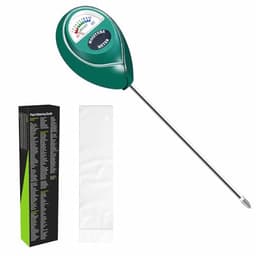
A probe that reads moisture down at the root zone so you can tell an underwatered curl from an overwatered one without guessing — the two look different but both scare people into watering. Water only when it reads dry in the lower half of the pot.
$10-$18 · Best for Telling thirst from rot when leaves are curling
Check price on Amazon →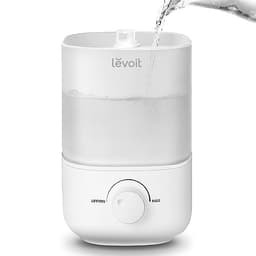
The single most effective fix for edge-curling on Calatheas, Marantas, ferns, and Alocasia. A cool-mist humidifier holds ambient humidity in the 50%+ range that thin-leaved tropicals need — far more reliable than misting, which fades in minutes.
$25-$45 · Best for Chronic edge-curl and crispy tips on humidity-loving plants
Check price on Amazon →A shallow tray of water and pebbles under the pot that raises local humidity as it evaporates, without letting the roots sit in water. A cheap, low-effort supplement for a plant or two that curl in dry air.
$8-$15 · Best for A budget humidity boost for one or two sensitive plants
Treatment information on PlantFix is educational. When using any pesticide — including organic options like neem oil or insecticidal soap — read and follow the entire product label; the label is the law. For persistent or high-stakes problems, your local university extension service offers free, region-specific advice. Read about how we source and verify treatment guidance in our Editorial Standards.
FAQ
Why are my plant's leaves curling up and inward?▼
Upward or inward curl with dry, crispy texture is almost always a water-loss problem — underwatering, low humidity, or too much heat and sun. The leaf rolls to reduce its exposed surface and slow moisture loss. Check the soil: if it's dry and the pot feels light, water thoroughly and the curl usually relaxes within a day. If it's near a hot window, move it back into bright indirect light.
Do curled leaves uncurl once I fix the problem?▼
Curl from a reversible stress like thirst or a humidity dip usually relaxes within hours to a couple of days after you fix it. Curl from pest damage, salt burn, or root rot is permanent for that leaf — the tissue is damaged — but the plant will grow normal new leaves once the cause is corrected. So focus on the cause, not the individual leaf.
Why are only the new leaves curling?▼
When old leaves are flat but new growth comes in twisted, puckered, or distorted, that's the signature of sucking pests — usually thrips, aphids, or spider mites — feeding on the soft developing leaves. Flip the new leaves and inspect the undersides and growing tips. Watering problems affect leaves more evenly and don't single out just the newest growth.
Should I cut off curling leaves?▼
Not unless they're more than about half dead or badly distorted. A leaf that's only curled but still green is still feeding the plant, and leaves curled by thirst or humidity often recover once you fix the cause. Cut leaves that are crispy, mostly brown, or permanently deformed by pests — but there's no rush, and removing healthy tissue just costs the plant energy.
Why do leaves curl after repotting?▼
Curling in the first week or two after repotting is usually transplant shock — the roots were disturbed and are temporarily less efficient at taking up water. Don't fertilize, keep the plant in stable bright indirect light, water normally when the topsoil dries, and it typically settles on its own. If it doesn't recover after two weeks, check that you didn't damage roots or bury the stem too deep.
Related
- Yellow Leaves on Plants: Every Cause & How to Fix It →
- How to Fix an Overwatered Plant (Root Rot Rescue) →
- Thrips on Houseplants: How to Identify and Finally Get Rid of Them →
- Spider Mites: Identification, Treatment & Prevention Guide →
- Aphids on Plants: How to Kill Them Fast (and Stop the Ants) →
- Tomato Leaves Curling? 5 Causes Ranked by How Worried You Should Be →
- Why Are My Monstera Leaves Curling? (And How to Fix It) →
- Why Are My Snake Plant Leaves Curling? (Causes and Fixes) →
- Bird of Paradise Leaves Curling: Causes and the Fix →
- Why Are My Prayer Plant Leaves Curling? (Normal vs. Distress) →
- Why Is My Aloe Vera Turning Brown? (Mushy vs. Crispy) →
- Monstera Yellow Leaves: 7 Causes and the Fix for Each →
- Fiddle Leaf Fig Brown Spots: 5 Causes and How to Fix Each →
- Houseplant Pests: Visual ID Guide to Every Bug on Your Indoor Plants →
Plants Commonly Affected
Not sure what's wrong?
Use the diagnosis tool →Get seasonal plant care reminders and pest alerts.