Pothos Leaves Curling? Check the Soil Before You Do Anything
Pothos curl inward when thirsty — it's an early warning, usually fixable in a day. But curling on wet soil means rot. Here's the curl-and-soil read and the fix for each.
8 min read · Updated 2026-10-09
By PlantFix Editorial Team · Sources: University Extension Programs, USDA, EPA
The 20-Second Read: Curl Direction + Soil State
A curling pothos is usually telling you it's thirsty — and the good news is that's the easy fix. But the same curl on wet soil means something very different, so check the soil before you reach for the watering can. Feel the top inch or two, then match your plant to the row:
| What you see | Most likely cause | First move |
|---|---|---|
| Leaves cupping inward / down, soil dry, pot light | Underwatering (the usual cause) | Deep soak; curl relaxes within a day |
| Curl + crispy edges, dry heated air | Low humidity or heat | Move off the vent; raise humidity a little |
| Curl + leaves fading / bleached, harsh sun | Too much direct light | Move to bright indirect light |
| Curl + soft stems, soil stays wet for days | Overwatering / root rot | Stop watering; check the roots |
| Curl + fine stippling or webbing | Spider mites | Flip leaves; check the undersides |
| Only the newest leaves, small and curled | Developmental (light/humidity) | Usually nothing |
Pothos (Epipremnum aureum) is one of the most forgiving houseplants there is, so curling is rarely a crisis — it's an early stress signal you can usually reverse. The single fork that matters is dry soil versus wet soil: dry means give it a drink, wet means stop and look at the roots. Not sure which you're seeing? The plant diagnosis tool reads it from a photo.
Inward Curl + Dry Soil: Thirst, Heat, or Too Much Light
This is the modal case and the benign one. When a pothos loses water faster than its roots can replace it, the leaves cup and curl inward to shrink the surface exposed to the air — a water-saving reflex, not a disease. Lift the pot: if it feels light and the soil has pulled away from the sides, it's simply thirsty. NC State Extension's watering guidance for pothos is to "let the well-drained potting medium dry out between watering" — but "dry out between" is not "bone dry for a week," and a pothos pushed too far past dry curls to protest.
The fix is a thorough soak. Water slowly until it runs from the drainage hole, let it drain, and empty the saucer; if the soil has gone hydrophobic and water runs straight through, bottom-water for 20–30 minutes so the mix rewets evenly. A thirsty pothos usually uncurls within a day. The two aggravating factors to rule out while you're there: a spot right over a heat vent, which dries the leaves faster than the roots can keep up, and harsh direct sun. NC State notes pothos "prefers bright, indirect light" — direct afternoon sun both scorches and speeds water loss, so a pothos curling in a hot window usually wants to move back a foot, not get watered more.
Curl + Wet Soil + Soft Stems: Overwatering and Root Rot
If the leaves are curling and the soil is still wet days after you last watered — especially if the stems feel soft or the vines are limp — you've crossed from thirst into overwatering, and more water is the exact wrong move. NC State is direct that for pothos, "root rot and blackening of the leaf margins can occur with overwatering." Rotted roots can't draw water up, so the plant wilts and curls as if thirsty even though it's drowning — the University of Maryland Extension notes a plant with root rot "will wilt even when adequate moisture is present in the potting media."
Stop watering and check the roots. Firm and pale means let the soil dry out fully and the plant will likely bounce back. Brown, black, soft, or mushy roots mean rot — and here's the pothos advantage: it's the easiest houseplant of all to restart. If the roots are too far gone, snip a healthy vine below a node and root it in a jar of water, then pot it up once the water roots are an inch or two long. You often end up with a better plant than the one you lost. Our root rot rescue guide walks the full triage and the treatment plan sequences the recovery.
Curl + Stippling or Webbing: Spider Mites
If the curl comes with a dull, speckled look to the leaves and fine webbing on the undersides, it's not a watering problem — it's spider mites, a dry-air pest that shows up most in heated winter rooms. The Missouri Botanical Garden describes the damage this way: "leaves may appear stippled and curled. Fine webbing may also be evident under the leaves," and they note reproduction is "favored by hot, dry conditions."
Confirm it with their tap test: "when a leaf or branch is tapped over a white sheet of paper, small specks that appear as dust or pepper may be seen to move." If the specks move, you have mites — isolate the plant and work through our spider mites guide. It's worth a 10-second check on any curling pothos in winter, because mite curl looks like thirst curl until you flip the leaf over.
New Leaves Come In Small and Curled — Usually Fine
One pattern to not panic about: the newest leaves at the growing tips emerging a little curled, puckered, or smaller than the mature ones, while the older leaves stay flat. On a pothos that's usually developmental — the leaf is expanding in lower light or drier air than it would like, and it firms up and flattens as it matures. It's not a disease and it's not something you treat.
The tell that separates this from a real problem is which leaves are affected. If it's only the brand-new growth and the established leaves look fine, give it brighter indirect light and steadier humidity and let the next few leaves come in. If older, fully-grown leaves are curling too, go back to the soil check at the top — that's the thirst-or-rot question, and it's the one that actually matters.
Curling Is Pothos's Early-Warning Light
Here's the reframe worth leaving with: on a pothos, curling is a feature, not a failure. Because the plant is so forgiving, it rolls its leaves as an early, easily-reversed distress signal — usually thirst — well before it drops to yellowing leaves or droops in a heap. Catching a curl and responding to it is the whole game; a pothos you water correctly the day it curls almost never progresses to anything worse.
So treat a curling pothos as a prompt to run the soil check, not a reason to worry. Dry soil and a cupped leaf is the most common thing you'll see, and a good soak answers it by tomorrow. Wet soil and a cupped leaf is the rare serious case, and stopping the water plus a root check answers that one. If the leaves are also going yellow rather than just curling, our pothos yellow leaves guide runs the next layer of the diagnosis, and the generic plant leaves curling guide covers what curl direction means across other houseplants.
Recommended Products
We earn a commission if you buy through these links, at no extra cost to you. We recommend based on what works, not what pays. How this works.

Reads moisture at the root zone so you can tell a thirsty pothos (dry, water it) from the less-common wet-soil rot (don't) — the single reading that decides the right move on a curling plant.
$10-$18 · Best for Settling the thirst-vs-rot question before watering
Check price on Amazon →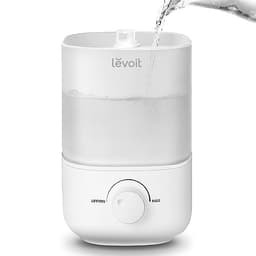
For pothos curling with crispy edges in dry, heated winter air. Steadier and more effective than misting, and it also makes conditions less friendly to the spider mites that curl leaves in dry rooms.
$25-$45 · Best for Edge-curling from low humidity
Check price on Amazon →Treatment information on PlantFix is educational. When using any pesticide — including organic options like neem oil or insecticidal soap — read and follow the entire product label; the label is the law. For persistent or high-stakes problems, your local university extension service offers free, region-specific advice. Read about how we source and verify treatment guidance in our Editorial Standards.
FAQ
Why are my pothos leaves curling inward?▼
Inward or cupped curling on a pothos almost always means thirst — the leaf rolls to reduce the surface losing water. Check the soil: if it's dry and the pot feels light, give it a thorough soak and the curl usually relaxes within a day. Heat from a nearby vent or harsh direct sun can cause the same curl, so move the plant off the vent and out of direct afternoon light too.
Should I water a curling pothos?▼
Only if the soil is dry. A curling pothos on dry, light soil is thirsty and a deep soak fixes it. But if the soil is still wet days after watering and the stems feel soft, the plant is overwatered heading into root rot — NC State notes root rot and blackened leaf margins come from overwatering pothos — and more water makes it worse. Wet soil plus curling means stop watering and check the roots.
Will curled pothos leaves uncurl?▼
If the curl came from thirst or a short humidity dip, yes — leaves usually relax within a day of a proper soak and better air, because you've restored the internal pressure that holds them open. Curl from root rot or spider mite damage generally won't reverse on that leaf, but the plant recovers by pushing out normal new leaves once you fix the cause. Don't cut a leaf that's still green.
Can spider mites make pothos leaves curl?▼
Yes. Spider mites cause a dull, stippled, curled look and leave fine webbing on the undersides of leaves, and they thrive in hot, dry indoor air. Confirm them with the Missouri Botanical Garden's tap test: tap a leaf over white paper and watch for tiny specks that move. If they do, isolate the plant and treat for mites — mite curl looks exactly like thirst curl until you check the leaf undersides.
Related
- Plant Leaves Curling? 7 Causes and the Fix for Each →
- Pothos Yellow Leaves: 8 Causes and the Fix for Each →
- How to Fix an Overwatered Plant (Root Rot Rescue) →
- Spider Mites: Identification, Treatment & Prevention Guide →
- Why Is My Plant Dying? Start With the Alive-or-Dead Check →
- Yellow Leaves on Plants: Every Cause & How to Fix It →
Plants Commonly Affected
Not sure what's wrong?
Use the diagnosis tool →Get seasonal plant care reminders and pest alerts.