Why Is My Plant Dying? Start With the Alive-or-Dead Check
Most 'dying' plants are salvageable or just dormant. Do the 30-second alive-or-dead check first, then use the symptom router to find the exact cause and fix.
9 min read · Updated 2026-10-07
By PlantFix Editorial Team · Sources: University Extension Programs, USDA, EPA
First, Is It Even Dying? The 30-Second Alive-or-Dead Check
Most plants that look like they're dying aren't dead — they're salvageable, or just dormant — and the fastest way to know which is a 30-second check before you touch the watering can. Don't start treating anything until you've answered one question: is there living tissue left to save?
There are three quick tests, in order:
1. The scratch test. Lightly scrape a bit of bark or stem skin off with your fingernail. University of Illinois Extension puts it simply: "lightly scratching the stem with your fingernail or a key. If green shows through, the stem is alive. If it is completely brown and breaks easily, it is dead." Green and slightly moist underneath = alive. Work your way down the stem; the live tissue often starts lower than you'd think, so a plant that's brown at the tips may be perfectly alive at the base.
2. The root check. Slide the plant out of its pot. Firm, pale, white-to-tan roots are healthy. Brown, black, soft, mushy, bad-smelling roots are root rot — the single most common silent killer of houseplants. University of Maryland Extension describes rotted roots as "brown to black and soft or mushy," with the outer layer that "can be easily pulled away from the core."
3. The crown/base check. Where the stem meets the soil — firm is good, mushy and dark means the rot has reached the crown, which is more serious than roots alone.
If any part passes the scratch test or you find firm roots, you have a living plant. Keep reading to find the cause. If everything scratches brown and snaps dry, and every root is mush, it's gone — but that's the rarer outcome. Not sure what you're looking at? Our plant diagnosis tool reads the cause from a photo.
Dormant, Not Dead: The Mistake That Kills Living Plants
Plenty of perfectly healthy plants get thrown out every fall and winter because they look dead when they're only resting. Growth slows or stops, leaves drop, and the whole thing looks finished — but the roots are alive and waiting. Illinois Extension's advice for this is literally "wait and see what happens," because a plant's "roots may still be alive to sprout again."
Seasonal dieback is normal for a lot of houseplants and nearly all outdoor perennials: shorter days and cooler rooms trigger dormancy, and the plant deliberately sheds leaves it can't support. The giveaway that it's dormancy and not death is that the stem or crown still passes the scratch test even though the top looks bare.
The danger isn't the dormancy — it's the panic response. People see a sad-looking plant, assume it needs help, and repot it, fertilize it, or water it more. On a dormant plant, all three are harmful. If the scratch test says alive, the correct move in the off-season is usually to do less: cut back watering, hold the fertilizer, and give it until its normal growing season before you give up.
Find Your Symptom, Then Go Fix It
Once you know the plant is alive, the fastest path to a fix is to match what you're seeing to the right guide rather than wade through every possible cause here. Find your row:
| What you're seeing | Most likely cause | Where to go |
|---|---|---|
| Whole leaves yellowing, often lower ones first | Overwatering (usually) | Yellow leaves guide |
| Wilting or drooping while the soil is still wet | Root rot | Root rot guide |
| Leaves curling, cupping, or rolling | Thirst, heat, or pests | Leaves curling guide |
| Crispy brown tips or edges | Dry air or tap-water salts | Brown tips guide |
| Base soft/mushy, plant collapsing | Advanced rot | Root rot rescue |
| Tiny bugs, webbing, or sticky residue | Pests | Houseplant pests guide |
Know your plant but not the problem? The plant-specific rescue guides go deeper: snake plant root rot, dying peace lily, dying money tree, dying aloe, and drooping Christmas cactus each walk their own save-or-toss call. Or skip the reading and upload a photo to the diagnosis tool — it names the cause and routes you to the fix.
The Four Things That Actually Kill Houseplants
Strip away the hundreds of possible causes and nearly every dying houseplant comes down to four, roughly in order of how often they're the real culprit:
1. Overwatering and root rot. This is the modal killer by a wide margin, and it's cruel because it looks like thirst. When roots rot in constantly wet soil they can't take up water, so the plant wilts — UMD notes plants "will wilt even when adequate moisture is present in the potting media." The owner sees wilting, waters more, and finishes the job. Wet soil plus a wilting plant means stop watering and check the roots, every time. Full rescue in the root rot guide.
2. Underwatering. The good-news case. A bone-dry plant collapses dramatically but usually revives within hours of a deep soak or a 20–30 minute bottom-water. The tell: the soil is bone dry, the pot is feather-light, and the leaves are limp but not mushy or blackened.
3. Light. Too little light slowly starves a plant into weak, leggy, pale growth; too much scorches sun-sensitive leaves with bleached or brown patches. Most struggling houseplants want bright, indirect light and are getting too little of it.
4. Pests. Spider mites, fungus gnats, mealybugs, scale, and thrips drain a plant's vigor and show up as stippling, webbing, sticky residue, or sooty film. The houseplant pests guide is the field ID chart.
What to Do in the Next 24 Hours
If the plant is alive and you've narrowed the cause, a few first moves apply almost universally — and a few common "rescues" do more harm than good.
Do:
- Stop watering until you've checked the soil and roots. If the soil is wet and the plant is wilting, it's rotting, not thirsty.
- Move it to bright, indirect light and away from cold drafts, heat vents, and scorching direct sun.
- Isolate it from your other plants if you suspect pests, so nothing spreads.
- Remove leaves that are fully dead — brown, mushy, or blackened — but leave anything with green in it.
Don't:
- Don't repot a shocked plant. A bigger pot of fresh wet soil is the classic way to turn a struggling plant into a rotting one; the exception is cutting away rot, where fresh dry mix is the fix.
- Don't fertilize. Feeding stressed or rotting roots burns them further. Hold all fertilizer until the plant is visibly pushing new growth.
- Don't drench a wilting plant "just in case." Check first.
When to Keep Trying vs. Let It Go
There's a point where nursing a plant is just delaying the compost, and knowing it saves you weeks of guilt. Use the tissue, not the leaves, to decide.
Keep trying if: any stem or the crown passes the scratch test (green underneath), or you find even a few firm pale roots or one firm division. Many plants — pothos, snake plant, peace lily, aloe — regrow from a single healthy section even when most of the plant is lost, so a cutting or a firm division is a genuine restart, not a consolation prize.
Let it go if: every stem scratches brown and snaps dry, the crown is mushy through, and every root is brown mush with a sour smell. At that point UMD's own advice is to "throw away severely infected plants and only take stem cuttings from healthy tissue" — so check once more for any firm section worth propagating, then move on.
Still not sure whether what you're seeing is rot, thirst, cold, or a pest? That's exactly what the plant diagnosis tool is for — upload a photo and it names the cause before you make the keep-or-toss call.
Recommended Products
We earn a commission if you buy through these links, at no extra cost to you. We recommend based on what works, not what pays. How this works.
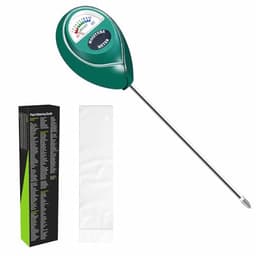
The cheapest insurance against the overwatering that kills most houseplants. Water only when it reads dry near the bottom of the pot and you sidestep both root rot and the dramatic thirst-wilts that get mistaken for dying.
$10-$18 · Best for Anyone who kills plants by watering on a schedule
Check price on Amazon →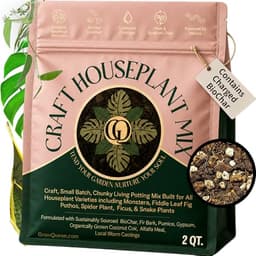
Fresh, fast-draining mix is what you repot into after cutting away rotten roots. It drains quickly enough to stop rot from coming back while still holding the light moisture most houseplants want.
$8-$16 · Best for Repotting after a root-rot rescue
Check price on Amazon →Treatment information on PlantFix is educational. When using any pesticide — including organic options like neem oil or insecticidal soap — read and follow the entire product label; the label is the law. For persistent or high-stakes problems, your local university extension service offers free, region-specific advice. Read about how we source and verify treatment guidance in our Editorial Standards.
FAQ
How do I know if my plant is dead or just dormant?▼
Do the scratch test. Lightly scrape the stem with a fingernail — University of Illinois Extension says if green shows through it's alive, and if it's completely brown and breaks easily it's dead. A dormant plant looks bare on top but still scratches green and has firm roots. If it passes the test, wait until its normal growing season before giving up rather than repotting or fertilizing it.
What is the most common reason houseplants die?▼
Overwatering, by a wide margin. It causes root rot, and rotted roots can't absorb water, so the plant wilts even though the soil is wet — University of Maryland Extension notes plants wilt even when adequate moisture is present. Owners then water more, which accelerates the rot. If your soil is staying wet and the plant is wilting, stop watering and check the roots.
Can a plant come back from looking completely dead?▼
Often, yes. If any stem or the crown scratches green, or you find a few firm pale roots or one healthy division, the plant can regrow — many houseplants like pothos, snake plant, and aloe restart from a single healthy section. It only has to be let go when every stem snaps dry and brown and all the roots are soft, brown mush.
Should I repot a plant that's dying?▼
Not as a first move. Repotting a shocked plant into a bigger pot of fresh wet soil is a common way to turn a struggling plant into a rotting one. The one exception is root rot: there you unpot it, cut away all the mushy roots, and repot into fresh well-draining mix in a pot no more than one size up. Otherwise, fix the watering and light first.
Related
- How to Fix an Overwatered Plant (Root Rot Rescue) →
- Yellow Leaves on Plants: Every Cause & How to Fix It →
- Plant Leaves Curling? 7 Causes and the Fix for Each →
- Why Is My Peace Lily Dying? (Save-vs-Toss Triage) →
- Money Tree Dying? The 2-Minute Triage That Tells You Which Problem You Have →
- Houseplant Pests: Visual ID Guide to Every Bug on Your Indoor Plants →
Not sure what's wrong?
Use the diagnosis tool →Get seasonal plant care reminders and pest alerts.