Why Is My Peace Lily Dying? (Save-vs-Toss Triage)
A dying peace lily is almost always a watering problem, not a lost cause. Do the 30-second root check to decide if it's savable — then how to revive it.
8 min read · Updated 2026-09-23
By PlantFix Editorial Team · Sources: University Extension Programs, USDA, EPA
Why Your Peace Lily Is Dying (Quick Answer)
A dying peace lily is almost always a watering problem, not a lost cause. The single most common killer is root rot from overwatering — a soft, blackening stem base and a plant that stays wilted even in wet soil. The opposite, severe underwatering, is the second cause, and it's the good-news one: a bone-dry peace lily collapses dramatically but usually revives within hours of a deep soak.
To find out if yours is savable, do a 30-second check: unpot it and squeeze the roots. Firm, pale roots mean it's savable; mushy, brown, foul-smelling roots mean advanced rot — trim off everything rotten, repot in fresh well-draining mix, and keep the plant only if firm root or crown tissue remains. Other causes are cold shock, tap-water tip burn, and light extremes, but watering is where you start. One rule while you work: don't fertilize a stressed peace lily — it makes rot worse. Not sure what you're seeing? Our plant diagnosis tool reads it from a photo, and the root rot guide covers the surgery.
First: Is It Savable? (the 30-second root check)
Before any treatment, find out whether there's a living plant to save. This one check decides everything, and it beats every "how to revive" listicle that just assumes the plant will make it.
Slide the peace lily out of its pot and brush the soil off the roots and crown (the base where the leaves meet the roots). Then judge by feel and smell:
| What the roots/crown look like | Verdict | What to do |
|---|---|---|
| Firm, pale/white, no bad smell | Savable | Repot in fresh mix; fix the watering |
| Some mushy brown roots but a firm crown and some firm roots | Worth the surgery | Trim all rot, repot, then wait |
| Crown and most roots mushy, brown, sour-smelling | Likely gone | Salvage any firm division and propagate it |
If there's firm tissue, cut away every soft, brown, rotten root back to healthy pale tissue with clean scissors, repot into fresh well-draining mix in a pot no more than a size larger, and move to the recovery steps. Peace lilies clump, so even a badly rotted plant often has one firm division you can pot up on its own. For a week-by-week schedule to nurse a recoverable plant back, our plant treatment plan sequences the dry-out, repot, and watch weeks.
The #1 Cause: Overwatering & Root Rot
More dying peace lilies come from too much water than everything else put together. Constantly wet soil suffocates the roots, they rot, and rotted roots can no longer draw water up — so the plant wilts even though the soil is soaked. University of Maryland Extension puts it plainly: with root rot, plants will wilt even when adequate moisture is present in the potting media, with yellowing, browning, and dieback of the leaves. This is the trap: the plant looks thirsty, the owner waters more, and the rot accelerates.
The tells that separate rot from thirst: the soil is still wet days after watering, the lowest leaves yellow while the stem base goes soft and black, and there's often a sour, swampy smell. A peace lily in a pot with no drainage hole, or one sitting in a cachepot that traps runoff, is overwatering itself no matter how careful you are. The fix is the root surgery above — trim the rot, repot in fresh well-draining mix, drop to a smaller pot if it was swimming in a big one, and then water only when the top inch of soil feels dry. The mechanics of rot rescue in full are in the root rot guide; if whole leaves are yellowing rather than the plant outright collapsing, start at peace lily yellow leaves instead.
The #2 Cause: Underwatering (the good-news case)
Peace lilies are dramatic wilters — they're famous for it — and a thirsty one collapses so completely it looks like it's dying. It usually isn't. Clemson Extension notes that when the potting medium dries excessively, the plant will droop and develop yellowing leaves and brown edges. The tell that this is thirst and not rot: the soil is bone-dry, the pot is very light, and the leaves are limp but not mushy or blackened.
The fix is fast and satisfying. Water thoroughly — or bottom-water by setting the pot in a few inches of water for 20–30 minutes until the surface feels damp — and a thirst-wilted peace lily typically perks back up within a few hours to a day. Going forward, don't wait for the dramatic flop every time; water when the top inch of soil is dry so you're not swinging the plant between drought and drowning. This is the one "dying" peace lily that reliably comes back, so check the soil before you do anything drastic.
The Other Killers: Cold, Tap Water, and Light
Once watering is ruled out, a few less-common causes remain. Cold shock: peace lilies are tropical and Clemson advises keeping them warm and to avoid temperatures below 60°F, as cold damage may occur; a plant left by a drafty winter window or a cold door can blacken and collapse. Move it away from cold glass and vents. Tap-water tip burn: peace lilies are sensitive to fluoride and chlorine, which crisp the leaf tips and edges brown — that's a water-quality problem, not a dying plant, and it's covered in our peace lily brown tips guide. Light extremes: Clemson notes peace lilies cannot tolerate direct sunlight, as the intense rays will burn and damage their foliage, while too little light just means a weak plant that won't bloom. Bright, indirect light is the sweet spot.
One safety note while you're cutting away rot: the peace lily contains calcium oxalate crystals that irritate the mouth and throat if chewed, so wash your hands after handling it and keep trimmings away from pets and kids. For the drooping-specific case — a plant that wilts and recovers on a cycle — see peace lily drooping.
What NOT to Do When Your Peace Lily Is Dying
The instinct to "do something" is what kills a lot of recoverable peace lilies. Three things to avoid:
- Don't fertilize a sick plant. Feeding a stressed or rotting peace lily burns the roots further and makes rot worse. Hold all fertilizer until the plant is clearly recovering and pushing new growth.
- Don't repot into a huge pot. A big pot holds a big volume of wet soil that the reduced root system can't drink, which just re-creates the overwatering. Go up only one size, or back down a size after cutting away rot.
- Don't water a wilt before checking the soil. A drooping peace lily in already-wet soil is rotting, not thirsty — watering it is the exact wrong move. Always feel the soil first: wet plus wilted means stop watering and check the roots.
Get the watering right and remove what's already dead, and a peace lily is one of the more forgiving houseplants to bring back. When you want a photo confirmation of rot vs. thirst before you commit, upload one to the plant diagnosis tool.
Recommended Products
We earn a commission if you buy through these links, at no extra cost to you. We recommend based on what works, not what pays. How this works.

Takes the guesswork out of the overwatering that kills most peace lilies. Water only when it reads dry near the bottom of the pot, and you avoid both the root rot and the dramatic thirst-wilts.
$10-$18 · Best for Anyone whose peace lily keeps collapsing on a watering schedule
Check price on Amazon →
A peat-based mix cut with perlite drains fast enough to prevent rot but holds the light moisture peace lilies like. It's what you repot into after cutting away rotten roots.
$8-$16 · Best for Repotting a peace lily after a root-rot rescue
Check price on Amazon →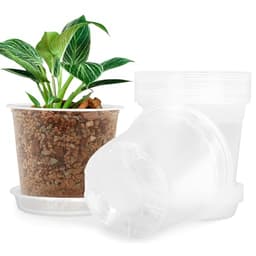
A plastic nursery pot with real drainage, slipped inside the decorative one. Peace lilies left in sealed cachepots sit in trapped runoff, which is how a healthy plant rots from the roots up.
$8-$16 · Best for Replacing a no-drainage pot before it costs you the plant
Check price on Amazon →Treatment information on PlantFix is educational. When using any pesticide — including organic options like neem oil or insecticidal soap — read and follow the entire product label; the label is the law. For persistent or high-stakes problems, your local university extension service offers free, region-specific advice. Read about how we source and verify treatment guidance in our Editorial Standards.
FAQ
Can a dying peace lily be saved?▼
Usually, yes — most "dying" peace lilies are suffering a watering problem, not a terminal one. Unpot it and squeeze the roots: firm, pale roots mean it's savable, while mushy brown roots mean root rot that needs surgery. Trim away all the rotten tissue, repot in fresh well-draining mix, and fix the watering. Even a badly rotted peace lily usually has one firm division you can pot up and regrow, so it's rarely a total loss.
Why is my peace lily wilting even though I water it?▼
That's the classic sign of root rot from overwatering. When roots rot in constantly wet soil, they can no longer take up water, so the plant wilts even though the soil is soaked — University of Maryland Extension notes plants wilt even when adequate moisture is present in the media. Watering more makes it worse. Instead, stop watering, unpot the plant, cut away the mushy brown roots, and repot in fresh, well-draining mix.
How do I revive a peace lily with root rot?▼
Unpot the plant and rinse the roots. Cut away every soft, brown, foul-smelling root back to firm, pale tissue with clean scissors, and remove the worst of the rotted lower leaves. Repot into fresh well-draining mix in a pot no bigger than one size up, water it in once, then let the top inch dry before watering again. Keep it warm and out of direct sun, and don't fertilize until it's visibly recovering.
Should I cut off the dying leaves on my peace lily?▼
Yes — leaves that are fully yellow, brown, or blackened won't recover, and removing them lets the plant focus its energy on healthy growth and improves airflow around a struggling plant. Cut them at the base with clean scissors. But remember that trimming leaves is cosmetic; if the cause is overwatering or root rot, you also have to fix the roots and the watering, or more leaves will keep dying.
Related
- Peace Lily Yellow Leaves: 6 Causes and How to Fix Each →
- Why Is My Peace Lily Drooping? 7 Causes and Quick Fixes →
- Peace Lily Brown Tips: The Water-Quality Cause Everyone Misses →
- Yellow Leaves on Plants: Every Cause & How to Fix It →
- How to Fix an Overwatered Plant (Root Rot Rescue) →
- Houseplant Pests: Visual ID Guide to Every Bug on Your Indoor Plants →
Plants Commonly Affected
Not sure what's wrong?
Use the diagnosis tool →Get seasonal plant care reminders and pest alerts.