Peace Lily Yellow Leaves: 6 Causes and How to Fix Each
Peace lily leaves turning yellow or brown at the tips? Overwatering, old age, and tap-water fluoride each need a different fix. Here's how to tell them apart.
9 min read · Updated 2026-08-19
By PlantFix Editorial Team · Sources: University Extension Programs, USDA, EPA
Why Your Peace Lily Leaves Are Turning Yellow (Quick Answer)
Peace lily leaves turn yellow most commonly from overwatering or from simple old age. If just the lowest, oldest leaves are yellowing while the plant otherwise looks healthy, that's normal — peace lilies shed old leaves as they grow. If several leaves yellow at once, check the soil: soggy, wet mix means overwatering, the number-one killer of peace lilies.
Brown, crispy tips are a different problem with a different fix — usually low humidity or fluoride and chlorine in tap water, not watering. This guide separates the two, because treating a fluoride problem like an overwatering problem just makes it worse. For a photo-based read on your specific plant, try our plant diagnosis tool, and see the yellow leaves guide for how these causes look across other houseplants.
First: Is It Normal? (Check This Before Anything)
Before you change a thing, look at which leaves are yellow. One or two of the oldest, lowest leaves turning uniformly yellow is the plant retiring old foliage and moving those nutrients into new growth. It's healthy, and it happens to every peace lily.
Cut those leaves off at the base and carry on. You only need to act when three or more leaves yellow at once, when the yellowing hits newer leaves near the center, or when it comes with soggy soil or a sour smell. Those point to a real cause — keep reading.
Cause #1: Overwatering (The Most Common Killer)
Peace lilies get overwatered more than almost any houseplant, precisely because they're dramatic wilters — people see a droop, assume thirst, and add water when the roots are already drowning. Waterlogged soil starves the roots of oxygen, and the plant responds by yellowing multiple leaves, usually starting low and middle.
The tell is the soil, not the leaves. If several leaves are yellow and the mix is wet or heavy days after watering, you're overwatering. Fungus gnats hovering around the pot are a second giveaway — their larvae need constantly wet soil, so a gnat problem is really a watering problem (our fungus gnats guide covers the fix).
The correction: only water when the top inch of soil is dry, or when the plant just begins to droop — more on that trick below. Make sure the pot has drainage holes and never let it sit in a saucer of water. If the yellowing comes with a rotten smell and mushy stem bases, the overwatering has tipped into root rot; unpot, trim the brown mushy roots, and repot into fresh mix following our root rot rescue guide.
Cause #2: Too Much Light
Peace lilies are genuine low-light plants — they bloom in north-facing windows and scorch in direct sun. Too much light bleaches the leaves to a pale, washed-out yellow, worst on the side facing the window, sometimes with brown burned patches.
Move the plant out of direct sun into bright, indirect light. A few feet back from a south or west window, or behind a sheer curtain, is plenty. If the whole plant is pale and yellowish in a very bright spot, light is likely the culprit; if it's dark green but not blooming, it actually needs a touch more light — a peace lily balances these on a knife edge.
Cause #3: Nutrient Deficiency
A peace lily that hasn't been repotted or fed in a couple of years can yellow uniformly across its older leaves while the veins stay greener — a classic sign the plant has exhausted the nutrients in its mix. This is common in plants that have been in the same pot since you bought them.
The fix is either a fresh potting mix or a light feeding. Repot into fresh mix in spring, or apply a balanced liquid fertilizer at half strength once a month during spring and summer. Don't over-fertilize — peace lilies are light feeders, and excess fertilizer salts cause their own brown-tip burn (see the next section).
Cause #4: Tap Water — Fluoride and Chlorine (Brown Tips)
This is the peace lily's signature problem, and it's the one most generic guides get wrong. Peace lilies are among the houseplants notably sensitive to fluoride and chlorine in tap water. As the University of Missouri's IPM program explains, fluoride in tap water is a common cause of leaf-tip and margin necrosis in houseplants: the plant takes it up through the roots and translocates it to the leaf tips and edges, where it reaches a lethal concentration and kills the tissue (Leaf Tipburn on Houseplants).
On a peace lily this shows as crisp brown points ringed by a sharp yellow border, on otherwise healthy leaves, when light, humidity, and watering all look fine — that mismatch is the diagnostic clue that points at the water rather than your care.
The fix is the water, not the plant. Switch to filtered, distilled, or collected rainwater. A basic carbon filter removes chlorine but is weak on fluoride; distilled and rainwater remove both. Letting tap water sit out overnight off-gasses chlorine but does nothing for fluoride, so it's only a partial fix. Every few months, flush the pot with plenty of water to leach out accumulated salts. Missouri's agronomists add two refinements: avoid superphosphate fertilizers, which are high in fluorine, and don't let the mix get too acidic, since fluoride becomes less available to the roots as pH rises.
If brown, crispy tips — not whole-leaf yellowing — are your main problem, we cover the water choices, the leaching flush, and how to trim the tips cleanly in our dedicated peace lily brown tips guide.
Cause #5: Root Rot (Overwatering's Endgame)
Chronic overwatering doesn't just yellow leaves — left long enough it rots the roots outright. The signs are yellow leaves plus a musty or sour smell, soil that stays soggy, and, when you unpot it, roots that are brown and mushy instead of firm and white.
At this stage, watering less isn't enough. Slide the plant out of the pot, rinse the roots, and cut away everything brown, soft, or slimy with scissors sterilized in rubbing alcohol. Repot into fresh, well-draining mix in a clean pot sized to the surviving roots, water sparingly, and hold off on fertilizer for about a month. Our full root rot walkthrough covers how to judge whether the plant is worth saving.
The Peace Lily Watering Trick That Prevents Yellowing
Peace lilies come with a built-in moisture gauge that most owners fight instead of using. When the plant needs water, it droops — visibly, dramatically, leaves sagging over the pot rim. Water it thoroughly at that point and it perks back up within a few hours.
The trick is to wait for the very first hint of droop, then water deeply until it drains, and empty the saucer. That rhythm makes overwatering almost impossible: you physically can't water a plant that isn't asking. It's the single most useful habit for keeping a peace lily's leaves green, and it beats any fixed schedule. One caveat — don't let it collapse fully and repeatedly, since severe wilting stresses the plant; you want the early lean, not the faceplant.
Recommended Products
We earn a commission if you buy through these links, at no extra cost to you. We recommend based on what works, not what pays. How this works.
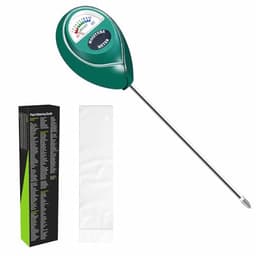
A probe that reads moisture at the root zone so you can water peace lilies by evidence instead of guesswork. Especially useful for pairing with the droop-then-water method until you learn the plant's rhythm.
$10-$18 · Best for Preventing the overwatering that yellows peace lily leaves
Check price on Amazon →
A simple filter pitcher removes the chlorine behind peace lily tip burn; distilled or rainwater also removes fluoride, which carbon filters miss. The cheapest fix for the brown-tip problem that plagues this plant.
$25-$40 · Best for Fluoride- and chlorine-sensitive plants with brown tips
Check price on Amazon →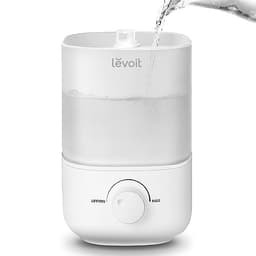
Peace lilies want 50%+ humidity and brown out in dry indoor air. A pebble tray under the pot or a small humidifier nearby keeps the tips from crisping, especially in winter with the heat running.
$12-$35 · Best for Raising humidity to stop brown, crispy leaf tips
Check price on Amazon →Treatment information on PlantFix is educational. When using any pesticide — including organic options like neem oil or insecticidal soap — read and follow the entire product label; the label is the law. For persistent or high-stakes problems, your local university extension service offers free, region-specific advice. Read about how we source and verify treatment guidance in our Editorial Standards.
FAQ
Why is my peace lily turning yellow?▼
The most common causes are overwatering and old age. If several leaves yellow at once and the soil is wet, it's overwatering — let it dry between waterings and check for root rot. If only the oldest, lowest leaves yellow while the plant looks healthy, it's normal aging and you can simply trim them off.
Should I cut yellow leaves off a peace lily?▼
Yes. A yellow peace lily leaf won't turn green again, so cut it off at the base with clean scissors. This redirects the plant's energy to healthy growth and improves its look. Just be sure to address the underlying cause — usually watering — so more leaves don't yellow behind it.
How often should I water a peace lily?▼
Water when the top inch of soil feels dry, or when the plant just begins to droop — peace lilies tell you when they're thirsty by wilting and recover within hours of a thorough watering. This droop-then-water method prevents the overwatering that yellows their leaves. In practice that's often once a week, but let the plant, not the calendar, decide.
Why does my peace lily have brown tips?▼
Brown, crispy tips are usually caused by low humidity or by fluoride and chlorine in tap water, to which peace lilies are especially sensitive. The minerals accumulate at the leaf tips and kill the tissue. Switch to filtered, distilled, or rainwater, raise humidity with a pebble tray, and flush the soil every few months to leach out salts.
Can yellow peace lily leaves turn green again?▼
No. Once a leaf has yellowed, its chlorophyll is gone and it won't recover. New leaves will grow in green once you fix the cause, but the yellow leaf itself should be removed. Don't wait for it to recover — focus on correcting watering, light, or water quality instead.
Related
- Yellow Leaves on Plants: Every Cause & How to Fix It →
- Why Is My Peace Lily Dying? (Save-vs-Toss Triage) →
- Why Is My Peace Lily Drooping? 7 Causes and Quick Fixes →
- How to Fix an Overwatered Plant (Root Rot Rescue) →
- Fungus Gnats: How to Identify & Eliminate Them for Good →
- Pothos Yellow Leaves: 8 Causes and the Fix for Each →
- Houseplant Pests: Visual ID Guide to Every Bug on Your Indoor Plants →
Plants Commonly Affected
Not sure what's wrong?
Use the diagnosis tool →Get seasonal plant care reminders and pest alerts.