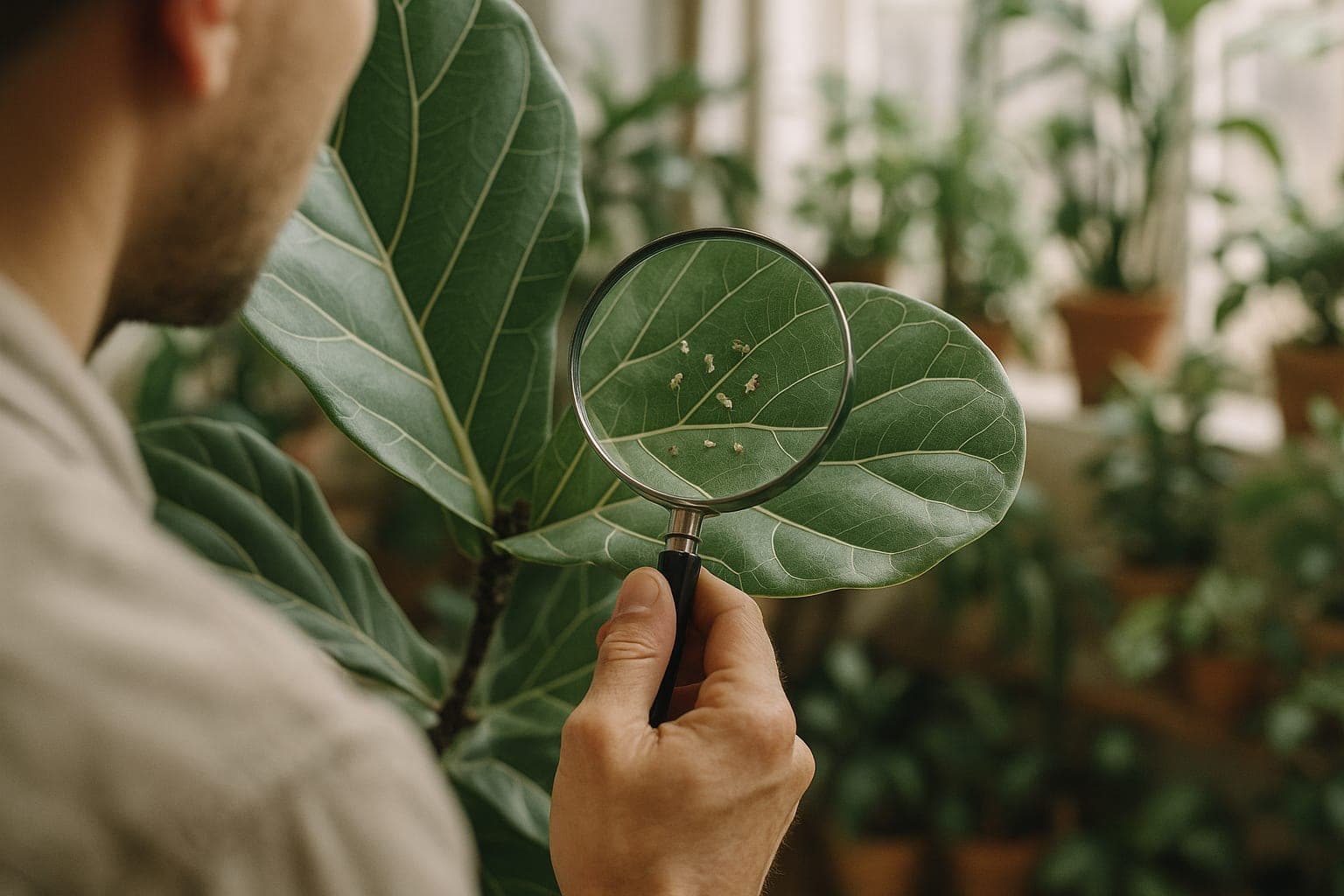
Houseplant Pests: Visual ID Guide to Every Bug on Your Indoor Plants
Found bugs on your houseplant? Match them to one of 8 common pests in under 30 seconds using our visual ID chart, then follow the treatment link for your specific pest.
14 min read · Updated 2026-06-12
By PlantFix Editorial Team · Sources: University Extension Programs, USDA, EPA
The 8 Bugs You'll Find on Houseplants (Quick ID)
The most common houseplant pests are fungus gnats (tiny black flies hovering around soil), spider mites (barely visible dots with fine webbing on leaf undersides), mealybugs (white cottony clusters at stem joints), aphids (small green or black insects clustered on new growth), scale insects (brown bumps that don't move on stems), thrips (slender insects that leave silver streaks on leaves), whiteflies (tiny white moths that scatter when you brush foliage), and springtails (jumping specks on the soil surface).
The fastest way to identify your pest: look at WHERE on the plant you see the problem. Bugs around the soil? Probably fungus gnats or springtails. White cottony blobs at leaf joints? Mealybugs. Fine webbing underneath leaves? Spider mites. Tiny flies that scatter into a cloud? Whiteflies. Sticky residue on leaves with no visible pest? Check for aphids or scale on the undersides — they excrete honeydew that coats everything below them.
If none of these match, work through our diagnosis tool. It catches the unusual ones — root aphids, cyclamen mites, shore flies — that don't appear on most ID charts.
Visual ID Chart: Match Your Pest by What You See
I've organized this chart by the first thing you'll notice — because nobody googles "hemipteran sap-feeder." You google "white stuff on my plant."
You see: tiny black flies around the soil
Pest: Fungus gnats (family Sciaridae)
Size: 1/8 inch, dark body, long legs, Y-veined wings
Location: hovering near soil surface, flying toward windows
Damage: larvae eat roots in soggy soil; adults are just annoying
Confirm it: flies appear when you water or disturb the soil. Place a yellow sticky trap at soil level — you'll catch dozens overnight.
Not sure if they're gnats or fruit flies? Here's the 10-second eye test.
You see: fine webbing on leaf undersides
Pest: Spider mites (family Tetranychidae)
Size: smaller than a period on this page — you need a magnifying glass
Location: leaf undersides, especially along the midrib
Damage: stippled, yellowed leaves with a dusty appearance; severe cases get visible webbing
Confirm it: hold a white sheet of paper under a leaf and tap firmly. Tiny moving dots = spider mites. Red dots are two-spotted mites; tan dots are broad mites.
You see: white cottony clusters at stem joints
Pest: Mealybugs (family Pseudococcidae)
Size: 2-4mm, oval, covered in white waxy filaments
Location: leaf axils (where leaf meets stem), under leaves, in root crowns
Damage: suck sap, excrete honeydew, weaken plant. Heavy infestations coat the plant in cottony residue.
Confirm it: dab one with a cotton swab dipped in rubbing alcohol. If the white stuff dissolves and a pink/brown bug body is underneath, it's a mealybug.
You see: tiny green or black insects clustered on new growth
Pest: Aphids (superfamily Aphidoidea)
Size: 1-3mm, pear-shaped body, two tube-like cornicles on the rear
Location: tender new shoots, flower buds, leaf undersides
Damage: curled new growth, sticky honeydew, black sooty mold on lower leaves
Confirm it: aphids cluster visibly on growing tips. They don't run or fly when disturbed (some have wings, most don't). A strong blast of water knocks them off easily. Our full guide to aphids on plants covers the fastest treatments and why ants signal a hidden colony.
You see: brown bumps on stems that don't move
Pest: Scale insects (superfamily Coccoidea)
Size: 2-5mm, dome-shaped, brown or tan
Location: stems, leaf veins, sometimes leaf undersides
Damage: sap feeding causes yellowing and leaf drop; heavy honeydew production
Confirm it: scrape a bump with your fingernail. If a soft body is underneath, it's scale. If it's part of the plant, it's a lenticel (normal stem feature). Armored scale has a hard protective cover; soft scale is more vulnerable to treatment — and the difference decides which product works.
You see: tiny white flies that scatter when you touch the plant
Pest: Whiteflies (family Aleyrodidae)
Size: 1-2mm, white triangular wings
Location: leaf undersides; they fly up in a cloud when disturbed
Damage: yellowing leaves, sticky honeydew, weakened plant
Confirm it: shake the plant gently. If a cloud of tiny white flies erupts, that's whiteflies. Check leaf undersides for flat, oval, pale-green nymphs — those are the immature stage doing most of the damage.
You see: silver streaks or scarring on leaves
Pest: Thrips (order Thysanoptera)
Size: 1-2mm, slender cigar-shaped body, fringed wings
Location: inside flowers, on leaf surfaces (especially new growth)
Damage: silver or bronze streaks from cells being scraped empty, distorted flowers, black fecal dots
Confirm it: hold a white piece of paper under a flower and tap. Thrips are the thread-thin insects that land on it. They're fast movers for their size — and the hardest common houseplant pest to fully eliminate because most of them hide in the soil.
You see: tiny jumping specks on the soil surface
Pest: Springtails (class Collembola)
Size: 1-2mm, white/gray/tan
Location: soil surface, especially in moist conditions
Damage: nearly zero. Springtails eat decaying organic matter, not plant roots. They're beneficial decomposers.
Confirm it: water the plant and watch the soil surface. If tiny specks jump when disturbed, those are springtails. Unlike fungus gnats, they jump instead of fly.
Important: springtails don't need treatment. If their numbers bother you, just let the soil dry out more between waterings.
Pests on the Soil Surface: Not All of Them Need Treatment
Here's something most guides won't tell you: several common soil-dwelling "pests" are actually beneficial and don't need any treatment at all.
Springtails eat decaying organic matter and fungi in the soil. They don't eat roots, and they help break down dead material into plant-available nutrients. If your springtail population explodes to the point where you see hundreds on the soil surface, it usually means you're overwatering. Let the soil dry out more and their numbers will self-regulate. Treatment is unnecessary.
Soil mites are the same story. Most soil mites are oribatid mites — slow-moving, round, brown or tan — and they're decomposers. A healthy pot of soil has thousands of them. Predatory soil mites (Hypoaspis/Stratiolaelaps) are even better: they eat fungus gnat larvae and thrips pupae in the soil. If you see soil mites, leave them alone unless you're dealing with root-feeding mites specifically (which are white, faster-moving, and found on the roots themselves — not the soil surface).
Fungus gnats are the exception. Unlike springtails and soil mites, fungus gnat larvae actually feed on fine root hairs, especially in seedlings and young plants. The adults are annoying but harmless — it's the larvae that cause damage. The treatment strategy is straightforward: let soil dry between waterings, apply hydrogen peroxide soil drenches or Mosquito Bits (BTI) to kill larvae, and use yellow sticky traps to catch adults.
If you're finding tiny bugs on the soil surface and can't tell what they are, the jumping test works: springtails jump, gnats fly, soil mites crawl slowly. Use the diagnosis tool for a definitive answer.
How Houseplant Pests Get Into Your Home
Understanding how pests arrive helps you prevent future infestations. In my experience, five entry points account for almost every case.
New plants from nurseries and stores. This is the #1 source. Greenhouses maintain warm, humid environments perfect for pest reproduction. That beautiful fiddle-leaf fig from the garden center may look clean, but spider mites, mealybugs, and scale insects are masters of hiding along stems, in leaf axils, and under pot rims. Always quarantine new plants for 2-3 weeks before placing them near your existing collection.
Contaminated potting soil. Bagged potting mix can harbor fungus gnat eggs and larvae, especially if the bag was stored in warm, damp conditions with holes or tears. The eggs are microscopic — you won't see them. According to the University of Minnesota Extension, even sterile potting mixes can become contaminated during storage or transport. If you've battled gnats repeatedly, try sterilizing small batches of soil in the microwave (90 seconds, damp, covered) before potting.
Open windows and doors. Aphids, whiteflies, and thrips are carried on air currents. A single winged aphid blowing in through a screen can establish a colony on your plants within days — aphids reproduce asexually and a single female produces 60-100 offspring per generation. That's thousands within a month.
Moving plants outdoors and back in. Summering your houseplants outside exposes them to garden pests. When you bring them back in for fall, hitchhikers come along. Spider mites, aphids, whiteflies, and scale insects all transfer this way. Give every returning plant a thorough shower with the hose and inspect before bringing inside.
Produce and grocery items. Fruit flies and fungus gnats are sometimes confused, but they arrive differently. Fruit flies ride in on bananas and other produce. The distinction matters because their treatments are completely different.
Treatment Methods: What Works on Which Pests
Every treatment guide on the internet says "use neem oil." That's lazy advice. Different pests respond to different treatments, and using the wrong one wastes time while your plant gets worse. Here's what actually works — and what doesn't — for each major pest category.
Neem oil — broad spectrum, works on most soft-bodied pests
Best for: spider mites, aphids, whiteflies, mealybugs (light infestations), thrips
Doesn't work on: scale (the waxy armor blocks it), fungus gnat larvae (they're in the soil, not on leaves), springtails (they don't need treatment anyway)
How it works: azadirachtin disrupts feeding and reproduction. It's a repellent, not a contact killer — pests have to ingest it. Apply as a foliar spray every 7 days for 3 weeks.
The catch: neem can burn sensitive leaves (ferns, calathea) in direct light. Spray in the evening.
Insecticidal soap — contact killer for soft-bodied pests
Best for: aphids, mealybugs, whiteflies, spider mites (direct spray contact required)
Doesn't work on: scale (hard armor), pests you can't see and spray directly
How it works: fatty acids dissolve the insect's outer coating, causing dehydration. Must make direct contact with the pest body — it has zero residual effect once dry.
Pro: safe for most plants, breaks down immediately, no toxicity to humans or pets
Con: you have to physically spray every bug you can find, and repeat every 5-7 days
Hydrogen peroxide soil drench — for soil-dwelling larvae
Best for: fungus gnat larvae
Doesn't work on: any pest on the foliage
Recipe: 1 part 3% H2O2 to 4 parts water. Use as your regular watering.
The fizzing kills larvae on contact without harming roots. Repeat every watering for 2-3 weeks to catch newly hatching eggs.
Mosquito Bits / BTI — biological larvicide for fungus gnats
Best for: fungus gnat larvae (the most effective single treatment)
How it works: Bacillus thuringiensis subspecies israelensis produces a protein toxic specifically to gnat and mosquito larvae. Soak a tablespoon of Mosquito Bits in a gallon of water for 30 minutes, then use to water plants.
No toxicity to plants, pets, or humans. Per the EPA, BTI is one of the safest biological control agents available.
Diatomaceous earth — physical barrier for crawling pests
Best for: fungus gnats (soil surface barrier), crawling pests on pots
Doesn't work on: flying pests, pests on leaf surfaces (gets washed off with watering)
How it works: microscopic sharp edges cut through insect exoskeletons, causing dehydration
The catch: only works when dry. Sprinkle on dry soil surface and bottom-water instead of top-watering.
Rubbing alcohol — spot treatment for armored pests
Best for: mealybugs, scale insects
How it works: dissolves the waxy coating protecting these pests. Dab directly onto the pest with a cotton swab dipped in 70% isopropyl alcohol. For mealybugs, the cotton swab method is often more effective than spraying because you reach every hidden bug in stem joints and leaf axils.
Yellow sticky traps — monitoring and population reduction
Best for: fungus gnats, whiteflies, winged aphids
Limitation: catches adults only, not larvae or eggs. Use alongside a larvicide for complete control.
Place traps at soil level for gnats, at canopy height for whiteflies.
7 Habits That Keep Pests Off Your Plants Permanently
Treatment is reactive. Prevention is the real game. These seven practices eliminate most pest introductions before they start.
1. Quarantine every new plant for 2-3 weeks. Park it in a separate room away from your other plants. Inspect it twice during quarantine — once at purchase and once after 2 weeks. Many pest eggs take 7-14 days to hatch, so a clean-looking plant at the store may be carrying invisible eggs.
2. Inspect plants weekly. Flip a few leaves over every time you water. Check stem joints, the undersides of lower leaves, and the soil surface. Early detection — when you spot 2-3 bugs instead of 200 — makes treatment trivially easy. A cotton swab with alcohol handles 3 mealybugs. Three hundred mealybugs requires a multi-week campaign.
3. Water correctly. Overwatering creates the soggy soil that fungus gnats and root pests depend on. Let the top inch of soil dry between waterings for most tropical houseplants. Use pots with drainage holes. Dump saucers 30 minutes after watering. This single habit prevents the #1 most common houseplant pest (fungus gnats) entirely.
4. Provide good air circulation. Stagnant, humid air around densely packed plants is paradise for spider mites and fungal infections. Space your plants so air can move between them. A gentle fan in a plant-heavy room helps.
5. Keep leaves clean. Dust buildup on leaves harbors pest eggs and blocks the stomata plants use to breathe. Wipe large leaves with a damp cloth monthly. For smaller-leaved plants, a gentle shower rinse works.
6. Use clean, quality potting mix. If you've had recurring gnat problems, switch to a well-draining mix with extra perlite and avoid mixes that stay waterlogged. Sterilize reused pots with a 10% bleach solution before repotting.
7. Don't stress your plants. This sounds vague, but it's real. Plants under stress — from overwatering, underwatering, low light, cold drafts, or recent repotting — emit volatile chemical signals that actually attract pests. According to the University of Maryland Extension, stressed plants are measurably more susceptible to pest infestations. A healthy, well-cared-for plant is its own best defense.
When Home ID Fails: Using Our Diagnosis Tool
The chart above covers 95% of cases. But some situations stump even experienced plant parents.
Use the diagnosis tool when:
- You see damage (yellowing, spots, wilting) but can't find any bugs — the pest might be too small to see (broad mites, cyclamen mites) or the problem might not be a pest at all (overwatering, light issues, or nutrient deficiency)
- You found something that doesn't match any description above — root aphids, fungal infections, and bacterial issues all have pest-like symptoms
- You want a second opinion before spending money on treatment products
- The infestation involves your soil and you can't tell if it's beneficial soil mites, gnat larvae, or root mealybugs
The tool works best with the plant in front of you. It asks where the damage sits, what the bugs look like and how they move, and how the soil has been behaving — so you can check each one as you go rather than answering from memory. Look at the leaf undersides before you start; that is where most pests hide.
For problems that could be pests OR environmental (yellowing leaves is the classic ambiguous symptom), pay close attention to the watering questions. Overwatering mimics nutrient deficiency mimics root pest damage — those questions are what separate them.
Frequently Asked Questions
Quick answers to the houseplant pest questions I get asked most.
Recommended Products
We earn a commission if you buy through these links, at no extra cost to you. We recommend based on what works, not what pays. How this works.
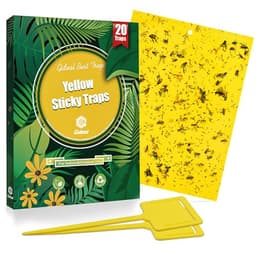
The best monitoring tool and first line of defense for flying pests. Place at soil level for fungus gnats, at plant height for whiteflies. Also catches winged aphids and shore flies. Replace every 1-2 weeks. Buy the dual-sided ones — single-sided traps catch half as many.
$6-$12 for 20-pack · Best for Monitoring fungus gnats, whiteflies, and winged aphids
Check price on Amazon →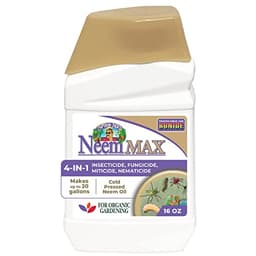
The broadest-spectrum natural treatment available. Mix per label directions with water and a drop of dish soap (emulsifier), spray all leaf surfaces every 7 days. Works against spider mites, aphids, mealybugs, whiteflies, and thrips. Buy cold-pressed — clarified/hydrophobic neem has the azadirachtin removed and is less effective.
$10-$18 · Best for Broad-spectrum treatment for most soft-bodied pests
Check price on Amazon →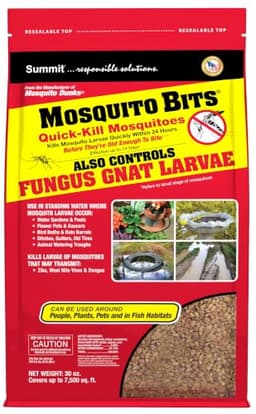
The most effective treatment for fungus gnat larvae. Soak a tablespoon in a gallon of water for 30 minutes, strain, use the water for your plants. BTI kills only gnat and mosquito larvae — no harm to roots, pets, or beneficial insects. One container lasts months.
$8-$14 · Best for Eliminating fungus gnat larvae in houseplant soil
Check price on Amazon →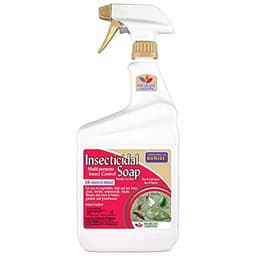
Contact killer for aphids, mealybugs, whiteflies, and spider mites. Must directly hit the pest — no residual effect after drying. Safe for most houseplants. The ready-to-use versions are more convenient than concentrates for indoor use. Spray thoroughly, including leaf undersides.
$8-$15 · Best for Direct contact treatment for visible soft-bodied pests
Check price on Amazon →Treatment information on PlantFix is educational. When using any pesticide — including organic options like neem oil or insecticidal soap — read and follow the entire product label; the label is the law. For persistent or high-stakes problems, your local university extension service offers free, region-specific advice. Read about how we source and verify treatment guidance in our Editorial Standards.
FAQ
What are the most common houseplant pests?▼
Fungus gnats are the most common by a wide margin — any overwatered houseplant can develop them. After gnats: spider mites (especially in dry heated air during winter), mealybugs, and aphids. Scale and thrips are less common but harder to treat once established.
How do I know if my houseplant has pests?▼
Check for: tiny flies near soil (fungus gnats), webbing on leaf undersides (spider mites), white cottony clumps on stems (mealybugs), sticky residue on leaves (aphids, scale, or whiteflies producing honeydew), silver streaks on leaves (thrips), or unexplained yellowing and leaf drop despite good care. Flip leaves over weekly — most pests live on undersides where you don't look.
Can houseplant pests spread to other plants?▼
Yes, and they will. Aphids, spider mites, and mealybugs readily transfer between plants that touch or are close together. Fungus gnats fly between pots. Thrips are carried on air currents. Isolate any infested plant immediately — move it to another room, not just the other end of the shelf. Treat the neighbors too, even if you don't see bugs on them yet.
Are houseplant pests harmful to humans or pets?▼
The pests themselves are not harmful — they don't bite, sting, or transmit diseases to humans or pets. Fungus gnats are annoying but medically harmless. The concern is with treatment products: neem oil, insecticidal soap, and rubbing alcohol are low-toxicity but keep pets from chewing freshly treated leaves. Systemic granular insecticides (imidacloprid) are genuinely toxic to pets if ingested — keep treated pots out of reach.
What is the best natural pesticide for houseplants?▼
It depends on the pest. For fungus gnats: Mosquito Bits (BTI) in the watering water is the most effective single treatment — it's biological, non-toxic, and targets gnat larvae specifically. For spider mites, aphids, and soft-bodied pests: neem oil spray every 7 days for 3 weeks. For mealybugs: 70% rubbing alcohol on a cotton swab. There's no universal natural pesticide that works on everything — each pest has a best treatment.
How do I prevent houseplant pests?▼
Three habits prevent 90% of infestations: quarantine new plants for 2-3 weeks before placing near others, let soil dry between waterings (eliminates fungus gnats), and inspect leaf undersides weekly (catches everything else early). Healthy, unstressed plants resist pests better — proper light, water, and drainage matter more than any preventive spray.
Related
- Fungus Gnats: How to Identify & Eliminate Them for Good →
- Spider Mites: Identification, Treatment & Prevention Guide →
- Mealy Bugs on Plants: How to Identify & Kill Them Fast →
- Aphids on Plants: How to Kill Them Fast (and Stop the Ants) →
- Whiteflies: The Shake Test, Damage Chain & 3-Week Treatment Protocol →
- How to Get Rid of Thrips on Houseplants (4-Week Plan) →
- Scale Insects on Houseplants: How to Identify and Get Rid of Them →
- Springtails: The Tiny Jumping Bugs in Your Soil (They're Not the Problem — Your Watering Is) →
- Soil Mites in Houseplants: The 4-Type ID Guide (Most Are Helping Your Plant, Not Hurting It) →
- Neem Oil for Plants: Complete Guide to Using It Effectively →
- Insecticidal Soap: What It Actually Kills (Including Spider Mites), DIY Recipe & Why Dawn Is Wrong →
- Hydrogen Peroxide for Fungus Gnats: The Exact Ratio & Why It Fails for Some People →
- Yellow Sticky Traps for Gnats: Placement & Best Picks →
- Diatomaceous Earth for Plants: Which Pests It Kills (And Which It Doesn't) →
- Mosquito Bits for Fungus Gnats: Dosage + 24-Hour Kill →
- Gnats vs Fruit Flies: How to Tell the Difference in 10 Seconds →
- Yellow Leaves on Plants: Every Cause & How to Fix It →
- Clover Mites: The Harmless Red Bugs That Stain When Crushed →
- Kill Mealybugs With Rubbing Alcohol (on Contact, No Burn) →
Not sure what's wrong?
Use the diagnosis tool →Get seasonal plant care reminders and pest alerts.