Kill Mealybugs With Rubbing Alcohol (on Contact, No Burn)
70% isopropyl alcohol kills mealybugs on contact by dissolving their waxy shell. Get the exact dilution and 4-week protocol that clears an infestation.
10 min read · Updated 2026-09-10
By PlantFix Editorial Team · Sources: University Extension Programs, USDA, EPA
Does Rubbing Alcohol Actually Kill Mealybugs? (Quick Answer)
Yes — 70% isopropyl alcohol kills mealybugs on contact by dissolving the white waxy coating that protects their bodies. Dab it on with a cotton swab for a few bugs, or dilute it into a spray for heavier infestations. The bugs turn brown and die within seconds of contact.
Here's the critical detail most Reddit threads and Facebook posts get wrong: you need to treat four times over four weeks, not once. Alcohol doesn't penetrate mealybug eggs — those cottony white sacs each contain 100-600 eggs that hatch every 7-10 days at room temperature. According to the University of Vermont Entomology Lab, the full mealybug lifecycle runs 6-8 weeks from egg to egg-laying adult. One treatment kills the bugs you see. Four treatments spaced 5-7 days apart catches each wave of newly hatched crawlers before they mature.
The formula I recommend: 1 part 70% isopropyl alcohol + 1 part water + 2-3 drops dish soap in a spray bottle. That gives you roughly a 35% alcohol solution — strong enough to kill mealybugs, gentle enough for most houseplants. Not sure it's mealybugs? The diagnosis tool will confirm it in a few questions.
Which Alcohol Concentration to Use (70% vs 91% vs 99%)
Not all rubbing alcohol is the same, and this is where people damage their plants. The number on the bottle is the percentage of isopropyl alcohol — the rest is water. Higher isn't better.
70% isopropyl alcohol — the sweet spot
This is the standard drugstore bottle, and it's your best option. The 30% water content actually helps it work — water slows evaporation so the alcohol stays in contact with the mealybug's waxy coating longer. You can use 70% straight on a cotton swab for spot treatment, or dilute 1:1 with water for spray application.
91% isopropyl alcohol — dilute before spraying
Evaporates faster than 70%, so it's less effective as a contact killer. More importantly, the higher concentration strips the natural waxy coating from plant leaves — the same coating that protects leaves from water loss. If you only have 91%, mix 1 part alcohol to 2 parts water (roughly 30% final concentration). Never spray 91% undiluted on foliage.
99% isopropyl alcohol — cotton swab ONLY
Sold at electronics stores for cleaning contacts. Too concentrated for spraying — it'll burn leaves within minutes, especially in sunlight. The only safe use is dipping a cotton swab or cotton ball and dabbing individual mealybugs. Even then, avoid dripping onto the leaf surface. The rapid evaporation also makes it less effective at dissolving the waxy coating than 70%.
Denatured alcohol — DO NOT USE on plants
Denatured alcohol (methylated spirits) contains additives like methanol, acetone, or denatonium benzoate to make it undrinkable. These additives are phytotoxic — they damage plant cells even in diluted form. Stick to isopropyl alcohol only.
Hand sanitizer — also no
Hand sanitizer contains moisturizers, fragrances, and thickeners that leave residue on leaves, clog stomata, and can actually attract pests. It's also usually 60% ethanol rather than isopropyl, which is less effective against the mealybug's waxy coating.
Cotton Swab Method: Step-by-Step (For Light Infestations)
If you've spotted fewer than 20 mealybugs on a plant, the cotton swab method is faster, more precise, and safer than spraying. It's also the only method I'd recommend for sensitive plants like orchids, ferns, and succulents.
What you need: cotton swabs (Q-tips), 70% isopropyl alcohol, a small dish to pour alcohol into, paper towel
Step 1: Pour a small amount of 70% alcohol into a dish. Don't dip directly into the bottle — contaminated cotton fibers will float back in. A shot glass or bottle cap works fine.
Step 2: Saturate the cotton swab tip. You want it wet but not dripping. Shake off excess so you don't drip alcohol onto the leaf surface.
Step 3: Dab each mealybug directly. Press the swab onto the bug for 2-3 seconds. You'll see it turn from white to brown almost immediately — that's the waxy coating dissolving. Wipe the dead bug away.
Step 4: Check every hiding spot. Mealybugs love crevices. Systematically inspect: the base of every leaf where it meets the stem (leaf axils), the undersides of leaves along the midrib, inside curled or new growth, the crown where new leaves emerge, and along the stem at every node. Root mealybugs hide at the soil line where the stem enters the soil — tip the plant out of the pot to check.
Step 5: Wipe the stems. After dabbing all visible bugs, wipe each stem section with an alcohol-dampened paper towel. This catches the tiny first-instar crawlers (just-hatched babies) that are nearly invisible to the naked eye — they look like specks of dust.
Time estimate: 5-15 minutes depending on plant size. Repeat in 5-7 days.
Spray Method: Recipe and Protocol (For Heavy Infestations)
When you've got more than 20 mealybugs, cottony egg sacs in multiple locations, or the plant is too large for swab treatment, spraying is the practical option.
The spray recipe:
- 1 cup (240ml) of 70% isopropyl alcohol
- 1 cup (240ml) of water
- 2-3 drops of liquid dish soap (Dawn, Fairy, or any plain variety — avoid soap with moisturizers or fragrance)
Mix in a clean spray bottle. The final concentration is approximately 35% isopropyl alcohol. The dish soap serves two functions: it acts as a surfactant so the spray spreads across the waxy coating rather than beading up, and it helps smother any bugs the alcohol misses.
Application protocol:
1. Test first. Spray one leaf and wait 24 hours. If no yellowing, browning, or wilting occurs, the plant can handle it. This step isn't optional — I've seen 35% alcohol damage thin-leaved tropicals that should theoretically tolerate it.
2. Spray in the evening. Never spray when the plant is in direct sunlight or will be within the next few hours. Alcohol + UV = leaf burn. Evening application gives the solution time to work and evaporate before the next day's light.
3. Cover all surfaces. Spray the tops and bottoms of every leaf, along every stem, into every crevice and leaf axil. Mealybugs hide in protected spots — a casual spray that only hits the tops of leaves will miss most of them.
4. Spray the soil surface. Root mealybugs live at the soil line and in the top 1/2 inch of soil. A light spray on the soil surface kills any crawlers moving between the roots and foliage.
5. Rinse after 20-30 minutes. Once the alcohol has done its work, take the plant to a sink or shower and rinse thoroughly with room-temperature water. This removes dead bugs, dissolved wax residue, and any alcohol that might cause slow damage with prolonged contact.
6. Repeat every 5-7 days for 4 treatments. This is non-negotiable. Mark it on your calendar. Each treatment catches the next wave of crawlers hatching from eggs you can't see.
Which Plants Can Handle Alcohol Spray? (Safety Chart)
The key factor is leaf thickness and surface coating — plants with thick, waxy leaves handle alcohol better than those with thin, delicate, or fuzzy leaves.
Safe for diluted spray (35% solution):
Pothos, philodendron (heartleaf, Brasil, and other thick-leaved varieties), ZZ plant, snake plant, rubber tree (Ficus elastica), fiddle leaf fig, jade plant, Hoya, Monstera deliciosa, Dracaena, Chinese evergreen, Dieffenbachia, Schefflera, most Peperomia varieties
Cotton swab only (don't spray):
Orchids (Phalaenopsis, Paphiopedilum — extremely sensitive per multiple extension sources), succulents and cacti (alcohol strips the protective farina/powder coating), calathea and Maranta (prayer plants — thin leaves burn easily), ferns (maidenhair, Boston, bird's nest — the most sensitive group), African violets (fuzzy leaves trap alcohol against the surface), Begonia (thin leaves, susceptible to burns)
Avoid alcohol entirely:
Delicate thin-leaved ferns (especially maidenhair fern — nearly impossible to treat without damage), air plants (Tillandsia — the trichomes that absorb water are permanently damaged by alcohol), some thin-leaved Alocasia varieties
When in doubt: test one leaf. Apply the spray to a single leaf in a spot you won't mind losing. Wait 48 hours. If the leaf is fine, proceed with full treatment. If you see any browning, puckering, or color change, stick to the cotton swab method on that plant.
Temperature matters too. Plants are more susceptible to alcohol damage when they're heat-stressed (above 85°F / 29°C) or cold-stressed (below 60°F / 15°C). Treat in normal room temperature conditions — 65-80°F is ideal.
The 4-Treatment Protocol: Day-by-Day Timeline
This is the part that makes the difference between "I tried alcohol and it didn't work" and actually clearing the infestation. Most people treat once, see dead mealybugs, and assume they're done. Then the eggs hatch 7-10 days later and the whole thing starts over.
Day 1 — Initial treatment
Swab or spray all visible mealybugs. Remove cottony egg sacs with a damp cloth where possible. Isolate the treated plant away from other plants to prevent crawlers from spreading.
Day 3 — Inspection
Check the plant thoroughly. Spot-treat any survivors you find. Look especially in leaf axils and at the base of new growth — these are the spots most often missed during the first pass.
Day 7 — Second full treatment
The first wave of eggs has now started hatching. Repeat the full spray or swab treatment. You'll likely see tiny translucent crawlers (first-instar nymphs) — they're much smaller than the adults you treated on Day 1. These crawlers are actually easier to kill with alcohol because they haven't developed their full waxy coating yet.
Day 14 — Third treatment
The second wave of egg hatching. Treat again. At this point, you should be seeing significantly fewer bugs than Day 1. If you're still finding large adult mealybugs with waxy coatings, you're likely dealing with a larger population than you initially thought — check the roots.
Day 21 — Fourth treatment
Final treatment pass. This catches any stragglers from the last hatching cycle.
Day 28 — Monitoring phase
Inspect thoroughly but don't treat unless you find bugs. If the plant is clean, continue weekly inspections for 3-4 more weeks to confirm the infestation is gone.
Why 4 treatments? Mealybug eggs hatch in 7-10 days at typical indoor temperatures (68-77°F / 20-25°C), and the full lifecycle from egg to egg-laying adult takes 6-8 weeks according to the UVM Entomology Lab. Four treatments spaced 7 days apart covers the hatching window with overlap. Skip one treatment and you give a generation time to mature, lay eggs, and restart the cycle.
A note on quarantine: keep the treated plant isolated from your collection the entire 28 days. Mealybug crawlers are tiny enough to travel between plants touching each other, and they can even be blown by a breeze from a nearby fan or open window.
When Alcohol Isn't Enough: Escalation Steps
Rubbing alcohol is an excellent first-line treatment for most houseplant mealybug infestations. But there are situations where you need to add or switch to other methods.
Root mealybugs (Rhizoecus species)
If you're finding white cottony clusters on the roots or in the soil when you unpot a plant, you have root mealybugs. These are a different genus from the common citrus mealybug — they complete their entire lifecycle underground. Surface spraying with alcohol won't reach them. Treatment: remove the plant from its pot, wash all soil off the roots under running water, soak the bare roots in a diluted alcohol solution (1 part 70% alcohol to 3 parts water) for 5 minutes, then repot in completely fresh soil in a clean pot. Some growers add a systemic insecticide granule to the new soil as insurance.
Severe infestations (50+ mealybugs or multiple egg sacs)
Alcohol alone takes too long when the population is large. Combine treatments: spray with the alcohol solution, then follow up 2-3 days later with neem oil spray or insecticidal soap. Neem oil disrupts the mealybug's hormonal cycle and deters egg-laying. Insecticidal soap suffocates soft-bodied insects. Using all three in rotation gives you three different kill mechanisms — physical (alcohol dissolving wax), hormonal (neem), and suffocation (soap).
Recurring infestations after 4 treatments
If mealybugs keep coming back after a full 4-week protocol, the population likely extends beyond what you can see. Consider systemic insecticide granules — these are mixed into the soil and absorbed by the plant's root system, making the entire plant toxic to sap-feeding insects for weeks. Imidacloprid is the most common active ingredient. Note: systemic insecticides are not appropriate for edible plants.
When to throw the plant away
I hate saying this, but sometimes it's the right call. If a plant is severely stunted, most leaves are damaged, and mealybugs are in the roots, on the stems, and in every leaf axil — the treatment cost (time, products) may exceed the value of the plant. More importantly, keeping a heavily infested plant risks spreading mealybugs to your entire collection. Read the full mealybug identification and management guide for a complete treatment decision tree.
Safety: Pets, Kids, and Ventilation
Isopropyl alcohol is toxic if ingested and the fumes can cause headaches in poorly ventilated spaces. A few practical precautions.
Ventilation: Spray in a well-ventilated area. If you're treating multiple plants, open a window or work in a bathroom with the exhaust fan running. The alcohol evaporates within 15-20 minutes, but the concentrated fumes during spraying can be unpleasant. Avoid spraying near open flames or pilot lights — isopropyl alcohol is flammable.
Pets: Keep cats and dogs away from treated plants until the alcohol has fully evaporated (at least 30 minutes, or until you can no longer smell it). Isopropyl alcohol is toxic to cats and dogs if ingested. The residual risk after evaporation is minimal — once dry, the treated plant surface is safe. The rinse step in the spray protocol (washing the plant 20-30 minutes after spraying) eliminates essentially all residual alcohol.
Kids: Store the spray bottle out of reach and label it clearly. The 35% solution looks like water.
Your hands: Alcohol dries out skin with repeated exposure. Wear thin nitrile gloves if you're treating more than 2-3 plants in a session, or apply hand cream afterward.
Frequently Asked Questions
Answers to the questions that come up repeatedly in plant forums — with actual sources rather than conflicting anecdotes.
Recommended Products
We earn a commission if you buy through these links, at no extra cost to you. We recommend based on what works, not what pays. How this works.
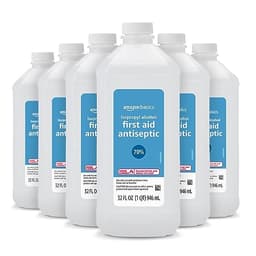
Standard drugstore rubbing alcohol — the only product you absolutely need. Buy the 70% concentration, not 91% or 99%. Use straight on cotton swabs for spot treatment or dilute 1:1 with water for spray application. One 32oz bottle treats a dozen plants through all 4 treatment cycles.
$2-$5 · Best for Primary mealybug treatment — both cotton swab and spray methods
Check price on Amazon →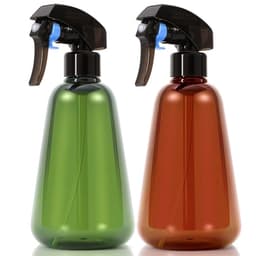
A spray bottle with an adjustable nozzle that produces a fine mist gives the best coverage. Avoid bottles that only produce a stream — you need mist to reach all leaf surfaces and crevices. Glass bottles are preferable since alcohol can degrade some plastics over time, but standard HDPE plastic spray bottles (the most common kind) are fine for short-term use.
$3-$8 · Best for Even spray application for heavy mealybug infestations
Check price on Amazon →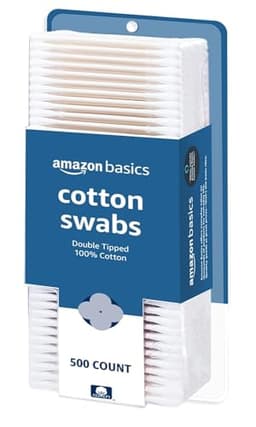
Standard cotton swabs for precision treatment of individual mealybugs. You'll go through more than you expect — use a fresh swab every 10-15 bugs to avoid spreading contaminated wax. The pointed-tip variety gives better access to tight leaf axils.
$3-$5 · Best for Spot treatment of light infestations and sensitive plants like orchids
Check price on Amazon →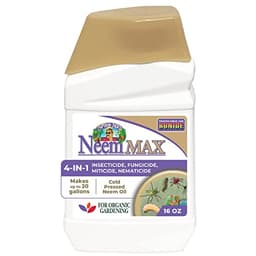
If alcohol alone isn't clearing the infestation after 2 treatments, add neem oil as a secondary treatment between alcohol applications. Neem disrupts mealybug hormones and deters egg-laying — a different kill mechanism that complements alcohol's wax-dissolving action. Mix per label directions. See the full neem oil guide for application details.
$10-$15 · Best for Severe or recurring mealybug infestations that alcohol alone can't clear
Check price on Amazon →Treatment information on PlantFix is educational. When using any pesticide — including organic options like neem oil or insecticidal soap — read and follow the entire product label; the label is the law. For persistent or high-stakes problems, your local university extension service offers free, region-specific advice. Read about how we source and verify treatment guidance in our Editorial Standards.
FAQ
Does rubbing alcohol kill mealybug eggs?▼
No. Mealybug eggs are encased in a protective cottony wax sac (called an ovisac) that prevents alcohol from reaching the eggs inside. Each ovisac can contain 100-600 eggs. This is exactly why you need 4 treatments spaced 5-7 days apart — each treatment catches the freshly hatched crawlers that emerge from eggs you can't kill. You can physically remove egg sacs with tweezers or a damp cloth, which reduces the next generation's population.
Can I use hand sanitizer instead of rubbing alcohol?▼
No. Hand sanitizer contains moisturizers (glycerin, aloe), fragrances, and thickeners that leave residue on leaves, clog stomata (the pores plants breathe through), and can attract other pests. Hand sanitizer also uses ethanol rather than isopropyl alcohol, which is less effective at dissolving the mealybug's waxy coating. Use only 70% isopropyl alcohol from a drugstore or pharmacy.
Will rubbing alcohol kill beneficial insects too?▼
Yes — alcohol kills any soft-bodied insect it contacts, including beneficial predators like ladybugs and lacewing larvae. This is why spot treatment with a cotton swab is preferable to spraying when possible. With the swab method, you're targeting only the mealybugs. If you do spray, there's a silver lining: most beneficial insect populations on indoor houseplants are minimal to begin with.
How do I prevent mealybugs from coming back?▼
Quarantine new plants for 2-3 weeks before adding them to your collection — inspect under every leaf and at every node before giving them the all-clear. Inspect your plants weekly during routine watering. Mealybugs are much easier to handle when you catch 2-3 versus 200. Avoid over-fertilizing with nitrogen, which produces the soft succulent growth mealybugs prefer. Keep plants healthy — stressed plants are more susceptible to infestations.
What percentage of rubbing alcohol kills mealybugs?▼
70% isopropyl alcohol is the most effective concentration for mealybug control. The 30% water content slows evaporation, giving the alcohol more contact time with the waxy coating. For spraying, dilute to 35% (1:1 with water). Higher concentrations (91%, 99%) are more likely to damage plants and actually evaporate too quickly to dissolve the waxy coating effectively. Never go below 25% — the alcohol needs sufficient concentration to break down the wax.
Related
- Mealy Bugs on Plants: How to Identify & Kill Them Fast →
- Neem Oil for Plants: Complete Guide to Using It Effectively →
- Insecticidal Soap: What It Actually Kills (Including Spider Mites), DIY Recipe & Why Dawn Is Wrong →
- Spider Mites: Identification, Treatment & Prevention Guide →
- Houseplant Pests: Visual ID Guide to Every Bug on Your Indoor Plants →
- Fungus Gnats: How to Identify & Eliminate Them for Good →
- Aphids on Plants: How to Kill Them Fast (and Stop the Ants) →
- Scale Insects on Houseplants: How to Identify and Get Rid of Them →
Not sure what's wrong?
Use the diagnosis tool →Get seasonal plant care reminders and pest alerts.