Soil Mites in Houseplants: The 4-Type ID Guide (Most Are Helping Your Plant, Not Hurting It)
Those tiny dots crawling in your potting soil are almost certainly beneficial decomposers. Here's how to identify the 4 types of soil mites, the one rare type that actually harms roots, and why killing them usually makes your soil worse.
10 min read · Updated 2026-05-27
By PlantFix Editorial Team · Sources: University Extension Programs, USDA, EPA
Are Soil Mites Bad for Your Plants? (Almost Never)
Those tiny white, brown, or tan dots crawling through your houseplant soil are soil mites — and roughly 95% of the time, they're beneficial. They eat decaying organic matter, fungi, and bacteria in your potting mix, recycling nutrients back to your plant's roots. They don't bite, don't infest your house, and can't harm humans or pets.
The only exception is root mites (bulb mites), which are rare in indoor potting soil and actually feed on living root tissue. But here's the diagnostic shortcut that saves you from unnecessary panic: if your plant looks healthy and the mites are crawling on the soil surface, leave them alone. If your plant is declining AND you see mites, investigate further — but the mites probably aren't the cause. The overwatering that attracted the mites likely is.
Not sure if you're seeing soil mites, springtails, or fungus gnat larvae? Soil mites crawl slowly and don't jump or fly. Springtails jump when disturbed. Fungus gnat larvae are translucent worms with black heads. Use the diagnosis tool if you need a closer look.
4 Types of Soil Mites in Houseplant Soil (Visual ID Guide)
No competitor provides a clear breakdown of what you're actually seeing in your pot. Here are the four types houseplant owners encounter, ordered from most common to least:
1. Oribatid mites (turtle mites) — the most common, 100% beneficial
Appearance: Round or oval, brown to dark brown, slow-moving, 0.2-1mm. Some species have a distinctive turtle-shell-like body (hence the nickname). Under magnification, they look armored.
Behavior: Very slow crawlers. You'll see them moving across the soil surface, especially after watering when moisture brings them up.
Diet: Dead roots, decomposing bark, leaf litter, fungi, algae. They're primary decomposers — the earthworms of the microscopic world.
Verdict: Completely harmless. They're a sign of biologically active soil with healthy organic matter cycling. Oribatid mites are the most abundant mite in soils worldwide — a single square meter of healthy forest soil can contain 100,000+ of them.
2. Hypoaspis mites (Stratiolaelaps scimitus) — beneficial PREDATORS
Appearance: Tan, white, or light brown, faster-moving than oribatids, 0.5-1mm. More elongated body shape.
Behavior: Noticeably faster than other soil mites. They hunt — you'll see them darting across the soil surface.
Diet: Fungus gnat larvae, thrips pupae, springtail eggs, and other small soil organisms. They're predatory mites.
Verdict: These are actively protecting your plant. Hypoaspis mites are literally sold as biological pest control for fungus gnats. A population of these in your soil means you have a free, self-sustaining gnat defense system. Commercial growers pay $25-40 per container of these mites. If you have them naturally, consider yourself lucky.
3. Predatory soil mites (Mesostigmata) — beneficial
Appearance: Can be red, orange, or brown. Fast-moving. 0.5-1mm.
Behavior: Quick, active hunters that patrol the soil surface and upper soil layers.
Diet: Other mites, small insects, nematodes, insect eggs. General predators.
Verdict: Beneficial. They're part of the soil food web that keeps pest populations in check. If you see reddish soil mites, don't confuse them with spider mites — spider mites live on leaves and spin webbing, not in soil.
4. Root mites / bulb mites (Rhizoglyphus) — the one harmful type
Appearance: White to cream, glossy/shiny appearance, slow-moving, 0.5-1mm. Rounder than other soil mites, with a pearl-like sheen.
Behavior: Found IN the soil, often around roots and bulbs rather than on the surface.
Diet: Living root tissue, bulb tissue, and tubers. This is the one type that actually damages plants.
Verdict: Harmful, but rare in standard indoor potting mix. Root mites are most commonly a problem in bulb storage (tulips, hyacinths, garlic) and occasionally in orchid media. If your plant is declining, roots look damaged, AND you see glossy white mites in the root zone, root mites are a possibility.
The quick decision tree: slow + brown + surface = oribatid (harmless). Fast + tan = hypoaspis (beneficial predator). Fast + red = predatory mite (beneficial). Glossy white + around roots + plant declining = possible root mite (investigate).
Soil Mites vs. Springtails vs. Fungus Gnats: The 3-Second ID
These three organisms share the same real estate — moist houseplant soil — and plant owners constantly confuse them. The distinction matters because the treatment is different for each:
Soil mites: Crawl slowly across the soil surface. Don't jump. Don't fly. Look like tiny moving dots (white, brown, or tan). Most visible after watering.
Springtails: JUMP when you disturb the soil. That's the instant giveaway — poke the soil with your finger, and if tiny bugs launch themselves into the air, those are springtails, not mites. Springtails are white to gray, 1-2mm, and also mostly harmless.
Fungus gnats: The adults FLY — tiny dark flies hovering near soil and drifting toward windows. The larvae are translucent worms with shiny black heads, found in the top inch of soil. Gnats are the one of these three that can actually harm plants in large numbers (larvae eat roots).
The 3-second test: disturb the soil surface with your finger or a pencil.
- Nothing jumps or flies, you see tiny crawling dots = soil mites
- Tiny bugs launch into the air = springtails
- Small dark flies take off = fungus gnats
When Soil Mites ARE a Problem (Root Mites Only)
In roughly 5% of cases, the soil mites you're seeing could be root mites (bulb mites, Rhizoglyphus spp.). These are the exception to the "leave them alone" rule. Root mites feed on living root tissue and can cause real damage, especially to orchids, bulb plants, and plants already weakened by overwatering.
Signs that you might have root mites instead of beneficial mites:
- Your plant is visibly declining: yellowing, wilting despite adequate water, stunted growth
- When you unpot the plant, roots appear damaged — brown, mushy, or chewed
- You see glossy, pearl-white mites clustered around the root ball, not just on the soil surface
- The affected plant is an orchid, bulb plant (amaryllis, hyacinth), or has fleshy roots
If you suspect root mites:
- Unpot the plant and shake off as much soil as possible
- Rinse the roots under lukewarm running water to dislodge mites
- Trim any brown or damaged roots with sterilized scissors
- Soak the root ball in a 1:4 hydrogen peroxide solution (3% H2O2 to water) for 5 minutes — same ratio used in our hydrogen peroxide for fungus gnats guide
- Repot in fresh, sterile potting mix with extra perlite for drainage
- Reduce watering frequency — root mites thrive in consistently wet conditions
Important: root rot from overwatering causes the same symptoms as root mite damage. Check the roots carefully — if they're brown and mushy with no visible mites, the problem is overwatering, not mites. Treating for mites when the issue is root rot wastes time and delays the real fix.
Why You Have Soil Mites (And Why It's Actually Good News)
Soil mites appear in houseplant soil for specific reasons, and understanding those reasons explains why removing them is usually counterproductive:
Rich organic potting mix. Mites feed on decomposing organic matter — peat moss, bark, compost, coco coir. The richer your potting mix, the more food for decomposer mites. This isn't a problem; it means your soil biology is active.
Consistent moisture. Like springtails, soil mites need moisture. Plants that are watered frequently or have dense, moisture-retentive soil will have larger mite populations. If you're seeing lots of mites, you might be watering a bit too often.
New potting soil. Fresh potting mix from a garden center may already contain mite eggs or live mites — this is normal and not a defect. Commercial potting soil is organic material, and organic material has soil organisms in it.
The good news: soil mites indicate a biologically active growing medium. Sterile, dead soil — the kind you'd get by microwaving or baking your potting mix — lacks the decomposers that recycle nutrients. Plants in sterile soil depend entirely on you for fertilization. Plants in biologically active soil (with mites, fungi, bacteria) have an additional nutrient source from the decomposition cycle.
University of Minnesota Extension classifies soil mites as nuisance organisms only. UC Integrated Pest Management states they rarely require treatment. Gardening Know How describes oribatid mites as "little recyclers" that improve soil quality.
How to Reduce Soil Mite Populations (If They Bother You)
I want to be upfront: removing beneficial soil mites makes your soil biologically poorer. You're removing organisms that decompose dead matter and, in the case of hypoaspis mites, actively hunt fungus gnat larvae. But if the sight of crawling things in your pots bothers you, here's how to reduce populations without nuking your soil:
1. Let the soil dry out more between waterings. This is the simplest and least disruptive method. Soil mites need moisture — letting the top 1-2 inches dry between waterings reduces surface populations significantly. Most houseplants actually prefer this watering pattern anyway.
2. Improve drainage. Add perlite (20-30% by volume) to your potting mix. Better drainage means less persistent moisture in the root zone, which reduces mite habitat without changing your watering schedule.
3. Apply a thin layer of diatomaceous earth. Food-grade DE sprinkled on the soil surface creates an abrasive barrier that damages mite exoskeletons on contact. Only effective when dry — don't top-water after applying. Reapply after each watering.
4. Hydrogen peroxide soil drench. Mix 1 part 3% hydrogen peroxide with 4 parts water and use it as a watering solution. The fizzing action kills mites and eggs on contact. But it also kills beneficial soil organisms, so use sparingly.
5. Full repot with fresh mix. The nuclear option. Unpot the plant, remove as much old soil as possible, and repot in fresh, sterile potting mix. This removes the entire mite population but also removes all beneficial soil biology. Add extra perlite to the new mix to discourage rapid recolonization.
What NOT to do:
- Don't use neem oil as a soil drench for mites — it's designed for plant-feeding insects, not soil decomposers
- Don't use insecticidal soap in the soil — same reason
- Don't throw away the plant. Soil mites are among the most benign organisms you'll encounter in a pot
- Don't panic. Seriously — these are less harmful than the dust mites in your pillow, and nobody throws away their pillow over those
Recommended Products
We earn a commission if you buy through these links, at no extra cost to you. We recommend based on what works, not what pays. How this works.
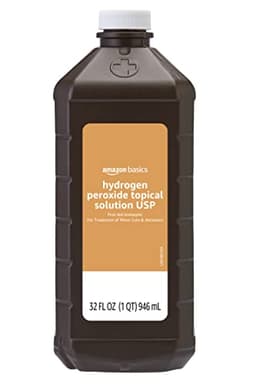
Mix 1 part with 4 parts water for a soil drench that kills soil mites and their eggs on contact. Also kills fungus gnat larvae. Breaks down into water and oxygen within hours — no chemical residue.
$1-$3 · Best for Quick knockdown of soil mite populations when the sight of them bothers you
Check price on Amazon →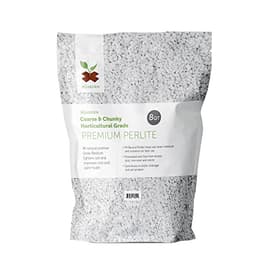
Volcanic glass expanded into lightweight white granules. Mix 20-30% perlite into potting soil to improve drainage and reduce persistent moisture that attracts mites. The long-term, low-effort prevention method.
$5-$10 · Best for Improving soil drainage to reduce mite habitat without chemical treatment
Check price on Amazon →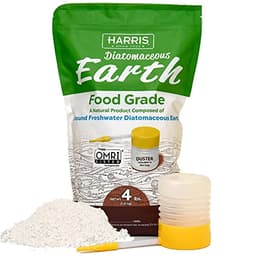
Microscopic fossilized diatoms that damage mite exoskeletons on contact, causing dehydration. Dust a thin layer on the soil surface. Only effective when dry — reapply after watering.
$8-$15 · Best for Non-chemical soil surface barrier that reduces mite populations on contact
Check price on Amazon →Treatment information on PlantFix is educational. When using any pesticide — including organic options like neem oil or insecticidal soap — read and follow the entire product label; the label is the law. For persistent or high-stakes problems, your local university extension service offers free, region-specific advice. Read about how we source and verify treatment guidance in our Editorial Standards.
FAQ
Can soil mites infest your house?▼
No. Soil mites are specialized soil organisms that require moist organic matter to survive. They can't infest carpets, furniture, beds, or any part of your home outside the potting soil. If a mite crawls off the soil surface, it dehydrates and dies within hours. They're confined to the pot and the saucer beneath it.
Do soil mites bite humans?▼
No. Soil mites have mouthparts designed for chewing decaying organic matter and fungal hyphae. They have no ability to bite, sting, or pierce human skin. If you're experiencing bites, you have a different pest — possibly fleas, bed bugs, or bird mites. Soil mites are completely harmless to people and pets.
Are soil mites the same as spider mites?▼
No. Despite both being mites (arachnids), they're different organisms with different habitats and diets. Soil mites live in potting soil and eat decaying matter. Spider mites live on the undersides of leaves, feed on plant sap, and produce visible webbing. If you see tiny dots on your plant's leaves with fine webbing, those are spider mites — see our spider mites treatment guide for help.
Why do I suddenly have soil mites?▼
You've likely always had them — you're just noticing them now. Soil mites come embedded in commercial potting soil (this is normal) and reproduce when conditions are favorable: warm temperatures, consistent moisture, and available organic matter. Watering more frequently, moving plants to warmer locations, or repotting with fresh organic soil can all cause visible population increases. They're a sign of biologically active soil, not a sign of a problem.
Do soil mites mean my soil is bad?▼
The opposite. Soil mites — particularly oribatid mites — indicate healthy, biologically active soil with a functioning decomposition cycle. A pot with active mites, fungi, and bacteria is cycling nutrients more effectively than sterile soil. The only exception is root mites, which are rare and cause visible plant decline alongside root damage. If your plant looks fine, your soil mites are a feature, not a bug.
Related
- Springtails: The Tiny Jumping Bugs in Your Soil (They're Not the Problem — Your Watering Is) →
- Fungus Gnats: How to Identify & Eliminate Them for Good →
- Hydrogen Peroxide for Fungus Gnats: The Exact Ratio & Why It Fails for Some People →
- Spider Mites: Identification, Treatment & Prevention Guide →
- Tiny White Bugs on Plants: Identify & Kill All 5 Types →
- Tiny Red Bugs: Clover Mites, Spider Mites & How to ID Them →
- Plant Bugs: Identify Any Bug on Your Plant in 30 Seconds →
- Tiny Red Spiders: Clover Mites vs Spider Mites vs Red Velvet Mites (ID Guide) →
- Houseplant Pests: Visual ID Guide to Every Bug on Your Indoor Plants →
Not sure what's wrong?
Use the diagnosis tool →Get seasonal plant care reminders and pest alerts.