Recommended Gear
Every product below comes from our treatment guides — the things that university extension programs actually recommend, grouped by the problem you're trying to solve. No sponsored placements; half of what our guides suggest is free anyway.
As an Amazon Associate we earn from qualifying purchases. Links go to the specific product our guides recommend (or a search for the generic item when no single product stands out), and the commission never changes your price. How this works.
The Fungus Gnat Kit
Little flies hovering over your houseplant soil
Gnats breed in damp potting mix, so the fix is traps for the adults plus a larvicide for the soil. This combination clears most infestations in two to three weeks.
Adds all 4 items below to your cart in one click. Remove any you already own before you check out.
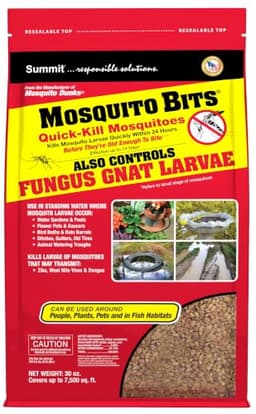
BTI granules that kill fungus gnat larvae in the soil. Soak in water for 30 minutes and use the water to drench pots, or sprinkle and water in. The single most effective long-term treatment.
$8-$15 · Best for Killing larvae without chemicals; safe around pets and kids
Check price on Amazon →From our guides: Fungus Gnats, How to Get Rid of Gnats in Plants Fast, Mosquito Bits for Fungus Gnats
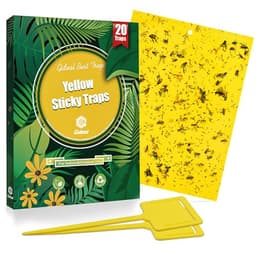
Bright yellow cards that catch flying adults before they lay the next generation. Place horizontally at soil level for gnats. Also your early-warning system for whiteflies and thrips.
$6-$12 · Best for Knocking down adults and monitoring what you have
Check price on Amazon →From our guides: Yellow Sticky Traps for Gnats, How to Get Rid of Gnats in Plants Fast, Fungus Gnats
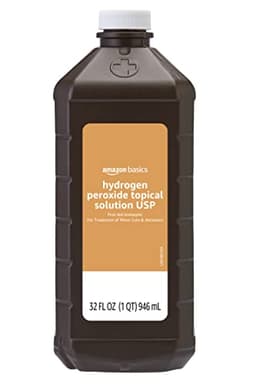
Mixed 1:4 with water as a soil drench, it kills larvae on contact and fizzes harmlessly into water and oxygen. The cheapest treatment that actually works.
$1-$3 · Best for An immediate first strike from the drugstore
Check price on Amazon →From our guides: Hydrogen Peroxide for Fungus Gnats, How to Get Rid of Gnats in Plants Fast
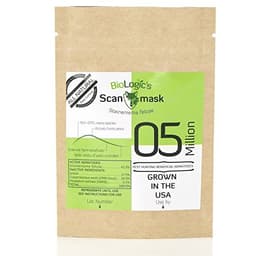
Microscopic soil predators that hunt gnat larvae. Applied with a watering can; one application treats every pot in the house. Choose Sf specifically for fungus gnats.
$15-$30 · Best for Big collections or infestations that keep coming back
Check price on Amazon →From our guides: Beneficial Nematodes, Fungus Gnats
The Houseplant Pest Kit
Spider mites, mealybugs, aphids, scale, or whiteflies indoors
Contact killers handle what you can see; a systemic handles what you can't. Start with soap and alcohol, escalate to neem, and reserve systemics for stubborn cases.
Adds all 4 items below to your cart in one click. Remove any you already own before you check out.
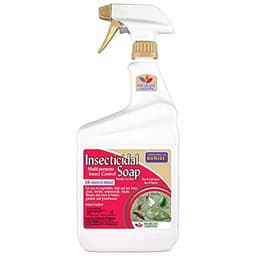
Potassium salts of fatty acids that dissolve soft-bodied pests on contact — mites, aphids, mealybugs, whiteflies. No toxic residue, safe indoors. Only works where the spray lands, so coverage matters.
$8-$14 · Best for First-line treatment for any active infestation
Check price on Amazon →From our guides: Insecticidal Soap, Spider Mites, Mealy Bugs on Plants, Aphids on Plants, Whiteflies
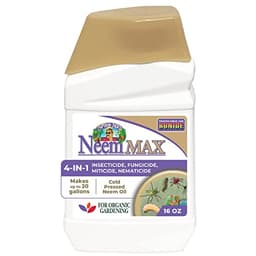
The full-spectrum oil with azadirachtin intact — choose cold-pressed over clarified. Mix with water and a drop of soap; it smothers pests and disrupts their feeding and reproduction.
$10-$18 · Best for Follow-up sprays that break the breeding cycle
Check price on Amazon →From our guides: Neem Oil for Plants, Spider Mites, Mealy Bugs on Plants, Whiteflies
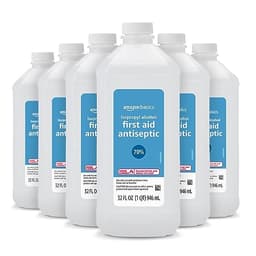
The precision weapon for mealybugs and scale: touch each insect with an alcohol-dipped swab and it dies on contact. Tedious, cheap, and unbeatable for small infestations.
$5-$10 for both · Best for Spot-treating mealybugs and scale one by one
Check price on Amazon →From our guides: Kill Mealybugs With Rubbing Alcohol (on Contact, No Burn), Mealy Bugs on Plants, Tiny White Bugs on Plants
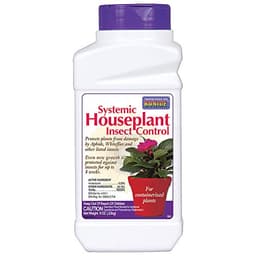
Granules worked into the soil that make the plant itself toxic to sap-feeders for up to eight weeks. For ornamentals only — never on herbs or anything you eat.
$7-$14 · Best for Persistent infestations on ornamental plants
Check price on Amazon →From our guides: Plant Bugs, Tiny White Bugs on Plants
The Vegetable Garden Defense Kit
Caterpillars, beetles, and borers eating your crops
Physical exclusion beats spraying — row covers stop the moth that becomes the caterpillar. When you do spray, Bt and spinosad target pests while sparing most beneficials.
Adds 3 of the 4 items below to your cart in one click. Remove any you already own before you check out.
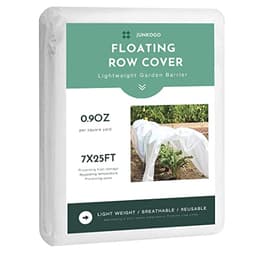
Spun fabric that lets light and water through but keeps cabbage moths, squash vine borers, and beetles off your plants entirely. Remove during flowering for pollination.
$15-$30 · Best for Preventing infestations instead of fighting them
Check price on Amazon →From our guides: Cabbage Worm vs Cabbage Looper vs Diamondback Moth, Squash Vine Borer, Cucumber Beetle, Flea Beetle
A bacterial toxin that only affects caterpillars — hornworms, cabbage worms, armyworms, bagworms. Harmless to bees, birds, pets, and you. Spray leaves; caterpillars stop feeding within hours.
$12-$20 · Best for Any caterpillar problem on any crop
From our guides: Cabbage Worm vs Cabbage Looper vs Diamondback Moth, Tomato Hornworm ID, Armyworms Destroyed My Lawn Overnight — Here's the Rescue Plan, Evergreen Bagworm, Tent Caterpillar vs. Bagworm vs. Fall Webworm
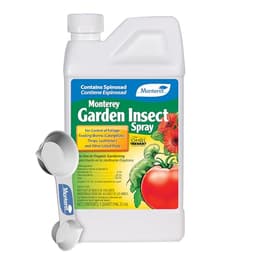
Fermentation-derived insecticide that handles what Bt can't: beetles, thrips, leaf miners, and borers. OMRI-listed. Spray in the evening once pollinators are done for the day.
$12-$20 · Best for Beetles and miners that ignore other organic sprays
Check price on Amazon →From our guides: Flea Beetle, Leaf Miners, Spotted Lanternfly
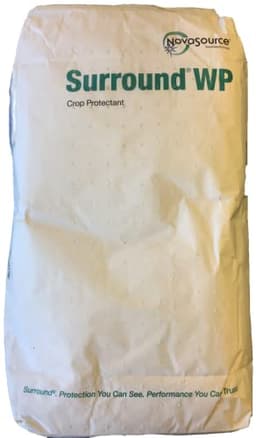
A fine clay film that makes leaves unrecognizable and irritating to pests without poisoning anything. Washes off harvest with a rinse.
$20-$35 · Best for Protecting squash and cucurbits from beetles and bugs
Check price on Amazon →From our guides: Cucumber Beetle, Squash Bugs, Leaf Footed Bug vs Assassin Bug
The Soil & Lawn Kit
Grubs under the turf, beetles overwintering in the soil
Most lawn damage traces back to root-feeding grubs. Biologicals knock them down without wiping out earthworms; granular insecticides are the fallback for severe damage.
Adds all 4 items below to your cart in one click. Remove any you already own before you check out.
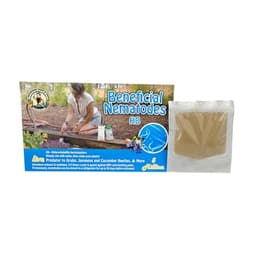
The grub-hunting species — they burrow down and infect white grubs, Japanese beetle larvae, and weevil larvae. Apply on a cloudy evening to moist soil, water in well.
$20-$35 · Best for Killing grubs biologically without harming the lawn ecosystem
Check price on Amazon →From our guides: Beneficial Nematodes, Lawn Grubs, Japanese Beetles
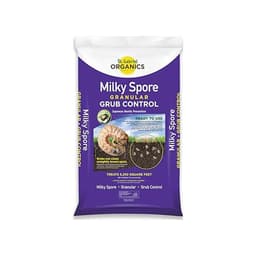
A bacterial disease specific to Japanese beetle grubs that builds up in soil and keeps working for a decade or more. Slow to establish, then essentially permanent.
$30-$50 · Best for Long-term Japanese beetle suppression
Check price on Amazon →From our guides: Japanese Beetles, Lawn Grubs
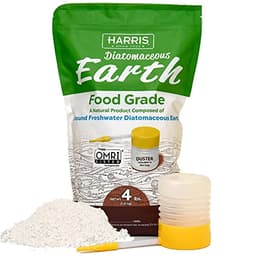
Fossilized algae powder that shreds the waxy coating of crawling insects. Works on ants, earwigs, and beetles wherever it stays dry. Wear a dust mask when applying.
$8-$15 · Best for A chemical-free barrier around beds and entry points
Check price on Amazon →From our guides: Diatomaceous Earth for Plants, Earwigs (Pincher Bugs), Clover Mites
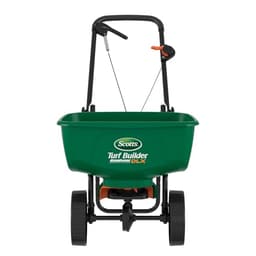
Even application is most of the battle with granular treatments — a basic drop or rotary spreader covers a lawn in minutes and meters the label rate correctly.
$25-$60 · Best for Applying any granular treatment at label rate
Check price on Amazon →From our guides: Lawn Grubs, Chinch Bugs vs. Drought
The Disease Control Kit
Spots, blights, and mildew on leaves
Fungal disease is easier to prevent than cure — copper stops spores from germinating on new growth but won't heal leaves already infected. Remove those and protect the rest.
Adds all 2 items below to your cart in one click. Remove any you already own before you check out.
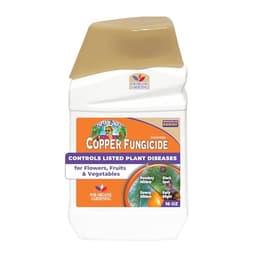
The standard protectant for blight, leaf spot, and bacterial disease on vegetables and ornamentals. Spray at first sign and repeat every 7-14 days. Follow the label — copper accumulates in soil.
$10-$18 · Best for Blight and leaf spot on tomatoes and vegetables
Check price on Amazon →From our guides: Copper Fungicide, Tomato Leaves Curling? 5 Causes Ranked by How Worried You Should Be
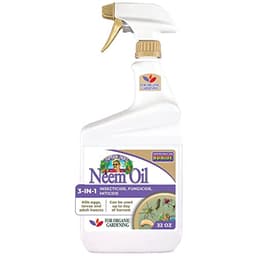
Doubles as a mild fungicide for powdery mildew and black spot while also handling insect stragglers. The convenient option when you don't want to mix concentrate.
$8-$15 · Best for Mild fungal issues and mixed pest-plus-disease problems
Check price on Amazon →From our guides: Neem Oil for Plants
Application Basics
The stuff every treatment above depends on
Concentrates are cheaper per gallon but need decent equipment. A pump sprayer, a mist bottle, and a duster cover every application method our guides call for.
Adds all 4 items below to your cart in one click. Remove any you already own before you check out.
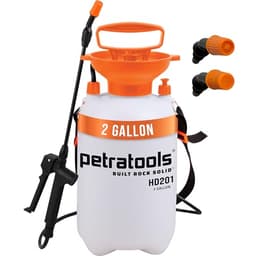
For neem, soap concentrate, Bt, and copper — anything you mix. Get one with an adjustable cone nozzle so you can coat leaf undersides, where most pests actually live.
$15-$25 · Best for Whole-garden and multi-plant treatments
Check price on Amazon →From our guides: Neem Oil for Plants, Insecticidal Soap
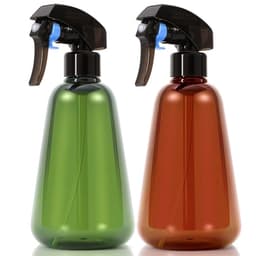
For single houseplants and spot treatments. A dedicated bottle per product avoids cross-contamination — label them.
$3-$8 · Best for Indoor plants and small batches
Check price on Amazon →From our guides: Insecticidal Soap, Kill Mealybugs With Rubbing Alcohol (on Contact, No Burn)
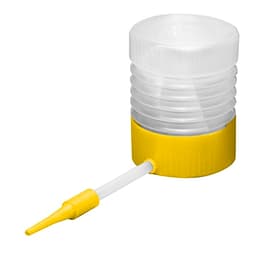
Puts diatomaceous earth exactly where you want it in a thin, even layer instead of the clumps you get from shaking the bag. Keeps the dust out of your lungs, too.
$8-$12 · Best for Applying DE and other dusts precisely
Check price on Amazon →From our guides: Diatomaceous Earth for Plants
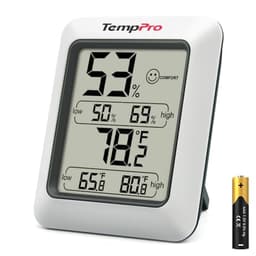
Spider mites explode in dry air; fungus thrives in stagnant humidity. Knowing your actual numbers turns prevention from guesswork into a checklist.
$8-$15 · Best for Heading off humidity-driven problems before they start
Check price on Amazon →From our guides: Spider Mites
Not sure which problem you have? Diagnose it first — treating the wrong pest wastes money and time.
Use the free diagnosis tool →Get seasonal plant care reminders and pest alerts.