Evergreen Bagworm: Identify Them and Save Your Evergreens
Bagworms kill arborvitae, juniper, and spruce in a season — evergreens never regrow stripped needles. How to ID them and stop them, month by month.
11 min read · Updated 2026-09-01
By PlantFix Editorial Team · Sources: University Extension Programs, USDA, EPA
How to Get Rid of Bagworms (Quick Answer)
Bagworms are moth caterpillars that build spindle-shaped silk bags covered in bits of foliage and hang them from tree branches. They're most destructive to evergreens — arborvitae, juniper, cedar, spruce, and pine. A heavily infested evergreen can be completely defoliated and killed in one season because conifers can't regrow lost needles.
The critical thing to know: treatment timing determines everything. Bt (Bacillus thuringiensis) spray is the most effective organic option, but it only works on small, actively feeding caterpillars in late May through mid-June. After July, the caterpillars are too large for Bt to kill them. Spray with Bt when bags are still small (under 1/2 inch), cover all foliage including branch tips, and reapply 7-10 days later to catch late hatchers.
If you're reading this after July: Bt won't work. Hand-pick all bags you can reach and drop them in a bucket of soapy water. For severe infestations on large trees, a systemic insecticide (acephate) applied by a professional is the remaining chemical option. Through fall and winter, remove every bag from your trees — each one holds 300-1,000 eggs that will hatch next spring.
Not sure if those hanging things are bagworms? Identify it with the diagnosis tool.
What Do Bagworms Look Like? (Visual ID Guide)
Bagworms are easy to identify once you know what to look for, but most people walk past infested trees for weeks without noticing because the bags blend in with the foliage.
The bags: Spindle-shaped, 1/4 inch (spring) to 2 inches (late summer), covered in bits of the host plant's foliage. On an arborvitae, the bag is covered in tiny arborvitae fronds. On a spruce, it's covered in needles. This camouflage makes them remarkably hard to spot until the infestation is severe. The bags hang from branch tips and sway in the wind — they look like small ornaments or pine cones from a distance.
The caterpillar inside: Dark brown to black head, mottled body, up to 1 inch long at maturity. You'll rarely see the caterpillar itself — it lives inside the bag, poking its head out to feed and dragging the bag along as it moves. Disturb a bag and the caterpillar retracts completely inside.
Progression through the year:
- May–June: Tiny bags, under 1/2 inch. Easy to miss. This is when treatment is most effective.
- June–July: Bags grow to 1 inch. Feeding damage becomes visible as brown patches in the canopy.
- August: Bags reach full size (1.5-2 inches). Caterpillars pupate inside. Pesticides no longer effective.
- September–October: Male moths emerge (small, black, furry, with clear wings). Females never leave the bag — they mate through the bag opening, lay eggs inside, and die.
- Winter: Bags with 300-1,000 eggs hang from branches all winter. This is your best removal window.
What bagworms are NOT: Eastern tent caterpillars make webby silk tents in tree crotches — that's a different insect entirely. Fall webworms create messy white webs at branch tips. Bagworm bags are compact, cone-shaped, individually attached, and covered in plant material — no visible webbing.
Which Trees Do Bagworms Attack (and Which Ones Die)?
Bagworms feed on over 100 tree and shrub species, but they strongly prefer evergreens. This preference is what makes them so dangerous — the trees they favor most are the ones least able to survive defoliation.
Primary targets (highest risk):
- Arborvitae: The #1 victim. Arborvitae hedges and ornamentals are bagworm magnets, and they die quickly when defoliated because they can't regenerate needles on bare branches.
- Eastern red cedar / juniper: Very commonly attacked. Junipers handle partial defoliation slightly better than arborvitae but still die under heavy pressure.
- Spruce: Blue spruce and Norway spruce are frequently hit. Spruce can sometimes push new growth from existing buds, but not if completely stripped.
- Pine: Less commonly attacked than arborvitae but still vulnerable. White pine is more susceptible than most.
Also attacked but usually survive:
- Deciduous trees: Maple, elm, sycamore, sweetgum, willow, oak, and locust are all hosts. However, deciduous trees can regrow their leaves after defoliation. A maple that loses its leaves to bagworms in July will leaf out again — weakened but alive. An arborvitae that loses its needles is dead.
The critical difference: Evergreens don't grow needles back on defoliated branches. According to University of Maryland Extension, once a conifer branch is stripped bare, it stays bare permanently. If the entire tree is defoliated, the tree is dead — no recovery, no second chances. This is why early treatment is so important and why the "wait and see" approach kills more evergreens than bagworms do.
Purdue Extension reports that heavy infestations — 50 or more bags on a single tree — routinely defoliate and kill arborvitae within 1-2 seasons. Even moderate infestations (15-30 bags) cause permanent thinning that ruins the tree's appearance and reduces its value as a privacy screen or windbreak.
The Treatment Calendar: What Works When (This Is What Everyone Gets Wrong)
The #1 reason bagworm treatments fail: people spray at the wrong time. Every summer, garden forums fill up with posts saying "I sprayed but nothing happened." In almost every case, they sprayed too late. Here's the timing-critical treatment schedule.
Late May through mid-June: THE WINDOW — Bt spray (organic, most effective)
Bacillus thuringiensis var. kurstaki (Bt) is a naturally occurring soil bacterium that kills caterpillars when they ingest it. It's organic, safe for bees and beneficial insects, and devastatingly effective — but only on small, actively feeding caterpillars. Iowa State Extension emphasizes that insecticide control of bagworms must target young caterpillars before bags grow larger than 1/2 inch.
Application tips: Spray to thoroughly cover all foliage, especially branch tips where small bags cluster. Apply a second round 7-10 days later to catch late-hatching caterpillars. Apply in the evening to avoid UV degradation. Water-in is not needed — the spray must stay on the foliage where caterpillars feed.
A natural timing hack from Iowa State University: catalpa trees and Japanese tree lilacs bloom at roughly the same time bagworm eggs hatch. When you see those trees flowering in your area, go inspect your evergreens.
June through early July: Spinosad (extended organic window)
If you missed the early Bt window, spinosad (Captain Jack's Deadbug Brew) is an organic alternative that remains effective slightly longer than Bt because it works by both ingestion and contact. Still most effective on smaller caterpillars. Apply the same way as Bt with thorough foliage coverage.
July through August: Systemic insecticide (chemical, last resort)
Once bags exceed 1 inch, Bt and spinosad are ineffective — the caterpillars are too large and feeding less actively. Acephate or bifenthrin applied as a foliar spray can still kill larger caterpillars. These are broad-spectrum chemicals that also kill beneficial insects, so they're a last resort. For tall trees, a professional applicator with high-pressure equipment is needed.
Late August onward: TOO LATE for any spray
Caterpillars stop feeding in late August and pupate inside the bags. No insecticide reaches them at this point. Your only remaining option is manual removal.
Fall and winter: Hand-pick every bag (most underrated method)
Here's the math that makes hand-picking powerful: each bag contains 300-1,000 eggs. Removing 10 bags from a single tree in December prevents 3,000-10,000 caterpillars from hatching next spring. Hand-picking is tedious but extraordinarily effective per effort. Use pruning shears to clip the silk attachment (don't just pull — the silk is strong and you'll damage the branch). Drop bags into soapy water or a sealed trash bag. Do NOT leave removed bags on the ground — eggs still hatch from fallen bags.
Preventing Bagworms From Coming Back
If you've dealt with bagworms once, they will almost certainly return unless you break the cycle. Female bagworms are wingless — they never leave the bag they were born in. Males fly, but only short distances. New infestations spread primarily through two mechanisms.
Ballooning: When tiny caterpillars hatch in late May, they spin silk threads and drift on the wind — sometimes hundreds of yards to new trees. This is how isolated trees get infested. You can't prevent ballooning, but you can reduce the source by destroying egg bags on your own property.
Nursery stock: Bagworms hitchhike on landscaping plants from nurseries and garden centers. Before planting any new evergreen, inspect it thoroughly for bags — check branch tips, interior branches, and the trunk. Clemson University's IPM guide specifically lists nursery stock inspection as a primary prevention measure.
Year-round prevention program:
- November–April: Walk your evergreens and hand-pick every bag you find. This is the single most effective prevention. Recruit the kids — make it a scavenger hunt.
- Late May: Watch for catalpa and Japanese tree lilac bloom as a hatch indicator. Inspect branch tips for tiny new bags.
- Early June: Apply Bt spray preventively if your trees had bagworms the previous year. Don't wait to see damage.
- Mid-June: Apply a second Bt spray to catch late hatchers.
- Ongoing: Encourage birds that eat bagworms — nuthatches, chickadees, and titmice are documented predators that pick caterpillars from bags. Providing nest boxes near affected trees can increase predation over time.
Should you remove Tree of Heaven nearby? Unlike spotted lanternflies which specifically seek out Tree of Heaven, bagworms don't prefer it. Focus prevention efforts on inspecting and treating the evergreens themselves.
Can You Save a Defoliated Tree? (Honest Assessment)
This depends entirely on two factors: what kind of tree it is, and how much foliage was lost.
Deciduous trees (maple, elm, oak, etc.): Almost always survive, even after complete defoliation. They'll push new leaves from dormant buds within a few weeks. The tree will be weakened and more vulnerable to other stresses that year, so water it deeply and avoid additional pruning. Multiple years of consecutive defoliation can eventually kill a deciduous tree, but one bad year is survivable.
Evergreens with partial defoliation (less than 50% needle loss): Can survive if the remaining foliage is healthy and you eliminate the bagworms. The bare branches won't regrow needles, but the tree will fill in over 2-3 years from healthy branches growing outward. Water deeply through summer and fall, and apply a balanced fertilizer in early spring to support recovery.
Evergreens with severe defoliation (50-80% needle loss): Prognosis is poor. The tree may survive but will be permanently disfigured. If it's a privacy hedge, you may want to replace individual trees rather than wait years for partial recovery. Remove all bagworm bags, treat any remaining caterpillars, water aggressively, and give it one full growing season before deciding.
Evergreens completely defoliated (80-100%): Dead or dying. An arborvitae with no green foliage remaining will not recover — period. Ohio State Extension confirms that completely defoliated conifers should be removed and replaced. Don't waste time and money trying to save a tree that's already gone.
When to hire an arborist: If you have large, mature evergreens (20+ feet) with significant infestation, a certified arborist can assess tree health, apply high-reach treatments, and make honest save-or-remove recommendations. The cost of an arborist consultation ($100-$300) is almost always less than the cost of removing and replacing a large dead tree ($500-$2,000+).
Frequently Asked Questions
The most common bagworm questions I see from homeowners — especially the timing-related ones that determine whether your tree lives or dies.
Recommended Products
We earn a commission if you buy through these links, at no extra cost to you. We recommend based on what works, not what pays. How this works.
The gold-standard organic treatment for bagworms during the critical late May through mid-June window. Mix with water and spray to thoroughly cover all evergreen foliage, focusing on branch tips. Kills caterpillars within 1-3 days of ingestion. Apply a second round 7-10 days later. Safe for bees, birds, pets, and beneficial insects — Bt only affects caterpillars.
$12-$20 · Best for Organic bagworm control during the narrow early-season treatment window
Alternative organic treatment that works both on contact and by ingestion, giving it a slightly wider application window than Bt alone. Effective through late June on medium-sized caterpillars. Apply as a thorough foliar spray in the evening (spinosad is toxic to bees when wet but safe once dried).
$10-$18 · Best for Extended treatment window when Bt timing has been missed by a week or two
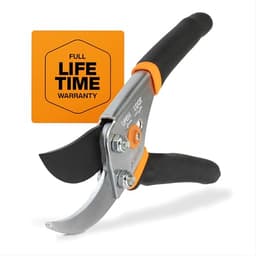
Essential for the most cost-effective bagworm control: hand-picking bags from trees in fall and winter. Bypass pruners cleanly clip the silk attachment without damaging the branch. Each bag removed prevents 300-1,000 caterpillars next spring. Work through your trees systematically and drop all bags into soapy water.
$15-$30 · Best for Winter and spring egg bag removal from accessible trees and shrubs
Check price on Amazon →Treatment information on PlantFix is educational. When using any pesticide — including organic options like neem oil or insecticidal soap — read and follow the entire product label; the label is the law. For persistent or high-stakes problems, your local university extension service offers free, region-specific advice. Read about how we source and verify treatment guidance in our Editorial Standards.
FAQ
When is it too late to spray for bagworms?▼
Bt spray stops being effective once bags exceed about 3/4 inch, which usually happens by early to mid-July depending on your region. After late July, even chemical insecticides become unreliable because the caterpillars are approaching pupation and feeding less. If bags are already 1-2 inches long, hand-picking is your best remaining option. For fall and winter, manual removal of bags prevents the next generation entirely.
Will bagworms kill my arborvitae?▼
Yes — this is the worst-case scenario and it happens every year. Arborvitae cannot regrow needles on defoliated branches, so once the needles are eaten, that branch is permanently bare. Heavy infestations (50+ bags per tree) can strip an arborvitae completely in a single season. University of Maryland Extension confirms that completely defoliated arborvitae should be considered dead — they won't recover. The key is catching bagworms early while they're small and treatable.
How many eggs are in one bagworm bag?▼
A single female bagworm lays 300 to 1,000 eggs inside her bag before dying. The eggs overwinter in the bag and hatch the following spring. This is why hand-picking bags in fall and winter is so effective: removing just 10 bags prevents 3,000-10,000 caterpillars from hatching. It's the most impactful per-effort control method available.
Can a tree recover from bagworms?▼
Deciduous trees (maple, elm, oak) almost always recover from bagworm defoliation because they can regrow leaves from dormant buds. Evergreens are different — they cannot regenerate needles on bare branches. An evergreen with less than 50% defoliation can survive and slowly fill back in over 2-3 years. Above 80% defoliation, conifers rarely survive. The bare branches are permanent.
Are bagworms harmful to humans?▼
No. Bagworm caterpillars don't bite, sting, or cause skin irritation. The adult moths don't bite either — males are small and harmless, and females never leave their bags. Bagworms are exclusively a plant pest. The only human harm is economic: dead trees, lost privacy hedges, and reduced property values from damaged landscaping.
Do bagworms come back every year?▼
Usually yes, if any bags remain on the tree. Female bagworms lay eggs inside their bags, and those eggs hatch the following spring. Additionally, newly hatched caterpillars disperse by 'ballooning' on silk threads carried by wind, so even if you cleaned your own trees, caterpillars can drift in from neighboring properties. Annual inspection and early Bt treatment in June is the most reliable prevention strategy.
Related
- Insecticidal Soap: What It Actually Kills (Including Spider Mites), DIY Recipe & Why Dawn Is Wrong →
- Neem Oil for Plants: Complete Guide to Using It Effectively →
- Beneficial Nematodes: Which Species Kills Your Specific Pest (Buying Guide by Pest Type) →
- Cabbage Worm vs Cabbage Looper vs Diamondback Moth: 3-Way ID + Organic Treatment →
- Armyworms Destroyed My Lawn Overnight — Here's the Rescue Plan →
- Tomato Hornworm ID: Kill It — Unless It Has White Cocoons →
- Japanese Beetles: Why Traps Backfire & a Week-by-Week Control Calendar →
- Spotted Lanternfly: How to ID, Kill & Report Them (2026 State Guide) →
- Diatomaceous Earth for Plants: Which Pests It Kills (And Which It Doesn't) →
- Garden Pest Identification: 25+ Bugs by the Damage They Do →
- Tent Caterpillar vs. Bagworm vs. Fall Webworm: ID Guide + Removal →
Not sure what's wrong?
Use the diagnosis tool →Get seasonal plant care reminders and pest alerts.