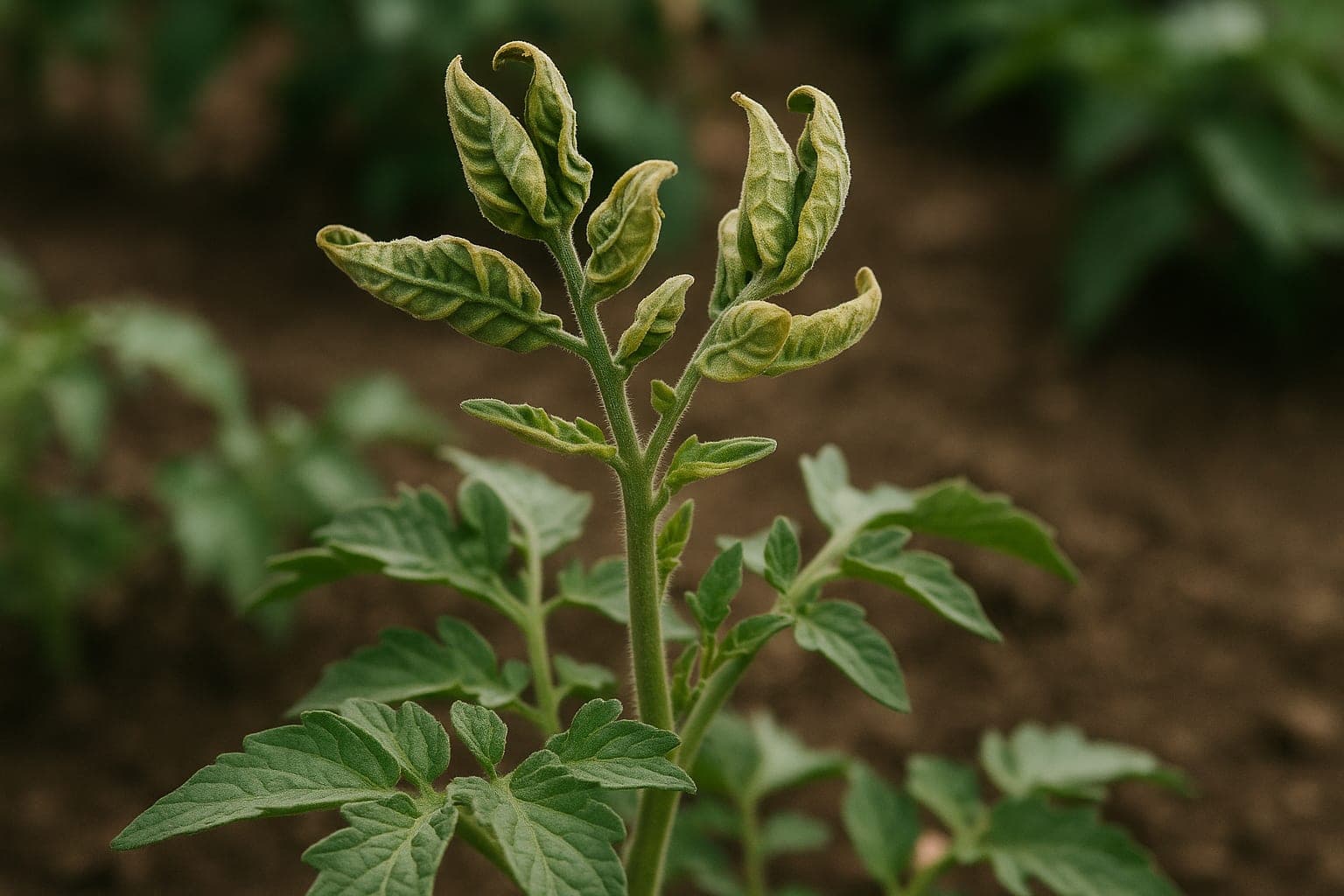
Tomato Leaves Curling? 5 Causes Ranked by How Worried You Should Be
Most tomato leaf curl is harmless heat stress — your plant is fine. Here's a visual diagnosis guide to tell the difference between heat roll, overwatering, herbicide drift, pest damage, and the one cause that means pull the plant immediately (TYLCV virus).
11 min read · Updated 2026-06-12
By PlantFix Editorial Team · Sources: University Extension Programs, USDA, EPA
Why Are My Tomato Leaves Curling? (Quick Diagnosis)
Tomato leaves curl for 5 reasons, and 4 of the 5 are either harmless or fixable. Here they are ranked by how common they are:
1. Heat stress / physiological leaf roll (most common, harmless): Lower leaves roll upward during hot days (above 85°F). Feels leathery, not crispy. Plant keeps producing fruit. No action needed.
2. Watering problems (fixable): Overwatering causes yellow-green leaves that curl downward. Underwatering causes wilting and crispy edges. Stick your finger 2 inches into soil — adjust based on what you find.
3. Herbicide drift (wait it out): Leaves twist downward in an unnatural corkscrew pattern with elongated, strap-shaped leaflets. Caused by 2,4-D or dicamba drifting from lawn treatments or neighboring fields. No fix except time — mild cases recover in 2-4 weeks.
4. Pest feeding damage (treatable): Aphids, whiteflies, or thrips sucking sap causes leaf curling with visible insects on undersides. Treat with insecticidal soap or neem oil.
5. Tomato Yellow Leaf Curl Virus — TYLCV (pull the plant): Upward cupping with yellow leaf margins, stunted growth, flower drop. Spread by whiteflies. No cure exists. Remove and bag the plant immediately to prevent spread.
The key diagnostic: which direction are the leaves curling, and which leaves are affected? Upward rolling on lower leaves during heat = relax. Downward twisting on new growth = investigate. Try the diagnosis tool if you're unsure.
Cause #1: Heat Stress (Relax, Your Plant Is Fine)
Physiological leaf roll is the single most common reason tomato leaves curl, and it's the one that causes the most unnecessary panic. I've seen tomato growers rip out perfectly healthy plants because they thought the curling meant disease. It doesn't.
Here's what happens: when air temperatures exceed 85°F — especially with dry wind or intense sun — the tomato plant rolls its lower leaves upward to reduce the surface area exposed to radiation. It's a deliberate survival response, not a symptom of something wrong. The plant is managing its water loss exactly as evolved to do.
How to identify it:
- Affects lower and middle leaves first, progressing upward only during extended heat waves
- Leaves roll upward along the midrib, creating a cupped or tubular shape
- Rolled leaves feel thick and leathery but NOT brittle or crunchy
- Leaf color stays normal green — no yellowing, no spots, no distortion
- The plant continues flowering and setting fruit normally
- Rolling is often worse on indeterminate (vining) varieties than determinates
What Clemson Extension says: "Physiological leaf roll does not affect fruit development or yield." University of Missouri Integrated Pest Management confirms: "No control is needed."
Things that make it worse:
- Heavy pruning (less leaf area = remaining leaves compensate harder)
- Root disturbance from cultivation or transplanting
- Wet soil + hot air (roots struggle to deliver water fast enough)
- Tomatoes planted against a south-facing wall or fence that reflects heat
If you want to reduce it:
- Mulch with 3-4 inches of straw or wood chips to keep soil cooler
- Water deeply in the morning (1-2 inches per week), never in the afternoon
- Install 30-50% shade cloth during heat waves above 95°F
- Avoid pruning more than 1/3 of the foliage at once
But honestly? The best response is no response. The plant is handling it.
Cause #2: Overwatering and Underwatering (The Soil Test)
Watering problems cause leaf curling, but the pattern is different from heat stress — and overwatering and underwatering look different from each other.
Overwatering signs:
- Leaves curl downward and turn yellow-green (not the normal upward heat roll)
- Soil stays wet for days after watering
- Lower leaves may drop off
- Stems may feel soft at the base
- Root zone smells sour (early root rot)
Underwatering signs:
- Leaves wilt and curl inward, tips become crispy and brown
- Soil is bone-dry 2+ inches down
- Plant looks limp in the afternoon but may recover overnight
- Older leaves dry up and fall off first
The 2-inch test: Stick your finger 2 inches into the soil next to the plant. If it's soggy, stop watering and improve drainage. If it's dry, water deeply (not just a surface sprinkle) and mulch to retain moisture.
The right watering approach for tomatoes:
Tomatoes need about 1-2 inches of water per week, delivered in 2-3 deep soakings rather than daily light watering. Water at the base — never overhead, which promotes foliar disease like early and late blight. Morning watering is best because it gives foliage time to dry before evening humidity rises.
Consistent soil moisture is the goal. Fluctuating between drought and flood stresses the plant and also causes blossom end rot (calcium uptake disruption). A soaker hose on a timer is the most reliable system for tomato beds.
If curling is accompanied by leaf yellowing and you're sure you haven't overwatered, check your fertilizer — nitrogen excess can also cause leaf curling and lush, dark green foliage that's attractive to aphids.
Cause #3: Herbicide Drift (The Twisted Leaf Problem)
Herbicide drift damage has a look that's unmistakable once you know it, and it's totally different from any other type of curling. The telltale: leaves don't just curl — they twist. Leaflets become elongated, strap-shaped, and corkscrew in on themselves. New growth is stunted and distorted. Stems may bend at odd angles.
The culprits are growth-regulator herbicides — primarily 2,4-D and dicamba — used in broadleaf lawn weed killers. These herbicides mimic plant growth hormones and cause uncontrolled, distorted growth in sensitive plants. Tomatoes are extremely sensitive to them.
According to University of Delaware research, the critical distinction from physiological leaf roll is location: herbicide damage concentrates on the upper part of the plant (new growing points), while heat stress affects lower, older leaves. Herbicide-damaged leaves also can't be flattened out to look normal — they're structurally distorted, not just rolled.
How drift happens:
- Your neighbor sprays their lawn with a broadleaf weed killer on a warm day
- Herbicide volatilizes in heat (dicamba is notorious for this) and drifts on air currents
- 2,4-D and dicamba can travel over a mile in warm, still conditions
- Even using contaminated grass clippings as mulch can cause damage — if the lawn was treated, those clippings carry residue for months
- Mississippi State University Extension documents cases where aminopyralid-treated hay used as garden mulch caused tomato damage a full year after the hay was harvested
Can you fix it?
Mild drift damage: yes. If only a few leaves are affected and the growing point isn't killed, the plant will push through new, normal growth in 2-4 weeks. Don't prune the affected leaves — the plant still uses them for energy.
Severe drift damage: no. If stems are twisted, new growth is stunted and deformed, and the plant stops flowering, it's done. Pull it and plant a replacement.
Can you eat the tomatoes? This is a common concern. Garden Professors (Washington State University) confirms that 2,4-D does not accumulate in tomato fruit at harmful levels. The fruit is safe to eat even from a mildly affected plant — assuming the plant manages to produce any.
Prevention:
- Talk to neighbors about spray timing — ask them to spray on cool, still mornings, not hot afternoons
- Never use lawn-treated grass clippings as garden mulch
- If you use hay or straw mulch, confirm it wasn't from fields treated with aminopyralid-based herbicides (Grazon, Milestone, Forefront)
Cause #4: Pest Feeding Damage (Check the Undersides)
Sap-sucking insects cause leaf curling by draining fluid from the leaf tissue, causing it to pucker and deform. The diagnosis is simple: flip the leaf over and look.
Aphids: Clusters of small, soft-bodied insects (green, black, pink, or yellow) on the undersides of leaves and along stems. Heavy feeding causes leaves to curl inward and become distorted. You'll often see sticky honeydew residue and sometimes ants farming the aphids. Treat with a strong water spray to knock them off, followed by insecticidal soap for persistent populations.
Whiteflies: Tiny white flying insects that flutter off the plant when you shake a leaf. They feed on the undersides and cause yellowing, curling, and honeydew production. Whiteflies are also the vector for TYLCV (see next section), so controlling whitefly populations protects against the worst-case scenario. Yellow sticky traps above the plant canopy help monitor and reduce adult populations.
Thrips: Extremely tiny (1-2mm), slender insects that rasp leaf surfaces. Damage appears as silvery streaks, distorted leaves, and scarring. Hard to see without a magnifying glass — tap a leaf over white paper and look for tiny moving specks.
Broad mites: Nearly invisible without magnification. Cause new growth to curl, bronze, and become brittle. The growing tips look stunted and deformed. Often misdiagnosed as a nutrient deficiency. Miticide or neem oil is needed for control — insecticidal soap is less effective against mites.
The pattern to watch for: Pest-caused curling typically affects new growth first (because sap-suckers prefer tender tissue) and is always accompanied by visible insects or their damage signs (honeydew, stippling, webbing). If the leaves are curling but you can't find a single bug even with careful inspection, it's probably not pest-related. Note that if you see winding white or tan trails running through the leaf tissue rather than curling, you may have leaf miners instead — their larvae tunnel inside leaves and create a different type of damage pattern that's sometimes mistaken for early virus symptoms.
Cause #5: Tomato Yellow Leaf Curl Virus (Pull It — Now)
TYLCV is the one cause of tomato leaf curl that genuinely requires immediate action. Once a plant is infected, there is no cure — no spray, no treatment, no recovery. The plant must be removed to prevent spreading the virus to your other tomatoes.
TYLCV symptoms — all of these appear together:
- Severe upward cupping of young leaves (not the gentle roll of heat stress — this is dramatic)
- Yellowing along leaf margins, especially on new growth
- Stunted, bushy appearance — internodes (stem segments between leaves) are shortened
- Flowers drop without setting fruit
- Plant essentially stops growing
How it spreads: TYLCV is transmitted by sweet potato whiteflies (Bemisia tabaci). A whitefly feeds on an infected plant, picks up the virus, and transmits it to the next plant it feeds on. The virus can spread through a garden in days when whitefly populations are high. NC State Extension notes that the whitefly can acquire the virus within 15-30 minutes of feeding.
What to do if you suspect TYLCV:
- Confirm the diagnosis. TYLCV looks different from heat stress: it affects new growth (top of plant), not lower leaves. The cupping is severe and uniform. Yellowing is on leaf edges, not interveinal. The plant stops growing.
- Remove the plant immediately. Pull it up, roots and all. Do not compost it. Place it in a sealed trash bag and dispose of it.
- Control whiteflies on remaining plants. Apply insecticidal soap or neem oil to all other tomato plants. Set up yellow sticky traps to monitor and reduce whitefly populations.
- Use reflective mulch. Silver or aluminum-colored reflective mulch around tomato bases has been shown by University of Florida IFAS to significantly reduce whitefly landing rates.
Prevention for future seasons:
- Plant TYLCV-resistant varieties. Look for the "Ty" gene in variety descriptions — Tygress, Shanty, and several modern hybrids carry resistance. NC State Extension maintains an updated list of resistant varieties.
- Rotate planting locations. Don't plant tomatoes in the same spot where an infected plant grew.
- Control whiteflies season-long, not just after you see damage.
- Remove volunteer tomato plants and nightshade weeds that can harbor the virus year-round.
TYLCV is serious, but it's also relatively uncommon in northern gardens. It's most prevalent in Florida, Texas, and the Gulf states where whitefly populations persist year-round. If you garden north of the Mason-Dixon line, physiological leaf roll is a thousand times more likely than TYLCV.
When to Worry vs. When to Relax (Summary)
Here's the decision matrix I wish someone had given me the first time my tomato leaves curled:
RELAX — No action needed:
- Lower leaves rolling upward on a hot day (heat stress)
- Leaves feel leathery but not crispy, color is normal green
- Plant is flowering and setting fruit despite the curling
- Rolling is worst in the afternoon and improves by morning
ADJUST — Simple fix:
- Curling with yellow leaves and soggy soil → stop overwatering
- Curling with crispy edges and dry soil → water deeply
- Curling with visible aphids or whiteflies → spray with insecticidal soap
WAIT — Monitor but no quick fix:
- Twisted, strap-shaped leaves after a neighbor sprayed their lawn → herbicide drift, mild cases recover in 2-4 weeks
- Curling after transplanting → transplant shock, should resolve in 1-2 weeks
ACT — Immediate removal required:
- Severe upward cupping + yellowing margins + stunted growth + flower drop → TYLCV virus. Pull and bag the plant today.
Still not sure? Work through our diagnosis tool — it walks you through the curl patterns and helps narrow down the cause.
Recommended Products
We earn a commission if you buy through these links, at no extra cost to you. We recommend based on what works, not what pays. How this works.
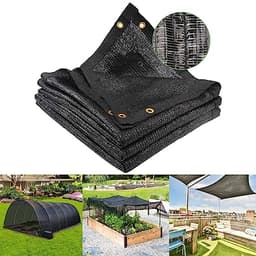
Reduces heat stress on tomatoes during extreme heat waves. Drape over a simple frame or hoops above the plant. 30% shade is ideal for most situations — it reduces temperature without significantly limiting light. Use during periods above 95°F to prevent physiological leaf roll and blossom drop.
$15-$30 · Best for Reducing heat stress leaf curl and protecting fruit from sunscald
Check price on Amazon →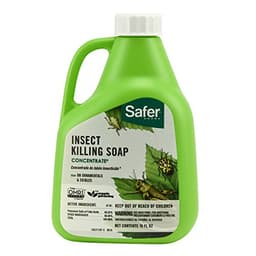
For treating aphids, whiteflies, and thrips that cause pest-related leaf curling. Spray directly on insects — works by disrupting cell membranes on contact. Must hit the pest to work, so thorough coverage of leaf undersides is essential. Safe for edible crops with no pre-harvest interval.
$8-$14 · Best for Treating sap-sucking pests that cause leaf curling on tomatoes
Check price on Amazon →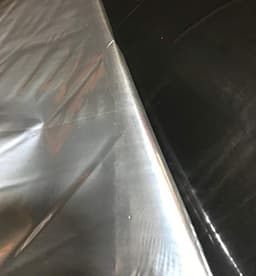
Highly effective whitefly deterrent proven by University of Florida research. The reflective surface disorients whiteflies and reduces their landing rate, protecting tomatoes from both feeding damage and TYLCV transmission. Place around the base of tomato plants at transplanting time.
$20-$40 · Best for Preventing whitefly-transmitted TYLCV virus in southern gardens
Check price on Amazon →Treatment information on PlantFix is educational. When using any pesticide — including organic options like neem oil or insecticidal soap — read and follow the entire product label; the label is the law. For persistent or high-stakes problems, your local university extension service offers free, region-specific advice. Read about how we source and verify treatment guidance in our Editorial Standards.
FAQ
Will curled tomato leaves uncurl?▼
It depends on the cause. Heat stress leaf roll often reduces on cooler days but leaves may stay partially rolled all season — this is normal and doesn't affect fruit production. Leaves curled from overwatering or underwatering will recover once you fix the watering. Herbicide-damaged leaves never uncurl, but the plant can grow new, normal foliage if the damage is mild. Virus-curled leaves never recover — the plant must be removed.
Can I eat tomatoes from a plant with curled leaves?▼
Yes, in almost all cases. Physiological leaf roll, water stress, and minor herbicide drift don't affect fruit safety. Washington State University's Garden Professors confirmed that 2,4-D does not accumulate in fruit at harmful levels. The only exception: if the plant has a viral infection (TYLCV), it likely won't produce usable fruit anyway because flowers drop before setting.
Does tomato leaf curl spread to other plants?▼
Physiological leaf roll, water stress, and herbicide drift are NOT contagious — they're environmental responses. However, TYLCV virus does spread between plants via whiteflies. If one plant has confirmed TYLCV, inspect all nearby tomatoes and peppers, control whiteflies aggressively, and remove any infected plants immediately to prevent further spread.
What tomato varieties resist leaf curl virus?▼
Look for varieties bred with the Ty-1, Ty-2, or Ty-3 resistance genes. Popular resistant options include Tygress, Shanty, and several newer hybrid varieties. Seed catalogs will list TYLCV resistance in the variety description. Note that resistance reduces severity but may not provide complete immunity — combine resistant varieties with whitefly management for best protection.
Should I prune curled tomato leaves?▼
Generally no. Even rolled or mildly damaged leaves still photosynthesize and feed the plant. Removing them reduces the plant's total energy production and can worsen heat stress (less shade for lower leaves and fruit). The exception: prune leaves only if they're severely diseased, completely dead, or you're removing a TYLCV-infected plant entirely.
Is tomato leaf curl caused by too much nitrogen?▼
Excess nitrogen can cause lush, dark green foliage that's slightly more prone to physiological leaf roll, but it's not a primary cause of curling. What nitrogen excess does more reliably: it delays fruiting, attracts aphids (they love nitrogen-rich tissue), and promotes vegetative growth over fruit production. If you suspect overfertilization, skip the next scheduled feeding and water deeply to flush excess salts.
Related
- Whiteflies: The Shake Test, Damage Chain & 3-Week Treatment Protocol →
- Aphids on Plants: How to Kill Them Fast (and Stop the Ants) →
- Insecticidal Soap: What It Actually Kills (Including Spider Mites), DIY Recipe & Why Dawn Is Wrong →
- Neem Oil for Plants: Complete Guide to Using It Effectively →
- Yellow Leaves on Plants: Every Cause & How to Fix It →
- Yellow Sticky Traps for Gnats: Placement & Best Picks →
- Tomato Hornworm ID: Kill It — Unless It Has White Cocoons →
- Copper Fungicide: Plant-by-Plant Dosage Chart + Safety Rules →
- Garden Pest Identification: 25+ Bugs by the Damage They Do →
- Leaf Miners: Those Squiggly White Lines on Your Leaves (ID + Treatment) →
Not sure what's wrong?
Use the diagnosis tool →Get seasonal plant care reminders and pest alerts.