Why Is My Peace Lily Drooping? 7 Causes and Quick Fixes
A drooping peace lily is usually just thirsty — water it and it perks up in hours. But if it's drooping in wet soil, that's root rot. Here's how to tell.
8 min read · Updated 2026-08-19
By PlantFix Editorial Team · Sources: University Extension Programs, USDA, EPA
Why Your Peace Lily Is Drooping (Quick Answer)
A drooping peace lily is thirsty about 80% of the time. Feel the soil: if the top inch or two is dry, water it thoroughly until the excess drains, and the plant will perk back up within a few hours. Peace lilies are dramatic wilters by design — the droop is how they tell you they need a drink, and a full recovery after watering confirms it was simple underwatering.
The dangerous case is the opposite: a peace lily drooping in soil that's wet. That's not thirst — it's root rot, where damaged roots can no longer move water up to the leaves even though there's plenty around them. Watering more makes it worse. This guide leads with the common, harmless cause and escalates from there. For a photo-based check, our plant diagnosis tool can help you decide.
Do This First: Check the Soil
Every peace lily droop diagnosis starts with one test: push a finger two inches into the soil.
- Dry soil → underwatering. Go to Cause #1. This is the good outcome — water it and you're done.
- Wet, soggy soil → overwatering or root rot. Do not add water. Go to Cause #2.
This single check separates the harmless 80% from the serious cases, and it takes five seconds. Everything below assumes you've done it.
Cause #1: Underwatering (The Usual Suspect)
This is the most common reason by far, and the least scary. When the soil dries out, a peace lily can't hold its leaves up and dramatically flops — but the wilting is a warning, not damage. Water it thoroughly, let the excess drain, empty the saucer, and it typically stands back up within two to four hours. By the next morning you'd never know.
The long-term fix is a slightly more consistent routine so it isn't lurching between drought and rescue. Water when the top inch of soil is dry, which for most indoor peace lilies means roughly once a week. If it's drooping every couple of days, the pot is likely too small or root-bound (see Cause #6). Repeatedly letting it collapse all the way stresses the plant, so aim to catch the first lean rather than the full faceplant.
Cause #2: Overwatering and Root Rot
If your peace lily is drooping in wet soil, this is the cause and it's the one that actually kills plants. Constantly soggy mix suffocates the roots; they die and rot, and rotted roots can't deliver water to the leaves — so the plant wilts even though it's standing in moisture. University of Maryland Extension notes that root rot "may paradoxically cause wilting even when the soil is wet."
The instinct to water a droopy plant is exactly wrong here. Instead, stop watering and check the roots: slide the plant out and look. Firm and white means you just need to let the soil dry out and ease off your watering. Brown, mushy, or foul-smelling roots mean root rot — trim away all the dead roots with sterilized scissors and repot into fresh, fast-draining mix, following our root rot rescue guide. Overwatering also often shows up as yellow leaves; our peace lily yellow leaves guide covers that side of the same problem.
Cause #3: Transplant Shock
Did you repot recently? Peace lilies sulk after being disturbed. Handling the roots, changing the soil, or moving up a pot size can cause a temporary droop for a week or two even when you did everything right.
Don't overreact. Keep the plant in stable, bright indirect light, water normally (soil dry an inch down), and resist the urge to fertilize or fuss. It should recover on its own as the roots re-establish. If you repotted into a much larger pot, the extra soil holds more water than the roots can use — which can tip a shocked plant toward overwatering, so err on the dry side while it settles.
Cause #4: Temperature Stress and Drafts
Peace lilies are tropical and cold-sensitive. A spot near a drafty window, an exterior door in winter, or directly in the path of an air-conditioning vent can cause sudden drooping. The same goes for hot, dry blasts from a heating vent.
They're happiest between 65 and 80°F. If the droop coincides with a cold snap, a newly running AC, or a seasonal move, relocate the plant away from the temperature source to a more stable spot and it should recover.
Cause #5: Root Bound
A peace lily that droops within a day or two of every watering, no matter how carefully you water, has often outgrown its pot. When roots fill the container, there's little soil left to hold moisture, so it dries out almost immediately and wilts on repeat. You'll often see roots circling the surface or poking through the drainage holes, and water may run straight through without wetting anything.
The fix is to repot one size up in spring, into fresh mix. Peace lilies actually bloom best when slightly snug, so don't jump several sizes — one step up is plenty. Division is an option too if the clump has gotten huge: you can split it into two plants while you're at it.
Causes #6 and #7: Too Much Sun and Fertilizer Burn
Two less common causes round out the list. Direct sun stresses a low-light plant: peace lilies in a hot, bright window can wilt and scorch, with bleaching alongside the droop. Move to indirect light.
Fertilizer burn is the other. Too much fertilizer builds up salts that damage the roots and pull water away from them, causing wilting and brown leaf tips. If you've been feeding heavily, flush the pot thoroughly with plain water several times to leach the salts, then feed at half strength at most, only in spring and summer. Peace lilies are light feeders and need far less than people give them.
When the Drooping Won't Stop
If you've watered, the soil was dry, and the plant still won't recover after a day, or if it droops again within hours every single time, stop guessing and check the roots. Persistent drooping that watering doesn't fix almost always comes back to the root system — either root rot from too much water or a root-bound plant that can't hold any.
Unpot it and look. Brown and mushy means rot (trim and repot in fresh mix); a solid mass of circling roots with no soil left means it's root bound (pot up one size). Fixing the roots fixes the droop. For everything else that can go wrong with this plant, our peace lily care profile and houseplant problem guide cover the full picture.
Recommended Products
We earn a commission if you buy through these links, at no extra cost to you. We recommend based on what works, not what pays. How this works.

Takes the guesswork out of the wet-or-dry question that every peace lily droop comes down to. Read the root zone before you water so you never make a rot problem worse by watering a wilting plant that's already soaked.
$10-$18 · Best for Telling underwatering from root rot before you act
Check price on Amazon →
A peaty mix amended with perlite holds enough moisture to keep a peace lily happy without staying soggy — the balance that prevents both the constant drooping of a root-bound plant and the rot of a waterlogged one. Ideal for repotting.
$12-$20 · Best for Repotting a root-bound or rot-recovering peace lily
Check price on Amazon →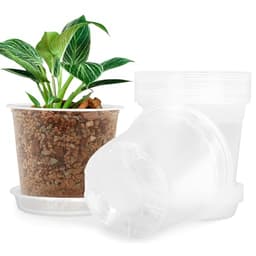
Peace lilies must never sit in standing water. A plastic nursery pot with drainage holes, sized just one step up from the current one, gives a root-bound plant room without drowning it. Slip it inside a decorative cachepot for looks.
$8-$16 · Best for Potting up a root-bound peace lily one size
Check price on Amazon →Treatment information on PlantFix is educational. When using any pesticide — including organic options like neem oil or insecticidal soap — read and follow the entire product label; the label is the law. For persistent or high-stakes problems, your local university extension service offers free, region-specific advice. Read about how we source and verify treatment guidance in our Editorial Standards.
FAQ
How fast should a peace lily recover after watering?▼
A peace lily drooping from thirst usually perks back up within two to four hours of a thorough watering, and is fully upright by the next morning. If it hasn't recovered within 24 hours despite the soil having been dry, the problem isn't simple underwatering — check the roots for rot or a root-bound pot.
Why does my peace lily droop every few days?▼
Frequent drooping usually means the plant is root bound — its roots have filled the pot, leaving little soil to hold water, so it dries out and wilts almost immediately. Repot it one size up in fresh mix. Very low humidity or a too-small pot in a warm, bright spot can also speed up how fast it dries.
Should I water my peace lily when it droops?▼
Only if the soil is dry. A droopy peace lily in dry soil needs water and will recover in hours. But a peace lily drooping in wet, soggy soil is suffering from overwatering or root rot — watering it again makes it worse. Always check the soil with your finger before you water.
Can a peace lily recover from severe drooping?▼
Usually yes, if it was thirst — even a fully collapsed peace lily typically bounces back after a good watering, though repeated severe wilting weakens it over time. Recovery from root rot is harder and depends on how much healthy root remains; trim the rot, repot in fresh mix, and give it time.
Is a drooping peace lily dying?▼
Not usually. Most peace lily drooping is simple thirst and reverses within hours of watering — it's the plant's normal way of communicating. It's only a real threat when the droop comes with wet soil (root rot) or won't reverse after watering. Diagnose by checking the soil moisture first.
Related
- Peace Lily Yellow Leaves: 6 Causes and How to Fix Each →
- Why Is My Peace Lily Dying? (Save-vs-Toss Triage) →
- Yellow Leaves on Plants: Every Cause & How to Fix It →
- How to Fix an Overwatered Plant (Root Rot Rescue) →
- Houseplant Pests: Visual ID Guide to Every Bug on Your Indoor Plants →
- Pothos Yellow Leaves: 8 Causes and the Fix for Each →
- Fungus Gnats: How to Identify & Eliminate Them for Good →
Plants Commonly Affected
Not sure what's wrong?
Use the diagnosis tool →Get seasonal plant care reminders and pest alerts.