Pothos Yellow Leaves: 8 Causes and the Fix for Each
Pothos leaves turning yellow? Mushy stems mean overwatering, crispy edges mean thirst, one bottom leaf is just age. Here's the exact cause and fix for each.
9 min read · Updated 2026-08-19
By PlantFix Editorial Team · Sources: University Extension Programs, USDA, EPA
Why Your Pothos Leaves Are Turning Yellow (Quick Answer)
Pothos leaves turn yellow most often from overwatering — soggy soil suffocates the roots and the oldest leaves drop first. Check the soil: if it's wet and heavy, let it dry out fully before watering again. If just one or two of the lowest leaves are yellowing while the rest look fine, that's normal aging, not a crisis.
Pothos (Epipremnum aureum) gets sold as the plant you can't kill, so yellow leaves feel like a personal failure. Usually it's the opposite — you're caring for it too much. Below, every cause is ranked by how common it actually is, each with the one tell that separates it from the rest. When you'd rather have a second opinion on a photo, our plant diagnosis tool narrows it down in a few taps. For the broader picture across every houseplant, our yellow leaves guide covers the full differential.
Pothos Yellow Leaf Diagnostic Chart
Match what you're seeing to the row below, then jump to that section. Pothos are readable plants — the pattern of yellowing usually points straight at the cause.
| What you see | Most likely cause | First move |
|---|---|---|
| Yellow + soft, mushy stem base | Overwatering / root rot | Stop watering; check the roots |
| Yellow + dry, crispy edges | Underwatering | Soak thoroughly, then water sooner |
| 1–2 lowest leaves only, slow | Natural aging | Nothing — snip them off |
| Pale, all-over yellowing + leggy vines | Too little light | Move nearer a bright window |
| Bleached yellow patches | Direct-sun scorch | Pull back out of direct sun |
| New leaves small and pale | Needs feeding | Dilute balanced fertilizer |
| Yellow stippling + fine webbing or specks | Pests (mites, scale) | Inspect leaf undersides |
| Yellowing days after repotting | Transplant shock | Wait 2–3 weeks, keep it steady |
Cause #1: Overwatering (Nearly Always the Answer)
If your pothos is yellowing, this is where to look first. Both North Carolina State Extension and Clemson's Home & Garden Information Center name overwatering and the root rot that follows as the leading cause of pothos decline. Waterlogged mix drives the air out of the soil, the roots can't breathe, and the plant sheds its oldest leaves within days.
The pothos-specific tell is the stem base. Pinch the vine right where it meets the soil. On an overwatered pothos it feels soft, brown, or slightly slimy — healthy pothos stems are firm and green. Wet soil plus a mushy base plus yellow leaves is overwatering until proven otherwise, even if you swear you don't water much (a pot with no drainage hole or a saucer left full will do it for you).
The fix depends on how far it's gone. If the roots are mostly still firm and white, just stop watering and let the mix dry out completely — pothos bounce back fast from a dry spell. If the stem base is mush and the pot smells sour, you're into root rot territory: unpot, rinse the roots, cut away everything brown and soft, and repot into fresh, airy mix. Our full root rot rescue guide walks every step, including the save-vs-restart call. Pothos is the easiest plant on earth to restart — if the roots are gone, snip a healthy vine below a node and root it in water.
Cause #2: Natural Aging (Leave It Alone)
Not every yellow leaf is a problem. Pothos continually push new growth at the vine tips and retire the oldest leaves near the base to reclaim their nutrients. One lower leaf turning uniformly yellow every few weeks, with the rest of the plant thriving, is completely normal.
How to know it's just age and not something worse: it's the oldest, lowest leaf; it yellows evenly rather than in spots; and it's one leaf at a time, not a wave. Snip it at the base and move on. Start worrying only when three or more leaves yellow at once, or when new growth near the tips is affected — that points to overwatering, light, or a pest problem instead.
Cause #3: Light — Too Little or Too Harsh
Pothos tolerate low light, but tolerate is not the same as thrive. In a genuinely dark corner they slow down, stretch toward the nearest window with long bare gaps between leaves, and the older foliage pales and yellows as the plant can't sustain it. The fix is simple: move it to bright, indirect light. Growth tightens up within a few weeks.
The opposite extreme burns them. Pothos leaves scorch in direct sun — you'll see bleached, washed-out yellow patches on the leaves facing the glass, sometimes with crispy tan centers. Pull the plant back a few feet from a hot south or west window, or filter the light with a sheer curtain.
One pothos-only wrinkle: variegated types (Marble Queen, Golden, Manjula) need more light than solid-green varieties, because their white and cream sections have no chlorophyll and can't feed themselves. A variegated pothos that's yellowing and reverting to plain green in low light is asking to be moved closer to the window, not fertilized.
The Other Causes (Quick Checks)
Once you've ruled out water, age, and light, run through these:
- Underwatering. Less common than overwatering, but it happens. The tell is dry, crispy yellow edges and soil that has pulled away from the pot wall. Soak the pot thoroughly and water a little sooner next time.
- Hungry plant. A pothos that hasn't been fed in six months or more may yellow uniformly with small, pale new leaves. A dilute balanced liquid fertilizer once a month in spring and summer fixes it — don't overdo it.
- Root bound. If water runs straight through and roots are circling out the drainage holes, it's outgrown the pot. Step it up one size in fresh mix.
- Temperature stress. Cold drafts below 50°F, or a spot right over a heat vent, will yellow leaves. Move it away from the source.
- Pests. Check the leaf undersides and stems. Fine webbing and yellow stippling means spider mites; cottony white tufts mean mealybugs; small brown bumps that don't rub off are scale insects; and silvery streaks with black specks point to thrips. Chronically wet soil also breeds fungus gnats, which are harmless to a healthy pothos but a sign you're watering too much.
Should You Cut Yellow Leaves Off — and Can They Turn Green Again?
Once a pothos leaf yellows, it will not turn green again. Chlorophyll doesn't come back to a leaf that's already broken down its own pigment, so there's no point waiting on it. Cutting it off does no harm and looks better — the plant already pulled what it could from that leaf before you noticed.
Snip yellow leaves at the base of their stem with clean scissors. The energy that leaf was costing goes back into new growth. What matters far more than the dead leaf is fixing the cause so the next leaf doesn't follow it — which is why the diagnosis above matters more than the pruning.
How to Keep a Pothos Green for Good
Pothos are almost impossible to kill once you get the watering right, and watering is the whole game.
- Water by weight and touch, not by calendar. Let the top half of the soil dry out, then water thoroughly until it runs from the drainage hole. In a bright spot that's often every 7–10 days in summer and every 2–3 weeks in winter, but the finger test beats any schedule — Clemson's advice is to let at least the top half of the mix dry before watering again.
- Use a pot with a drainage hole. A cachepot with no hole is the number-one hidden cause of pothos rot. Keep the plant in a plastic nursery pot you can lift out to water.
- Empty the saucer within 30 minutes of watering so the roots never sit in water.
- Give it bright indirect light and dust the leaves occasionally so they can photosynthesize.
A soil moisture meter takes the guesswork out for chronic overwaterers — you'll find the ones we recommend, along with airy potting mixes and nursery pots, on our plant care gear page. And if you want the full care rundown for this specific plant, our pothos care profile covers light, water, soil, and toxicity in one place.
Recommended Products
We earn a commission if you buy through these links, at no extra cost to you. We recommend based on what works, not what pays. How this works.

A probe that reads moisture down at the root zone so you stop guessing. Water only when it reads dry in the lower half of the pot. The single best defense against the overwatering that yellows most pothos.
$10-$18 · Best for Chronic overwaterers who want a clear go/no-go signal
Check price on Amazon →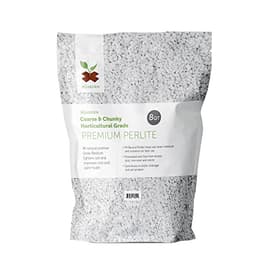
Perlite or orchid bark mixed into standard potting soil turns dense, soggy mix into an airy one that drains fast and gives pothos roots the oxygen they need. Cheap insurance against rot.
$10-$18 · Best for Building a fast-draining mix that resists root rot
Check price on Amazon →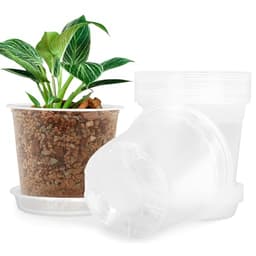
Plastic nursery pots with real drainage holes, sized snug to the root ball. Slip one inside a decorative cachepot so you get the look without leaving roots sitting in water.
$8-$16 · Best for Replacing a no-drainage cachepot that's rotting the roots
Check price on Amazon →Treatment information on PlantFix is educational. When using any pesticide — including organic options like neem oil or insecticidal soap — read and follow the entire product label; the label is the law. For persistent or high-stakes problems, your local university extension service offers free, region-specific advice. Read about how we source and verify treatment guidance in our Editorial Standards.
FAQ
Should I cut the yellow leaves off my pothos?▼
Yes. A yellow pothos leaf won't recover its color, so removing it is purely cosmetic and helpful — snip it at the base with clean scissors and the plant redirects that energy into new growth. Just make sure you've also fixed the underlying cause (usually overwatering) so the next leaf doesn't follow it.
Can a yellow pothos leaf turn green again?▼
No. Once a leaf has yellowed, the chlorophyll has already broken down and won't come back. New growth will be green if you correct the cause, but the individual yellow leaf is done. Focus on diagnosis, not on nursing a leaf that's already gone.
How often should I water a pothos?▼
Let the top half of the soil dry out, then water thoroughly until it drains. In bright, indirect light that's roughly every 7–10 days in summer and every 2–3 weeks in winter, but the finger test always beats a fixed schedule — pothos far prefer being a little dry to a little too wet.
Why are my pothos leaves turning yellow and brown at the same time?▼
Yellow fading into brown, mushy patches usually means overwatering and the start of root rot. Yellow with dry, crispy brown edges points the other way — underwatering or low humidity. Check the stem base and the soil: soft base plus wet soil is overwatering; firm base plus bone-dry soil is thirst.
Is a yellowing pothos toxic to my pets?▼
The health of the leaf doesn't change its toxicity — pothos is toxic to cats and dogs whether the leaves are green or yellow. It contains insoluble calcium oxalate crystals that cause mouth irritation, drooling, and vomiting if chewed. Keep both healthy and yellowing leaves out of reach of pets.
Related
- Yellow Leaves on Plants: Every Cause & How to Fix It →
- How to Fix an Overwatered Plant (Root Rot Rescue) →
- Peace Lily Yellow Leaves: 6 Causes and How to Fix Each →
- Philodendron Yellow Leaves: Old vs. New Leaf Points to the Fix →
- Fungus Gnats: How to Identify & Eliminate Them for Good →
- Spider Mites: Identification, Treatment & Prevention Guide →
- Houseplant Pests: Visual ID Guide to Every Bug on Your Indoor Plants →
Plants Commonly Affected
Not sure what's wrong?
Use the diagnosis tool →Get seasonal plant care reminders and pest alerts.