Philodendron Yellow Leaves: Old vs. New Leaf Points to the Fix
Yellow philodendron leaves? Lowest leaves on wet soil mean overwatering; pale new growth means light or feeding. Use the location-and-soil chart to find your cause.
8 min read · Updated 2026-09-30
By PlantFix Editorial Team · Sources: University Extension Programs, USDA, EPA
The Most Likely Answer, Stated First
For a philodendron, yellow lower leaves almost always mean the soil stayed wet too long. That's the single most common cause, and you can confirm or rule it out in seconds: feel the soil and note which leaves are yellowing. If it's the oldest, lowest leaves going yellow one at a time and the soil is still damp days after watering, you've found it — skip to the overwatering section.
If that doesn't fit — the yellowing is on new upper growth, or the soil is dry, or the whole plant looks washed out — then it's one of the other causes, and where the yellow shows up tells you which. The table below routes you. Philodendrons are forgiving aroids, so most yellowing is a care issue you can reverse once you read the pattern. For a photo check of your specific plant, our plant diagnosis tool reads the cause from an image.
Where Is It Yellowing? Match the Pattern
The location of the yellow leaves, plus the state of the soil, narrows the cause fast. Find your row.
| What you see | Likely cause | Where to go |
|---|---|---|
| Oldest, lowest leaves yellow one at a time; soil stays wet | Overwatering / root rot | Overwatering section |
| An occasional bottom leaf yellows; soil dries normally; plant otherwise thriving | Natural aging (normal) | Overwatering section (aging note) |
| Whole plant pale; leggy, reaching, small new leaves | Too little light | Light & feeding section |
| Yellowing with faded, washed-out patches in a bright spot | Too much light | Light & feeding section |
| New leaves pale, older ones fine; hasn't been fed in months | Nutrient shortage | Light & feeding section |
| Fine yellow speckling with a tight curl or webbing | Spider mites | Pests section |
The two checks that sort most cases: press the soil (wet plus yellow lower leaves equals overwatering) and note whether it's the oldest outer leaves (often normal aging) or new growth (a real problem). Get those two answers and you'll know which section to act on.
Overwatering and Root Rot (the modal cause)
Philodendrons want moisture but not sogginess, and constant wet soil is what turns their leaves yellow more than anything else. SDSU Extension's watering rule is simple: "When the top inch of soil is dry, it is time to water a philodendron," and it notes that "both overwatering and underwatering will tend to make leaves droop." When the soil never dries, the roots suffocate and rot, and the plant can't move water up even though the pot is wet — so lower leaves yellow and the plant may wilt while sitting in moisture. University of Maryland Extension describes that paradox precisely: root rot causes "stunting, yellowing and wilting of plants even when potting media moisture is adequate," and rotted roots turn "brown to black and soft or mushy."
The fix scales with how far it's gone. Early — a few yellow lower leaves, roots still firm: let the soil dry to the top inch before watering again, make sure the pot actually drains, and never leave it in a saucer of water. Advanced — many yellow leaves, wet soil that won't dry, a sour smell: unpot it, rinse the roots, cut away every brown mushy root, and repot into fresh, chunky, well-draining mix. Philodendrons root so easily that a badly rotted one is a strong candidate for the cut-and-restart route — snip a healthy vine below a node and root it. Full walkthrough in our root rot rescue guide, with the recovery schedule in the treatment plan.
One reassurance: losing the occasional oldest, lowest leaf while the rest of the plant pushes healthy new growth is normal aging, not a problem. Trim it at the base and move on.
Light and Feeding: Why "Give It More Light" Is Often Wrong
The generic advice for a yellowing plant is "move it to more light" — and for a philodendron that's frequently backwards. These are lower-light-tolerant aroids: SDSU Extension says "bright light, diffused sunlight, or partial shade is the best," and warns that "too much light will cause leaves to turn yellow." So a philodendron yellowing in a bright, sunny window is often getting too much light, not too little — pull it back from the glass. The tell for the opposite problem, genuinely too little light, is a pale whole plant that's leggy and reaching, with small weak new leaves; that one does want to move brighter (but still indirect).
Feeding is the other half. Philodendrons are fast-growing and hungry, and they yellow in exhausted mix. SDSU recommends a "balanced fertilizer monthly, because this is a fast-growing plant," easing off in the dark winter months. If the new leaves are coming in pale while the old ones look fine and you haven't fed it in a long time, a regular dilute feeding through the growing season usually greens the new growth back up. (Note a related but separate symptom: SDSU says "browning leaf tips with yellow halos indicate that the plant needs more humidity" — that's a humidity fix, not a yellowing-whole-leaf fix.)
Fine Speckled Yellowing: Check for Spider Mites
If the yellowing looks like fine pale stippling — tiny flecks scattered across the leaf rather than a solid yellow — check for spider mites, especially in dry winter air. The Missouri Botanical Garden notes that infested "leaves may appear stippled and curled" and then "yellow and drop or turn brown or tan," often with "fine webbing ... under the leaves." Confirm with the paper test: tap a leaf over white paper and look for specks that crawl. If you find them, rinse the plant, raise humidity, and follow our spider mites treatment guide. Mite yellowing is a pest fix, not a watering or light one — so it's worth ruling out before you change the care.
A Yellow Leaf Won't Turn Green Again
Set your expectations before you do anything drastic: once a philodendron leaf has yellowed, it will not turn back green. The chlorophyll is gone. So the goal is never to "fix" the yellow leaf — it's to stop the next leaves from yellowing by correcting the cause. A fully yellow leaf can be removed at the base to redirect energy and tidy the plant; a leaf that's only partly yellow is still doing a little photosynthesis, so there's no rush to cut it unless it's more than about half gone.
Work the cause, not the symptom. Most of the time that means checking whether the soil is staying wet and fixing drainage and watering; the rest of the time it's light (usually too much, not too little), feeding, or mites. If a photo would help you decide, the diagnosis tool reads it, the yellow leaves field guide compares this symptom across every houseplant, and our pothos yellow leaves guide covers the same pattern on a close aroid cousin. One safety note: philodendron is toxic if eaten — SDSU warns "if ingested it can be toxic to animals and people," so keep trimmings away from pets and children.
Recommended Products
We earn a commission if you buy through these links, at no extra cost to you. We recommend based on what works, not what pays. How this works.
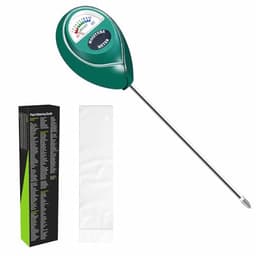
The overwatering that causes most philodendron yellowing is easy to prevent once you stop guessing. Check the root zone and only water when the top inch reads dry — the exact rule SDSU Extension gives for this plant.
$10-$20 · Best for Preventing the wet-soil root rot behind most yellow leaves
Check price on Amazon →A chunky, airy mix (bark, perlite, and a little coco coir) lets a philodendron's roots breathe between waterings and drains fast enough to keep them from rotting. The right substrate does as much to stop yellow leaves as careful watering does.
$12-$20 · Best for Repotting a root-rotted plant or fixing soggy soil
Treatment information on PlantFix is educational. When using any pesticide — including organic options like neem oil or insecticidal soap — read and follow the entire product label; the label is the law. For persistent or high-stakes problems, your local university extension service offers free, region-specific advice. Read about how we source and verify treatment guidance in our Editorial Standards.
FAQ
Why is my philodendron turning yellow?▼
Most often overwatering. Philodendrons yellow their lowest leaves when the soil stays wet and the roots start to rot, and the plant can look wilted even in moist soil. Check the soil (wet plus yellow lower leaves equals overwatering) and which leaves are affected. Other causes are too much light bleaching the leaves, too little light making the whole plant pale, a nutrient shortage in exhausted mix, and spider mites causing fine speckled yellowing.
Should I cut yellow leaves off my philodendron?▼
A fully yellow leaf won't turn green again, so you can trim it at the base with clean scissors to redirect energy and improve appearance. A leaf that's only partly yellow is still feeding the plant, so there's no rush to remove it. Cutting the leaf doesn't fix the cause, though — identify why it yellowed (usually overwatering) and correct that, or new leaves will keep yellowing.
Do philodendrons need a lot of light?▼
No — philodendrons tolerate lower light than most houseplants and prefer bright, indirect light or partial shade. SDSU Extension warns that too much light actually turns the leaves yellow, so a philodendron yellowing in a sunny window often needs less light, not more. Move it back from direct sun. Only a pale, leggy, reaching plant with small new leaves genuinely needs a brighter (but still indirect) spot.
Can a yellow philodendron leaf turn green again?▼
No. Once a leaf has lost its chlorophyll and turned yellow, it will not re-green, even after you fix the underlying problem. The plant recovers by growing healthy new leaves, not by reviving old ones. Focus on correcting the cause — usually letting the soil dry out more between waterings — so the next flush of growth comes in green.
Related
- Yellow Leaves on Plants: Every Cause & How to Fix It →
- How to Fix an Overwatered Plant (Root Rot Rescue) →
- Pothos Yellow Leaves: 8 Causes and the Fix for Each →
- Monstera Yellow Leaves: 7 Causes and the Fix for Each →
- Spider Mites: Identification, Treatment & Prevention Guide →
- Peace Lily Yellow Leaves: 6 Causes and How to Fix Each →
Not sure what's wrong?
Use the diagnosis tool →Get seasonal plant care reminders and pest alerts.