How to Fix an Overwatered Plant (Root Rot Rescue)
Overwatered your plant? Fix it fast: unpot, cut the brown mushy roots, repot in dry, fast-draining mix, and make the save-or-restart call that decides everything.
11 min read · Updated 2026-09-21
By PlantFix Editorial Team · Sources: University Extension Programs, USDA, EPA
How to Treat Root Rot (Quick Answer)
Overwatered your plant? If it's wilting in soil that's still damp, the roots are almost certainly rotting — and here's exactly how to fix it. Root rot is a fungal and water-mold infection of waterlogged roots — the single most common way houseplants die. To save a plant with root rot: unpot it, rinse the soil off the roots, cut away every brown, black, or mushy root with sterilized scissors, then repot into fresh, fast-draining mix in a pot with a drainage hole. Water sparingly and skip fertilizer for about a month while it rebuilds.
The one number that decides everything is how much root is still firm and pale. A plant with at least a third of its roots healthy usually pulls through. If almost nothing firm is left, stop trying to save the root ball — cut a healthy top and propagate instead. That save-vs-propagate call is covered below, and it's the step most guides skip.
What Is Root Rot?
Root rot isn't one disease — it's the visible end of a chain reaction that starts with too much water. Roots need oxygen as much as they need moisture. When potting mix stays saturated, the air pockets between soil particles fill with water and the roots suffocate. University of Minnesota Extension puts it plainly: the leading cause of death in potted plants is overwatering, because roots surrounded by water can't take up oxygen (see their houseplant watering guidance). Soil that stays waterlogged for more than roughly 48 to 72 hours tips into this oxygen-starved state.
Once roots begin dying from lack of oxygen, opportunistic pathogens move in and finish the job. Indoors the usual culprits are Pythium and Phytophthora — technically water molds — along with the fungi Fusarium and Rhizoctonia. They thrive in wet, airless soil and spread through the root ball, turning firm white roots into brown mush. That's why rot accelerates once it starts: the wetter and more damaged the roots, the faster the pathogens advance.
The cruel part is how it disguises itself. A rotting root system can't move water up to the leaves, so the plant wilts — and the natural response is to water more, which makes everything worse. University of Maryland Extension notes that root rot "may paradoxically cause wilting even when the soil is wet" (Root Rots of Indoor Plants). If your plant looks thirsty but the soil is still damp, assume the roots — not drought.
How to Identify Root Rot
You can suspect root rot from above the soil, but you confirm it at the roots.
Above-ground warning signs: leaves yellowing (often several at once, not just the oldest one), wilting or drooping despite moist soil, soft mushy stem bases, stalled growth, and sometimes a swampy, sulfur smell coming from the pot. Leaf symptoms on their own overlap with a dozen other problems — our yellow leaves guide walks the full differential — so don't stop at the foliage.
The definitive test is to slide the plant out of its pot and look. Healthy roots are firm and pale — white, cream, or tan — and hold their shape when you tug them. Rotted roots are brown or black, soft, and often slimy; they'll fall apart or slip their outer sheath off like a wet sock when you pinch them, leaving a thin bare thread behind. Healthy roots smell like soil. Rotted roots smell sour, like a stagnant pond.
Before you disturb a plant you're only worried about, our plant diagnosis tool can help match symptoms and decide whether root rot is the likely cause — useful when the plant is large or you'd rather not unpot it without reason.
Can You Save a Plant With Root Rot?
Whether a plant is worth saving comes down to one number: how much of the root system is still firm and pale. Rinse the soil off and take an honest look.
More than half the roots healthy: good prognosis. Trim the dead roots, repot, and most plants recover fully within a month or two.
Roughly a quarter to a half healthy: salvageable but slow. Cut hard, repot into a smaller pot sized to the surviving roots, and expect several weeks of no visible top growth while the plant rebuilds underground.
Less than a quarter healthy, or nothing firm left: the potted plant probably won't recover — but the plant itself might. For pothos, monstera, and most vining aroids, cut a healthy top section above the rot and root that cutting in water or fresh mix. You're abandoning the ruined root ball and starting over from a stem, which is usually faster and more reliable than nursing dead roots. This save-vs-propagate fork is the most useful decision in the whole process, and it's exactly what the Reddit rescue threads and shop guides tend to gloss over.
Step-by-Step Root Rot Rescue
Do this in one sitting, over a sink or outdoors — it's messy.
1. Unpot and expose the roots. Slide the plant out and gently break the root ball apart. Rinse all the old soil off under lukewarm water so you can see what you're working with. Infested soil is where the pathogens live; it's not going back in the pot.
2. Cut away every dead root. Using scissors or snips sterilized with rubbing alcohol, remove all brown, black, mushy, or slimy roots back to firm, pale tissue. Be ruthless — leaving rotted root behind reseeds the problem. Wipe the blades with alcohol between cuts so you don't spread pathogens through the healthy roots.
3. Trim the top to match (if you cut a lot). If you removed most of the roots, remove a proportional amount of foliage. A small root system can't support a full canopy, and cutting back the top takes pressure off it while it recovers.
4. Optional disinfecting dip. Dip the trimmed roots in a mix of one part 3% hydrogen peroxide to two or three parts water, or dust the cut ends with ground cinnamon (a mild natural antifungal). Let the roots air-dry for an hour. See the peroxide section below for why this is a supporting step, not the cure.
5. Repot into fresh, fast-draining mix. Use a clean pot with a drainage hole, sized snug to the surviving roots — an oversized pot holds too much water and restarts the cycle. Choose an airy mix (add perlite, bark, or coarse sand) rather than dense, moisture-holding soil.
6. Water sparingly, hold the fertilizer. Water lightly to settle the mix, then let it dry more than usual between waterings for the next few weeks. Damaged roots can't drink much, and fertilizer on a stressed plant burns more than it feeds — wait about a month.
7. Bright, indirect light and patience. Keep the plant warm and out of harsh sun. New white root tips are the sign it's working; they typically appear within two to four weeks.
The Hydrogen Peroxide Method (Honest Version)
Hydrogen peroxide is the internet's favorite root rot fix, and it's genuinely useful — but it's oversold, so here's the honest version.
3% hydrogen peroxide (the brown drugstore bottle) breaks down into water and oxygen the instant it contacts soil or damaged tissue. That brief burst of oxygen makes the root zone momentarily hostile to the anaerobic water molds behind rot, and it disinfects freshly cut root ends. Mix one part 3% peroxide to two or three parts water and use it as a one-time drench right after repotting, or as a dip for trimmed roots. It's the same chemistry we cover in the hydrogen peroxide for fungus gnats guide — cheap, fast, and available at any pharmacy.
What it will not do is cure root rot on its own. Peroxide degrades within minutes; it can't reach pathogens buried deep in a saturated root ball, and it does nothing about the waterlogged conditions that caused the rot in the first place. Used as a standalone treatment on a plant you never unpot, it mostly fails. It works only as one step inside the full rescue: cut the dead roots, repot into fresh airy mix, and fix the watering. Skip those and the peroxide is theater.
One caution — don't drench healthy plants with peroxide "preventively" on a schedule. Repeated high-strength drenches can scorch fine feeder roots and harm beneficial soil life. Reserve it for an actual rot rescue.
Root Rot by Plant Type
The rescue is the same, but the aftercare differs by plant — because the plants that rot most easily are usually the ones being watered on someone else's schedule.
Snake plant and ZZ plant are the classic overwatering victims. Both store water in thick rhizomes and roots, so they need far less watering than people give them — a chunky cactus or succulent mix and watering only when bone dry is the fix. If the rot has reached the rhizome, cut into it until the flesh is clean and white.
Monstera and other aroids rot when packed into dense, water-holding soil. After a rescue, repot into a chunky aroid mix (bark, perlite, and a little coco coir) that drains freely and gives roots air. Monsteras propagate readily, so a badly rotted one is a strong candidate for the cut-and-restart route.
Pothos is the most forgiving of all: if the roots are too far gone, snip healthy vines below a node and root them in a jar of water, then pot up once the water roots are an inch or two long. You often end up with a better plant than the one you lost.
Peace lily is a drama queen that wilts dramatically whether it's too wet or too dry — check the roots before assuming thirst. Post-rescue, it wants consistently-but-lightly moist mix and good drainage, never a saucer of standing water.
Money tree (Pachira aquatica) is one of the most over-watered houseplants there is — the braided trunk hides a soft, mushy base until the damage is done, and it will keep wilting even when the soil is still wet. Treat it like the succulent-adjacent plant it is: let the top inch or two of mix dry out before watering, and never leave it standing in a full saucer. If yours is already going downhill, our money tree root rot and dying money tree guides walk through the trunk-squeeze test and the save-vs-restart call.
How to Never Get Root Rot Again
Root rot is almost entirely preventable, and prevention is a hundred times easier than a rescue.
Only use pots with drainage holes. A decorative cachepot with no hole is the most common root-rot trap indoors — water collects at the bottom where you can't see it. If you love a pot with no hole, keep the plant in a plastic nursery pot inside it and lift it out to water.
Match the mix to the plant. Succulents and snake plants want gritty, fast-draining mix; aroids want chunky, airy mix. Dense, peat-heavy soil that stays wet for a week is asking for trouble. Amending with perlite or bark is the cheapest insurance there is.
Water by evidence, not by calendar. Stick a finger two inches into the soil (or use a moisture meter) and water only when it's dry at that depth. Most houseplants would rather be a little dry than a little too wet. Lifting the pot works too — a light pot needs water, a heavy one doesn't.
Empty the saucer. Dump any water that collects in the saucer or cachepot within 30 minutes of watering. And ease off in winter, when low light and cool temperatures slow growth and water use dramatically. Consistently soggy soil is also what breeds fungus gnats, so drying out between waterings solves two problems at once. For the full rundown of houseplant problems and how to tell them apart, see our houseplant pest and problem guide.
Recommended Products
We earn a commission if you buy through these links, at no extra cost to you. We recommend based on what works, not what pays. How this works.
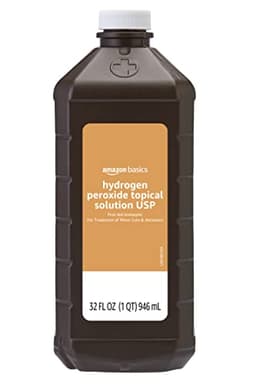
Standard drugstore 3% peroxide, diluted 1:2 or 1:3 with water for a one-time drench after repotting or a dip for trimmed roots. Cheap, effective as a supporting step — but only alongside cutting the dead roots and repotting, never on its own.
$1-$3 · Best for Disinfecting cut roots during a rot rescue
Check price on Amazon →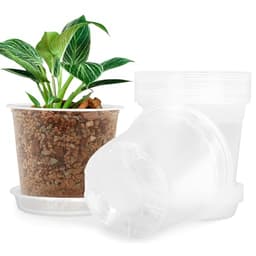
Plastic nursery pots with real drainage holes, sized snug to the surviving root ball. The right size matters — an oversized pot holds excess water and restarts the rot. Slip them inside a decorative cachepot if you want the look without the standing water.
$8-$16 · Best for Repotting a rescued plant into a pot that actually drains
Check price on Amazon →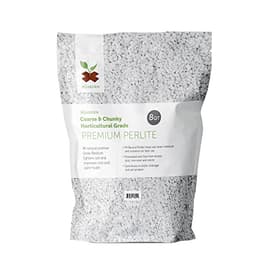
Perlite, orchid bark, or coarse pumice mixed into standard potting soil turns dense, soggy mix into an airy one that drains fast and gives roots oxygen. The single cheapest thing you can do to prevent root rot from coming back.
$10-$20 · Best for Building a fast-draining mix that resists rot
Check price on Amazon →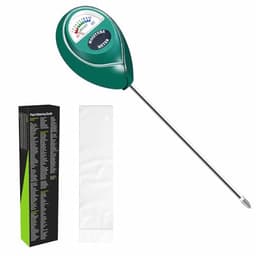
A probe that reads moisture at the root zone so you stop guessing. Water only when it reads dry. Not essential — the finger test works — but it takes the guesswork out for anyone who tends to overwater.
$10-$18 · Best for Overwaterers who want a clear signal before watering
Check price on Amazon →Treatment information on PlantFix is educational. When using any pesticide — including organic options like neem oil or insecticidal soap — read and follow the entire product label; the label is the law. For persistent or high-stakes problems, your local university extension service offers free, region-specific advice. Read about how we source and verify treatment guidance in our Editorial Standards.
FAQ
Can root rot spread to other plants?▼
Yes. The water molds and fungi that cause root rot spread through shared water, splashing, and unsterilized tools. Isolate a rotting plant from your collection, don't let pots share a drainage tray, and always wipe your scissors with rubbing alcohol between plants. The good news is that root rot doesn't travel through the air the way some leaf diseases do, so basic separation and clean tools are enough to contain it.
Does hydrogen peroxide hurt plants?▼
At the right dilution and used occasionally, no. A one-time drench of one part 3% hydrogen peroxide to two or three parts water is safe on most houseplants and helps disinfect cut roots. The risk comes from overuse — repeated, frequent, or undiluted drenches can damage fine feeder roots and beneficial soil organisms. Use it as part of a rot rescue, not as a routine watering additive.
How long does it take for roots to recover from root rot?▼
If the rescue worked, you'll usually see new white root tips within two to four weeks, and noticeable top growth within a month or two. Recovery is slower for plants that lost most of their roots — those may sit still for six to eight weeks while they rebuild underground before you see any new leaves. Patience is most of the cure; resist the urge to overwater or fertilize a recovering plant.
Can I put a root-rotted plant in water to save it?▼
Sitting a rotted root ball in water won't save it — that just keeps the dead roots wet. But for pothos, monstera, and other easy-to-root plants, cutting a healthy top section and rooting that cutting in water is an excellent rescue when the roots are too far gone. You're propagating a new plant from clean tissue rather than nursing rotted roots. Change the water every few days and pot up once the new water roots are an inch or two long.
Should I use a fungicide for root rot?▼
For a single houseplant, usually not. Root rot indoors is driven by overwatering, so the real cure is cutting the dead roots, repotting into fresh airy mix, and fixing your watering — a fungicide can't undo waterlogged soil. University extension programs reserve chemical fungicides mostly for commercial and greenhouse growers. Correct the conditions first; fungicide is a distant last resort.
Related
- Yellow Leaves on Plants: Every Cause & How to Fix It →
- Orchid Root Rot: How to Identify, Treat & Repot a Rotting Orchid →
- Money Tree Root Rot: The Rescue Repot & Braid Surgery That Save It →
- Houseplant Pests: Visual ID Guide to Every Bug on Your Indoor Plants →
- Fungus Gnats: How to Identify & Eliminate Them for Good →
- Hydrogen Peroxide for Fungus Gnats: The Exact Ratio & Why It Fails for Some People →
Not sure what's wrong?
Use the diagnosis tool →Get seasonal plant care reminders and pest alerts.