Money Tree Root Rot: The Rescue Repot & Braid Surgery That Save It
Soft spots on your money tree's trunk mean rot is already inside. The rescue: unpot, cut to clean tissue, and — if one braided strand is rotting — remove it to save the rest.
9 min read · Updated 2026-10-15
By PlantFix Editorial Team · Sources: University Extension Programs, USDA, EPA
Does Your Money Tree Have Root Rot? (Quick Answer)
Squeeze the trunk. That's the fastest, most reliable test there is. Work down each strand of the braid with a gentle pinch: healthy money tree trunk is uniformly firm, and rot announces itself as a section that gives under your fingers — spongy, soft, sometimes with darkened or wrinkled bark, usually starting at the soil line. Pair that with soil that stays wet for days, a sour or swampy smell from the pot, and yellowing, dropping leaves, and you have your answer.
If you caught it at the yellow-leaves-and-wet-soil stage with a still-firm trunk, you may only need to stop watering and fix the drainage — start with our yellow leaves guide. But a soft spot anywhere on the trunk means rot is established and waiting never helps: the rescue repot below is the plant's real chance. The one piece of good news is unique to money trees — because the "trunk" is usually three to five separate braided saplings, one strand can rot and die while its neighbors stay healthy, and cutting the dead one out saves the rest. That braid surgery is covered below.
Healthy vs. Rotted: What You'll Find When You Unpot
You can't fix what you can't see, and root rot happens below the soil line — so the diagnosis finishes with the plant out of its pot.
| Tissue | Healthy | Rotted |
|---|---|---|
| Roots | Firm, white to tan, hold together when touched | Brown to black, mushy, smell sour, outer layer slides off leaving a thread |
| Trunk base | Firm right down to the soil line | Soft, spongy, dark; may weep or smell fermented |
| Soil | Moist then drying within a week | Wet and heavy for a week or more, may grow mold |
The "slides off leaving a thread" test is the definitive one for roots: pinch a suspect root and pull gently. Rotted root cortex sheds like a wet paper sleeve, leaving the stringy core behind. University of Maryland Extension notes that by the time symptoms show above the soil, root damage is usually well underway — which is why the rescue below moves fast and cuts generously.
The Rescue Repot, Step by Step
Work over newspaper, with clean scissors or pruners and rubbing alcohol to sterilize between cuts.
- 1. Unpot and expose the roots. Slide the plant out and crumble away all the old, wet soil. Rinse the root ball under lukewarm water until you can see every root. The old soil is full of the pathogens that got you here — none of it goes back in the pot.
- 2. Cut every rotted root. Everything brown, black, mushy, or hollow gets cut back to firm, pale tissue. Sterilize the blades between cuts so you don't drag rot into clean wood. Be ruthless — a missed mushy root re-infects the fresh soil.
- 3. Deal with the braid (next section) if any trunk strand is soft.
- 4. Optional antiseptic pass. A soak of 1 part 3% hydrogen peroxide to 3 parts water, or a dusting of cinnamon on the cut faces, buys some insurance on the margins. Neither substitutes for the cutting — on a plant you never unpot, peroxide is mostly theater, as our general root rot guide explains.
- 5. Repot into fast-draining mix in a clean pot. A sandy, airy blend — cactus mix, or potting soil cut with a third perlite — in a pot with a real drainage hole, sized snug to the surviving roots. An oversized pot holds a jacket of wet soil the reduced root system can't drink.
- 6. Water once, lightly, then wait. Settle the soil with a light watering, then nothing until the top 2 inches are dry. No fertilizer for a month — burned, regrowing roots can't handle it.
- 7. Bright indirect light and patience. Expect some leaf drop while the plant rebalances. New growth within 4–8 weeks is the sign you won.
Braid Surgery: Removing One Dead Strand to Save the Rest
The braided money tree trunk isn't one plant — it's three to five young Pachira saplings woven together by the grower. They fuse a little where they touch, but each strand keeps its own roots and its own vascular system. That's why rot so often takes exactly one strand: it goes soft and dark from the soil line up while its neighbors stay green and firm.
Left in place, a dead strand rots against living tissue and spreads. Take it out: with the plant unpotted, follow the soft strand down to its own roots, gently unweave it from the braid (cut it free in sections if the braid is tight), and cut away any fused tissue back to clean wood on the survivors, sterilizing the blade as you go. It feels drastic and looks worse — a two- or four-strand braid where there were five — but the surviving strands close over and carry on, and the loose braid relaxes into its new shape within a season.
Check the survivors honestly before repotting: scratch a fingernail's width of bark at the base of each remaining strand. Green and moist underneath means alive; tan and dry means that strand is going too. A plant with even one healthy rooted strand is worth repotting — money trees rebuild from less.
Will It Survive? The Honest Odds
Call it by what you found:
- Roots mostly firm, trunk hard everywhere: excellent. This was early overwatering, not established rot. Fix the watering and drainage and it recovers fully.
- Some mushy roots, trunk firm: good. The rescue repot above usually saves it; expect a quiet month and some leaf drop before new growth.
- One soft braid strand, others firm: fair to good after braid surgery. The plant loses cosmetic fullness, not its life.
- Soft patches on every strand, or the base collapses when squeezed: poor. Rot inside the main trunk tissue can't be cut out the way roots can. Repot anyway if any strand passes the scratch test, but don't wait on a miracle — and don't blame yourself for a plant that was likely overpotted and overwatered from the store.
Prevention afterward is the same short list that would have avoided this: water only when the top 2 inches are dry, a pot that drains, sandy mix, and the trunk squeeze once a month when you water — it turns the next episode into a two-week fix instead of surgery. Wet soil also breeds fungus gnats; if you've had clouds of them, treat that as an overwatering alarm, not a separate problem.
Recommended Products
We earn a commission if you buy through these links, at no extra cost to you. We recommend based on what works, not what pays. How this works.
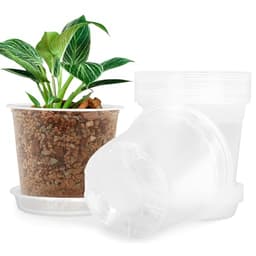
The rescue repot fails in a pot that can't drain. Plastic nursery pots with real holes, sized snug to the surviving roots, inside whatever decorative pot you like.
$8-$16 · Best for Repotting after rot — snug and draining beats big and pretty
Check price on Amazon →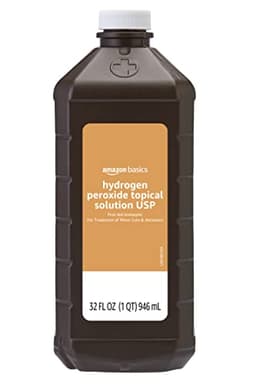
The standard drugstore bottle, diluted 1:3 with water as an antiseptic root soak during the rescue. A supporting act for the scissors, not a cure on its own.
$1-$3 · Best for Disinfecting trimmed roots mid-repot
Check price on Amazon →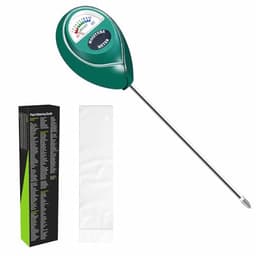
The relapse preventer. After a rescue repot, water by the meter — dry in the top half of the pot — instead of by habit, and the rot doesn't come back.
$10-$18 · Best for Keeping the recovered plant recovered
Check price on Amazon →Treatment information on PlantFix is educational. When using any pesticide — including organic options like neem oil or insecticidal soap — read and follow the entire product label; the label is the law. For persistent or high-stakes problems, your local university extension service offers free, region-specific advice. Read about how we source and verify treatment guidance in our Editorial Standards.
FAQ
How do I know if my money tree has root rot?▼
Gently squeeze the braided trunk from the soil line up: any soft, spongy section means rot. Confirm by unpotting — rotted roots are brown-to-black and mushy, and their outer layer slides off leaving a thread, while healthy roots are firm and pale. Wet soil that won't dry and a sour smell from the pot complete the picture.
Can a money tree recover from root rot?▼
Usually, if any part of the plant is still firm. Unpot it, cut every rotted root back to clean tissue, remove any soft braid strand entirely, and repot in fresh fast-draining mix in a pot with drainage. A money tree with even one healthy rooted trunk strand can rebuild. Only a plant soft through the base of every strand is truly past saving.
Should I remove a rotting trunk from a braided money tree?▼
Yes. The braid is separate saplings, each with its own roots, so one strand can die without taking the others — but left in the braid it rots against living tissue and spreads. Unweave the soft strand, cut it free at the base, trim any fused tissue back to clean wood, and repot the survivors.
Does hydrogen peroxide fix money tree root rot?▼
Not by itself. A dilute soak (1 part 3% peroxide to 3 parts water) is a reasonable antiseptic step during a rescue repot, but poured into the pot of a plant you never unpot it mostly fizzes on the surface while the rot continues below. The cutting and the fresh, fast-draining soil do the actual saving.
How long does a money tree take to recover from root rot?▼
Expect a quiet month after the rescue repot, often with some leaf drop, then new growth within 4–8 weeks if it's going to make it. Hold fertilizer for the first month, keep it in bright indirect light, and water only when the top 2 inches of soil are dry.
Related
- Money Tree Plant Problems: The Complete Troubleshooting Guide →
- Money Tree Yellow Leaves: 7 Causes and How to Fix Each →
- Money Tree Dying? The 2-Minute Triage That Tells You Which Problem You Have →
- Money Tree Drooping? Check the Soil Before You Water →
- How to Fix an Overwatered Plant (Root Rot Rescue) →
- Yellow Leaves on Plants: Every Cause & How to Fix It →
- Houseplant Pests: Visual ID Guide to Every Bug on Your Indoor Plants →
Plants Commonly Affected
Not sure what's wrong?
Use the diagnosis tool →Get seasonal plant care reminders and pest alerts.