Money Tree Drooping? Check the Soil Before You Water
A drooping money tree comes from both overwatering and underwatering — so check the soil first. Here's how to tell which, and how to get the leaves standing again.
8 min read · Updated 2026-10-15
By PlantFix Editorial Team · Sources: University Extension Programs, USDA, EPA
Why Your Money Tree Is Drooping (Quick Answer)
A drooping money tree is frustrating because the same symptom comes from opposite causes: both overwatering and underwatering make it wilt. So the one thing you must not do is water it on reflex — that's a coin flip that finishes off half the plants it's tried on. Instead, feel the soil first. Dry soil and a light pot mean it's thirsty, and a deep soak brings it back, often within a day. Wet soil, a heavy pot, and especially a soft spot on the trunk mean the opposite — the roots are drowning and rotting, and more water is the last thing it needs.
This is the money tree's central trap, and it's backed by how root rot works: University of Maryland Extension notes that root-rotted plants wilt and yellow "even when potting media moisture is adequate" — the rotted roots can't move water, so the plant droops as if parched while sitting in wet soil. Below, how to read which one you've got and fix it. If the plant is clearly crashing, our diagnosis tool and recovery schedules can walk you through the rescue.
Step 1: The Soil Check That Decides Everything
Push a finger 2 inches into the soil and lift the pot. You're sorting into one of two piles:
| Soil + pot | Plus these signs | Diagnosis |
|---|---|---|
| Dry, pot feels light | Curling leaflets, crispy edges, soil shrunk from the wall | Underwatering → soak |
| Wet, pot feels heavy | Yellowing, soft/spongy trunk spot, sour smell | Overwatering / root rot → do NOT water |
Then add the trunk squeeze. That braided trunk is semi-succulent and should feel firm everywhere; a strand that gives, feels spongy, or has darkened bark near the soil line means rot has already reached the trunk — which decides it as overwatering no matter what the surface soil feels like. When the two tests disagree (dry surface but soft trunk), trust the trunk.
If the Soil Is Dry: Underwatering Droop
An underwatered money tree droops because there simply isn't enough water in the soil to hold the leaves up. Alongside the wilt you'll usually see leaflets curling inward, edges going crispy, and the soil pulling away from the pot wall — and the whole pot lifts light. This is the good outcome, because it's the easy fix.
Give it a proper soak, not a sip. Either water slowly from the top until it runs freely from the drainage hole, or — better for soil that's gone so dry it repels water — sit the nursery pot in a few inches of room-temperature water for 20–30 minutes and let it drink from the bottom, then drain it fully. A money tree caught at the drooping stage usually perks up within a day. Afterward, don't overcorrect into a soggy schedule: water again only when the top 2 inches are dry. If the leaves were curling too, our curling guide covers the dry-air version of the same problem.
If the Soil Is Wet: Overwatering and Root Rot
A money tree drooping in wet soil is the dangerous case. The roots are suffocating in airless, waterlogged soil, dying, and rotting — and because dead roots can't take up water, the plant wilts exactly as though it were thirsty. This is the trap that kills money trees: it looks parched, so people water it, and they accelerate the rot.
Do the opposite. Stop watering, empty any saucer or cachepot, and move the plant somewhere bright and warm so the soil can dry. Then check the roots and trunk. If the trunk is still firm everywhere, you may have caught it early — improve drainage, let it dry hard, and it can recover. If you find a soft, mushy trunk section or you unpot it and find brown, slimy roots, rot is established and waiting only makes it worse: go to the money tree root rot rescue, which walks through the emergency repot and the braid surgery that can save the plant even when one strand has died. For a step-by-step recovery timeline, the treatment plans sequence it week by week.
If the Soil Is Fine: Shock, Drafts, and Repotting
Sometimes the soil is neither too wet nor too dry and the plant still droops. The usual reason is stress. Money trees are famously touchy about change — a recent move, a repot, a cold draft from a vent or window, or the trip home from the store can all make the plant wilt or shed leaves for a week or two while it adjusts. NC State Extension lists ideal temperatures around 65–75°F and advises bringing the plant indoors before it drops to 45°F; cold below that damages the foliage outright.
The move here is patience, not intervention. Put it in a stable spot with bright indirect light, away from vents and cold glass, keep watering normal (only when the top 2 inches are dry), and skip fertilizer until it recovers. A firm-trunked money tree that's drooping from shock almost always bounces back. If the droop drags on for weeks or is joined by a softening trunk, stop calling it shock and work through the full decline triage.
Recommended Products
We earn a commission if you buy through these links, at no extra cost to you. We recommend based on what works, not what pays. How this works.
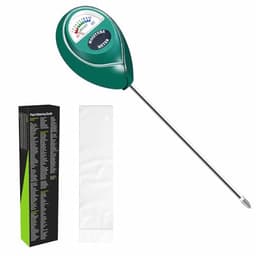
The fastest way to settle the wet-or-dry question that decides how to treat a drooping money tree. Water only when it reads dry in the top half — and never water a droop until you've checked.
$10-$18 · Best for Telling underwatering from overwatering before you act
Check price on Amazon →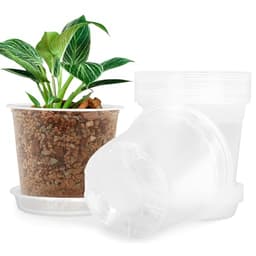
If the droop turns out to be rot, the rescue repot needs a snug, draining pot on hand the same day. Money trees left in sealed cachepots sit in the trapped water that caused the problem.
$8-$16 · Best for Same-day rescue repots when the trunk is soft
Check price on Amazon →A sandy, well-draining mix — potting soil cut with perlite, or a cactus blend — is the long-term fix for an overwatering-prone money tree. Dense, water-holding soil is what keeps the roots wet and drooping.
$10-$20 · Best for Repotting a money tree that keeps drooping in wet soil
Treatment information on PlantFix is educational. When using any pesticide — including organic options like neem oil or insecticidal soap — read and follow the entire product label; the label is the law. For persistent or high-stakes problems, your local university extension service offers free, region-specific advice. Read about how we source and verify treatment guidance in our Editorial Standards.
FAQ
Why is my money tree drooping?▼
Drooping comes from water stress in either direction — the trick is which one. Dry soil and a light pot mean underwatering, fixed by a deep soak. Wet soil, a heavy pot, or a soft trunk spot mean overwatering and root rot, where more water makes it worse. Always check the soil and squeeze the trunk before deciding.
Will an overwatered money tree recover from drooping?▼
It can, if you catch it before the trunk goes soft. Stop watering, let the soil dry out, and improve drainage. If the trunk is still firm everywhere, recovery is likely. If you find a mushy trunk section or brown, slimy roots, root rot is established and the plant needs an emergency repot to have a chance.
How long does it take a money tree to perk up after watering?▼
An underwatered money tree usually recovers within a day or two of a deep soak — leaves that were merely limp lift back up as the plant rehydrates. If it's been more than a few days with no improvement despite moist soil, the problem isn't thirst; check the trunk and roots for rot, because a drooping plant in wet soil needs the opposite treatment.
Why is my money tree drooping after repotting?▼
Repotting shock. Money trees are unusually sensitive to root disturbance and routinely droop or drop leaves for a week or two after being repotted or moved. If the trunk is firm, keep it in a stable, bright, draft-free spot, water only when the top 2 inches are dry, and hold off on fertilizer — it typically recovers on its own within a couple of weeks.
Related
- Money Tree Plant Problems: The Complete Troubleshooting Guide →
- Money Tree Root Rot: The Rescue Repot & Braid Surgery That Save It →
- Money Tree Yellow Leaves: 7 Causes and How to Fix Each →
- Money Tree Leaves Curling: Causes and How to Uncurl Them →
- Money Tree Dying? The 2-Minute Triage That Tells You Which Problem You Have →
- How to Fix an Overwatered Plant (Root Rot Rescue) →
- Yellow Leaves on Plants: Every Cause & How to Fix It →
Plants Commonly Affected
Not sure what's wrong?
Use the diagnosis tool →Get seasonal plant care reminders and pest alerts.