Money Tree Dying? The 2-Minute Triage That Tells You Which Problem You Have
A dying money tree is usually one of four things: rot, thirst, shock from a move, or cold. The trunk squeeze and a scratch test sort them in two minutes.
9 min read · Updated 2026-10-15
By PlantFix Editorial Team · Sources: University Extension Programs, USDA, EPA
Is Your Money Tree Actually Dying? (Quick Answer)
Two tests, two minutes. First, squeeze the trunk — every strand of the braid, from the soil line up. Firm everywhere means the plant's plumbing is intact, and whatever's wrong is recoverable. Any soft, spongy section means rot, and you should act today. Second, scratch-test: nick a fingernail's width of bark low on a strand. Green and moist underneath means that strand is alive no matter how bad the leaves look; tan and dry means that strand is dead wood.
Here's the reassuring part: a money tree that's dropping leaves — even lots of them, even green ones — but passes both tests is almost never dying. It's stressed, usually by a move, a draft, or the seasons changing, and money trees respond to stress by shedding leaves first and asking questions later. The four causes below cover nearly every "dying" money tree; match your symptoms and follow the branch. If yellowing leaves are the main event, start with the yellow leaves diagnostic instead, and for a soft trunk go straight to root rot rescue.
The Four Ways Money Trees Decline
| What you see | Trunk test | Diagnosis | Urgency |
|---|---|---|---|
| Yellowing, dropping leaves; wet soil; sour smell | Soft spot(s) | Root rot | Act today |
| Drooping, wrinkled or curling leaves; bone-dry soil; light pot | Firm (may look wrinkled) | Severe underwatering | Fix this hour — it recovers fast |
| Green leaves dropping after a move, repot, or new home | Firm | Relocation shock | Wait — do not overcorrect |
| Sudden limp, dark, or translucent leaves after a cold night or by a vent | Firm | Cold damage | Relocate now, then wait |
Drooping deserves one clarification, because it drives the most panic: on a money tree, droop means a water-delivery problem in one direction or the other. Dry soil plus droop is thirst — a deep soak restores it, often overnight. Wet soil plus droop is rot starving the leaves of water from below. The soil, not the droop, tells you which — never water a drooping plant without checking first.
Branch 1: Rot (Soft Trunk — Act Today)
A soft trunk section means the problem is established and below the soil line, and no watering adjustment fixes it from above. The move is a same-day rescue repot: unpot, strip the wet soil, cut every brown mushy root back to clean tissue, remove any fully soft braid strand, and repot in fresh, sandy, fast-draining mix in a snug pot with drainage.
The full walkthrough — including the braid surgery for cutting one dead strand out of the weave, and the honest prognosis table — is in our money tree root rot guide. The short version of the odds: firm anywhere means worth saving; soft through the base of every strand means it's time to say goodbye. Afterward, water only when the top 2 inches of soil are dry, and squeeze the trunk monthly so a relapse gets caught in week one.
Branch 2: Severe Underwatering (The Fast Comeback)
The most dramatic-looking money tree collapse is often the easiest fix. Weeks of missed waterings drain even the trunk's reserves: leaves droop and curl, some yellow with crispy brown edges, the soil shrinks away from the pot wall, and the pot feels weirdly light. The trunk may even look faintly wrinkled — but it stays firm, which is how you know this isn't rot.
Rehydrate from the bottom: sit the pot in a basin with a few inches of lukewarm water for 20–30 minutes, until the surface darkens, then drain fully. (Water poured on hydrophobic dry peat mostly races down the crack between soil and pot and out the bottom — bottom-soaking actually rewets the root ball.) Expect visible recovery within a day or two; leaves that crisped fully are gone, but the plant replaces them. Then set a sustainable rhythm — top 2 inches dry, then soak — instead of swinging to daily watering, which just books an appointment with Branch 1.
Branch 3: Relocation Shock (The One You Wait Out)
Money trees are famous leaf-droppers. Bring one home from the store, move it to a new room, repot it, or even shift it across a window, and it can shed a startling flush of leaves — often perfectly green ones — over the following two or three weeks. The plant is recalibrating to a new light level and humidity, and dropping foliage it can't yet support is its standard move.
The test is the timeline plus the trunk: leaf drop that started within a few weeks of a change, on a plant that squeezes firm and scratches green, is shock. The treatment is restraint. Put it in bright indirect light away from vents, water only when the top 2 inches are dry, and change nothing else — no fertilizer, no second move, no repot, none of the panic-care that turns a temporary wobble into a real problem. New buds typically appear within a month or two. The worst thing you can do to a shocked money tree is drown it in help.
Branch 4: Cold Damage (Relocate, Then Be Patient)
A tropical wetland tree has no tolerance for the cold side of a window in January or the blast from an A/C vent. After a cold night or a draft exposure, damaged leaves go limp, dark, sometimes water-soaked or translucent, then dry out and drop — concentrated on the exposed side of the plant. Sustained temperatures below roughly 50°F do the damage; a stable 65–80°F is the target.
Move it out of the draft line immediately — a few feet from the glass, away from doors and vents. Then wait before pruning: leaves that took the hit won't recover, but stems often will, and what looks dead in week one frequently scratch-tests green in week three. Trim off only what has fully dried and crisped, and let the plant show you in spring what's actually gone.
Is It Actually Dead? (Scratch Before You Toss)
A money tree with no leaves at all is not necessarily a dead money tree. Leaves are the first thing the plant sacrifices under any serious stress; the trunk is the last thing to go. Before the bin: scratch-test each braid strand near its base. Any green under the bark means live tissue and a real chance — bare strands push new buds directly from the trunk once conditions improve, usually within four to eight weeks in good light.
Give a leafless-but-green money tree bright indirect light, water only when the top 2 inches are dry (a leafless plant drinks very little — this is where many recoveries get drowned), and no fertilizer until new leaves are actually growing. If every strand scratches tan and dry from soil to tip, and the trunk is light, brittle, or collapsing — that's the real end. When it was rot that took it, don't reuse the soil for the replacement.
Recommended Products
We earn a commission if you buy through these links, at no extra cost to you. We recommend based on what works, not what pays. How this works.
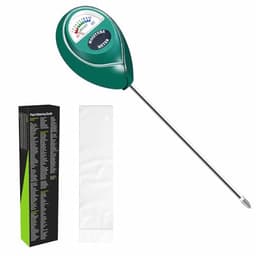
Half of 'dying' money trees are watering misreads in one direction or the other. A probe that reads the root zone replaces the guesswork with a go/no-go answer.
$10-$18 · Best for Telling thirst from rot before you treat the wrong one
Check price on Amazon →
Cheap confirmation of what the air near the plant is actually doing — cold drafts and bone-dry heating air are two of the four decline branches, and both show up on the display.
$8-$15 · Best for Ruling drafts and dry air in or out during triage
Check price on Amazon →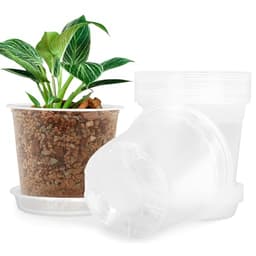
If triage lands on rot, the rescue repot needs a snug, draining pot on hand the same day. Keep a size run in the closet and surgery never waits on shipping.
$8-$16 · Best for Same-day rescue repots
Check price on Amazon →Treatment information on PlantFix is educational. When using any pesticide — including organic options like neem oil or insecticidal soap — read and follow the entire product label; the label is the law. For persistent or high-stakes problems, your local university extension service offers free, region-specific advice. Read about how we source and verify treatment guidance in our Editorial Standards.
FAQ
How do I revive a dying money tree?▼
Diagnose before you treat: squeeze the trunk (soft = rot, needs an emergency repot today) and check the soil (bone-dry = soak it from the bottom for 20–30 minutes; recovery is fast). If the trunk is firm and the decline followed a move or cold exposure, the fix is a good spot and patience — money trees shed leaves under stress and regrow within a month or two.
Why is my money tree dropping green leaves?▼
Green leaf drop is the money tree's stress response, and it's most often relocation shock — a move, a repot, or coming home from the store. If the trunk is firm and the timing matches a change, wait it out in bright indirect light without extra water or fertilizer. Green drop concentrated on one side points to a cold draft on that side instead.
What does an overwatered money tree look like?▼
Yellowing lower leaves, soil that stays wet for a week or more, sometimes a sour smell — and in later stages, soft spongy sections on the braided trunk and drooping despite the wet soil. The trunk squeeze is the confirmation: any give means rot has started and the plant needs an immediate repot, not a drier schedule.
Is my money tree dead if all the leaves fell off?▼
Not necessarily. Scratch a small nick of bark near the base of each braided strand: green and moist underneath means it's alive and can regrow leaves directly from the trunk, typically within 4–8 weeks in bright indirect light. Only when every strand shows dry tan wood under the bark is it actually gone.
Should I repot a struggling money tree?▼
Only if the trunk has soft spots or the soil won't dry — that's rot, and repotting is the treatment. For a struggling money tree with a firm trunk, repotting adds shock on top of stress and usually makes things worse. Fix light, water, and placement first, and repot healthy plants in spring, not sick ones in crisis.
Related
- Money Tree Plant Problems: The Complete Troubleshooting Guide →
- Money Tree Root Rot: The Rescue Repot & Braid Surgery That Save It →
- Money Tree Yellow Leaves: 7 Causes and How to Fix Each →
- Money Tree Drooping? Check the Soil Before You Water →
- How to Fix an Overwatered Plant (Root Rot Rescue) →
- Yellow Leaves on Plants: Every Cause & How to Fix It →
- Houseplant Pests: Visual ID Guide to Every Bug on Your Indoor Plants →
Plants Commonly Affected
Not sure what's wrong?
Use the diagnosis tool →Get seasonal plant care reminders and pest alerts.