Money Tree Plant Problems: The Complete Troubleshooting Guide
Money tree looking sick? Almost every problem traces back to overwatering, light, or dry air. Diagnose yellowing, drooping, curling, leaf drop, and pests here.
10 min read · Updated 2026-10-15
By PlantFix Editorial Team · Sources: University Extension Programs, USDA, EPA
The Fastest Way to Diagnose a Money Tree Problem
Before anything else, do two 10-second tests: squeeze the trunk and feel the soil. A firm trunk plus wet soil that won't dry means you're overwatering — the single most common money tree problem by a wide margin. A firm trunk plus bone-dry, light-as-air soil means underwatering. A soft, spongy spot anywhere on the braided trunk means root rot has already climbed inside, and that's the one problem you fix today, not next week.
That's not an exaggeration for effect: the money tree (Pachira aquatica) is a wetland tree that NC State Extension lists as native to freshwater swamps, estuaries and riverbanks from southern Mexico to Bolivia — yet in a pot it is killed by the watering can more than by everything else combined. In the wild its roots sit in moving, oxygen-rich water that drains and floods; in a saucer, water just sits, goes stagnant and airless, and the roots suffocate. Get watering right and you've solved the majority of money tree problems before they start. Below is the master diagnostic, then a link to the detailed fix for each symptom. Not sure what you're looking at? Our plant diagnosis tool reads it from a photo.
Money Tree Symptom Diagnostic Chart
Match what you're seeing to a row, then jump to the full guide for that symptom.
| What you see | Most likely cause | Where to go |
|---|---|---|
| Yellow leaves, wet soil, maybe a soft trunk | Overwatering / root rot | Yellow leaves |
| Soft, mushy, or dark spot on the braided trunk | Root rot (established) | Root rot rescue |
| Whole plant limp, leaves hanging down | Water stress (either direction) | Drooping |
| Leaves curling inward, cupping, or edges rolling | Underwatering, dry air, or mites | Curling leaves |
| Dropping leaves, often green, after a move or cold night | Shock / drafts | Dying / leaf drop |
| Fine webbing, dusty look, yellow speckling on undersides | Spider mites | Spider mites |
| Sticky residue, brown bumps, or cottony white tufts | Scale or mealybugs | Scale / mealybugs |
Overwatering: The Problem Behind Most Other Problems
If you remember one thing about money trees, make it this: yellowing, dropping, wilting, and rot are usually the same problem wearing different masks, and that problem is too much water. When soil stays soggy, the fine feeder roots can't get oxygen, they die and rot, and a plant with dead roots can't move water even though it's sitting in it. University of Maryland Extension makes the cruel twist explicit: root-rotted plants show wilting and yellowing "even when potting media moisture is adequate" — which is exactly why so many people respond to a drooping, yellowing money tree by watering it more and finish it off.
The money-tree-specific tell is the trunk. That braided "trunk" is really three to five separate young trees woven together, and it's semi-succulent — it stores water, so a healthy one feels firm like a broom handle. Work down each strand with a gentle pinch. Any section that gives, feels spongy, or shows dark wrinkled bark near the soil line is rotting from the inside. Soft trunk + wet soil = overwatering, full stop, no matter how little you think you water. A pot with no drainage hole, a decorative cachepot that traps runoff, or a dense peat mix that never dries will overwater the plant for you. Firm trunk but wet soil? Stop watering and let it dry. Found a soft spot? Go straight to the root rot rescue — there's a braid-surgery trick, unique to money trees, that can save the plant even when one strand is already dead.
Light, Temperature, and the Famous Leaf Drop
Money trees are sold as low-light plants, and they do survive low light — but survive isn't thrive. Too far from a window and the plant fades its older leaves to a pale, washed-out yellow-green, drops them, and stretches leggy toward the light. NC State Extension recommends indirect light and warns that direct exposure damages the leaves, so the target is bright indirect light: near an east window, or a few feet back from a south or west one.
Temperature is where money trees earn their drama-queen reputation. They want a stable range — NC State lists roughly 65–75°F as ideal and says to bring the plant indoors before temperatures fall to 45°F. Sudden swings from an A/C vent, a heat register, a drafty window, or an exterior door trigger the leaf drop this species is famous for, often within days. So does any move: repotting, rearranging, or the trip home from the store routinely makes a money tree shed a flush of leaves — sometimes green ones — for no other reason than it got jostled. If leaf drop followed a move or a cold snap and the trunk is firm, don't compensate with water or fertilizer; give it a good stable spot and leave it alone. It usually regrows within a month or two. The full triage is in the is-my-money-tree-dying guide.
Dry Air and Pests (Mostly Spider Mites)
The money tree's number-one pest is the spider mite, and it's a dry-air problem as much as a bug problem. University of Minnesota Extension notes that spider mites prefer warm, dry, low-humidity conditions and "often become a problem in November when the heat comes on and the air is drier" — which is precisely when money trees, sitting in heated living rooms, get hit. The tell is fine yellow stippling (hundreds of pinprick specks), a dusty look to the leaves, and faint webbing where the leaflets meet the stalk. Hold a bright light to the undersides or tap a leaf over white paper and watch for moving dots. Heavily infested leaves eventually yellow and drop.
Caught early, mites lose to a hard shower and two or three rounds of insecticidal soap or horticultural oil, on the schedule in our spider mite guide. NC State also lists aphids, mealybugs, scale, and fungus gnats as money tree pests: sticky residue with brown bumps points to scale, cottony white tufts to mealybugs, and little flies rising from the soil to fungus gnats — a sign, incidentally, that the soil is staying too wet.
The Care Routine That Prevents Most of This
Money trees fail in predictable ways, so prevention is short and specific:
- Water deeply, then wait. Soak until water drains from the bottom, then don't water again until the top 2 inches of soil are completely dry — roughly every 1–2 weeks in the growing season, every 3–4 weeks in winter. The water-storing trunk means the plant forgives dryness far more easily than sogginess, so when in doubt, wait. A soil moisture meter ends the guesswork.
- Fast-draining soil, in a pot with a real hole. Standard potting soil cut with a third perlite, or a cactus blend, recreates the drained-flood cycle the species evolved for. No-drainage pots are how firm trunks go soft.
- Bright indirect light, stable temperature. Away from vents, doors, and cold glass.
- Humidity blunts the mites. Normal household humidity is fine, but in dry winter air a pebble tray or small humidifier keeps spider mites from getting a foothold.
One piece of good news that sets the money tree apart: the ASPCA classifies it as non-toxic to cats, dogs, and horses (toxic principles: none), though like any plant it can cause mild stomach upset if a pet eats it. For the full light-water-soil rundown, see the money tree care profile.
Recommended Products
We earn a commission if you buy through these links, at no extra cost to you. We recommend based on what works, not what pays. How this works.
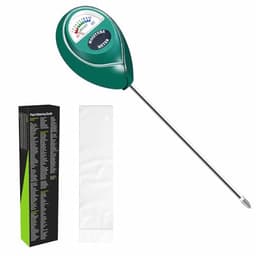
Reads moisture at the root zone so you stop watering on guesswork — the single best defense against the overwatering behind most money tree problems. Water only when it reads dry in the top half of the pot.
$10-$18 · Best for Anyone whose money tree struggles on a 'regular' watering schedule
Check price on Amazon →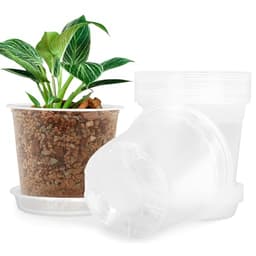
A plastic nursery pot with real drainage, slipped inside the decorative pot. Money trees left sitting in sealed cachepots stew in trapped runoff — this keeps the look and loses the rot.
$8-$16 · Best for Replacing a no-drainage pot before it costs you the trunk
Check price on Amazon →
Dry winter heating air is when spider mites — the money tree's top pest — get established. A small humidifier nearby keeps humidity up and mites out.
$25-$45 · Best for Money trees near a heat vent in winter
Check price on Amazon →Treatment information on PlantFix is educational. When using any pesticide — including organic options like neem oil or insecticidal soap — read and follow the entire product label; the label is the law. For persistent or high-stakes problems, your local university extension service offers free, region-specific advice. Read about how we source and verify treatment guidance in our Editorial Standards.
FAQ
What is the most common money tree problem?▼
Overwatering, by a wide margin. Money trees are wetland trees but their potted roots suffocate in soggy soil, causing root rot. The symptoms — yellowing, drooping, and dropping leaves — often look like thirst, so people water more and make it worse. When in doubt, let the soil dry and squeeze the trunk for soft spots.
How do I know if my money tree is overwatered or underwatered?▼
Feel the soil and lift the pot. Wet soil with a limp plant, yellow leaves, or a soft trunk spot means overwatering and likely root rot. Bone-dry soil, a pot that feels light, and curling or crispy-edged leaves mean underwatering. The trunk squeeze settles it: a soft, spongy strand only ever comes from too much water.
Why does my money tree keep dropping leaves?▼
Money trees shed a flush of leaves — often green ones — after any move, repot, or temperature change, and after cold drafts from vents or windows. If the trunk is firm, it's stress, not death: give it a stable bright spot and leave it alone, and it regrows in a month or two. Persistent drop with a soft trunk means root rot instead.
How often should I water a money tree?▼
Water thoroughly until it drains, then wait until the top 2 inches of soil are completely dry — roughly every 1–2 weeks in the growing season and every 3–4 weeks in winter. The braided trunk stores water, so the plant recovers from too dry far more easily than from too wet. Always check the soil before watering rather than following a fixed calendar.
Are money trees toxic to cats and dogs?▼
No. The ASPCA classifies the money tree (Pachira aquatica) as non-toxic to cats, dogs, and horses, with no listed toxic principles — one of the safest popular houseplants for a home with pets. As with any plant, a pet that eats the leaves may get mild, temporary stomach upset, but it isn't poisonous.
Related
- Money Tree Yellow Leaves: 7 Causes and How to Fix Each →
- Money Tree Root Rot: The Rescue Repot & Braid Surgery That Save It →
- Money Tree Dying? The 2-Minute Triage That Tells You Which Problem You Have →
- Money Tree Drooping? Check the Soil Before You Water →
- Money Tree Leaves Curling: Causes and How to Uncurl Them →
- Spider Mites: Identification, Treatment & Prevention Guide →
- How to Fix an Overwatered Plant (Root Rot Rescue) →
- Yellow Leaves on Plants: Every Cause & How to Fix It →
- Houseplant Pests: Visual ID Guide to Every Bug on Your Indoor Plants →
Not sure what's wrong?
Use the diagnosis tool →Get seasonal plant care reminders and pest alerts.