Christmas Cactus Root Rot: Save It or Restart From Segments
A mushy, collapsing Christmas cactus has root rot. Here's the save-or-toss root check, the step-by-step rescue, and how to restart it from healthy segments.
8 min read · Updated 2026-10-14
By PlantFix Editorial Team · Sources: University Extension Programs, USDA, EPA
Mushy at the Base? That's Rot — Here's the Save-or-Toss Call
If the lowest segments of your Christmas cactus are soft, dark, or translucent and the soil is still wet, the roots are rotting — and the one number that decides whether it lives is how much firm tissue is left. Squeeze a base segment first: mushy and wet means rot (keep reading); firm but limp on dry soil means it's just thirsty, which is a completely different, easier fix covered in our drooping Christmas cactus guide. Don't treat a thirsty plant for rot.
Once you're sure it's rot, the go/no-go is simple and you make it with the plant out of its pot:
| What you find | Verdict | Move |
|---|---|---|
| Roots firm and pale, base firm, only the mix is soggy | Caught early | Dry it out, repot in gritty mix |
| Some mushy roots but a firm main stem and healthy segments | Worth the surgery | Cut to clean tissue, repot the firm part |
| Main stem mushy and brown through, roots black and sour | Gone in place | Restart from healthy segment cuttings |
Overwatering is the real killer here, not neglect. University of Minnesota Extension is blunt: "Root rot (loss of roots due to overly wet soil) is one of the most common causes of death in these plants." To confirm rot from a photo before you unpot, our plant diagnosis tool reads it from a picture.
Why Holiday Cacti Rot in Winter — It's the Fussing, Not Neglect
Christmas cactus rots most in December, and almost always for the same reason: the plant arrives as a gift or gets moved to a display spot right when indoor heat is running and everyone is hovering over the watering can. Short days, a cool slow-draining room, and watering on the old schedule add up to soil that never dries. University of Minnesota Extension notes these plants "will not grow well in heavy, wet soils" and warns you not to "allow plants to sit in excess water after rainfall or watering."
The part that fools everyone is that rot looks exactly like thirst. When the roots suffocate in wet mix they can no longer draw water up, so the segments go limp — and the owner, seeing a wilting plant, waters it more. UMN names the trap directly: "if water has been abundant ... and plants appear wilted, they may be suffering from too much water." University of Maryland Extension describes the same paradox for any houseplant: rotted roots make a plant "wilt even when adequate moisture is present in the potting media," and the roots themselves turn "brown to black and soft or mushy."
So a limp Christmas cactus sitting in damp soil is the signal to stop watering and check the roots, not to give it a drink.
Unpot, Cut Back to Firm Tissue, Then Leave It Dry
If there's any firm stem left, here's the rescue, done in one sitting over a sink:
1. Unpot and rinse. Slide it out and wash the soil off the roots so you can see exactly what's firm and what's rotten. The old mix is where the water molds live — it's not going back in.
2. Cut to clean, white tissue. With a blade wiped in rubbing alcohol, cut away every soft, brown, mushy root and any segment whose base is soft, until the cut faces are pale and solid with no brown streaks. UMD's rule for rotted plants is to "throw away severely infected plants and only take stem cuttings from healthy tissue" — so if the whole base is mush, skip to the segment restart below.
3. Let the cuts callus. Leave the trimmed plant out of soil for a day or two so the wounds dry over. A dry, sealed cut resists re-infection far better than a wet one dropped straight back into mix.
4. Repot into a gritty, fast-draining mix — a cactus-and-succulent mix cut with extra perlite or bark — in a pot with a drainage hole sized snug to the surviving roots. An oversized pot holds water the small root system can't use and simply restarts the rot.
5. Then wait — don't water for about a week. The reduced roots can't drink much, and watering now just feeds any rot you missed. Our root rot rescue guide covers the mechanics in full, and the recovery treatment plan sequences the weeks that follow.
Base Gone? Restart It From Healthy Segments
Here's the move generic "just repot it" advice skips, and it's why a Christmas cactus is one of the hardest houseplants to actually lose: even when the base has rotted through, the plant usually survives as cuttings. Christmas cactus roots almost effortlessly from its flat segments, so before you bin anything, harvest the insurance.
Snip a few of the healthiest, firmest segment chains — two or three segments each — from well above any soft or discolored tissue. Pinch or twist them off cleanly at a joint. Let the cut ends dry and callus for a day or two (the same reason you callus the main plant's cuts), then lay or lightly insert them into barely-moist gritty mix, cut end down. Keep them bright, warm, and on the dry side; they root faster in soil that's nearly dry than in soil you keep watering. Roots form over a few weeks, and new growth from the tips tells you it took.
This also means a badly rotted plant isn't a failure — it's a propagation. Take more cuttings than you think you need and you'll likely end up with a healthier plant than the one that rotted. One reassurance for the gift-plant crowd: Christmas cactus is non-toxic to cats and dogs per the ASPCA, so segments rooting on a windowsill are safe around pets — unlike the poinsettia and amaryllis it shares the holiday table with.
The Winter Watering Routine That Prevents a Repeat
Rot is a soil-and-water problem, so the fix that sticks is a routine, not a product:
Drainage first. Only pot into containers with a drainage hole, and never leave the plant standing in a saucer or decorative sleeve that holds water — UMN's own instruction is not to "allow plants to sit in excess water." A chunky cactus mix cut with perlite does as much to prevent rot as careful watering.
Water by the soil, not the calendar. UMN's guidance is to "allow soil to dry out between watering," then water thoroughly and let it drain fully. In a cool, low-light winter room the mix dries slowly, so stretch the interval rather than watering on the December schedule that caused the problem. A cheap moisture meter removes the guesswork entirely.
Right spot, cool nights. UMN recommends a "cool, bright location with daytime temperatures of 65 to 70 degrees Fahrenheit and evening temperatures of 55 to 65 degrees." Keep it off hot dry heat vents, which push you back toward over-watering to compensate.
Get the pot, the mix, and the watering interval right and a holiday cactus will outlive most of the plants you bought the same winter.
Recommended Products
We earn a commission if you buy through these links, at no extra cost to you. We recommend based on what works, not what pays. How this works.
A chunky, airy mix (or standard mix cut with extra perlite and bark) drains fast enough to keep a rainforest cactus's roots from suffocating. The right substrate does as much to stop rot from returning as careful watering does.
$10-$18 · Best for Repotting a rotted plant or fixing soggy, slow-draining soil
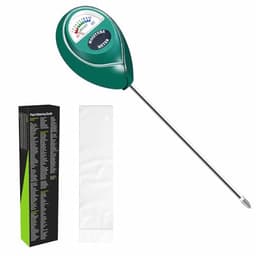
The simplest guard against the winter overwatering that rots holiday cacti. Check the lower half of the pot before every watering and only water when it reads dry — it removes the guesswork that kills these plants in cool, low-light rooms.
$10-$20 · Best for Preventing the wet-soil rot that causes most Christmas cactus losses
Check price on Amazon →Treatment information on PlantFix is educational. When using any pesticide — including organic options like neem oil or insecticidal soap — read and follow the entire product label; the label is the law. For persistent or high-stakes problems, your local university extension service offers free, region-specific advice. Read about how we source and verify treatment guidance in our Editorial Standards.
FAQ
Can you save a Christmas cactus with root rot?▼
Often, yes, if any firm tissue remains. Unpot it, cut away every brown mushy root and soft segment back to clean white tissue, let the cuts callus for a day or two, and repot the firm part into gritty, fast-draining mix — then don't water for about a week. If the whole base is mush, the plant still survives: root a few healthy segment cuttings, which Christmas cactus does easily.
How do I tell Christmas cactus root rot from thirst?▼
Squeeze a base segment and feel the soil. Mushy, soft, dark segments on soil that's still wet means root rot — stop watering and check the roots. Firm but limp or wrinkled segments on bone-dry soil means thirst, which a thorough watering fixes within a day or two. Our drooping Christmas cactus guide walks that firm-vs-mushy fork in full.
Why does my Christmas cactus rot every winter?▼
Almost always overwatering into slow-draining soil during the cool, low-light winter months — exactly when people fuss over a blooming or gifted plant. The mix stays wet for days, the roots suffocate, and the plant wilts as if thirsty, prompting more water. Switch to a gritty mix in a pot with drainage, let the soil dry between waterings, and never let it sit in a saucer of water.
Can you propagate a rotting Christmas cactus?▼
Yes, and it's the best insurance against losing one. Cut two-to-three-segment chains from firm, healthy tissue well above any soft or discolored parts, let the cut ends callus for a day or two, then set them in barely-moist gritty mix and keep them on the dry side. They root over a few weeks. Take several cuttings so you have backups if the parent plant doesn't recover.
Related
- Christmas Cactus Drooping? Check Mushy vs. Firm First →
- How to Fix an Overwatered Plant (Root Rot Rescue) →
- Snake Plant Root Rot: How to Save It (Rhizome Check First) →
- Money Tree Root Rot: The Rescue Repot & Braid Surgery That Save It →
- Aloe Vera Dying? Check the Base Before You Toss It →
- Why Is My Plant Dying? Start With the Alive-or-Dead Check →
Not sure what's wrong?
Use the diagnosis tool →Get seasonal plant care reminders and pest alerts.