Christmas Cactus Drooping? Check Mushy vs. Firm First
A limp, drooping Christmas cactus is either rotting or thirsty — opposite fixes. Squeeze the base: mushy on wet soil means rot, firm on dry soil means thirst.
8 min read · Updated 2026-09-30
By PlantFix Editorial Team · Sources: University Extension Programs, USDA, EPA
Start With a Squeeze at the Base
Before you water, feed, or repot anything, do one thing: pinch the lowest one or two segments near the soil line and feel the soil. A drooping Christmas cactus splits into two opposite problems, and this 10-second check tells you which one you have.
Mushy, soft, dark segments and soil that's still wet → root or stem rot. The fix is to do less — stop watering, get it out of the wet mix, and check the roots. Watering more will finish it off.
Firm but limp or wrinkled segments and soil that's bone dry → thirst or heat stress. This one wants a thorough drink and a spot away from the heat vent.
That single fork decides everything below, because Christmas cactus (Schlumbergera) is one of the few plants where the two most common causes of the same symptom need the exact opposite response. Overwatering is the bigger killer: the University of Minnesota Extension calls root rot from "overly wet soil ... one of the most common causes of death in these plants." If you want a photo confirmation of which way yours is going, our plant diagnosis tool reads it from a picture.
It's Not a Desert Cactus — That's the Whole Confusion
Most drooping Christmas cacti are killed by advice meant for a different plant. Despite the name, Schlumbergera is a rainforest epiphyte, not a desert succulent. University of Minnesota Extension is blunt about it: these plants are "native to rainforests" and want "relatively moist soil for most of the year," which "sets these plants apart from most cacti and succulents." Iowa State University Extension puts it even more directly: "Unlike desert cacti, holiday cacti shouldn't stay dry."
So neither extreme works. Treat it like a true cactus and let it shrivel bone-dry for weeks, and it droops from thirst. Treat it like a thirsty tropical and keep the mix soggy, and the roots rot. The reason people get it wrong in December is that the plant usually arrives — gifted, bought, or moved to a display spot — right when indoor heat is running, the light has changed, and everyone is second-guessing the watering can. The good news: read the base-squeeze correctly and the recovery is usually straightforward.
Path A — Soft and Mushy: Root or Stem Rot
If the base segments are soft, the color is dark or translucent rather than a healthy matte green, and the soil has stayed wet, you're looking at rot. This is the winter trap: it's easy to keep watering on the same schedule when the days are short, the plant is barely growing, and the pot is draining slowly in a cool room. University of Minnesota Extension notes the tell that trips everyone up — "if water has been abundant ... and plants appear wilted, they may be suffering from too much water." A wilting plant looks thirsty, so people water it more, which is exactly wrong.
What's happening under the soil is the same as any houseplant root rot: the roots suffocate in airless, wet mix and can no longer move water up to the segments — so the plant wilts even though it's surrounded by moisture. University of Maryland Extension describes rotted roots as "brown to black and soft or mushy" and the plant showing "wilting ... even when potting media moisture is adequate."
What to do: stop watering immediately and move it out of any decorative pot or saucer holding water. Slide it out and look at the roots and the base. If the roots are firm and pale, you caught it early — let the mix dry out most of the way and repot into a chunky, fast-draining mix (a cactus mix cut with extra perlite or bark works). If the base is mush and the roots are black, treat it as a rescue: cut back to firm, clean tissue, and — this is the insurance move — snip a few of the healthiest firm segments and lay them on top of fresh mix to root as backups. Christmas cactus propagates almost effortlessly from segments, so even a plant that's too far gone at the base usually lives on as cuttings. Our root rot rescue guide walks the full repot step by step, and the recovery treatment plan lays out the weeks after.
Path B — Firm but Limp: Thirst, Dry Air, or Heat
If the segments are limp or slightly wrinkled but still firm when you squeeze them, and the soil is dry all the way through, the plant is simply thirsty — often made worse by the dry, hot air near a radiator, wood stove, or heat vent that runs all winter. Remember these want moist soil most of the year, not the dry-out cycle you'd give a jade plant.
The fix is straightforward: water it thoroughly until water runs from the drainage holes, let the excess drain completely, and don't leave it sitting in a full saucer. A badly dehydrated one can be set in a sink of a couple inches of water for 15–20 minutes to soak from the bottom, then drained. Firm-but-limp segments usually plump back up within a day or two of a good drink.
Then fix the location so it doesn't happen again. Move the plant away from direct heat sources and hot dry drafts. Iowa State recommends "bright, indirect light" and normal room temperatures around 60–70°F; University of Minnesota suggests a cool, bright spot with daytime temperatures of 65 to 70°F and evenings of 55 to 65°F. A rainforest plant baked next to a heat vent will keep drooping no matter how often you water it.
Just Got It or Just Moved It? That May Be Shock, Not Illness
Here's the case almost no guide mentions, and it's the number-one December panic: a healthy Christmas cactus that suddenly drops buds or looks limp within days of being gifted, bought, or relocated. That's usually shock from the change in light, temperature, or humidity — not disease, and not something you did with the watering can.
University of Minnesota Extension is explicit that "plants may drop buds due to drafts or sudden changes in temperature or humidity levels," and that even the "direction and the amount of sunlight they receive can result in dropping buds." Iowa State's advice while a plant is in bud is simply to "avoid moving the plant during flower bud development" and to keep the soil evenly moist while it's budding and flowering, because "dryness can cause buds or flowers to drop."
So if your plant just changed hands or rooms: don't overreact. Give it one consistent, bright, draft-free spot, keep the soil lightly and evenly moist (not soggy, not bone dry) through the bloom, and stop fussing. The segment or bud drop should stop once it settles. Reassuring note for pet owners: Christmas cactus is non-toxic to cats and dogs per the ASPCA — unlike the poinsettias and amaryllis it shares the holiday windowsill with.
What to Do This Week
A short, ordered checklist based on which path you landed on:
- Squeeze the base and feel the soil — mushy + wet is Path A (rot), firm + dry is Path B (thirst).
- Rot: stop watering, remove from any water-holding pot, unpot and inspect roots, cut to clean tissue, and set aside a few firm segments to root as insurance.
- Thirst: water thoroughly (or bottom-soak a severe case), drain fully, and move it off the heat source.
- Either way: park it in one bright, indirect, draft-free spot at 60–70°F and stop moving it.
- Through the bloom: keep the mix evenly moist, never soggy — the balance a rainforest plant actually wants.
If you're still not sure which path is yours, upload a photo to our diagnosis tool for a read, or compare the pattern against the leaves curling and wilting field guide and the yellow leaves guide.
Recommended Products
We earn a commission if you buy through these links, at no extra cost to you. We recommend based on what works, not what pays. How this works.
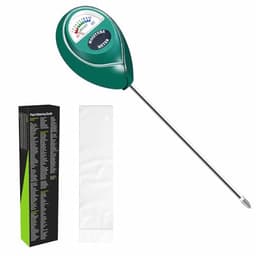
The single best guard against the overwatering that rots a Christmas cactus. Check the root zone before every watering and only water when the probe reads dry in the lower half of the pot — it removes the guesswork that kills these plants in winter.
$10-$20 · Best for Preventing the wet-soil root rot that causes most drooping
Check price on Amazon →A chunky, airy mix (or a standard mix cut with extra perlite and bark) drains fast enough to keep the roots from suffocating while still holding the light, even moisture a rainforest cactus wants. The right substrate does as much to prevent rot as careful watering.
$10-$18 · Best for Repotting a rotted plant or fixing soggy, slow-draining soil
Treatment information on PlantFix is educational. When using any pesticide — including organic options like neem oil or insecticidal soap — read and follow the entire product label; the label is the law. For persistent or high-stakes problems, your local university extension service offers free, region-specific advice. Read about how we source and verify treatment guidance in our Editorial Standards.
FAQ
Can I save a drooping Christmas cactus?▼
Usually, yes — if you match the fix to the cause. A firm-but-limp plant on dry soil is just thirsty and perks up within a day or two of a thorough watering. A mushy plant on wet soil has root rot; stop watering, unpot it, cut away black mushy roots and soft stems, and repot the firm parts into fast-draining mix. Even a base that's too far gone can be saved by rooting healthy segments, which Christmas cactus does easily.
Why is my Christmas cactus limp after I moved it?▼
Sudden limpness or bud drop right after a plant is moved, gifted, or bought is usually shock from the change in light, temperature, or humidity — not disease. University of Minnesota Extension notes holiday cacti drop buds from drafts and sudden temperature or humidity changes. Give it one consistent bright, draft-free spot, keep the soil evenly moist through the bloom, and stop moving it; it should settle.
How often should I water a Christmas cactus in winter?▼
Keep the soil evenly moist — not soggy, not bone dry — while the plant is budding and flowering, which for most is late fall through winter. Water when the top of the mix starts to dry, then drain fully and never leave it standing in a saucer of water. Overwatering into slow-draining soil is the top cause of a drooping, rotting holiday cactus, so err toward good drainage over frequent watering.
Is a Christmas cactus toxic to cats or dogs?▼
No. The ASPCA lists Christmas cactus as non-toxic to cats, dogs, and horses, which makes it one of the safer holiday plants to keep around pets — unlike poinsettia, amaryllis, or holly. Cats may still nibble the segments and get a mild stomach upset from the plant material itself, but it is not poisonous.
Related
- How to Fix an Overwatered Plant (Root Rot Rescue) →
- Money Tree Drooping? Check the Soil Before You Water →
- Why Is My Peace Lily Dying? (Save-vs-Toss Triage) →
- Plant Leaves Curling? 7 Causes and the Fix for Each →
- Yellow Leaves on Plants: Every Cause & How to Fix It →
- Why Are My Monstera Leaves Curling? (And How to Fix It) →
Not sure what's wrong?
Use the diagnosis tool →Get seasonal plant care reminders and pest alerts.