Poinsettia & Christmas Cactus Bugs: Spot and Clear Them
Whiteflies on poinsettias, mealybugs and gnats on Christmas cactus — the bugs that ride in on holiday plants, and how to clear them without wrecking a gift.
8 min read · Updated 2026-10-30
By PlantFix Editorial Team · Sources: University Extension Programs, USDA, EPA
The Bugs That Ride In on Holiday Plants
Holiday plants come from warm, crowded greenhouses, and they bring the greenhouse's pests home with them. Two plants cause almost all the December panic. On a poinsettia, a small cloud of tiny white flies lifting off the leaf undersides when you brush the plant is whitefly — the poinsettia's signature pest. On a Christmas cactus, white cottony tufts wedged into the joints between segments are mealybugs, and small dark flies drifting up from wet soil are fungus gnats.
Name the bug first, because the fixes are completely different and each has its own full guide. Flying white specks on a poinsettia → our whitefly guide. Cotton in the cactus joints → our mealybug guide. Dark flies off the soil → our fungus gnat guide. This page is about how those pests show up specifically on holiday plants and how to clear them without ruining a plant that's meant to be a gift.
Not sure which you've got? A photo of the leaf undersides (poinsettia) or the segment joints and soil surface (cactus) run through our plant diagnosis tool will sort it in a few questions.
Poinsettias: If Something's Bugging It, It's Whitefly
Whitefly is so tied to poinsettias that greenhouse growers treat the crop as the textbook host. Colorado State University Extension lists poinsettia at the very front of its greenhouse-whitefly host plants — "Poinsettia, begonia, nicotiana, aster, calendula, cucumber, lantana, tomato, grape, ageratum, bean, and hibiscus are commonly infested." The adults are tiny: CSU describes them as "about 1/16\" long, with four white, membranous wings," and they rest on the undersides of the leaves, scattering in a little white flurry when you disturb the plant.
The damage isn't the flying adults — it's the stationary nymphs. CSU notes the young "move a short distance before flattening themselves against the leaf to feed," after which they're immobile. As they feed they drip honeydew, and that sticky film is what turns into the black coating gardeners notice: CSU says the honeydew "encourages gray sooty mold fungi to grow on the fruit and foliage." Sticky lower leaves and a sooty film on a poinsettia mean whitefly nymphs working overhead.
Here's the part most holiday guides skip, and it's the one that matters for a home grower: don't reach for repeated chemical sprays. Poinsettia whiteflies are infamous for breeding insecticide resistance. Michigan State University Extension warns that "if we apply pesticides at the beginning of the production process, we may find ourselves with a whitefly population that consists entirely of Qs" — the resistant Q-biotype — "and laughs at just about everything we throw at it." On a single windowsill poinsettia you'll never out-spray that. Lean on the physical and gentle controls below instead.
Christmas Cactus: Cotton in the Joints, Gnats in the Soil
A Christmas cactus gets two common bugs, and both trace back to how the plant is kept over the holidays. Mealybugs settle into the creases where the flat segments join — look for small, white, cottony clusters tucked into those joints and on the stems. They're slow-moving sap-suckers, and a cotton swab dipped in 70% rubbing alcohol wiped directly onto each tuft is the standard spot-treatment; our rubbing alcohol method and full mealybug guide cover a heavier infestation.
The other one is fungus gnats, and they're really a watering symptom. University of Minnesota Extension ties them straight to wet soil, describing "fungus gnats, which thrive in plant soil that is continuously wet," with the fix being to "allow soil to dry out between watering." Holiday cacti get over-watered precisely because people fuss over a blooming gift plant, so the gnats are a sign the soil is staying too wet — dry it out and treat the larvae as in our fungus gnat guide. In a dry, heated room you may also see spider mites, which prefer exactly that warm, dry air.
Before you blame bugs, though, rule out the far more common killer. A limp, collapsing Christmas cactus sitting in wet soil almost always has root rot, not an insect problem — UMN notes these plants "won't grow well in heavy, wet soils." And dropped buds in December are usually a reaction to temperature swings, drafts, or a sudden move to a new spot, not pests. If the segments are firm but the plant is simply drooping, start with our drooping Christmas cactus guide instead of spraying.
Clearing Them Off a Gift Plant Without Doing More Harm
Step one is isolation, and it's non-negotiable. A fresh gift plant straight from a greenhouse bench is the single likeliest way whiteflies or mealybugs enter your home, and one infested poinsettia parked next to your other plants can seed the whole windowsill. Keep any new holiday plant a few feet from the rest of your collection for its first couple of weeks.
For poinsettia whitefly, use physical and low-toxicity controls rather than escalating chemicals. Colorado State notes yellow sticky traps "can be used both to monitor adult whitefly populations and to help suppress populations," and that insecticidal soaps "work by suffocating the immature nymphs and eggs." Set traps near the plant, then spray an insecticidal soap or horticultural oil onto the leaf undersides where the nymphs live, repeating weekly — CSU adds that horticultural oils are "less toxic to beneficial insects and effective at reducing whitefly populations."
For Christmas cactus mealybugs, dab each cottony cluster with a 70% alcohol swab and follow with insecticidal soap if they're widespread. For the gnats, let the soil dry and treat the larvae with BTI (Mosquito Bits). Our recommended gear page bundles the two kits these jobs call for — the houseplant-pest kit (insecticidal soap, neem, alcohol) and the fungus-gnat kit (BTI and yellow sticky traps). When you've treated and want to confirm the plant is actually clearing, re-check it through the diagnosis tool.
One Thing to Check Before the Plant Goes Near a Pet
Holiday plants end up on low tables where cats and dogs can reach them, so it's worth knowing which gift plants actually matter. The poinsettia's killer reputation is overblown. The ASPCA classifies it as toxic to dogs and cats via its "irritant sap," but describes the effect as "irritating to the mouth and stomach, sometimes causing vomiting, but generally over-rated in toxicity." Keep a curious pet from chewing the leaves, but a nibble isn't the emergency folklore makes it out to be. The Christmas cactus is the easier roommate — the ASPCA lists it as non-toxic to cats and dogs. And the pests themselves — whiteflies, mealybugs, fungus gnats — don't bite or harm people or pets at all; they're a plant problem only.
The habit that saves you the most grief is quarantine. Give any gifted or newly bought holiday plant two weeks on its own before it joins your other houseplants, and spend thirty seconds checking the leaf undersides and segment joints when it arrives. If you spot something and can't name it, send a close-up through our diagnosis tool — and if a plant you brought home clean breaks out a few weeks later, tell us, because that's exactly the greenhouse-hitchhiker pattern this page exists to catch.
Recommended Products
We earn a commission if you buy through these links, at no extra cost to you. We recommend based on what works, not what pays. How this works.
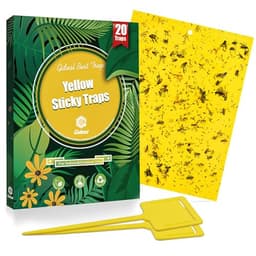
Hung near a poinsettia, these catch flying adult whiteflies and tell you whether your treatment is working — Colorado State notes they both monitor and help suppress whitefly populations. They also catch fungus gnat adults off a Christmas cactus.
$8-$14 · Best for Monitoring and suppressing whiteflies and fungus gnats
Check price on Amazon →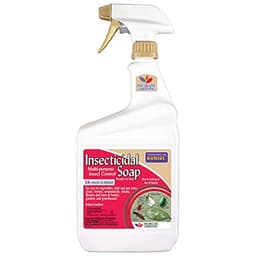
Suffocates whitefly nymphs and eggs on contact and handles mealybugs too. Spray the leaf undersides where whiteflies live, and repeat weekly — contact sprays have no residual effect once dry.
$10-$18 · Best for Whitefly nymphs on poinsettia and mealybugs on Christmas cactus
Check price on Amazon →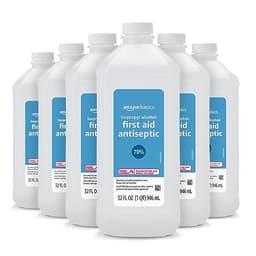
The precise spot-treatment for the cottony mealybug clusters in Christmas cactus joints. Dab each tuft directly; the alcohol dissolves their waxy coat and kills on contact without soaking the whole plant.
$5-$10 · Best for Spot-treating mealybugs in the segment joints
Check price on Amazon →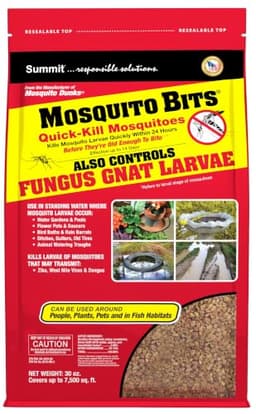
For the fungus gnats that come with an over-watered holiday cactus. Soak the granules in water and drench the soil to kill the larvae, and let the soil dry between waterings so adults stop laying.
$10-$16 · Best for Fungus gnat larvae in continuously wet cactus soil
Check price on Amazon →Treatment information on PlantFix is educational. When using any pesticide — including organic options like neem oil or insecticidal soap — read and follow the entire product label; the label is the law. For persistent or high-stakes problems, your local university extension service offers free, region-specific advice. Read about how we source and verify treatment guidance in our Editorial Standards.
FAQ
Why does my poinsettia have little white flies?▼
Those are whiteflies — the poinsettia's signature pest, which Colorado State lists among the plants "commonly infested." The tiny (about 1/16 inch) white-winged adults rest on leaf undersides and scatter when you touch the plant, while their stationary nymphs feed and drip honeydew that grows black sooty mold. Hang yellow sticky traps and spray insecticidal soap or horticultural oil on the undersides; avoid repeated chemical sprays, which breed resistant whiteflies.
What is the white cottony stuff on my Christmas cactus?▼
Those cottony tufts wedged into the joints between segments are mealybugs — slow-moving sap-sucking insects. For a few, dab each cluster with a cotton swab dipped in 70% rubbing alcohol; for a widespread infestation, follow with insecticidal soap and see our mealybug guide. Isolate the plant first so they don't spread to your other houseplants.
Are the bugs on my holiday plant dangerous to pets?▼
The bugs themselves — whiteflies, mealybugs, fungus gnats — don't bite or harm pets or people. As for the plants, the ASPCA calls the poinsettia's irritant sap "generally over-rated in toxicity" (mild mouth and stomach irritation, occasional vomiting), and lists the Christmas cactus as non-toxic to cats and dogs. Keep pets from chewing a poinsettia, but it isn't the emergency its reputation suggests.
Will holiday-plant pests spread to my other houseplants?▼
Yes. Whiteflies fly from plant to plant and mealybug crawlers walk between touching pots, which is why a single infested gift plant can seed your whole collection. Isolate any new holiday plant a few feet away for its first two weeks, check the leaf undersides and segment joints when it arrives, and treat before moving it in with the others.
Related
- Whiteflies: The Shake Test, Damage Chain & 3-Week Treatment Protocol →
- Mealy Bugs on Plants: How to Identify & Kill Them Fast →
- Fungus Gnats: How to Identify & Eliminate Them for Good →
- Houseplant Pests: Visual ID Guide to Every Bug on Your Indoor Plants →
- Cyclamen Mites: The Pest You Diagnose by Damage, Not Sight →
- Spider Mites: Identification, Treatment & Prevention Guide →
- Christmas Cactus Root Rot: Save It or Restart From Segments →
- Christmas Cactus Drooping? Check Mushy vs. Firm First →
- Kill Mealybugs With Rubbing Alcohol (on Contact, No Burn) →
- Yellow Sticky Traps for Gnats: Placement & Best Picks →
- Insecticidal Soap: What It Actually Kills (Including Spider Mites), DIY Recipe & Why Dawn Is Wrong →
Not sure what's wrong?
Use the diagnosis tool →Get seasonal plant care reminders and pest alerts.