Christmas Cactus Not Blooming? Start With the Nights
Christmas cactus not blooming or dropping buds? Both trace back to cool, dark nights and steady care. Find the stressor — and whether it'll still flower this year.
8 min read · Updated 2026-11-11
By PlantFix Editorial Team · Sources: University Extension Programs, USDA, EPA
The One Thing Almost Everyone Skips: Cool, Dark Nights
A Christmas cactus that won't bloom almost always missed its cue. To set flower buds it needs roughly six weeks of short days paired with cool nights, and the University of Minnesota Extension is specific about the trade-off: at night temperatures near 55°F a holiday cactus "will bloom in approximately 5 to 6 weeks, sometimes regardless of the day length," but at 60 to 65°F nights it "must have at least 12 hours of complete darkness every night for about 6 weeks to bloom." Above 65°F at night, it is "unlikely to bloom" no matter what else you do.
That is the real reason a healthy-looking plant sits there green and budless: a warm, lamp-lit living room is almost the opposite of what triggers flowering. Iowa State University Extension makes the same point from the other direction — the plant wants a cool spot of 55 to 65°F with no artificial light at night, and it warns that temperatures above 70°F prevent flowering even with short days. A lamp that clicks on after dark, a TV left glowing, or a streetlight through the window all count as interrupted darkness.
So before you hunt for a disease, answer the two questions that fix most no-bloom cases: are its nights genuinely cool, and genuinely dark, for about six weeks running? Nearly every bloom-forcing "hack" you'll read online is just a roundabout way of delivering those two things.
Already Set Buds, Then Dropped Them? That's Stress
If your plant did form buds and then shed them, that's a different problem — and it usually isn't something you did with the watering can alone. Bud drop is a stress response. The University of Minnesota lists the triggers plainly: plants "may drop buds due to drafts or sudden changes in temperature or humidity levels," and even a change in "direction and the amount of sunlight they receive can result in dropping buds."
Walk your own recent history, most common cause first:
You moved it. Carrying a budded plant to a brighter window, into another room, or home from the store is the single most frequent trigger. Iowa State's instruction while buds are forming is blunt — "avoid moving the plant during flower bud development."
A draft or temperature swing. A spot beside a heat vent, a frequently opened exterior door, or a cold windowpane hands the plant exactly the sudden change that makes it abort buds to protect itself.
The soil swung wet or dry. Letting it dry out hard during budding drops buds — Iowa State notes "dryness can cause buds or flowers to drop" — but so does standing water: UMN warns that excess water left in the saucer can cause "dropping flower buds, wilting and root rot." Even moisture, no extremes.
One reassuring note: if a plant set a big flush of buds and quietly sheds a few, that can simply be the plant self-pruning an "excessive number of buds" it can't support. Losing a handful isn't a crisis. Losing all of them points straight back to a move, a draft, or a watering swing.
Limp Segments: Thirst or Rot?
A Christmas cactus that's limp as well as budless is sending a second signal, and the right fix depends entirely on the soil. Feel it before you reach for the watering can.
Wrinkled, slightly shriveled segments on dry soil mean it's thirsty — the one case where more water is the answer. Water thoroughly, let it drain, and the segments should plump back up over a day or two.
Soft, mushy segments on soil that's still wet, especially with a dark or mushy base, mean the opposite: the roots are rotting, and more water will finish the job. There's no point restating the rescue here — our Christmas cactus root rot guide walks the unpot-and-check and the save-or-toss call step by step. For the full firm-versus-mushy triage, see why a Christmas cactus droops.
If you genuinely can't tell mushy from firm, or stress from rot, that's exactly what a photo is for — use the diagnosis tool to confirm before you water or unpot.
Will It Still Bloom This Year?
An honest answer, because most of the web won't give you one: it depends on which problem you have.
If buds set and then dropped after a move or a draft, stop disturbing the plant, keep it evenly moist in one cool, stable spot, and it may re-set and open a later flush — holiday cacti often bloom more than once in a season. No guarantees, but it's worth the two weeks of leaving it alone to find out.
If it never set buds at all because it spent the fall in a warm, lamp-lit room, there's no shortcut left for this year. Buds take about six weeks of cool, dark nights to form, so the realistic plan is to deliver those conditions next fall (below) and enjoy firm green segments in the meantime. A plant that's budless but firm and green isn't sick — it just never got the signal.
Set It Up to Bloom Next Fall
Start about six to eight weeks before you want flowers — for Thanksgiving-and-Christmas color that means roughly early-to-mid fall. The routine is short:
Cool nights. Move it somewhere that drops to 55 to 65°F after dark. UMN recommends daytime temperatures of 65 to 70°F and evenings of 55 to 65°F.
Long, unbroken darkness. Give it 12 or more hours of complete dark every night for about six weeks — a spare room, a closet from evening to morning, or any spot with no lamp, TV, or streetlight. When nights are cool enough (near 55°F) the darkness requirement relaxes; in a normal-temperature room, the darkness is doing the heavy lifting, and even brief interruptions reset the clock.
Steady moisture, bright days. Bright indirect light in the daytime, water when the top of the soil dries, and never let it stand in a full saucer.
Then stop fussing. Once buds appear, park it in one draft-free spot at 60 to 70°F and leave it there. Iowa State says you can move it to show it off once the first flowers begin to open — not before.
One more reason not to panic over a gift plant near curious pets: unlike the poinsettias and amaryllis it shares the holiday shelf with, Christmas cactus is non-toxic to cats and dogs per the ASPCA. If bugs turn up on a stressed holiday plant, our holiday plant pest guide sorts whitefly, mealybugs, and fungus gnats.
Recommended Products
We earn a commission if you buy through these links, at no extra cost to you. We recommend based on what works, not what pays. How this works.
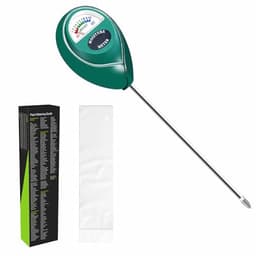
The even moisture a budding holiday cactus needs is hard to judge by eye. A probe tells you whether the root zone is actually drying before you water, so you avoid both the dry-out and the soggy saucer that drop buds.
$10-$15 · Best for Keeping moisture steady through bud set without guessing
Check price on Amazon →A fast-draining mix keeps water from pooling at the roots — the condition that turns a stressed, budless plant into a rotting one. Repot dense, water-holding soil into this if your plant stays wet for days.
$8-$15 · Best for Preventing the wet-soil rot that follows bud drop
Treatment information on PlantFix is educational. When using any pesticide — including organic options like neem oil or insecticidal soap — read and follow the entire product label; the label is the law. For persistent or high-stakes problems, your local university extension service offers free, region-specific advice. Read about how we source and verify treatment guidance in our Editorial Standards.
FAQ
How long does it take a Christmas cactus to set buds?▼
About six weeks of long nights and cool temperatures. The University of Minnesota notes that at cool night temperatures around 55°F a holiday cactus will bloom in roughly 5 to 6 weeks, sometimes regardless of day length, while at warmer 60 to 65°F nights it needs at least 12 hours of complete darkness every night for about six weeks. Above 65°F at night it is unlikely to bloom at all.
Why does my Christmas cactus keep dropping its buds?▼
Bud drop is a stress response, not a disease. The most common causes are moving the plant while buds are forming, drafts or sudden temperature and humidity swings, and letting the soil go bone dry or stay soggy. The fix is to stop moving it, keep it in one draft-free spot, and water for even moisture — not dry, not waterlogged — until it finishes flowering.
Does a Christmas cactus need total darkness to bloom?▼
At normal room temperatures of 60 to 65°F at night, essentially yes — it needs at least 12 hours of uninterrupted darkness each night for about six weeks, and a lamp, TV, or streetlight can interrupt that signal. If its nights are genuinely cool, near 55°F, the darkness requirement relaxes and it may bloom regardless of day length.
Is a Christmas cactus safe for cats and dogs?▼
Yes. The ASPCA lists Christmas cactus as non-toxic to cats and dogs, which makes it one of the safer holiday plants to keep around pets — unlike poinsettia or amaryllis. The bigger risk to a curious pet is usually the potting mix, not the plant.
Related
- Christmas Cactus Drooping? Check Mushy vs. Firm First →
- Christmas Cactus Root Rot: Save It or Restart From Segments →
- Poinsettia & Christmas Cactus Bugs: Spot and Clear Them →
- How to Fix an Overwatered Plant (Root Rot Rescue) →
- Why Is My Plant Dying? Start With the Alive-or-Dead Check →
- Cyclamen Mites: The Pest You Diagnose by Damage, Not Sight →
Not sure what's wrong?
Use the diagnosis tool →Get seasonal plant care reminders and pest alerts.