Dieffenbachia Yellow Leaves: Cold Snap or Overwatering?
Dieffenbachia (dumb cane) yellows from two causes that look alike — overwatering and cold-draft shock. Here's how to tell them apart, plus the dumb-cane safety note.
7 min read · Updated 2026-10-02
By PlantFix Editorial Team · Sources: University Extension Programs, USDA, EPA
Two Questions Decide It: Was It Cold, and Is the Soil Wet?
Dieffenbachia (dumb cane) leaves turn yellow mostly from two causes that look nothing alike: a cold draft and overwatering. The cold one is the one the generic "7 reasons" lists bury, and it's specific to this plant — dumb cane is a tropical aroid that hates cold, so a draft from a window, an AC vent, or a chilly room can yellow a whole flush of leaves at once. University of Florida IFAS calls it one of the most sensitive foliage plant genera for chilling injury, and defines a chilling temperature as one cold enough to cause plant injury but not cold enough to freeze the plant — a range that usually ranges from just above 32°F to about 59°F. The damage shows as yellowing (chlorosis), water-soaked patches, and wilted leaves.
The other big cause is the ordinary one: overwatering. So ask two questions before anything else. Did the room get cold or drafty in the last week or two? And is the soil still wet days after you watered? Sudden yellowing across many leaves after a cold spell points to chilling; slow yellowing of the lowest leaves on soil that stays soggy points to overwatering and root rot. Match your pattern below, and for a photo confirmation, our plant diagnosis tool reads it from a picture of the leaf.
Match Your Pattern (the quick read)
Find your row first — the fixes for cold and for overwatering pull in opposite directions, so getting the cause right matters more than any treatment.
| What you're seeing | Most likely cause | Where to go |
|---|---|---|
| Several leaves yellowing suddenly after a cold or drafty spell | Chilling stress | Cold & drafts section |
| Lowest leaves yellow one at a time, soil stays wet for days | Overwatering / root rot | Overwatering section |
| The oldest, lowest leaf yellows slowly while the rest thrives | Natural aging | Trim it; nothing to fix |
| Pale, weak new growth; faded variegation | Too little light (or harsh direct sun) | Light note below |
| Fine webbing or pale stippling along with yellowing | Spider mites | spider mites |
Two questions sort nearly every case: did it get cold, and is the soil wet? If neither fits and only one old bottom leaf is going, it's just aging — dumb cane sheds its lowest leaves as it grows a bare cane up top.
Overwatering & Root Rot (the usual culprit)
When nothing turned cold, overwatering is the answer more often than not. Dumb cane likes consistently moist soil, which fools people into watering before the mix has dried — and constantly wet soil suffocates and rots the roots. Rotted roots can't draw water up, so University of Maryland Extension notes the plant will wilt even when adequate moisture is present in the potting media, with yellowing, browning, and dieback of the leaves. The tell is pattern plus soil: the lowest leaves yellow first, one at a time, the soil is still wet days after watering, and the stem base may feel soft.
The most common hidden cause is the pot. A dumb cane in a cachepot with no drainage hole, or one sitting in a saucer of runoff, is overwatering itself no matter how careful you are. Let the top inch of soil dry before watering again, tip out any water left in the saucer within half an hour, and if the base is soft, unpot and check the roots — UMD describes rotting roots as brown to black and soft or mushy. Cut those away back to firm tissue and repot in fresh, well-draining mix. The full rescue is in our root rot guide, and because dumb cane is an aroid like pothos and monstera, a chunky, airy mix suits it the same way.
Cold, Drafts, and Why Dumb Cane Yellows in Winter
This is the cause the generic lists miss, and it's why so many dumb canes yellow in late fall and winter. Dieffenbachia comes from the tropical lowlands, and UF/IFAS research on chilling injury ranks it among the most sensitive foliage plant genera there is. It doesn't take a frost — any stretch between about 32°F and 59°F can do it, and that includes a cold draft from a single-pane window, the blast from a heating or AC vent, or a chilly entryway. The signature is sudden: a batch of leaves yellows or goes water-soaked together, rather than one old leaf at a time the way overwatering plays out.
Keep a dumb cane warm — comfortably above 60°F — and away from cold glass, exterior doors, and vents. If it got chilled, move it to a warmer, draft-free spot and wait; it won't recover the damaged leaves, but it'll stop losing new ones. A quick note on light while you're placing it: too little light leaves a dumb cane weak and pale and fades its variegation, while harsh direct sun can scorch and yellow the leaves. Bright, indirect light is the target — the same spot that keeps it off the cold windowsill usually works.
A Word on the "Dumb Cane" Name (keep it away from pets and kids)
Dieffenbachia earned the nickname dumb cane because its sap can temporarily swell and numb the mouth and throat — and that's worth knowing while you're cutting yellow leaves off it. The ASPCA lists dieffenbachia as toxic to dogs and cats, with the toxic principles being insoluble calcium oxalates and a proteolytic enzyme. The clinical signs it lists are oral irritation, intense burning and irritation of the mouth, tongue and lips, excessive drooling, vomiting, and difficulty swallowing.
None of that is a reason to get rid of a healthy plant — it just means handle it sensibly. Wash your hands after trimming or repotting, keep the cut sap off your eyes and mouth, and set the plant somewhere a cat can't chew it and a toddler can't grab it. The yellowing you came here to fix isn't related to the toxicity; it's the watering or the cold. If your pet has chewed a leaf and is drooling or pawing at its mouth, call your vet or the ASPCA Animal Poison Control Center.
What to Remove, What to Fix
A yellow dumb-cane leaf won't turn green again, so the job splits in two: tidy up, then fix the cause.
- Remove fully yellow leaves at the base of the leaf stalk with clean scissors. A partly-yellow leaf can stay until it yellows fully — the plant is still pulling nutrients back out of it.
- Fix the cause you identified. Cold: move it above 60°F and off drafts and cold glass. Overwatering: let the soil dry to an inch down, empty the saucer, and check the roots if the base is soft.
- Don't fertilize a stressed or chilled plant. Feeding a dumb cane that's cold-shocked or rotting burns the roots further — wait until it's clearly pushing healthy new growth.
What recovery looks like: within a few weeks, no new leaves yellowing and firm green new growth from the crown. Here's your check if it keeps going — if leaves keep yellowing after you've warmed the plant up and corrected the watering, unpot it and look at the roots. Persistent yellowing on a warm, correctly-watered dumb cane is usually root rot you haven't dealt with yet. A photo on our plant diagnosis tool can confirm rot versus cold before you repot.
Recommended Products
We earn a commission if you buy through these links, at no extra cost to you. We recommend based on what works, not what pays. How this works.
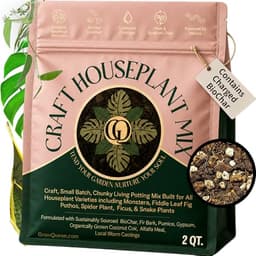
A peat-based mix cut with perlite or bark drains fast enough to prevent the root rot that yellows most dumb canes, while still holding the steady moisture they like. It's what you repot into after cutting away rotten roots.
$8-$16 · Best for Repotting an overwatered dieffenbachia
Check price on Amazon →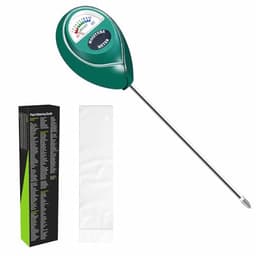
Dumb cane likes consistent moisture, which makes it easy to overwater by habit. A meter tells you when the lower soil has actually dried so you water on evidence instead of a calendar.
$10-$18 · Best for Anyone who waters a dieffenbachia on a schedule
Check price on Amazon →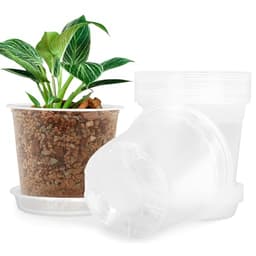
A plastic nursery pot with real drainage, slipped inside the decorative one. A dumb cane left in a sealed cachepot sits in trapped runoff, which is how a healthy plant rots and yellows from the roots up.
$8-$16 · Best for Replacing a no-drainage cachepot
Check price on Amazon →Treatment information on PlantFix is educational. When using any pesticide — including organic options like neem oil or insecticidal soap — read and follow the entire product label; the label is the law. For persistent or high-stakes problems, your local university extension service offers free, region-specific advice. Read about how we source and verify treatment guidance in our Editorial Standards.
FAQ
Why is my dieffenbachia turning yellow?▼
Most often overwatering or cold. Overwatering rots the roots and yellows the lowest leaves one at a time on soil that stays wet. Cold is the under-diagnosed cause — dieffenbachia is a tropical plant that UF/IFAS ranks among the most chilling-sensitive houseplants, and a draft or cold room below 59°F yellows a whole flush of leaves at once. Ask whether it got cold and whether the soil is wet, and you'll usually land on the cause.
Can cold cause dieffenbachia leaves to turn yellow?▼
Yes, and it's one of the most common causes people overlook. University of Florida IFAS research ranks dieffenbachia among the most sensitive foliage plants for chilling injury, which can occur at any temperature from just above 32°F to about 59°F — no frost required. The signs are sudden yellowing, water-soaked patches, and wilted leaves across several leaves at once. Keep it above 60°F and away from drafts, cold windows, and vents.
Is dieffenbachia (dumb cane) poisonous to cats and dogs?▼
Yes. The ASPCA lists dieffenbachia as toxic to dogs and cats, caused by insoluble calcium oxalates and a proteolytic enzyme in the sap. Signs include oral irritation, intense burning of the mouth, tongue and lips, drooling, vomiting, and difficulty swallowing. Wash your hands after handling it, keep it out of reach of pets and kids, and call your vet or ASPCA Animal Poison Control if a pet chews it.
Should I cut off yellow dieffenbachia leaves?▼
Yes, once a leaf is fully yellow — it won't recover its color and it drains the plant's energy, so cut it at the base of the stalk with clean scissors. A leaf that's only partly yellow can stay a little longer while the plant reabsorbs nutrients from it. Removing leaves is cosmetic, though; you also have to fix the cold draft or the overwatering, or more leaves will keep yellowing.
Related
- Yellow Leaves on Plants: Every Cause & How to Fix It →
- How to Fix an Overwatered Plant (Root Rot Rescue) →
- Monstera Yellow Leaves: 7 Causes and the Fix for Each →
- Pothos Yellow Leaves: 8 Causes and the Fix for Each →
- Snake Plant Yellow Leaves: Causes, Fixes and When to Worry →
- Spider Mites: Identification, Treatment & Prevention Guide →
- Houseplant Pests: Visual ID Guide to Every Bug on Your Indoor Plants →
Not sure what's wrong?
Use the diagnosis tool →Get seasonal plant care reminders and pest alerts.