Wilting Plant? The Soil Check That Tells Dry From Wet
A wilting plant is usually too dry OR too wet — and the fixes are opposite. Touch the soil first: here's the 60-second dry-vs-wet check and what to do next.
8 min read · Updated 2026-10-21
By PlantFix Editorial Team · Sources: University Extension Programs, USDA, EPA
Touch the Soil Before You Touch the Leaves
A wilting plant is almost always one of two opposite problems — too little water or too much — and because the fixes are exact opposites, guessing wrong is what kills it. So before you reach for the watering can, do one thing: push a finger two inches into the soil. Dry and dusty means thirst. Wet and heavy means the roots are drowning. That single check settles most of the rescue.
The reason it matters so much is counterintuitive: overwatering is the leading cause of houseplant death, and its signature symptom — a limp, wilting plant — looks almost identical to thirst. University of Maryland Extension puts it bluntly: a plant with rotting roots "will wilt even when adequate moisture is present in the potting media." The owner sees a droopy plant, assumes it's dry, waters it, and finishes it off.
So the leaves lie, but the soil tells the truth. Feel it first. Then weigh the pot in your hands (a thirsty plant's pot is surprisingly light; a waterlogged one is heavy), pinch a limp leaf (crispy-dry or soft-mushy?), and give the soil a quick sniff (a sour, swampy smell means rot). Those four reads — soil, weight, texture, smell — are the whole diagnosis, and the table below turns them into an answer. If you'd rather confirm from a photo before you touch anything, our plant diagnosis tool reads the cause and points you to the fix.
Dry-Wilt vs. Wet-Wilt: The Decision Table
Run your plant through this before you do anything. The combination of soil, pot weight, leaf feel, and smell lands you on a cause far more reliably than the drooping leaves alone.
| Soil feels… | Pot weight | Leaves feel… | Smell | Cause → first move |
|---|---|---|---|---|
| Bone dry, pulled from the pot edge | Light | Limp, dry, maybe crispy edges | None | Thirst → deep soak or bottom-water |
| Wet, stays wet for days | Heavy | Soft, floppy, often yellowing | Sour / swampy | Overwatering / root rot → STOP watering, check roots |
| Moderately moist | Normal | Wilts in afternoon sun, firm by evening | None | Heat stress → leave it; don't overwater |
| Any state, just repotted or moved | — | Drooping, some leaf drop | None | Transplant shock → keep stable, wait |
| Collapses fast, one side or whole plant, no watering reason | — | Sudden, dramatic | Sometimes foul | Vascular disease or pest → isolate, diagnose |
The two rows people confuse are the first two, and they are opposites. A dry plant needs water now. A waterlogged one needs you to stop — more water accelerates the rot. Everything below is just these rows in detail.
If It's Thirsty: Rehydrating a Bone-Dry Rootball
If the soil is bone dry and the pot feels light, you caught the easy case — a thirsty plant usually bounces back within hours of a proper drink. But "a proper drink" is the catch, because very dry potting mix repels water instead of absorbing it. UConn Extension describes exactly what goes wrong: "When the rooting medium is excessively dry, it pulls away from the pot and water will run rapidly down the sides of the pot into the saucer without saturating the root zone." You pour, water gushes out the bottom in seconds, and you assume it's watered — but the root ball in the middle is still bone dry.
The fix is to soak from the bottom. UConn's instruction is simple: "To rewet the potting mix and the roots, submerge the whole pot in a sink or pail full of water until air bubbles stop appearing." Set the pot in a basin of water up to the soil line, leave it 20–30 minutes until bubbles stop rising, then lift it out and let the excess drain. The whole root ball rehydrates evenly, and a genuinely thirsty plant often has its leaves back up within a few hours to a day. Going forward, water by feel, not by calendar — UConn's rule is to "stick your finger into the potting mix and feel for moisture about an inch below the surface" and water only when it's dry down there.
If It's Overwatered: Why More Water Is the Fatal Move
This is the path that kills plants, because every instinct is wrong. The plant is wilting, so you water it — but if the soil is already wet, you're drowning it faster. When roots sit in saturated soil they can't breathe; UConn Extension explains that water left in the saucer or pot "causes the potting medium to remain saturated and displaces necessary oxygen, resulting in root death." Dead and dying roots can't move water up to the leaves, so the plant wilts exactly as if it were thirsty — the paradox UMD describes as wilting "even when adequate moisture is present."
You'll still find advice online telling you to water a plant the moment its leaves wilt. For a waterlogged plant that advice is fatal, and it's worth saying plainly: wilting plus wet soil means stop watering, not water more. Instead, slide the plant out of its pot and look at the roots. Firm and pale means the problem is something else. Brown, black, mushy, and sour-smelling means root rot — and that's a full rescue: cut away the dead roots, repot into fresh fast-draining mix, and hold off watering. Our root rot rescue guide walks the save-or-restart call step by step, and the treatment plan sequences the dry-out and repot.
The Afternoon Wilt That Fixes Itself
Not every wilt is a watering problem, and this is the one case where doing nothing is the right move. A plant whose soil is moderately moist but that goes limp during the hottest, brightest part of the day — then firms back up on its own by evening — isn't thirsty. On a hot day it's simply losing water through its leaves faster than its roots can pull it up, and it recovers as soon as the heat eases. The tell is the timing: afternoon droop, overnight recovery, with soil that isn't dry.
The trap here is overcorrecting. If you respond to an afternoon heat-wilt by watering an already-moist pot every day, you quietly create the overwatering problem from the section above. Leave it be, move it out of scorching direct afternoon sun if the wilting is severe, and check the soil before adding any water. A plant that perks up every evening on its own doesn't need a rescue — it needs to be left alone.
Sudden Wilt After a Move, or a Fast Collapse
Two situations call for a different response than the soil check. The first is recent disturbance: a plant that wilts or drops leaves within days of being repotted, divided, or moved to a new spot is usually in transplant shock, not failing. Its disturbed roots can't keep up with the leaves for a while. The move is to hold conditions steady — stable light, no fertilizer, lightly moist (not wet) soil — and wait; our transplant shock guide covers the recovery timeline and the mistakes that turn shock into rot.
The second is a fast, dramatic collapse with no watering explanation — a plant that wilts hard overnight, or where one side goes limp while the rest looks fine, on soil that's neither bone dry nor swamp wet. That pattern points to a vascular disease or a pest attacking the roots or stem, not a simple water issue. Isolate the plant from your others so nothing spreads, and identify the cause before treating — upload a photo to the diagnosis tool, or if the whole plant looks like it's going, start with the why is my plant dying alive-or-dead triage.
Will It Bounce Back? The Firmness Gauge
Whether a wilted plant comes back comes down to how much of it is still alive, and you can gauge that in a few seconds. Press the main stem and feel a limp leaf: a firm stem with at least some leaves that still have body to them means there's a working plant in there, and your odds are good once you fix the cause. A thirsty plant with firm stems is the best case — those usually stand back up within hours to a day of a proper soak.
The harder calls: leaves that went limp from root rot or pest damage often won't firm up again even after you fix the problem — but that doesn't mean the plant is lost. Fixing the cause clears the way for healthy new growth, and the ruined leaves can be trimmed once new ones come in. The plant is only truly gone when the stem is mushy or snaps dry and brown all the way down and the roots are brown mush with a sour smell. Short of that, there's almost always something to save — and if you're unsure which way yours is headed, the plant diagnosis tool will read the cause from a photo before you make the keep-or-toss call.
Recommended Products
We earn a commission if you buy through these links, at no extra cost to you. We recommend based on what works, not what pays. How this works.
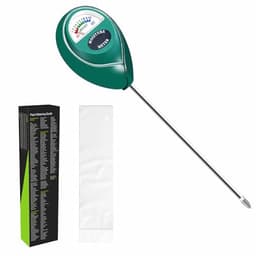
The single cheapest way to settle the dry-vs-wet question a wilting plant poses. Push it to the bottom of the pot and water only when it reads dry down there, and you sidestep both the thirst-wilts and the overwatering that causes most root rot.
$10-$18 · Best for Telling thirst from overwatering before you water
Check price on Amazon →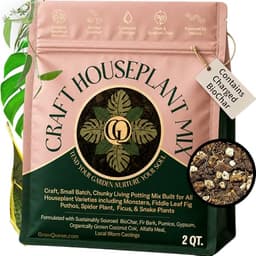
If the wilt turned out to be root rot, this is what you repot into after cutting away the dead roots — an airy, fast-draining mix that won't stay waterlogged and restart the problem.
$8-$16 · Best for Repotting a plant that wilted from overwatering
Check price on Amazon →Treatment information on PlantFix is educational. When using any pesticide — including organic options like neem oil or insecticidal soap — read and follow the entire product label; the label is the law. For persistent or high-stakes problems, your local university extension service offers free, region-specific advice. Read about how we source and verify treatment guidance in our Editorial Standards.
FAQ
Why is my plant wilting even though the soil is still wet?▼
That's almost always root rot from overwatering, not thirst. When roots sit in waterlogged soil they suffocate and die, and dead roots can't move water up to the leaves — so the plant wilts even though the soil is wet. University of Maryland Extension notes plants wilt even when adequate moisture is present. Stop watering, unpot it, and check the roots.
How can I tell if a wilting plant needs more water or less?▼
Touch the soil two inches down before anything else. Dry and dusty with a light pot means it's thirsty — give it a deep soak. Wet and heavy, often with a sour smell and soft, yellowing leaves, means it's overwatered and rotting — stop watering and check the roots. The drooping leaves alone can't tell the two apart.
How long does a wilted plant take to recover after watering?▼
A genuinely thirsty plant with firm stems often perks up within a few hours to a day of a thorough soak or a 20–30 minute bottom-soak. If it hasn't responded in a day or two, the problem probably isn't simple thirst — check for root rot, recent repotting, or pests rather than watering it again.
Can a plant recover from severe wilting?▼
Usually, if the stem is still firm and some leaves have body left. Thirst-wilted plants bounce back fast once rehydrated. Leaves limp from root rot or pests may not re-firm, but new growth comes in normally once you fix the cause. A plant is only beyond saving when the stem is mush or snaps dry and the roots are brown mush.
Related
- How to Fix an Overwatered Plant (Root Rot Rescue) →
- Why Is My Plant Dying? Start With the Alive-or-Dead Check →
- Plant Leaves Curling? 7 Causes and the Fix for Each →
- Transplant Shock: Shock vs. Damage and the Recovery Timeline →
- Why Is My Peace Lily Drooping? 7 Causes and Quick Fixes →
- Snake Plant Drooping or Falling Over: What the Base Tells You →
Not sure what's wrong?
Use the diagnosis tool →Get seasonal plant care reminders and pest alerts.