Transplant Shock: Shock vs. Damage and the Recovery Timeline
Repotted and now it's wilting? Tell transplant shock from real root damage, follow the day-3 to week-4 recovery timeline, and why doing less is the cure.
8 min read · Updated 2026-10-14
By PlantFix Editorial Team · Sources: University Extension Programs, USDA, EPA
Did You Disturb the Roots, or Just Move It?
If your plant wilted or dropped leaves within days of a repot or a move, the first question is the only one that matters: did the roots actually get damaged, or did the plant just get startled? The answer splits transplant shock into two completely different situations.
Shock (temporary): wilting, drooping, or some leaf drop after a move or repot, but the roots are intact and the base is firm. This is a stress response, not an injury — and the fix is almost entirely restraint. Most plants recover on their own.
Damage (not shock): roots were torn or cut hard, the plant was buried too deep, or it's sitting in soggy fresh mix. Now roots are actually failing, and "waiting it out" makes it worse — you treat this like root rot, not shock.
The tell is the soil and the base. A shocked plant droops in normally-moist mix with a firm stem; a damaged one sits in wet soil and the base goes soft. University of Maryland Extension's rot rule applies to the damage case: rotted roots make a plant "wilt even when adequate moisture is present in the potting media." If you're not sure which you've got, our plant diagnosis tool reads it from a photo, and the why is my plant dying flow sorts the broader case.
Why the Fix for Shock Is Restraint, Not Rescue
The instinct when a freshly repotted plant wilts is to help it — water it more, feed it, move it to a brighter spot. For genuine shock, all three make it worse. The plant's root system is temporarily unable to supply the top growth, and piling on inputs it can't use just stresses it further.
Don't fertilize. This is the big one. UGA Extension is explicit that "adding fertilizer can actually stress new plants further by forcing new growth that the roots are not yet able to sustain." A shocked plant needs to rebuild roots, not push leaves. Hold all fertilizer until you see new growth.
Don't overwater. The second reflex that backfires. UGA warns that stressed plants wilt and well-meaning gardeners "water their plants to death," because soggy soil means "roots can literally suffocate from watering too frequently." Water enough to keep the mix lightly, evenly moist — then stop.
Do less, deliberately. Put the plant in stable, bright-indirect light, away from heat vents, cold drafts, and harsh direct sun. Don't repot it again, don't prune hard, don't move it around. A shocked houseplant recovers on rest. The single biggest mistake is treating normal post-repot droop as an emergency and intervening — restraint is the actual cure.
What Recovery Looks Like: Day 3, Week 2, Week 4
The reason transplant shock panics people is that no one tells them what normal recovery looks like, so every day of droop feels like a death spiral. Here's a realistic timeline for a houseplant that suffered shock, not damage — use it to know when to keep waiting and when to investigate:
Days 1–3: peak droop. Wilting, limp leaves, maybe a few dropped — this is the plant throttling back water loss while the roots re-settle. Don't react. Keep the mix lightly moist, light bright and indirect, no fertilizer.
Week 1–2: stabilizing. The droop should stop getting worse and often starts to ease. Some older or most-damaged leaves may yellow and drop — the plant shedding what it can't currently support. Existing leaves firming back up is the first good sign. Still no fertilizer.
Week 3–4: recovery. Most shocked houseplants are visibly turning the corner — leaves holding firm, and ideally a new leaf or growth tip emerging. New growth is the all-clear: it means roots are working again, and only now do you resume light feeding.
The stop-waiting trigger: if after about three to four weeks the plant is still actively declining — more leaves dropping, no new growth, the base going soft, soil staying wet — stop calling it shock. That's the damage case: unpot it and check the roots for root rot. Shock improves with time; damage doesn't.
When It's Not Shock: Root Damage and Rot
Not every post-repot decline is shock, and mistaking real damage for shock means you wait while the plant dies. A few situations are damage from the start, not a stress response:
Roots torn or cut hard. If you ripped a tightly matted root-bound ball apart aggressively or lost a lot of root, the plant has a genuine injury to recover from — more severe and slower than simple shock, though often still survivable with the same restraint, just more patience.
Buried too deep. Potting a plant deeper than it sat before can bury the stem base and rot it. If the crown is below the soil line, lift the plant and reset it so the base sits at the surface.
Soggy fresh mix. The most common one: a plant moved into a too-large pot of dense, water-holding mix sits wet for days, and the roots rot instead of recovering. This looks like unending shock — persistent wilting in soil that never dries. UMD's paradox is the tell: the plant "will wilt even when adequate moisture is present," and rotted roots turn "brown to black and soft or mushy." If the soil is staying wet and the droop isn't easing by week two, unpot and check — this is a rot rescue now, not a waiting game.
Repot Without the Shock Next Time
Most transplant shock is avoidable with a few choices at repotting time:
Repot when it's growing. Penn State Extension's advice is that the "best time to repot a plant is in the spring when it naturally and actively begins its seasonal growth." A plant in active growth shrugs off the disturbance; one repotted in winter dormancy sits in shock far longer.
Go up one size, keep roots as intact as you can. A pot one to two inches wider is plenty — a jump to a much larger pot leaves excess wet mix around the roots. Loosen a matted root ball gently rather than shredding it; the less root you disturb, the less shock follows.
Water it in, then leave it alone. Water once after repotting to settle the mix and close air pockets around the roots, then let it adjust. Skip fertilizer entirely until new growth appears, and keep the plant in stable, bright-indirect light out of drafts and direct sun.
Do those four things and most repots produce little more than a day or two of mild droop — the gauge to measure every recovery against. If yours is tracking the day-3 to week-4 timeline above, it's doing exactly what it should.
Recommended Products
We earn a commission if you buy through these links, at no extra cost to you. We recommend based on what works, not what pays. How this works.
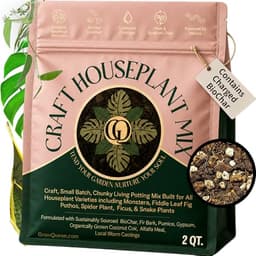
Repotting into a fast-draining mix is the best defense against post-repot rot — it holds enough moisture for recovering roots while draining fast enough that the fresh soil doesn't stay wet long enough to suffocate them.
$8-$16 · Best for Repotting without leaving roots in soggy mix
Check price on Amazon →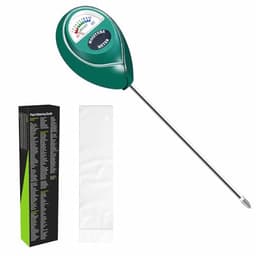
A shocked plant needs lightly moist soil, not wet — the hardest thing to judge by eye when you're anxious. A meter lets you water only when the root zone is actually drying, which sidesteps the overwatering that turns shock into rot.
$10-$18 · Best for Keeping a recovering plant evenly moist, not soggy
Check price on Amazon →Treatment information on PlantFix is educational. When using any pesticide — including organic options like neem oil or insecticidal soap — read and follow the entire product label; the label is the law. For persistent or high-stakes problems, your local university extension service offers free, region-specific advice. Read about how we source and verify treatment guidance in our Editorial Standards.
FAQ
How long does transplant shock last?▼
For most houseplants, a few days to about four weeks. Expect peak droop in the first three days, stabilizing over week one to two, and visible recovery — firm leaves and ideally a new growth tip — by week three or four. New growth is the all-clear. If the plant is still actively declining after about four weeks, with wet soil and a softening base, it's probably root damage or rot, not shock.
How do I fix transplant shock?▼
Mostly by doing less. Put the plant in stable, bright-indirect light away from vents, drafts, and harsh sun, keep the mix lightly and evenly moist, and don't fertilize, don't repot again, and don't overwater. UGA Extension warns that fertilizing a stressed plant forces growth its roots can't sustain, and overwatering can suffocate the roots. A shocked plant recovers on rest, not intervention.
Should I water a plant in transplant shock?▼
Water it in once after repotting to settle the soil and remove air pockets, then keep the mix only lightly and evenly moist — never soggy. Overwatering is one of the most common ways people kill a plant in shock: UGA Extension notes roots can suffocate from watering too frequently, and stressed plants get "watered to death." Let the surface dry slightly between light waterings rather than keeping it wet.
Can a plant die from transplant shock?▼
Simple shock — where the roots stayed intact — rarely kills a houseplant if you leave it to recover. What kills plants is the damage that gets mistaken for shock: torn roots, a stem buried too deep, or soggy fresh mix that rots the roots. Those don't improve with waiting. If the droop isn't easing by week two and the soil stays wet, unpot and check the roots rather than waiting longer.
Related
- Why Is My Plant Dying? Start With the Alive-or-Dead Check →
- How to Fix an Overwatered Plant (Root Rot Rescue) →
- Root-Bound Plant: The 4-Sign Check and How to Fix It →
- Yellow Leaves on Plants: Every Cause & How to Fix It →
- Plant Leaves Turning Brown? Read the Location and the Texture →
- Snake Plant Root Rot: How to Save It (Rhizome Check First) →
Not sure what's wrong?
Use the diagnosis tool →Get seasonal plant care reminders and pest alerts.