Plant Leaves Turning Brown? Read the Location and the Texture
Where the leaf is browning and whether it's crispy or mushy tells you the cause. Crispy tips mean too little; soft brown patches mean too much. Here's how to read it.
9 min read · Updated 2026-10-09
By PlantFix Editorial Team · Sources: University Extension Programs, USDA, EPA
Where Is It Brown, and Is It Crispy or Mushy?
"Brown leaves" isn't one problem — it's at least four, and the fix for one is the opposite of the fix for another. Two things sort them out faster than any cause list: where on the leaf the brown is, and whether that brown is crispy and dry or soft and mushy. Crispy almost always means the plant is getting too little — too little water or humidity, or too much salt. Mushy almost always means too much — too much water, into root rot. Match what you're seeing before you change anything:
| Where + texture | Most likely cause | First move |
|---|---|---|
| Brown crispy TIPS, dry | Low humidity, salt/fluoride buildup, or inconsistent watering | Raise humidity, flush the soil, water evenly |
| Brown dry EDGES / margins | Underwatering, heat or draft stress, salts | Deep soak; move off the vent or cold glass |
| Soft brown PATCHES in the leaf body, or whole leaf browning + wet soil | Overwatering / root rot (the serious one) | Stop watering; check the roots |
| Bleached-then-brown patches on the sun-facing side | Leaf scorch (too much direct light) | Pull back from the glass |
| Only the LOWEST leaves, slowly | Normal aging | Usually nothing |
The one-line rule to carry through the rest of this page: crispy = too little, mushy = too much. If you can't tell which pattern you have, our plant diagnosis tool reads it from a photo, and if the whole plant looks like it's going under rather than a few leaves, start with the why is my plant dying alive-or-dead check.
Crispy Brown Tips and Edges: Too Little, or Too Much Salt
If the brown is confined to the tips and outer edges and it crumbles when you touch it, the plant is losing water at the margins faster than it can resupply them — or it's burning on mineral salts. Iowa State University Extension lists the usual suspects plainly: the "most likely cause is low humidity" (worst in winter when the heat runs), followed by "inconsistent watering, in particular allowing plants to dry out too long between waterings," and salt buildup from over-fertilizing.
The mineral one is worth its own line because people fight it with more water and lose. The University of Missouri's IPM team is blunt that tipburn "is not a disease" — it's an abiotic disorder from excess fertilizer, improper watering, or fluoride, and sensitive plants "often develop tipburn even when properly watered and fertilized." Their fix: when you see a "whitish residue on top of the growing medium," flush the pot with plain water, and for fluoride-sensitive plants water only with rainwater or distilled instead of tap. Iowa State names the species most prone to the fluoride/chlorine version — "spider plant, ti plant, dracaena, prayer plant, and calathea." If your browning is specifically tip-burn on one of those, we have dedicated coverage — see spider plant brown tips and peace lily brown tips, which this page hands those cases off to. Trimming the dead margins is fine for looks, but Iowa State's caveat holds: "new browning will occur if the root cause is not addressed."
Soft Brown Patches or Whole Leaves: The Serious Fork
This is the pattern to take seriously. If whole leaves are going brown — especially soft, dark, limp brown, and especially while the soil is still damp — you're most likely looking at root rot from overwatering, the single most common way houseplants actually die. It's deceptive because a rotting plant looks thirsty: Iowa State explains that when "the root ball is always wet, the roots rot and die," and with fewer roots the plant can't take up water and wilts anyway. The University of Maryland Extension puts the same trap in one sentence — a plant with rotted roots "will wilt even when adequate moisture is present in the potting media."
So the move here is the opposite of the crispy-tips fix: stop watering, don't add more. Slide the plant out of the pot and look at the roots. Healthy roots are firm and pale; UMD describes rotted ones as "brown to black and soft or mushy." If that's what you find, work through our root rot rescue guide — trim to firm tissue, repot into dry fast-draining mix, and the treatment plan sequences the recovery. The other cause of soft brown patches is leaf spot — defined brown spots, sometimes with a yellow halo or a water-soaked edge, from a fungal or bacterial infection rather than watering. If the browning is discrete spots rather than a spreading soft collapse, our leaf spot guide sorts fungal from bacterial and what (if anything) treats each.
Bleached-Then-Brown Patches: Leaf Scorch From Too Much Light
If the brown is on the side of the plant facing the window, shows up as bleached pale patches that then turn tan or brown, and spares the shaded leaves, it's leaf scorch — a sunburn. Iowa State describes it exactly that way: "leaf scorch is analogous to a 'sunburn' on the leaves," and they note "the damage is permanent and may lead to leaf drop."
It catches people out most in two situations: a plant moved straight from a shady spot into bright direct sun with no transition, and the harsh low-angle afternoon sun that comes through a west window. The fix is to filter or pull back from the light — a sheer curtain, or a step back from the glass — not to water more, which does nothing for a light problem. The scorched patches won't heal (that tissue is dead), so judge your fix by whether new leaves come in clean. One honest note: scorch and the soft brown of rot can both look like "brown patches" at a glance, but scorch is dry and crisp and light-side only, while rot is soft and tends to start low and spread — the texture tells them apart.
When Browning Lower Leaves Are Just Old Age
Not all browning is a problem to solve. Plants constantly retire their oldest leaves to fund new growth, and those go yellow then brown at the very bottom of the plant while everything above looks healthy. Iowa State's test for this is reassuringly simple: "if only a few leaves are dropping and they are older inner leaves on a plant that otherwise looks very healthy, don't worry about it. Leaves don't live forever!"
The difference between normal aging and a real problem is pattern and pace. Normal: a few of the lowest, oldest leaves, slowly, one at a time, while new growth is strong. A problem: browning that climbs up the plant, hits new leaves too, or arrives fast across many leaves at once. If it's the old-age kind, just remove the spent leaves once they're mostly brown — there's nothing to fix.
Why Browning Spikes When the Heat Comes On
There's a reason the search for brown leaves climbs every fall. When indoor heating kicks in, the air dries out fast, and the crispy-tip and dry-edge browning that was a non-issue in humid summer air suddenly shows up on half the collection — Iowa State flags low humidity as worst "during the winter months." At the same time, growth slows in the cooler, dimmer rooms, plants need far less water, and the water people keep giving on summer habit now sits in the soil and tips thirsty-looking plants into the soft-brown rot pattern instead.
So winter pushes browning from both ends at once, and the two causes want opposite fixes — which is exactly why reading the location and texture first matters. Dry, crispy, tip-and-edge browning in a heated room calls for a humidifier and steadier watering. Soft, whole-leaf browning on soil that won't dry out calls for less water and a root check. Getting those two backwards is how a fixable plant ends up on the compost.
Match Your Leaf to the Right Fix
Put your plant next to this and pick the row that matches what you're actually holding:
| What the brown looks like | It's probably | Do this |
|---|---|---|
| Crispy tips, dry air, no salt crust | Low humidity | Run a humidifier; keep watering even |
| Crispy tips + white crust on soil, tap water | Salt / fluoride burn | Flush the pot; switch to distilled or rainwater |
| Dry brown edges, light pot, soil pulled from the sides | Underwatering | Deep soak or bottom-water |
| Soft brown whole leaves, soil still wet | Root rot | Stop watering, check roots, read the rot rescue |
| Bleached-then-brown patches, window side only | Leaf scorch | Filter the light; pull back from glass |
| A few lowest leaves, slow, plant otherwise fine | Normal aging | Remove the spent leaves |
Still torn between two rows — usually the crispy-vs-soft call that decides water-more or water-less? Upload a photo to the diagnosis tool before you reach for the watering can; that one decision is the one that saves or sinks the plant. For the color-sibling of this question, our yellow leaves guide runs the same kind of read for leaves going yellow rather than brown.
Recommended Products
We earn a commission if you buy through these links, at no extra cost to you. We recommend based on what works, not what pays. How this works.
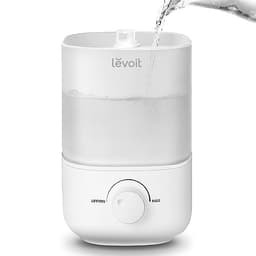
The direct fix for crispy brown tips and edges in dry, heated winter air. Holds ambient humidity steady far better than misting, which fades within minutes.
$25-$45 · Best for Crispy tip and edge browning from low humidity
Check price on Amazon →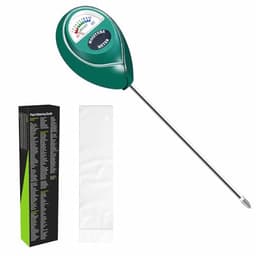
Reads moisture near the bottom of the pot so you can tell the crispy (dry, water more) browning from the soft (wet, water less) kind without guessing — the single reading that decides the right move.
$10-$18 · Best for Settling the water-more-or-less question on a browning plant
Check price on Amazon →Treatment information on PlantFix is educational. When using any pesticide — including organic options like neem oil or insecticidal soap — read and follow the entire product label; the label is the law. For persistent or high-stakes problems, your local university extension service offers free, region-specific advice. Read about how we source and verify treatment guidance in our Editorial Standards.
FAQ
Why are my plant's leaves turning brown and crispy?▼
Crispy brown leaves mean the plant is getting too little, not too much. The usual causes are low humidity (worst in winter with the heat on), inconsistent watering that lets the soil dry out too long, and salt or fluoride buildup from fertilizer and tap water. Raise the humidity, water deeply and evenly, and if there's a white crust on the soil, flush the pot and switch to distilled or rainwater.
Should I cut off brown leaves?▼
You can trim the brown parts for appearance, but it won't stop new browning unless you fix the cause — Iowa State Extension notes new browning will recur if the root cause isn't addressed. Remove leaves that are fully brown and dead; leave any leaf that still has green in it, since it's still feeding the plant. Cut along the leaf's natural shape rather than straight across.
How do I know if brown leaves are from overwatering or underwatering?▼
Texture and soil. Underwatered browning is dry and crispy, starts at tips and edges, and the pot feels light with soil pulled from the sides. Overwatered browning is soft and mushy, hits whole leaves, and the soil stays wet for days — that's root rot, and the plant wilts even though the soil is damp. Crispy means water more; mushy means stop watering and check the roots.
Why do my plant leaves turn brown in winter?▼
Indoor heating dries the air, so crispy-tip and dry-edge browning from low humidity spikes in winter. At the same time, plants grow slowly and use less water in cool, dim rooms, so watering on a summer schedule leaves soil too wet and causes soft brown rot instead. The two need opposite fixes — a humidifier for the crispy kind, less water for the soft kind — so read the texture before acting.
Related
- Yellow Leaves on Plants: Every Cause & How to Fix It →
- How to Fix an Overwatered Plant (Root Rot Rescue) →
- Leaf Spot Disease: Fungal vs. Bacterial (ID Chart + Treatment) →
- Why Is My Plant Dying? Start With the Alive-or-Dead Check →
- Spider Plant Brown Tips: The Tap-Water Cause and the Fix →
- Peace Lily Brown Tips: The Water-Quality Cause Everyone Misses →
Not sure what's wrong?
Use the diagnosis tool →Get seasonal plant care reminders and pest alerts.