Spider Plant Brown Tips: The Tap-Water Cause and the Fix
Brown tips on a spider plant are almost always tap-water fluoride and chlorine, not humidity. Here's how to tell, the water fix that actually works, and how to trim them.
8 min read · Updated 2026-09-09
By PlantFix Editorial Team · Sources: University Extension Programs, USDA, EPA
Why Your Spider Plant Has Brown Tips (Quick Answer)
If the tips of many spider plant leaves are turning brown and crispy — a thin dry point, sometimes ringed by a narrow yellow band, on otherwise healthy green leaves — the cause is almost always your water. Spider plants (Chlorophytum comosum) are one of the most fluoride- and chlorine-sensitive houseplants there is, and NC State Extension says it plainly: "avoid watering with tap water as the chlorine and fluorides can cause leaf tip burn." The minerals ride the water out to the leaf tips — the last stop in the plant's plumbing — build up, and kill the tissue there first.
The fix is the water, not the plant: switch to distilled, filtered, or collected rainwater, flush the pot every couple of months to wash out built-up salts, and go easy on fertilizer. Already-brown tips won't turn green again — trim them (there's a right way, below) and judge success by whether new leaves come in clean. Not sure it's a water problem versus a pest or root issue? Our plant diagnosis tool reads it from a photo, and the yellow leaves guide covers the full differential.
Brown-Tip Diagnostic Chart
The pattern of the browning tells you which cause you're dealing with. Match what you see, then jump to that section.
| What you see | Most likely cause | First move |
|---|---|---|
| Small dry brown tips on many leaves, sharp yellow border, plant otherwise fine | Fluoride / chlorine in tap water | Switch to distilled or rainwater; flush the pot |
| Brown tips plus a white crust on the soil or pot rim | Fertilizer salt buildup | Stop feeding; leach the soil heavily |
| Brown, papery tips worst in winter with the heat running | Low humidity + dry air | Group plants or add a humidifier |
| Whole leaf browns from the tip inward, soil bone-dry, pot light | Underwatering / erratic watering | Deep soak, then water on a rhythm |
| Bleached tan patches (not tips), plant in a sunny window | Direct-sun scorch | Move out of the direct beam |
| Yellowing whole leaves + mushy base, soil stays wet | Overwatering / root rot | See the root-rot guide, not this one |
The key split: tips browning across the plant points at water chemistry or salts; whole leaves browning or yellowing points at watering or roots. If it's the latter, you're in the wrong guide — head to our spider plant yellow leaves guide, the root rot rescue, or the broader yellow leaves differential instead.
Cause #1: Fluoride and Chlorine in Tap Water
This is the answer for most spider-plant brown tips, and it's worth understanding why the spider plant specifically. The University of Missouri's IPM program explains the mechanism: fluoride in water is taken up through the roots and moved to the leaf tips and margins, where it concentrates until it reaches a toxic level and kills the tissue — and members of the lily family are especially sensitive to fluorides. Spider plants sit squarely in that lily-relative group, which is why they brown at the tips in tap water that a pothos next to them shrugs off.
Chlorine and chloramine, added to nearly all municipal water for disinfection, pile onto the same tip-burn effect. The tell is consistency: it's the tips, on many leaves, and the rest of the leaf looks healthy. If light, humidity, and watering all seem fine and the tips keep browning anyway, that mismatch is the diagnostic clue pointing at the water.
The fix, in order of how much it helps:
- Distilled or collected rainwater removes both fluoride and chlorine. This is the real fix.
- Reverse-osmosis water does the same if you have it.
- Letting tap water sit out overnight off-gasses chlorine but does nothing for fluoride, so it's only a partial fix — and useless against chloramine, which doesn't off-gas.
- A basic carbon filter (a fridge or pitcher filter) takes out chlorine but is weak on fluoride.
Missouri's agronomists add two refinements most guides skip: keep the growing medium's pH from dropping too low, because fluoride becomes less available to the roots as pH rises, and for the most fluoride-sensitive plants use a mix without perlite, which can carry trace fluoride. You don't need to chase the pH — just don't acidify — but it explains why two spider plants on the same water can burn differently.
Cause #2: Fertilizer Salt Buildup
Spider plants are light feeders with a fast, water-storing root system, and they burn easily from excess fertilizer. The salts in most houseplant food accumulate in the soil and, like fluoride, end up concentrated at the leaf tips. The giveaway is a white or yellowish crust on the soil surface or around the pot's rim and drainage holes alongside the brown tips.
Two fixes work together. First, cut back: feed no more than once a month during spring and summer, at half the label strength, and not at all in winter. Second, leach the pot — set it in the sink and run distilled or rainwater through the soil until it drains freely for a minute or two, three or four times, flushing the accumulated salts out the bottom. Do this every couple of months if you're on hard or heavily fertilized soil. If you've been feeding a struggling plant harder to "help" it, that's often the whole problem — spider plants recover fastest when you do less.
Cause #3: Dry Air and Erratic Watering
Water chemistry and salts explain the majority of cases, but two care factors make tip burn worse. Dry air — the kind that shows up in winter when central heat runs — pulls moisture from the leaf edges faster than the roots resupply it, so tips crisp. Spider plants handle average household humidity of 40–60% fine, so you don't need to fuss; if your air is genuinely dry, grouping plants together or running a small humidifier does more than misting, which evaporates in minutes.
Erratic watering is the other. Spider plants store water in thick tuberous roots and tolerate drought well, but if you let the soil go bone-dry for long stretches and then flood it, the stress shows at the tips. NC State notes they grow best in soil kept lightly moist and that you should ease off water in winter. Aim to water when the top inch is dry — a steady rhythm beats both extremes. If whole leaves (not just tips) are browning and the base feels mushy, that's overwatering and root rot, a different problem covered in our root rot guide; if you spot fine webbing or moving specks, check for spider mites, which also stipple and brown the foliage.
How to Trim Brown Tips Without Making It Worse
Once a tip is brown, the tissue is dead and won't recover — so trimming is cosmetic, but doing it wrong leaves a fresh brown line that looks as bad as what you cut. The trick: follow the leaf's natural shape. A spider plant leaf tapers to a point, so cut on a matching angle to a slim point rather than straight across. Use clean, sharp scissors, and cut just inside the brown into the healthy green — the very edge of your cut will brown slightly, which is why you mimic the point (it hides the line) and don't hack off the whole tip square.
Don't remove the entire leaf unless it's mostly brown; even a leaf with a trimmed tip still photosynthesizes. And don't expect the fix to un-brown anything — the point of correcting the water and salts is that the next leaves come in clean. Give it a few weeks of new growth to confirm you've solved it.
Keeping a Spider Plant Tip-Burn Free
A short routine prevents nearly all of it:
- Water with distilled or rainwater if your tap is fluoridated or heavily chlorinated. This one change fixes most persistent brown tips on its own.
- Leach the pot every couple of months to flush fertilizer and mineral salts before they reach the tips.
- Feed lightly — half strength, monthly, spring and summer only.
- Water on a rhythm, when the top inch is dry, and cut back in winter's lower light.
- Keep it out of direct sun, which scorches the thin leaves, and in bright indirect light instead.
One bit of good news while you troubleshoot: the spider plant is non-toxic to cats, dogs, and horses per NC State Extension, so the dangling leaves your cat keeps chewing aren't a hazard. For the full light-water-soil rundown see our spider plant care profile, and a distilled-water jug or a moisture meter to nail the watering rhythm are on the gear page.
Recommended Products
We earn a commission if you buy through these links, at no extra cost to you. We recommend based on what works, not what pays. How this works.
The simplest real fix for fluoride and chlorine tip burn. Distilled and reverse-osmosis water contain neither, so new growth comes in clean. Cheaper than a filter over the life of one spider plant, and rainwater collected in a clean bucket works just as well for free.
$1-$2 per gallon · Best for Fluoride- and chlorine-sensitive plants with persistent brown tips
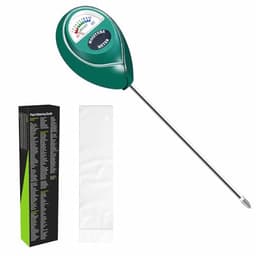
Takes the guesswork out of the watering rhythm that keeps tip burn down. Water when it reads dry in the top inch; ease off in winter. Steady beats the drought-then-flood swing that crisps tips.
$10-$18 · Best for Anyone whose spider plant browns from erratic watering
Check price on Amazon →Removes the chlorine behind much of spider-plant tip burn. Note it's weak on fluoride — distilled or rainwater is stronger there — but it's the low-effort daily option if your tap is more chlorinated than fluoridated.
$25-$40 · Best for A convenient everyday water source if chlorine is your main issue
Treatment information on PlantFix is educational. When using any pesticide — including organic options like neem oil or insecticidal soap — read and follow the entire product label; the label is the law. For persistent or high-stakes problems, your local university extension service offers free, region-specific advice. Read about how we source and verify treatment guidance in our Editorial Standards.
FAQ
Why does my spider plant have brown tips?▼
Almost always fluoride and chlorine in tap water. Spider plants are lily relatives and unusually sensitive to these chemicals, which accumulate at the leaf tips and kill the tissue. NC State Extension specifically advises against watering spider plants with tap water for this reason. Fertilizer salt buildup and very dry winter air make it worse. Switch to distilled or rainwater and the new leaves should come in clean.
Will the brown tips on my spider plant turn green again?▼
No. Once a leaf tip has browned, the tissue is dead and won't recover. Fixing the cause — usually switching away from tap water — stops new leaves from browning, but the existing damage stays until you trim it. Judge your progress by the leaves that grow next, not the ones already marked.
Should I cut the brown tips off my spider plant?▼
You can, for looks. Use clean scissors and cut on an angle that follows the leaf's natural taper to a point, just inside the brown — cutting straight across leaves an obvious line, and the cut edge will brown slightly no matter what. Don't remove the whole leaf unless it's mostly brown, since even a trimmed leaf still feeds the plant.
Is tap water really killing my spider plant?▼
It's not killing it, but it's the usual cause of the brown tips. Fluoride and chlorine build up at the leaf tips over time and burn them; the rest of the plant is often perfectly healthy. It's a cosmetic and slow problem, not a fatal one — switching to distilled, filtered, or rainwater resolves it for most people.
Related
- Yellow Leaves on Plants: Every Cause & How to Fix It →
- Peace Lily Yellow Leaves: 6 Causes and How to Fix Each →
- Monstera Yellow Leaves: 7 Causes and the Fix for Each →
- Spider Plant Leaves Curling: Crispy vs. Limp Tells You Why →
- Spider Plant Yellow Leaves: Causes and How to Fix It →
- How to Fix an Overwatered Plant (Root Rot Rescue) →
- Spider Mites: Identification, Treatment & Prevention Guide →
- Plant Leaves Curling? 7 Causes and the Fix for Each →
- Houseplant Pests: Visual ID Guide to Every Bug on Your Indoor Plants →
Plants Commonly Affected
Not sure what's wrong?
Use the diagnosis tool →Get seasonal plant care reminders and pest alerts.