Spider Plant Leaves Curling: Crispy vs. Limp Tells You Why
Spider plant leaves curling? Crispy blades mean thirst or dry air; limp blades on wet soil mean root rot; a tight speckled curl means spider mites. Here's each fix.
8 min read · Updated 2026-09-30
By PlantFix Editorial Team · Sources: University Extension Programs, USDA, EPA
Grab a Curled Leaf — Is It Crispy or Limp?
One touch sorts most cases. Run a curling spider plant leaf between your fingers and note the soil at the same time.
Crispy, dry, or papery and the soil is dry → underwatering or dry air. This is the most common reason a spider plant's arching blades roll and curl, and it's the easiest to fix.
Limp, soft, or floppy and the soil is wet → root rot starving the leaves of water even though the pot is soaking. Counterintuitive, but real.
Tight inward curl with fine pale speckling or webbing → spider mites, the dry-winter-air pest.
Spider plants have a tougher reputation than they deserve on water — they're thirstier than most people assume — so a curling, unhappy plant is far more often dry than drowning. Match your read to the section below, and for a photo confirmation of which cause is yours, our plant diagnosis tool reads it from a picture. (This page is about the leaves changing shape; if instead your tips are turning brown or whole leaves are going yellow, jump to the handoff section — those are different problems with their own guides.)
Crispy and Curling: Thirst and Dry Air (the usual cause)
A spider plant curls its blades inward to cut water loss when it can't get enough — either because the pot has gone too dry between waterings or because the surrounding air is bone dry, which is common in winter when indoor heat runs. Despite storing water in thick, tuberous roots, spider plants actually want steady moisture: NC State Extension says the plant "grows best in moist soil" and only advises you to "reduce watering during winter."
The fix: water thoroughly when the top inch of soil is dry — until water runs from the drainage holes — and empty the saucer. A pot that's dried out completely can be bottom-soaked in a sink for 15–20 minutes to rehydrate the root ball evenly. Crispy-curled leaves from a single dry spell usually relax within a day or two once the plant rehydrates; blades that have gone fully brown and papery won't recover and can be trimmed at the base.
If the soil is being watered fine but the air is dry, raise the humidity. NC State suggests you "use a humidifier or place the plant container on a tray of pebbles with water to increase the humidity." A small room humidifier does far more than misting, which lifts humidity for only a few minutes.
Limp and Curling on Wet Soil: Root Rot
If the curling leaves are limp and soft rather than crispy, and the soil has stayed wet, the problem is the opposite of thirst — the roots are rotting and can no longer move water up to the foliage. It looks like the plant needs water, which is why people water it more and make it worse. University of Maryland Extension describes the paradox exactly: root rot causes "stunting, yellowing and wilting of plants even when potting media moisture is adequate," because the damaged roots can't transport water to the leaves. UMD notes rotted roots are "brown to black and soft or mushy."
Check it: slide the plant out and look at the roots and base. Firm and pale is fine — just ease off watering and let the mix dry out. Brown, mushy, foul-smelling roots need a rescue repot: rinse the roots, cut away every soft rotten one, and repot into fresh well-draining mix in a pot with drainage holes. Spider plants regrow readily from healthy tuberous roots, so a timely rescue usually works. Full step-by-step in our root rot rescue guide.
Tight Inward Curl With Speckling: Spider Mites
If the curl is tight and inward and the leaves show fine pale stippling — tiny dots that look like the color's been sucked out — check for spider mites, especially in winter. These pests thrive in exactly the warm, dry indoor air that runs from November on. The Missouri Botanical Garden notes that on an infested plant "leaves may appear stippled and curled" and then "yellow and drop or turn brown or tan," and that "fine webbing may also be evident under the leaves or between the leaf and the stem." Their reproduction is "favored by hot, dry conditions."
Mites are almost too small to see, so use the paper test the same source recommends: tap a suspect leaf over a white sheet of paper and watch for "small specks that appear as dust or pepper" beginning to crawl. If they move, you have mites. Rinse the plant hard in the shower (undersides especially), raise the humidity, and treat — the full protocol is in our spider mites treatment guide.
If the Tips Are Brown or Whole Leaves Are Yellow
Two look-alike problems get blamed on curling but need different pages, because the fix is different:
Brown, crispy leaf tips with the rest of the blade green is the classic spider-plant tap-water problem — fluoride and chlorine building up at the leaf margin. NC State is explicit that you should "avoid watering with tap water as the chlorine and fluorides can cause leaf tip burn." That's a water-quality fix, not a curling fix — the full walkthrough (including how to trim tips without making them worse) is in our spider plant brown tips guide.
Whole leaves going yellow — from the base, or across the blade — points to overwatering, aging, or light rather than a shape change. That's covered in our spider plant yellow leaves guide. Spider plant care basics, and links to all three symptom guides, live on the spider plant profile.
How Fast Does a Spider Plant Uncurl?
It depends entirely on the cause, and knowing the timeline keeps you from over-correcting. Curl from a reversible stress — a dry pot, a humidity dip — usually relaxes within hours to a couple of days of watering and better air, and those leaves recover fully. Curl from root rot or spider-mite damage is different: those cells are damaged, so the affected leaves often stay curled or distorted permanently even after you fix the cause. The plant simply grows out of it, pushing normal flat blades from the center once the roots or the pest problem are handled.
So don't judge success by the old leaves — judge it by the new growth coming in straight. Fix the cause, be patient with the damaged leaves, and trim only the ones that go fully brown or crispy. For the broader picture across every houseplant, the leaves curling field guide compares this symptom plant by plant.
Recommended Products
We earn a commission if you buy through these links, at no extra cost to you. We recommend based on what works, not what pays. How this works.
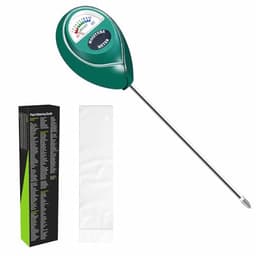
Tells you instantly whether a curling spider plant is thirsty or waterlogged — the one distinction that decides the fix. Check the root zone before watering so you never guess between the two opposite causes.
$10-$20 · Best for Telling thirst-curl from root-rot-curl before you water
Check price on Amazon →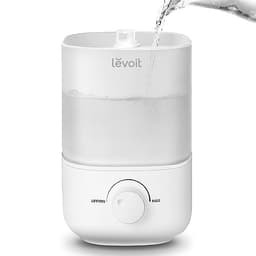
The real fix for dry-air curling. A steady humidifier raises the ambient humidity spider plants want far more effectively than misting, which fades in minutes. Especially useful in winter when indoor heat dries the air and invites spider mites.
$25-$50 · Best for Dry-air curling and preventing winter spider mites
Check price on Amazon →Treatment information on PlantFix is educational. When using any pesticide — including organic options like neem oil or insecticidal soap — read and follow the entire product label; the label is the law. For persistent or high-stakes problems, your local university extension service offers free, region-specific advice. Read about how we source and verify treatment guidance in our Editorial Standards.
FAQ
Why are my spider plant leaves curling?▼
Most often it's underwatering or dry air — spider plants are thirstier than their reputation, and they roll their blades to conserve water when the soil goes dry or the air is very dry in winter. Limp, soft curling on wet soil means the opposite, root rot. A tight inward curl with fine pale speckling means spider mites. Check whether the curled leaf is crispy (thirst) or limp (rot) and whether the soil is dry or wet to tell which.
Is my spider plant curling from overwatering or underwatering?▼
Feel the leaf and the soil. Underwatered spider plants have crispy, dry, curling leaves and dry soil, and they perk up after a thorough watering. Overwatered ones have soft, limp, curling or yellowing leaves and wet soil, with brown mushy roots. When in doubt, spider plants tolerate dryness far better than sogginess, so an unhappy curling plant is more often thirsty than drowned.
Will curled spider plant leaves uncurl?▼
If the curl came from thirst or low humidity, yes — the leaves usually relax within a day or two once you water thoroughly and raise the humidity. If it came from root rot or spider mites, the damaged leaves generally stay curled permanently, and the plant grows out of it by pushing new flat leaves from the center. Fix the cause and watch the new growth, not the old leaves.
Can dry air cause spider plant leaves to curl?▼
Yes. Low humidity, common in winter when indoor heating runs, pulls water from the leaves faster than the roots can replace it, and the plant curls to cut the loss. NC State Extension recommends running a humidifier or setting the pot on a tray of wet pebbles to raise humidity. Keep the plant away from heat vents and radiators, which create a hot, dry pocket of air.
Related
- Plant Leaves Curling? 7 Causes and the Fix for Each →
- Spider Plant Brown Tips: The Tap-Water Cause and the Fix →
- Spider Plant Yellow Leaves: Causes and How to Fix It →
- How to Fix an Overwatered Plant (Root Rot Rescue) →
- Spider Mites: Identification, Treatment & Prevention Guide →
- Why Are My Monstera Leaves Curling? (And How to Fix It) →
Plants Commonly Affected
Not sure what's wrong?
Use the diagnosis tool →Get seasonal plant care reminders and pest alerts.