Spider Plant Yellow Leaves: Causes and How to Fix It
Yellow leaves on a spider plant usually mean overwatering, but light, tap water, and old age also cause it. Use the base-check to ID yours and fix the real cause.
8 min read · Updated 2026-09-25
By PlantFix Editorial Team · Sources: University Extension Programs, USDA, EPA
Why Your Spider Plant Has Yellow Leaves (Quick Answer)
The most common reason a spider plant turns yellow is overwatering. Feel the base: if the yellowing leaves are soft or mushy and start at the center of the plant, and the soil has stayed wet, the fleshy roots are rotting and can't feed the leaves. Spider plants store water in thick, tuberous roots, so soggy soil leads to root rot fast. The fix is to ease off watering, let the soil dry out, and check the roots — firm and white is fine, brown and mushy needs a rescue repot.
But yellow leaves have several causes, and they don't all get the same fix. Brown crispy tips with a yellow edge point to fluoride and chlorine in tap water, not watering — that's covered in our spider plant brown tips guide. A few old outer leaves yellowing and dying is just natural aging. A washed-out, pale whole plant is usually too little (or too harsh) light. Match your symptom to the section below, and for a photo check use our plant diagnosis tool. Spider plant care basics live on the spider plant profile, and the yellow leaves field guide covers this symptom across every houseplant.
Match Your Yellowing to the Cause
Spider plants are forgiving, so yellow leaves are almost always a care issue you can reverse once you read the pattern correctly. Find your row first.
| What you see | Likely cause | Where to go |
|---|---|---|
| Soft, mushy yellow leaves from the base; soil stays wet | Overwatering / root rot | Overwatering section below |
| Brown crispy tips with a thin yellow margin | Fluoride/chlorine in tap water | Brown tips guide |
| A few oldest outer leaves yellow and dry, plant otherwise fine | Natural aging | Aging & light section |
| Whole plant pale, washed-out, leggy | Too little light | Aging & light section |
| Yellowing right after feeding, white crust on soil | Fertilizer salt buildup | Feeding section |
The two checks that sort most cases: press the base of a yellow leaf (mushy plus wet soil equals overwatering) and look at whether it's the oldest outer leaves (aging, normal) or new central growth (a real problem). Get those two answers and you'll know which section to act on.
Overwatering & Root Rot (the most common cause)
Spider plants have thick, water-storing roots, which makes them drought-tolerant — and exactly why constant moisture backfires. When the soil never dries, those roots suffocate and rot, and the first thing you see is yellowing leaves even though the plant looks "watered." University of Maryland Extension explains the paradox: root rot can cause "stunting, yellowing and wilting of plants even when potting media moisture is adequate" because the damaged roots can't transport water to the leaves. UMD notes rotted roots are "brown to black and soft or mushy."
The fix depends on how far it's gone. Mild case — the leaves are yellowing but the base is still firm: stop watering, move the plant somewhere bright and airy, and don't water again until the top inch (or more) of soil is dry. NC State advises spider plants grow "best in moist soil" but to "reduce watering during winter" — moist, not wet, and less in the cold months. Advanced case — mushy base and rotten-smelling soil: slide the plant out, rinse the roots, cut away every brown mushy root with clean scissors, and repot into fresh well-draining mix in a pot with drainage holes. Spider plants regrow readily from healthy tuberous roots, so a rescue repot usually works. For the full step-by-step, see our root rot rescue guide, and for a structured recovery, the treatment plan.
Tap Water: When It's Tips, Not Whole Leaves
Spider plants are famously sensitive to the fluoride and chlorine in tap water, but it's worth being precise about what that looks like, because it's easy to blame the wrong thing. Tap-water salts mainly cause brown, crispy tips — often with a thin yellow band where the dead tip meets living tissue — not whole-leaf yellowing. NC State Extension is explicit: "avoid watering with tap water as the chlorine and fluorides can cause leaf tip burn."
So if your leaves are yellowing from the base or across the whole blade, tap water probably isn't the culprit — look at watering and light first. If instead the damage is at the tips with the rest of the leaf green, that's the tap-water pattern, and switching to distilled, filtered, or rainwater usually stops it (letting tap water sit out overnight off-gasses chlorine but does not remove fluoride). We cover the tip-burn case in full — including how to trim tips without making them worse — in the spider plant brown tips guide.
Natural Aging & Light
Not every yellow leaf is a problem. Spider plants continually replace foliage, and the oldest outer leaves naturally yellow, dry, and drop as the plant funnels energy into new central growth and its pups. If it's just a few of the lowest, oldest leaves turning yellow while the rest of the plant looks healthy and is pushing new growth, that's normal — snip them off at the base and move on.
Light matters in both directions. Too little, and the whole plant goes pale and leggy, with weak washed-out leaves and no new pups; NC State notes spider plants prefer "medium light levels" though they tolerate lower light. Too much direct sun, on the other hand, scorches the thin leaves — NC State warns the plant is "intolerant of direct sunlight." The sweet spot is bright, indirect light: an east window, or a few feet back from a brighter one. Move a pale plant closer to light, and pull a scorched one back from a hot windowsill.
Overfeeding & Keeping Leaves Green
Spider plants are light feeders, and too much fertilizer causes its own yellowing — a buildup of mineral salts that burns the roots, often showing up as a white crust on the soil surface or around the pot rim and yellowing soon after you feed. If that's your pattern, flush the pot with plenty of plain (ideally distilled) water to leach the salts out, and cut back to feeding once a month at half strength during spring and summer only.
To keep the foliage green going forward, put the whole picture together: water only when the top inch of soil is dry and empty the saucer so the roots never sit in water; use filtered, distilled, or rainwater to sidestep the fluoride issue; give bright indirect light and keep the plant above 45°F per NC State; and feed sparingly. Do that and yellow leaves become the rare exception. When a plant has you stumped, the yellow leaves guide compares this symptom across houseplants and the diagnosis tool will read a photo of your specific plant.
Recommended Products
We earn a commission if you buy through these links, at no extra cost to you. We recommend based on what works, not what pays. How this works.
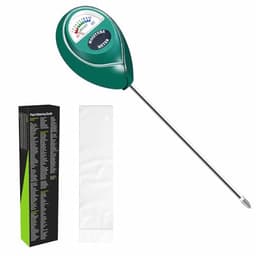
Takes the guesswork out of the most common cause of yellow leaves. Check the root zone before watering and only water when the top inch reads dry — the simplest way to stop overwatering a spider plant.
$10-$20 · Best for Preventing the overwatering that causes most yellow leaves
Check price on Amazon →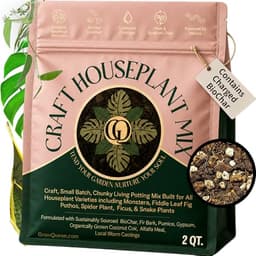
A light, fast-draining mix with perlite lets the spider plant's fleshy roots breathe between waterings. The right substrate does as much to prevent root rot as careful watering does — pair with a pot that has drainage holes.
$12-$20 · Best for Repotting a root-rotted plant or preventing soggy soil
Check price on Amazon →Treatment information on PlantFix is educational. When using any pesticide — including organic options like neem oil or insecticidal soap — read and follow the entire product label; the label is the law. For persistent or high-stakes problems, your local university extension service offers free, region-specific advice. Read about how we source and verify treatment guidance in our Editorial Standards.
FAQ
Why is my spider plant turning yellow?▼
Most often it's overwatering — spider plants store water in thick roots, so constantly wet soil causes root rot and yellow leaves. Check the base: mushy leaves plus wet soil means overwatering. Other causes are tap-water fluoride (which shows as brown tips, not whole-leaf yellowing), natural aging of the oldest outer leaves, too little light making the whole plant pale, and fertilizer salt buildup.
Should I cut the yellow leaves off my spider plant?▼
Yes — once a leaf has yellowed it won't turn green again, so trim it at the base with clean scissors to redirect energy into new growth and improve appearance. Cutting the leaf doesn't fix the cause, though, so identify why it yellowed (usually overwatering) and correct that too, or new leaves will keep yellowing.
Is my spider plant overwatered or underwatered?▼
Feel the leaves and soil. Overwatered spider plants have soft, mushy yellow leaves and wet soil, and the roots may be brown and mushy. Underwatered ones have dry soil and crispy, curling, or wilting leaves that perk up after watering. When in doubt, spider plants tolerate dryness far better than sogginess, so err toward letting the soil dry out.
Does tap water cause yellow leaves on spider plants?▼
Tap water's fluoride and chlorine mainly cause brown, crispy leaf tips rather than whole-leaf yellowing — NC State Extension says the chlorine and fluorides "can cause leaf tip burn." If your leaves are yellowing from the base or across the whole blade, look at watering and light first. If the damage is at the tips, switch to distilled, filtered, or rainwater.
How often should I water a spider plant to prevent yellowing?▼
Water only when the top inch of soil is dry, then water thoroughly and empty the saucer so the roots never sit in water. Reduce watering in winter, as NC State advises. Because the fleshy roots store water, spider plants handle occasional dryness well but rot quickly in constant moisture — underwatering is far easier to fix than overwatering.
Related
- Yellow Leaves on Plants: Every Cause & How to Fix It →
- Spider Plant Brown Tips: The Tap-Water Cause and the Fix →
- How to Fix an Overwatered Plant (Root Rot Rescue) →
- Pothos Yellow Leaves: 8 Causes and the Fix for Each →
- Peace Lily Yellow Leaves: 6 Causes and How to Fix Each →
- Snake Plant Yellow Leaves: Causes, Fixes and When to Worry →
Plants Commonly Affected
Not sure what's wrong?
Use the diagnosis tool →Get seasonal plant care reminders and pest alerts.