Root-Bound Plant: The 4-Sign Check and How to Fix It
Roots circling out the drainage holes and water running straight through? Here's the 4-sign root-bound check, the look-alikes to rule out, and the repot fix.
8 min read · Updated 2026-10-14
By PlantFix Editorial Team · Sources: University Extension Programs, USDA, EPA
The 4-Sign Root-Bound Check, Before You Repot Anything
A plant is root-bound (or "pot-bound") when its roots have outgrown the container and circled into a dense mat with little soil left to hold water or air. You can confirm it in under a minute with four signs — you need two or more, because any one alone can mean something else:
1. Water runs straight through. You water and it pours out the bottom almost immediately, because roots have displaced the mix. NC State Extension describes it exactly: "The roots have displaced most of the media in the container, leading to the container not retaining water."
2. Roots out the drainage holes. Penn State Extension's first repotting check is simply, "Do you notice any roots growing through the drainage holes?"
3. Growth has stalled despite feeding. Penn State's second check: whether "the foliage and stems have either stopped growing or growth has slowed even when fertilized regularly in spring and summer."
4. It dries out fast and droops. With no soil to hold moisture, the pot "dries out very quickly," and NC State notes a "tail-tail sign ... plants will become droopy and exhibit signs of drought stress."
The definitive test is to slide the plant out: Penn State says if "the roots are circling around the root ball or are so dense that it is difficult to see any potting mix in the bottom third of the root ball, it's time to repot." Not sure what you're looking at? Our plant diagnosis tool reads the cause from a photo.
Root-Bound, or Something That Just Looks Like It?
Here's where people make the wrong call: root-bound, overwatering, and underwatering all produce a wilting, struggling plant, and the fixes are opposites. Repotting a rotting plant into a bigger pot makes it worse; nursing a thirsty one as if it's root-bound wastes weeks. Match the pattern:
| Symptom pattern | Most likely | What to do |
|---|---|---|
| Water runs straight through, roots circling out the holes, pot feels solid, droops hours after watering | Root-bound | Repot one size up (below) |
| Wilts but the soil stays wet for days, base soft or mushy | Root rot — not root-bound | Root rot rescue |
| Wilts, soil is bone dry, pot is feather-light, leaves limp but not mushy | Just thirsty | Deep-soak and rehydrate |
The one that catches people is root rot, because a rotting plant wilts in wet soil exactly as if it were dry. University of Maryland Extension spells out the paradox: rotted roots cause plants to "wilt even when adequate moisture is present in the potting media." So before you blame the pot size: if the soil is still wet and the base is soft, it's rot, and a new pot is the wrong move. Scattered yellowing can accompany any of the three — our yellow leaves guide helps sort that out. This differential is the whole reason the why is my plant dying flow exists.
How to Fix It: Up One Size, and Loosen the Roots
Repotting a genuinely root-bound plant is straightforward, but two details decide whether it recovers cleanly or sulks:
Time it with growth. Penn State's guidance is that "the best time to repot a plant is in the spring when it naturally and actively begins its seasonal growth." A plant actively growing recovers from the disturbance far faster than one repotted in the dormant dark of winter — though if it's severely root-bound and declining, don't wait a season.
Go up one size, not three. Penn State: "The new container should be slightly larger than the current one, as a container that is too large may look out of balance with the overall plant." A pot one to two inches wider in diameter is right. More on why bigger isn't better below.
Loosen the matted roots — don't just drop the block in. If you plant a circling root ball intact, the roots keep circling and never grow into the fresh mix. Penn State says to gently "'tease' the roots so that they are no longer densely matted or circling the rootball." For a truly solid, pot-shaped mass, NC State goes further: "break apart the roots as much as you can, taking up to 1/3 of the root mass away" — slicing a few vertical cuts down the sides of a stubborn ball works too. Then backfill with fresh mix, water to settle it, and expect a short adjustment period. Because repotting disturbs roots, some wilting afterward is normal transplant shock, not a new problem.
When NOT to Repot — and the Over-Potting Trap
The reflex when a plant struggles is to "give it more room," and that reflex kills plants. The reason a too-big pot backfires is water, not space: a large volume of mix around a small root system stays wet for days because there aren't enough roots to drink it, and soil that stays wet breeds root rot — the exact problem people are often trying to escape. Penn State's "slightly larger" rule exists for this reason, not just looks.
So don't repot a plant that isn't showing the signs. If water still soaks in normally, growth is steady, and no roots are escaping the holes, leave it alone — repotting an un-root-bound plant only buys it an oversized, soggy pot. And don't repot a plant you've just brought home or that's actively wilting from another cause; fix the cause first.
A few plants genuinely resent extra room and sulk in a pot that's too big, preferring to be kept snug. When in doubt, stay conservative: go up a single size only, and only when at least two of the four signs are clearly present. You can always repot again next season — you can't easily un-rot a plant drowned in too much fresh mix.
How Often to Repot, by Growth Rate
Once you've fixed a root-bound plant, a rough cadence keeps it from happening again — tuned to how fast the plant grows, not the calendar:
Fast growers (pothos, monstera, spider plants, most tropicals in active conditions) often need a size up every year or two. These are the ones whose roots escape the drainage holes first.
Slow growers (snake plants, ZZ plants, cacti and succulents, many slow aroids) can go several years between repots and often prefer to stay snug — repot these only when the signs are unmistakable.
Any plant that has stopped drinking normally, stalled despite feeding in its growing season, and is pushing roots out the bottom is telling you it's time, regardless of how long it's been.
The gauge to keep in mind: repot when the roots have run out of room and the plant tells you so with two or more of the four signs — not on a schedule, and not just because a bigger, prettier pot is tempting.
Recommended Products
We earn a commission if you buy through these links, at no extra cost to you. We recommend based on what works, not what pays. How this works.
A plant pot one to two inches wider in diameter with real drainage holes is the correct upgrade for a root-bound plant — big enough to give roots room, small enough that the fresh mix doesn't stay soggy and invite rot.
$8-$16 · Best for Repotting a root-bound plant up a single size
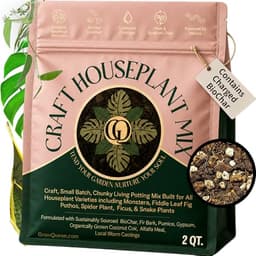
Fresh, fast-draining mix is what you backfill around the loosened roots. It holds enough moisture for the plant while draining fast enough that the extra soil in the new pot doesn't stay wet long enough to rot the roots.
$8-$16 · Best for Backfilling after loosening a matted root ball
Check price on Amazon →Treatment information on PlantFix is educational. When using any pesticide — including organic options like neem oil or insecticidal soap — read and follow the entire product label; the label is the law. For persistent or high-stakes problems, your local university extension service offers free, region-specific advice. Read about how we source and verify treatment guidance in our Editorial Standards.
FAQ
How do I know if my plant is root-bound?▼
Look for the four signs: water runs straight through the pot, roots grow out the drainage holes, growth stalls even when you fertilize in the growing season, and the soil dries out fast and the plant droops. Confirm by sliding the plant out — if the roots are circling the ball or so dense you can't see soil in the bottom third, it's root-bound. You want two or more signs, since any one alone can mean thirst or rot instead.
Is it bad for a plant to be root-bound?▼
Mild root-binding slows a plant and makes it dry out fast, but it isn't an emergency, and a few plants bloom or stay compact better kept snug. It becomes a problem when roots have displaced so much soil that the plant can't hold water or keep growing. At that point repot one size up and loosen the matted roots. Don't rush an un-root-bound plant into a bigger pot — too much mix stays wet and invites root rot.
How much bigger should the new pot be?▼
One size up — roughly one to two inches wider in diameter. Penn State Extension advises the new container be only slightly larger, because a pot that's too large holds a volume of soil the small root system can't drink, so it stays wet and invites rot. Resist the urge to jump several sizes; you can always repot again next growing season.
Should I cut the roots of a root-bound plant?▼
Yes, loosen them — don't plant a circling root ball intact or the roots keep spiraling and never grow into the fresh mix. Gently tease the matted roots apart with your fingers. For a dense, pot-shaped mass, NC State Extension says you can break apart or remove up to a third of the root mass, or make a few shallow vertical cuts down the sides. Then repot into fresh mix and water to settle.
Related
- Why Is My Plant Dying? Start With the Alive-or-Dead Check →
- How to Fix an Overwatered Plant (Root Rot Rescue) →
- Transplant Shock: Shock vs. Damage and the Recovery Timeline →
- Yellow Leaves on Plants: Every Cause & How to Fix It →
- Plant Leaves Turning Brown? Read the Location and the Texture →
- Houseplant Pests: Visual ID Guide to Every Bug on Your Indoor Plants →
Not sure what's wrong?
Use the diagnosis tool →Get seasonal plant care reminders and pest alerts.